
Reconstruction du pont Notre-Dame — History & Facts
In the stillness of a moment, dreams intertwine with reality, beckoning us to explore the depths of our imagination. Begin your journey by focusing on the prominent arch of the bridge, rendered with meticulous precision and a muted palette. The varied shades of grey and soft earth tones lend an air of nostalgia, while the delicate brushstrokes evoke the fluidity of water beneath. Notice how Jouas captures the interplay of light, casting gentle reflections that dance across the surface, hinting at the unseen stories that flow beneath the bridge. As you delve deeper, consider the tension between the industrial and the organic.
The bridge stands as a symbol of progress, yet its surroundings are soft and romantically rendered, suggesting a yearning for the past. The scattered figures, seemingly absorbed in their own worlds, evoke a sense of solitude amid the urban landscape, inviting viewers to contemplate their own place within the larger narrative. The tranquil scene speaks of both the promise of modernity and the whispers of history, echoing the dreams of countless souls who have traversed this path. In 1911, while residing in Paris, a city ripe with artistic innovation, the painter created this work during a transformative period.
The early 20th century was marked by rapid industrialization and profound social changes. Jouas, often associated with the Symbolist movement, sought to capture the essence of his time through an artistic lens that balanced realism with dreamlike qualities, allowing his audience to linger in the spaces between memory and aspiration.
More Artworks by Charles Jouas
Browse all →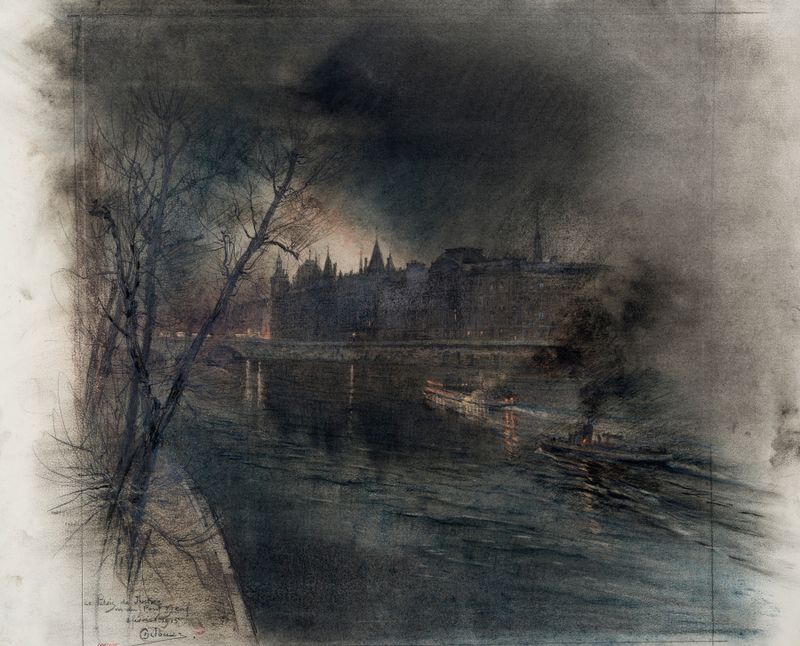
Le Palais de Justice vu du Pont-Neuf
Charles Jouas
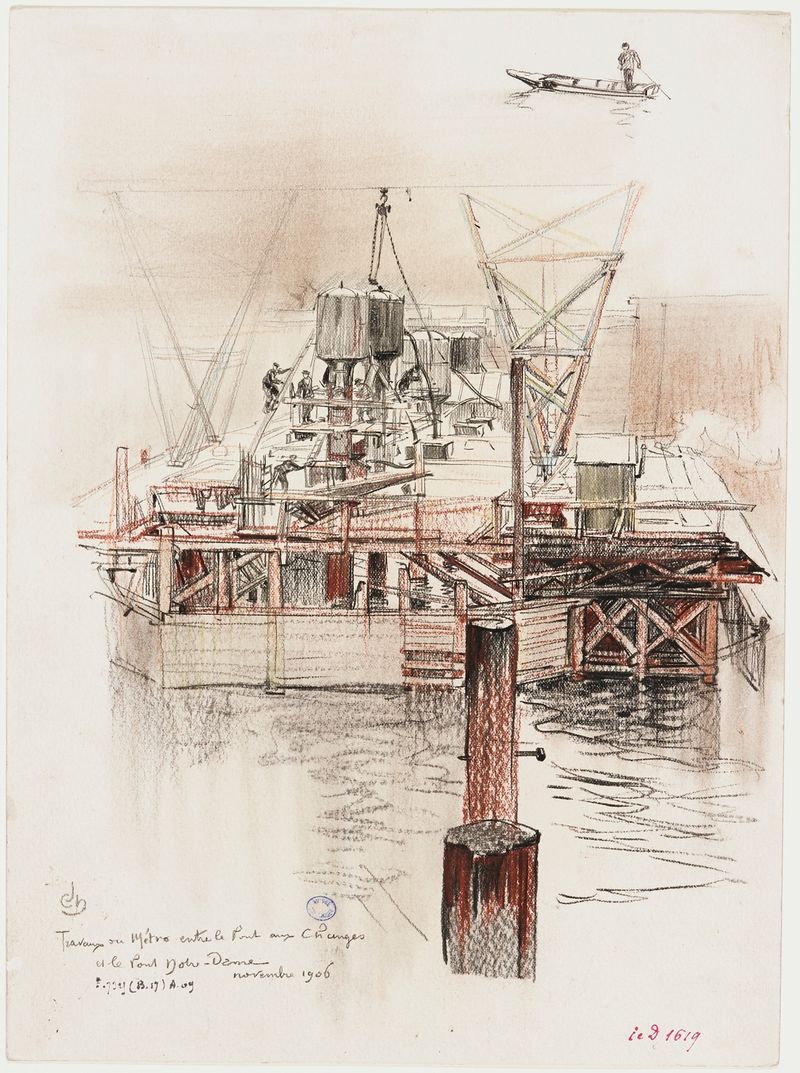
Travaux du métro entre le pont au Change et le pont Notre Dame
Charles Jouas
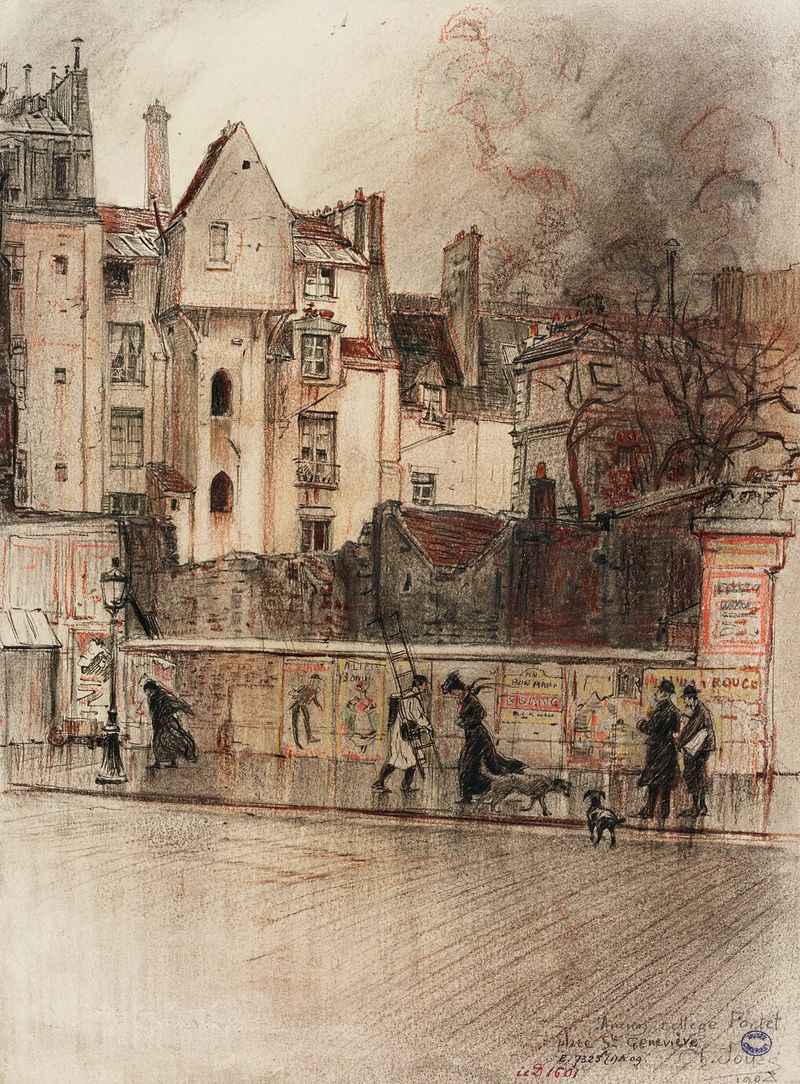
La tour de Calvin (ancien collège de Fortet), place Sainte Geneviève
Charles Jouas

Travaux du métro entre le pont au Change et le pont Notre Dame
Charles Jouas
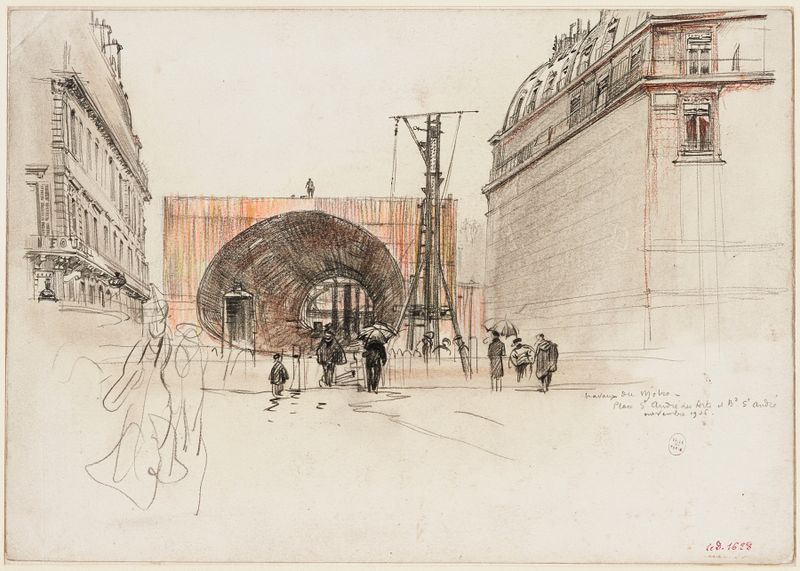
Travaux du métropolitain rue Danton et boulevard Saint-André (le caisson), 6ème aarondissement, Paris
Charles Jouas
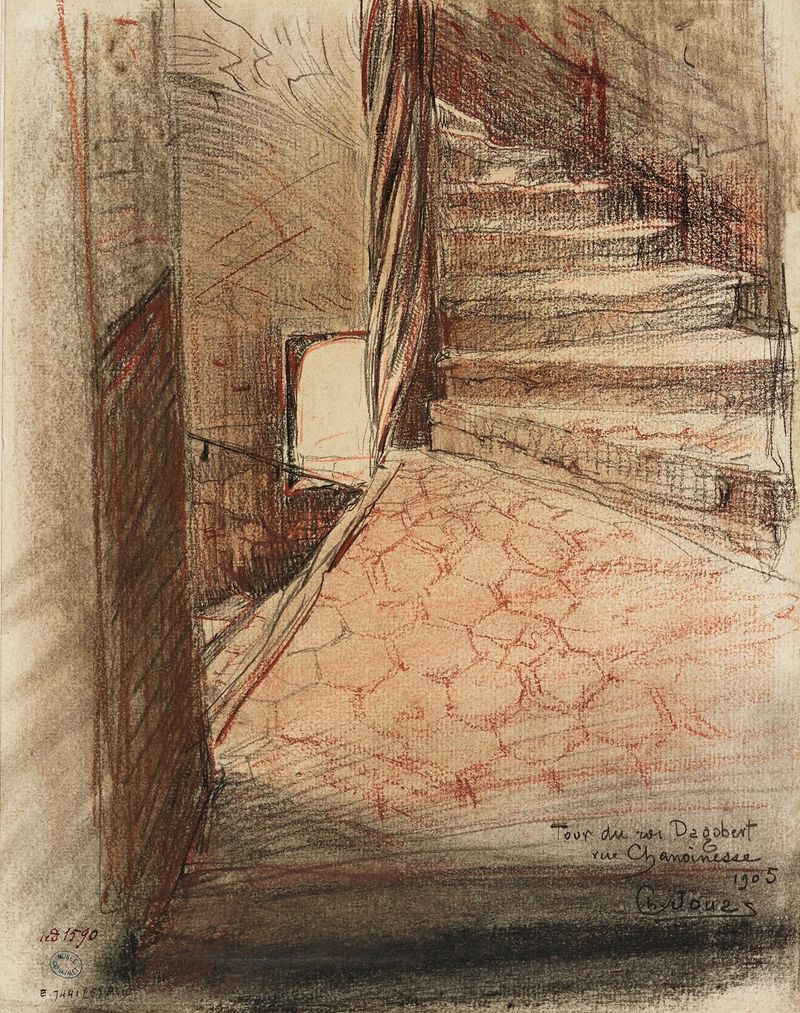
Escalier de la tour Dagobert, rue Chanoinesse
Charles Jouas

Escalier intérieur, 16 rue du Cloître Notre-Dame
Charles Jouas

L’escalier de la rue des Barres
Charles Jouas
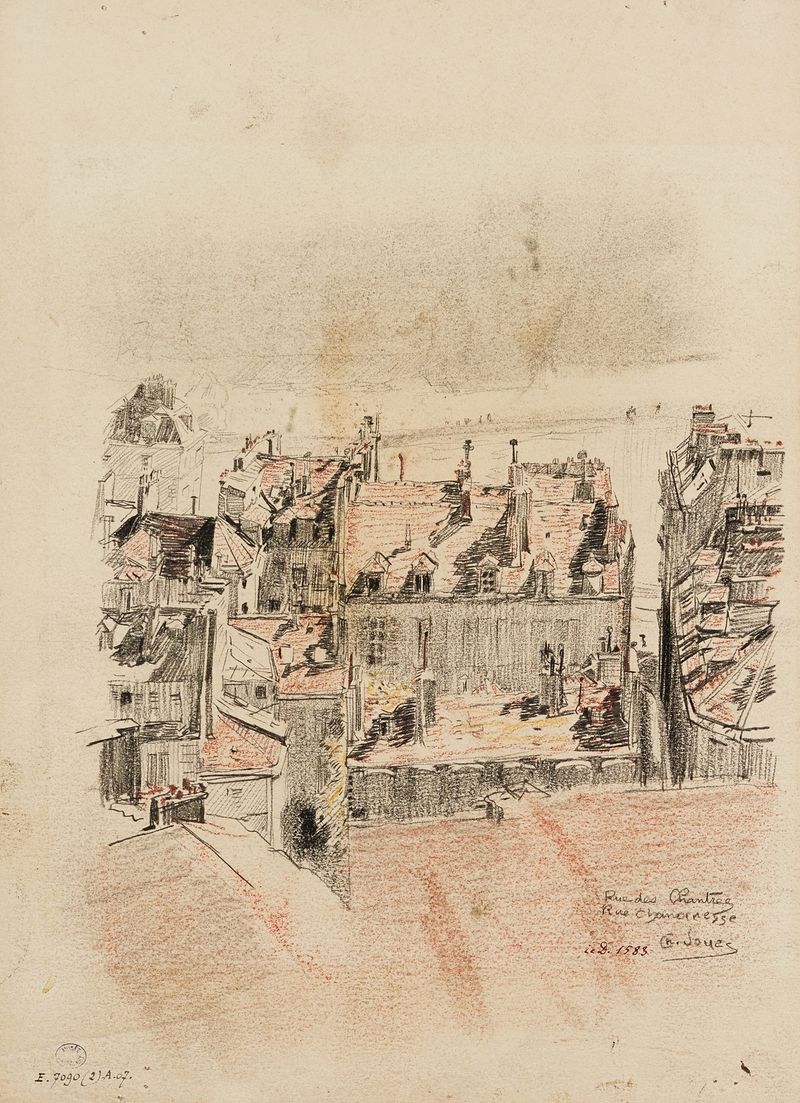
Rue des Chantres et rue Chanoinesse
Charles Jouas

Rue Grenier sur l’Eau
Charles Jouas
More Architecture Art
Browse all →
The statue of Liberty
Frédéric Auguste Bartholdi

View of Houses in Delft, Known as ‘The Little Street’
Johannes Vermeer

View of Houses in Delft, Known as ‘The Little Street’
Johannes Vermeer

The Cathedral in Rouen. The portal, Grey Weather
Claude Monet

The yellow house
Vincent van Gogh

The Church in Auvers-sur-Oise, View from the Chevet
Vincent van Gogh