
Reitender Postillion mit zwei Handpferden in winterlicher Landschaft — History & Facts
Where does light end, and longing begin? In Reitender Postillion mit zwei Handpferden in winterlicher Landschaft, the boundaries blur between reality and illusion, beckoning viewers to explore a frozen world brimming with unspoken narratives. Look to the left at the horseman, his figure clad in muted tones that blend seamlessly with the surrounding snow. The delicate strokes capture the texture of his coat and the subtle weight of his posture, conveying both strength and fatigue. Notice how the soft winter light illuminates the scene, casting gentle shadows that dance across the pristine landscape, creating a sense of depth and tranquility.
The interplay between the warm browns of the horses and the cool blues of the frosty air emphasizes the coldness of winter, while the distant trees provide a sense of scale and isolation. Delve deeper, and you'll discover the emotional tension inherent in this moment. The horses seem to pause mid-stride, as if waiting for an unfulfilled promise to unfold. The contrast between the man’s determined expression and the stillness of the landscape suggests a longing for movement and connection.
Each element—the horses, the rider, the expanse of snow—intertwines to evoke a narrative of solitude and perseverance, capturing the essence of winter's harsh beauty. Wilhelm von Kobell created this work during a time when Romanticism was evolving, likely in the early 19th century. As an artist active in Germany, Kobell embraced nature as both a subject and an emotional landscape, reflecting a growing interest in the sublime. At this juncture in his career, he sought to express individual experience through the lens of the natural world, laying the groundwork for future explorations in German art.
More Artworks by Wilhelm von Kobell
Browse all →
Der Postillon auf dem Weg nach Weilheim
Wilhelm von Kobell

Königsee with the Cliffs of St. Bartholomëe
Wilhelm von Kobell

Bauernwagen in bergiger Landschaft
Wilhelm von Kobell
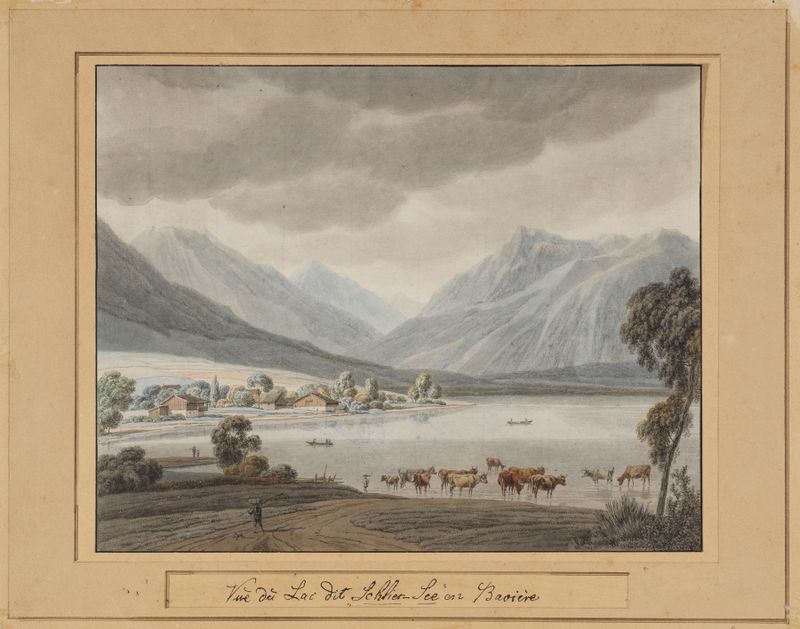
Schliersee
Wilhelm von Kobell
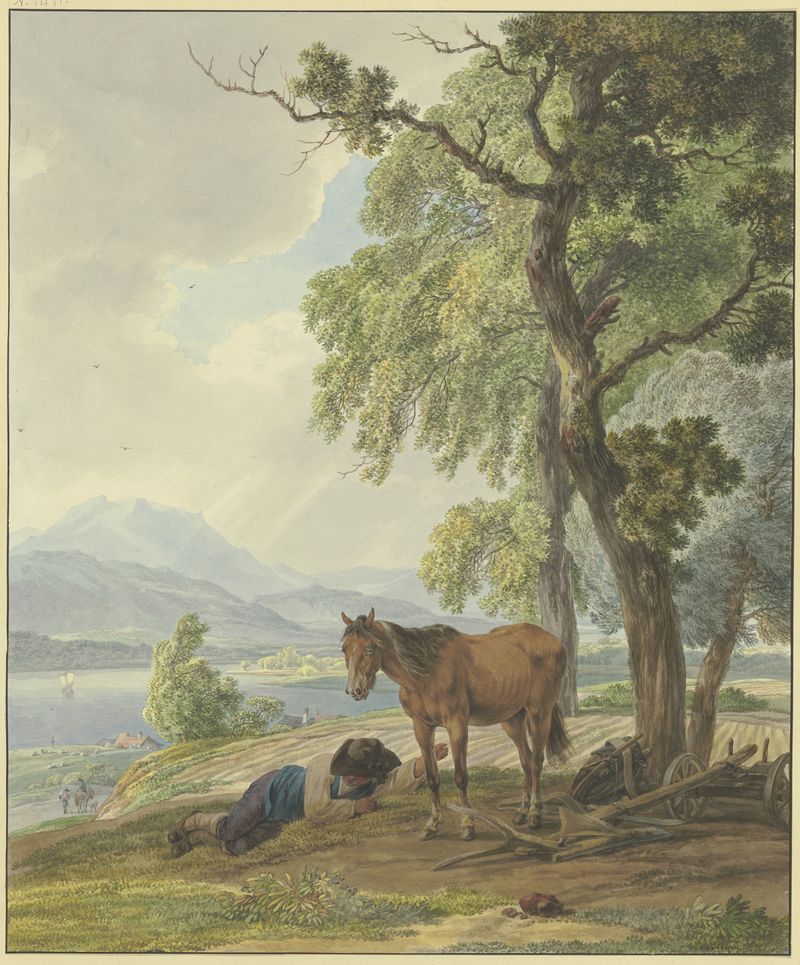
Ruhender Bauer mit seinem Pferd neben dem gepflügten Acker
Wilhelm von Kobell
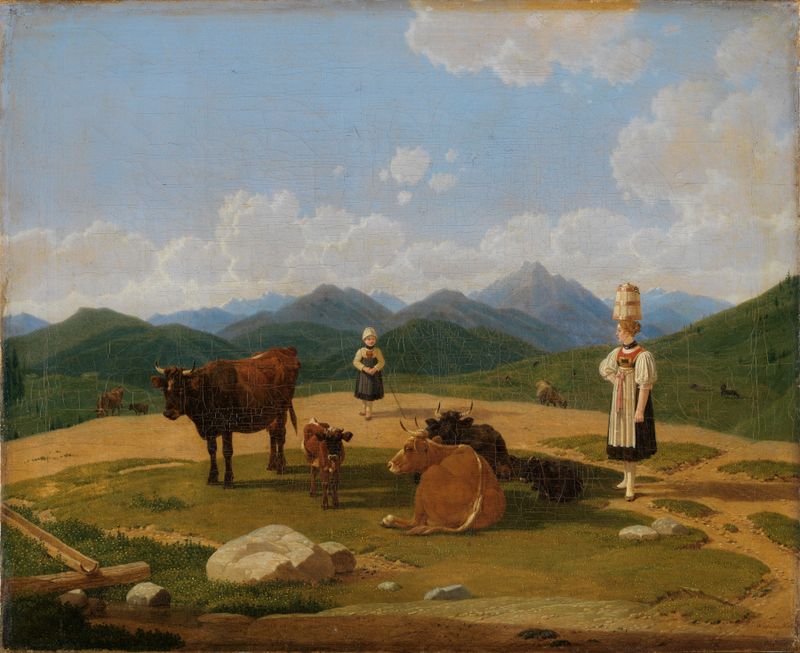
Auf der Alm
Wilhelm von Kobell
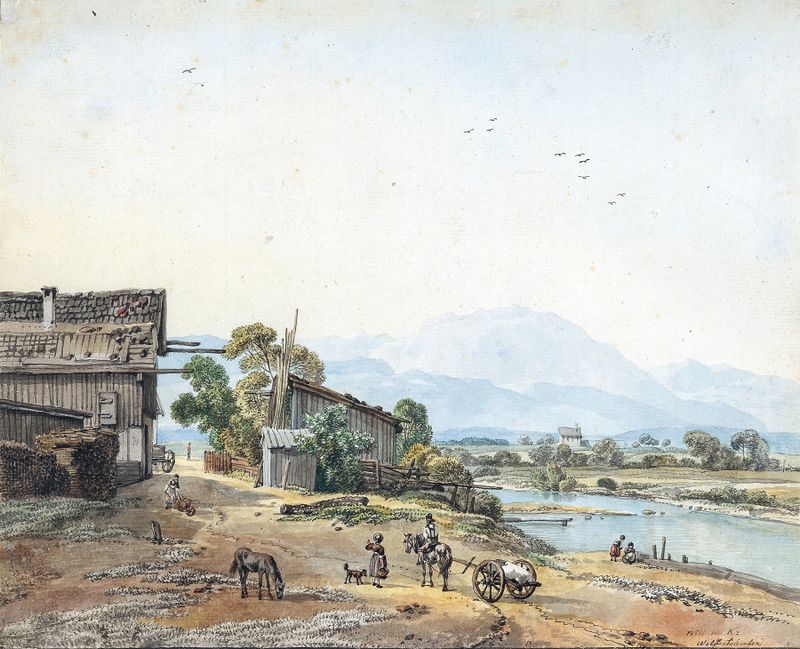
Wolfratshausen an der Loisach
Wilhelm von Kobell
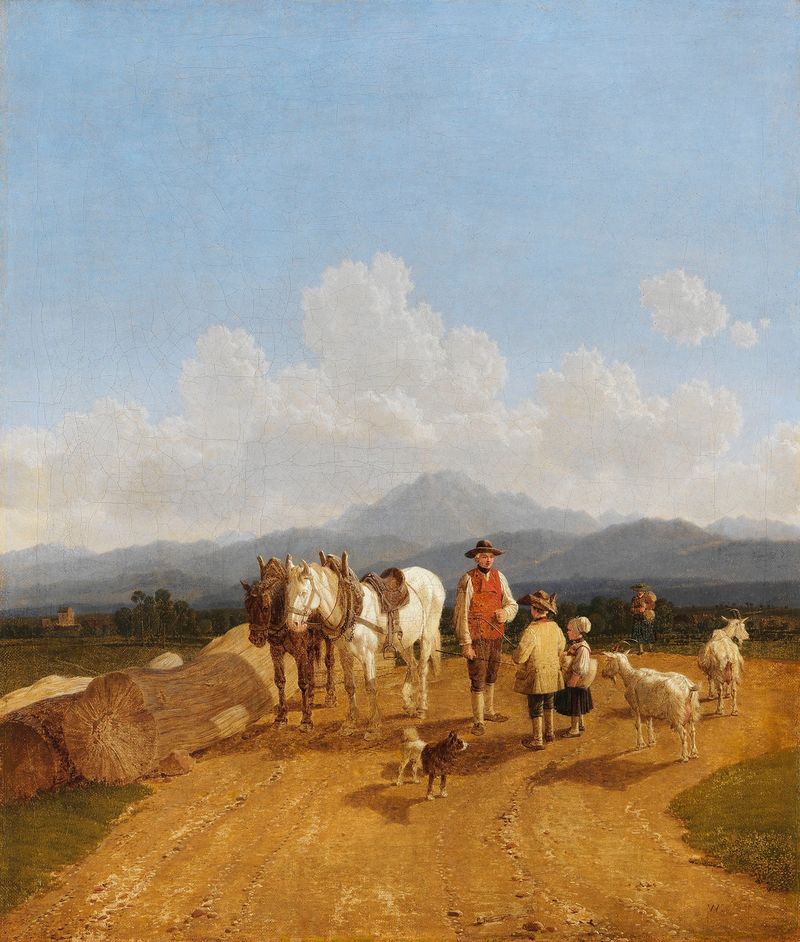
Bauer und Hirtenkinder in oberbayerischer Voralpenlandschaft
Wilhelm von Kobell

Begegnung auf der Landstrasse
Wilhelm von Kobell
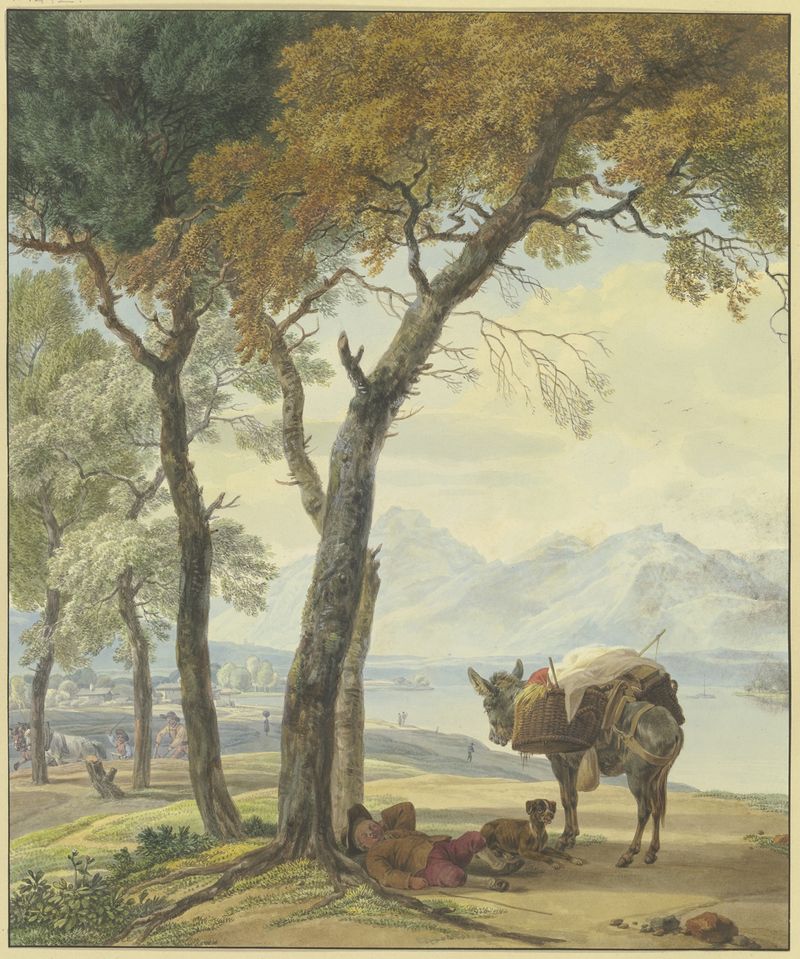
Schlafender Eseltreiber unter einer Baum an einem See
Wilhelm von Kobell





