
Der Postillon auf dem Weg nach Weilheim — History & Facts
What if silence could speak through light? In the stillness of the moment, the landscape unfolds with a tranquil beauty that invites introspection and faith. Look to the left at the figure of the postilion, poised atop his horse, as he threads his way along a serene path. His presence dominates the scene, rendered with meticulous attention to detail, while the gentle hues of green and gold wash the canvas in a warm embrace. Notice how the soft sunlight filters through the trees, casting dappled shadows that dance upon the earth, highlighting the journey ahead and the uncertainty that comes with it. The juxtaposition of the postilion's solitary ride against the expansive backdrop evokes a sense of quiet determination.
His steadfast form suggests a commitment to his path, while the surrounding wilderness hints at the unknown challenges that lie ahead. The painter captures this tension beautifully, balancing the tranquility of the moment with an underlying current of faith—faith in the journey, in the destination, and in the silent bond between man and nature. Wilhelm von Kobell created this piece in 1802, a period marked by the shifting tides of Romanticism in the art world. Emerging from a backdrop of personal exploration and a desire to depict nature's sublime beauty, Kobell's work reflects his own contemplations on life and the human experience.
As he painted in Germany, he was influenced by the growing appreciation for the emotional depth of landscapes, setting the stage for his poignant representations of man against nature.
More Artworks by Wilhelm von Kobell
Browse all →
Königsee with the Cliffs of St. Bartholomëe
Wilhelm von Kobell

Bauernwagen in bergiger Landschaft
Wilhelm von Kobell
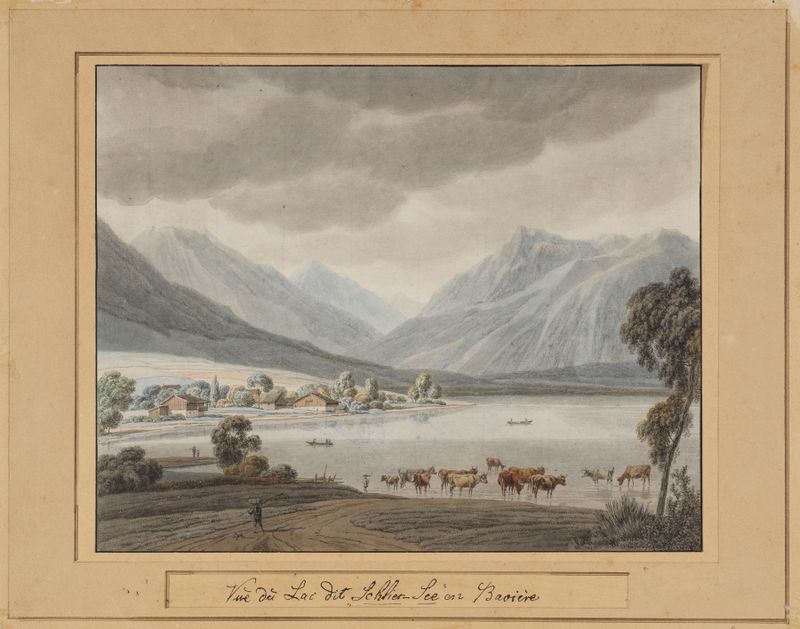
Schliersee
Wilhelm von Kobell
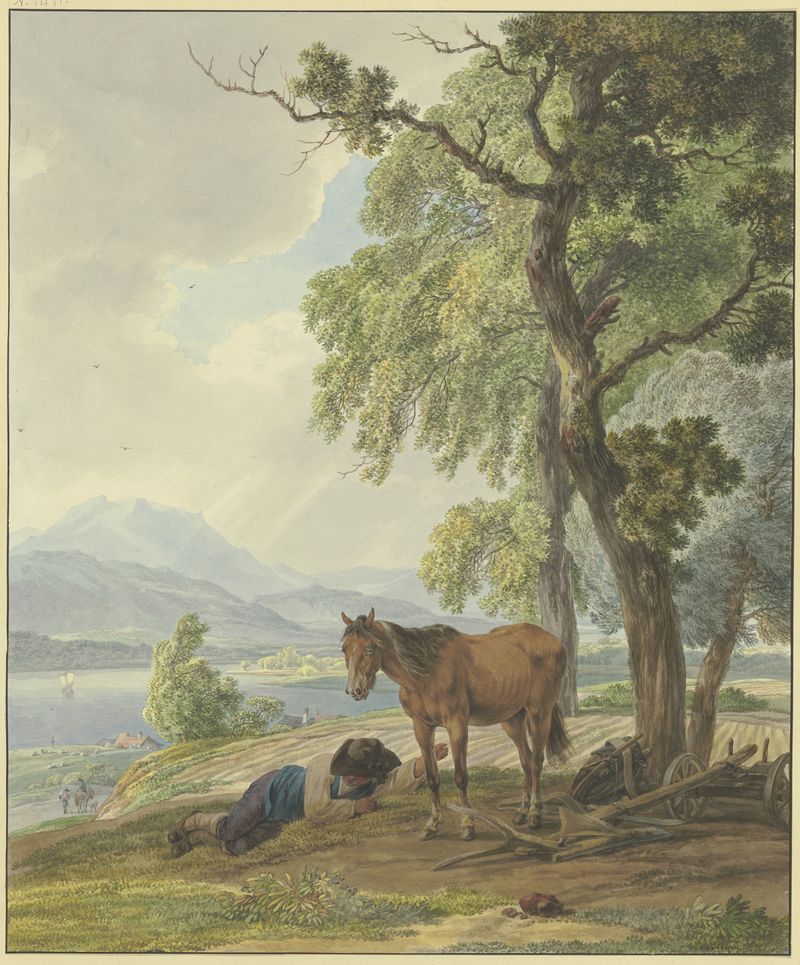
Ruhender Bauer mit seinem Pferd neben dem gepflügten Acker
Wilhelm von Kobell
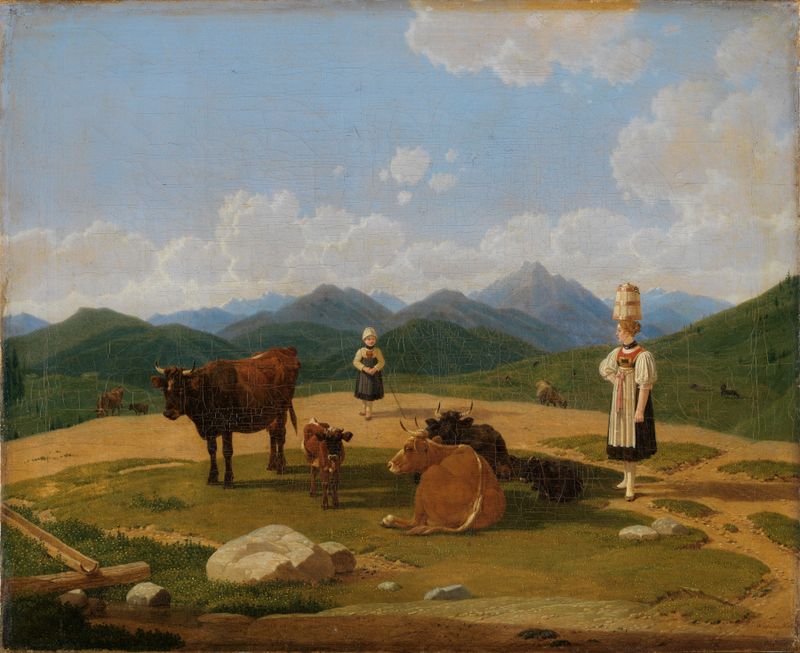
Auf der Alm
Wilhelm von Kobell
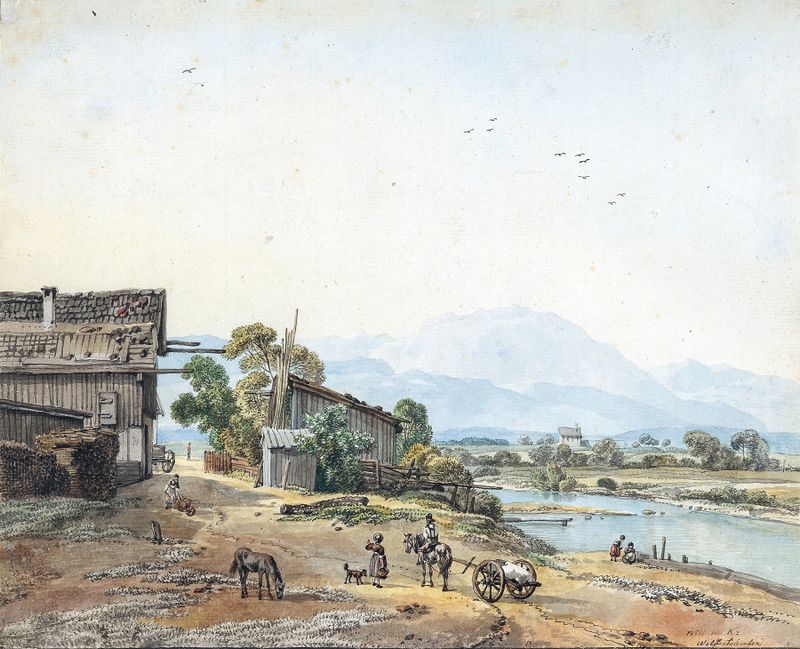
Wolfratshausen an der Loisach
Wilhelm von Kobell
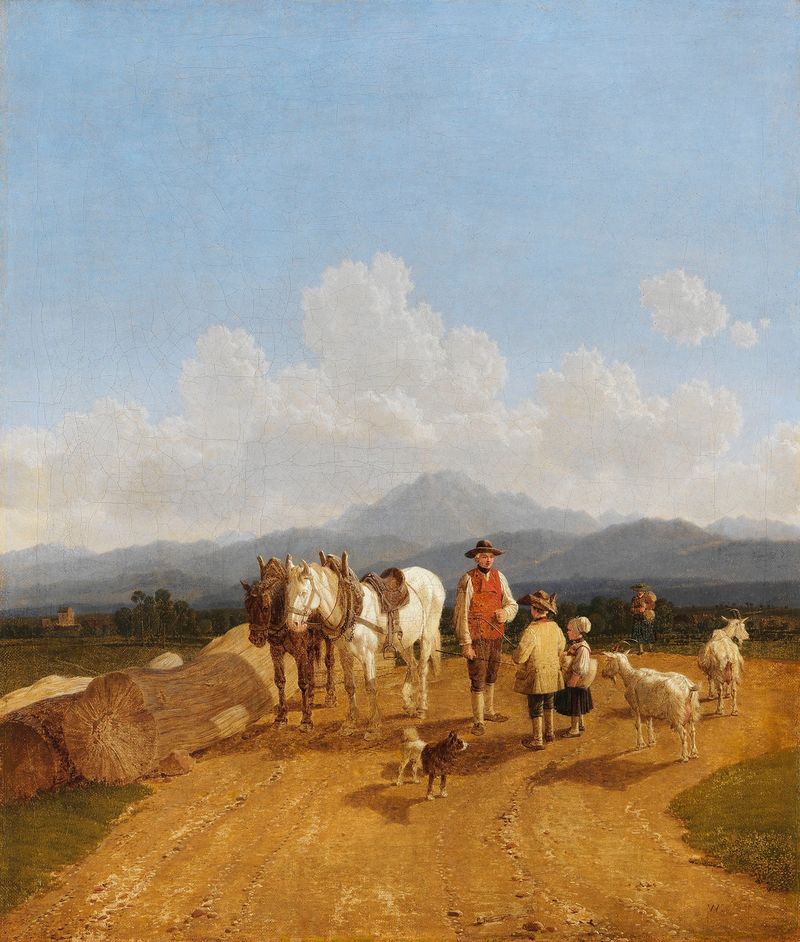
Bauer und Hirtenkinder in oberbayerischer Voralpenlandschaft
Wilhelm von Kobell

Begegnung auf der Landstrasse
Wilhelm von Kobell
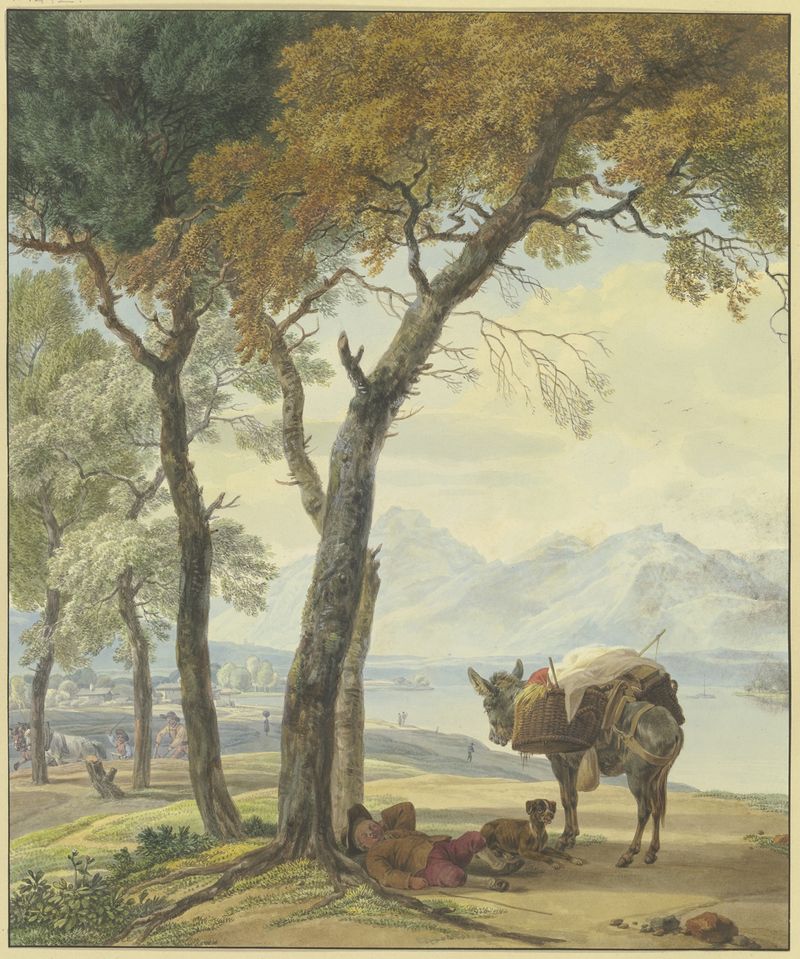
Schlafender Eseltreiber unter einer Baum an einem See
Wilhelm von Kobell
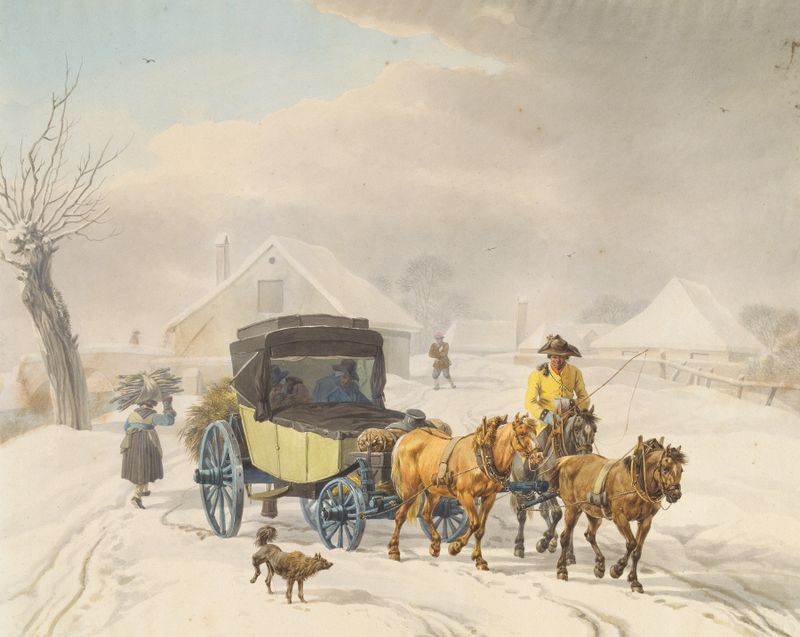
Stagecoach in Winter
Wilhelm von Kobell





