
Schliersee — History & Facts
In Schliersee, the artist invites us into a world where nature’s beauty becomes a mesmerizing illusion, blending reality with ethereal grace. Look to the center of the canvas, where the shimmering surface of the lake reflects the soft hues of dusk. Notice how the gentle undulations of the water mirror the sky's pastel colors, creating a seamless dance between elements. The surrounding mountains frame the scene, their textured surfaces evoking both solidity and fragility, while the trees stand sentinel, their deep greens grounding the composition in reality.
Each brushstroke articulates the landscape's tranquility, yet hints at the ephemeral nature of such beauty. Delve deeper into the work, and you’ll find a narrative woven through the contrasts of light and shadow. The bright highlights on the lake evoke warmth and joy, while the darker shades in the foliage suggest hidden depths of emotion. This interplay creates a tension between the viewer's desire to linger and the inevitable passage of time—a reminder that such moments are fleeting.
Here, the illusion of peace masks an underlying complexity, as nature itself is a delicate balance of beauty and transience. Wilhelm von Kobell painted Schliersee in the early 19th century, during a period marked by a burgeoning interest in Romanticism. Working in Germany, he sought to convey the profound emotional responses elicited by the natural world. This painting reflects his dedication to capturing not just a landscape, but the essence of experience itself, amidst shifting artistic ideals and societal changes.
More Artworks by Wilhelm von Kobell
Browse all →
Der Postillon auf dem Weg nach Weilheim
Wilhelm von Kobell

Königsee with the Cliffs of St. Bartholomëe
Wilhelm von Kobell

Bauernwagen in bergiger Landschaft
Wilhelm von Kobell
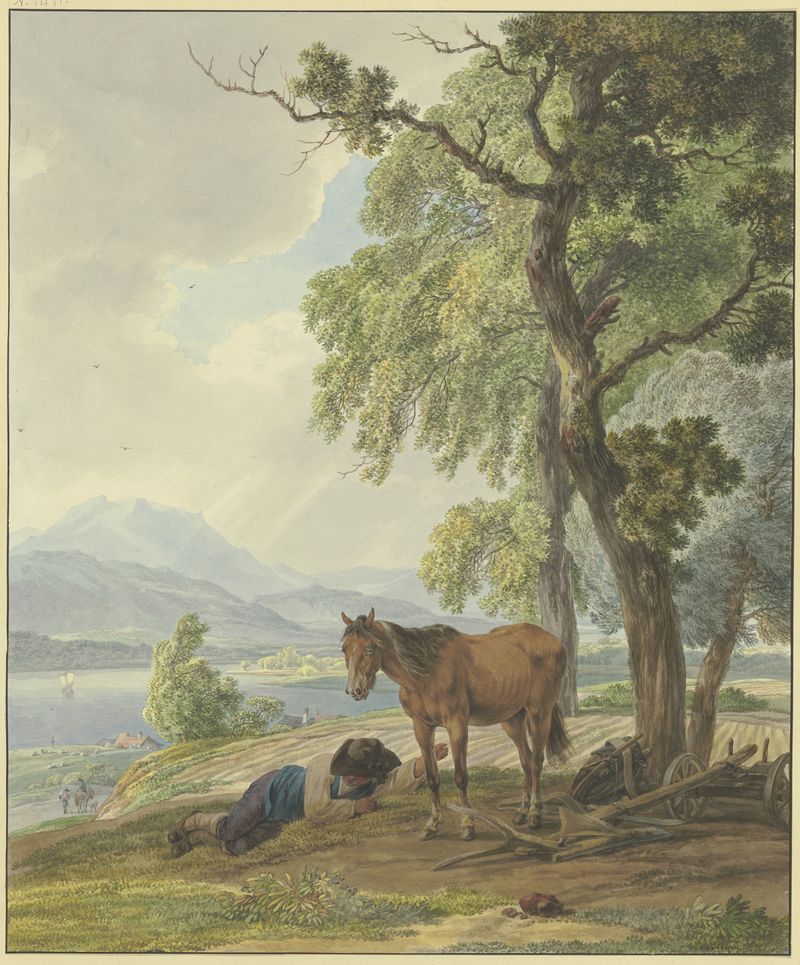
Ruhender Bauer mit seinem Pferd neben dem gepflügten Acker
Wilhelm von Kobell
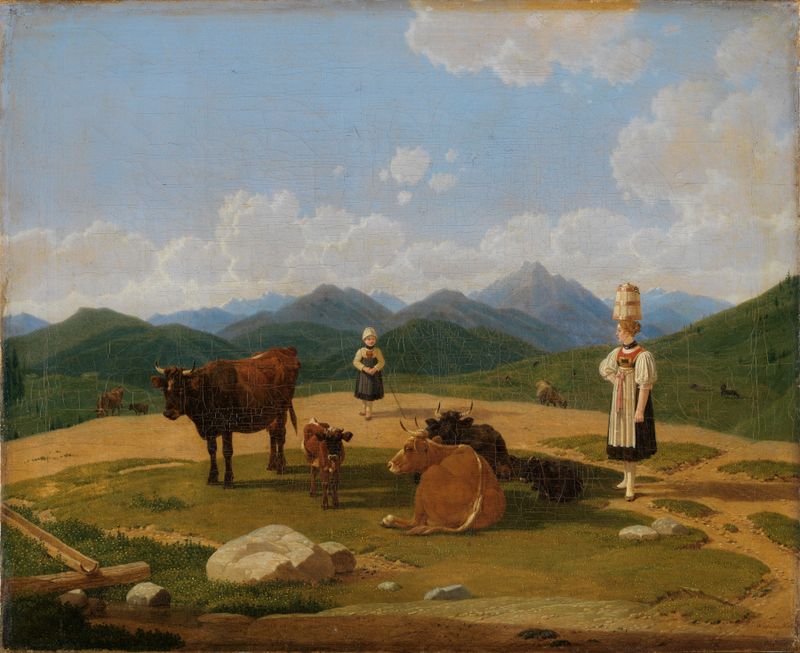
Auf der Alm
Wilhelm von Kobell
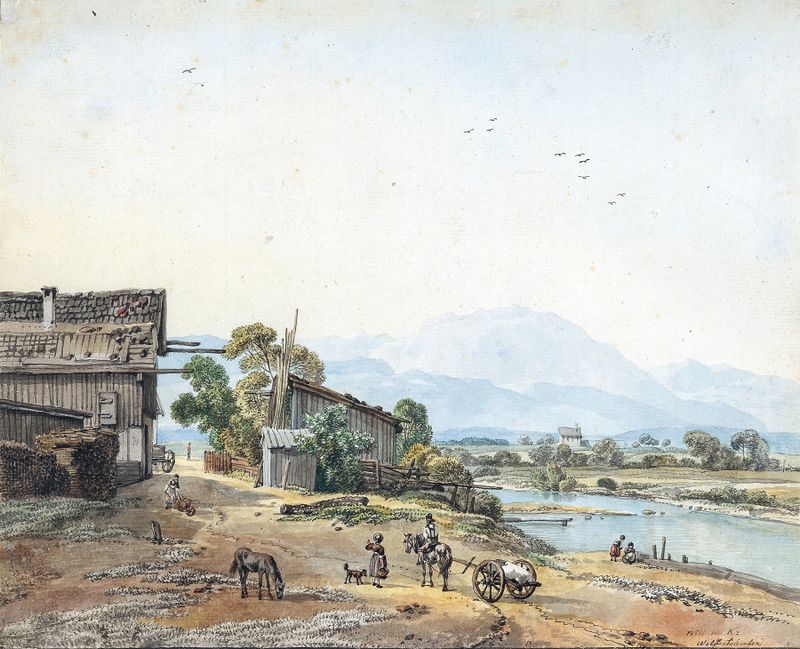
Wolfratshausen an der Loisach
Wilhelm von Kobell
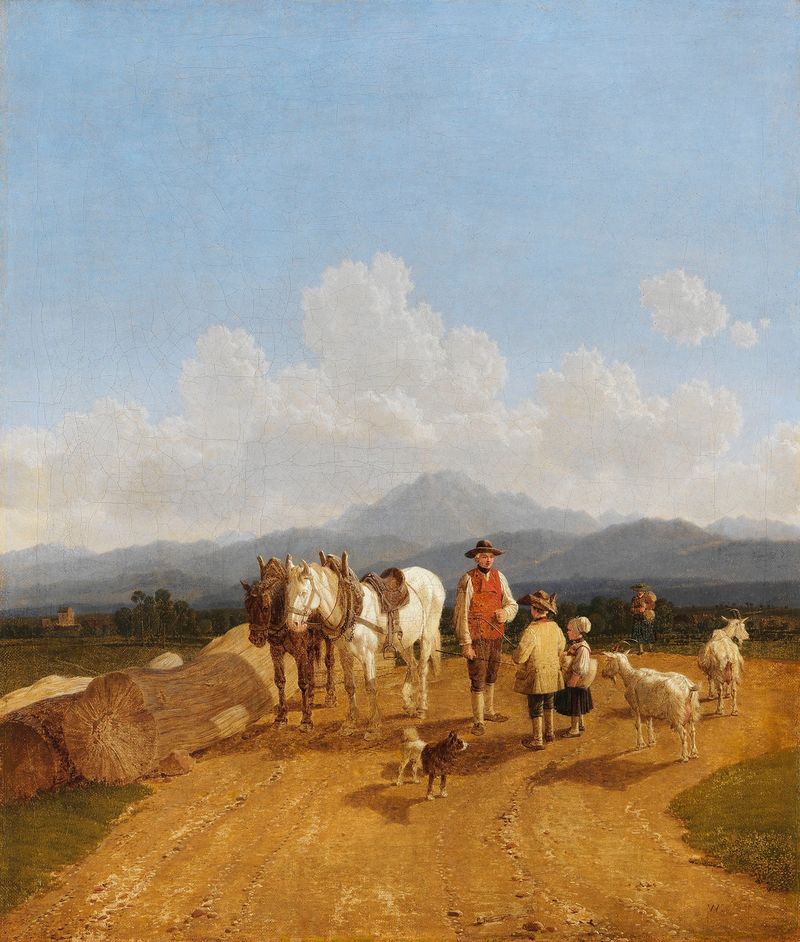
Bauer und Hirtenkinder in oberbayerischer Voralpenlandschaft
Wilhelm von Kobell

Begegnung auf der Landstrasse
Wilhelm von Kobell
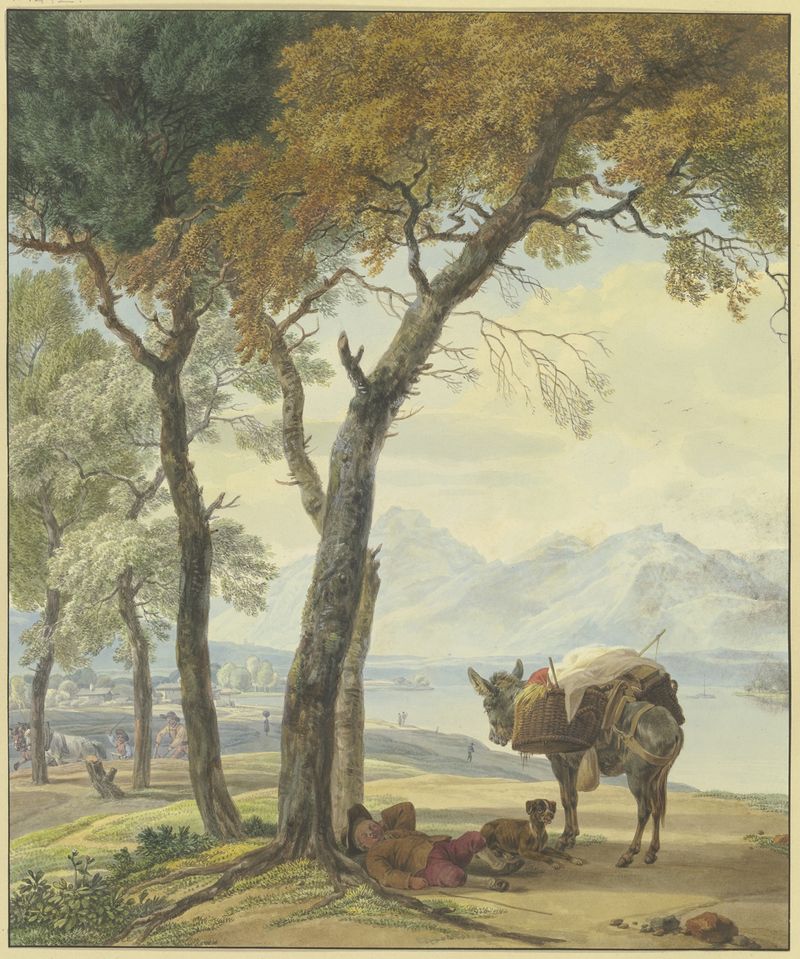
Schlafender Eseltreiber unter einer Baum an einem See
Wilhelm von Kobell
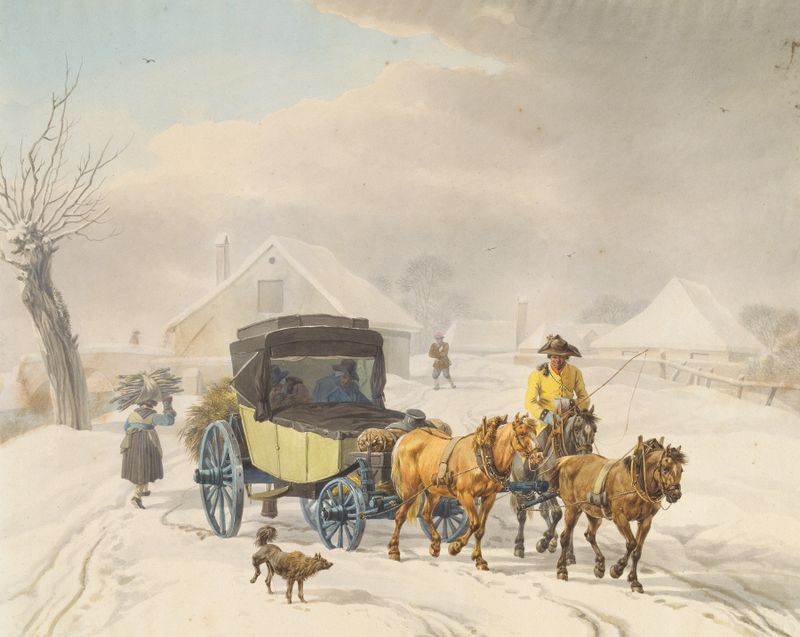
Stagecoach in Winter
Wilhelm von Kobell





