
Rekenkunde (Aritmetica) — History & Facts
In Rekenkunde (Aritmetica), the delicate balance of numbers and emotions paints a portrait of melancholic beauty, capturing the quiet struggle between intellect and spirit. Look to the left at the meticulous arrangement of mathematical symbols and instruments, where a scholar sits, deep in concentration. Notice how the warm, earthy tones of the background contrast with the cool blues and whites of the scholar's clothing, emphasizing his isolation in thought. The light cascades softly over his figure, illuminating the tools of his trade — a compass, a globe — which rest like silent witnesses to his inner turmoil. Hidden in the details is a tension between knowledge and the weight of existence.
While the scholar engages with the ordered realm of mathematics, his furrowed brow suggests an existential burden. The placement of the globe hints at a world vast yet distant, underscoring the isolation of the mind in pursuit of understanding. This juxtaposition evokes a sense of melancholy, as the pursuit of knowledge can simultaneously bring enlightenment and despair. Hans Sebald Beham painted Rekenkunde between 1510 and 1550, a time marked by the burgeoning Renaissance and the rise of humanism in Europe.
As a member of the Nuremberg school of printmaking, he was immersed in a world of intellectual fervor and religious upheaval, which informed much of his work. This piece reflects not only his technical skill but also his engagement with the complex emotions surrounding human inquiry in an ever-changing world.
More Artworks by Hans Sebald Beham
Browse all →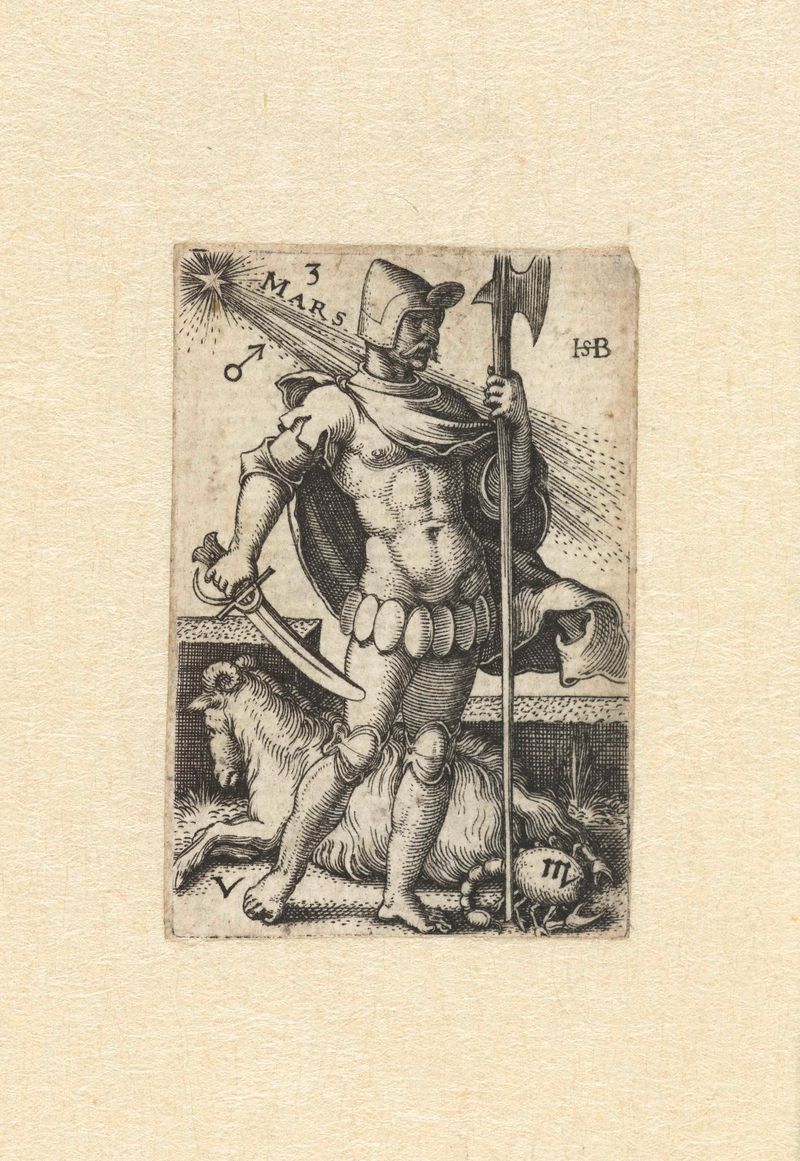
Mars met sterrenbeelden Ram en Schorpioen
Hans Sebald Beham

Achilles in gevecht met Hector
Hans Sebald Beham
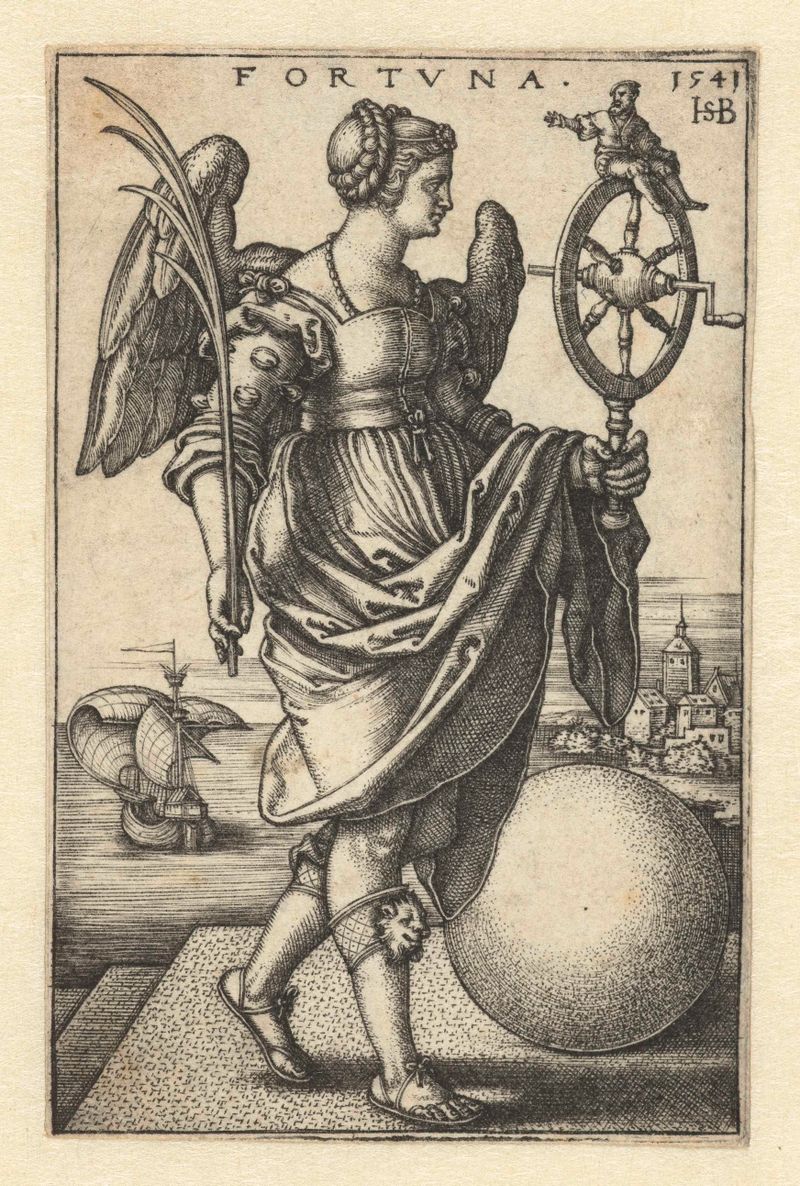
Fortuna
Hans Sebald Beham

Hercules worstelt met Antaeus
Hans Sebald Beham

Twee muzikanten met schalmey en doedelzak
Hans Sebald Beham

Voorzichtigheid (Prudentia)
Hans Sebald Beham

Hercules in gevecht met de Trojanen
Hans Sebald Beham
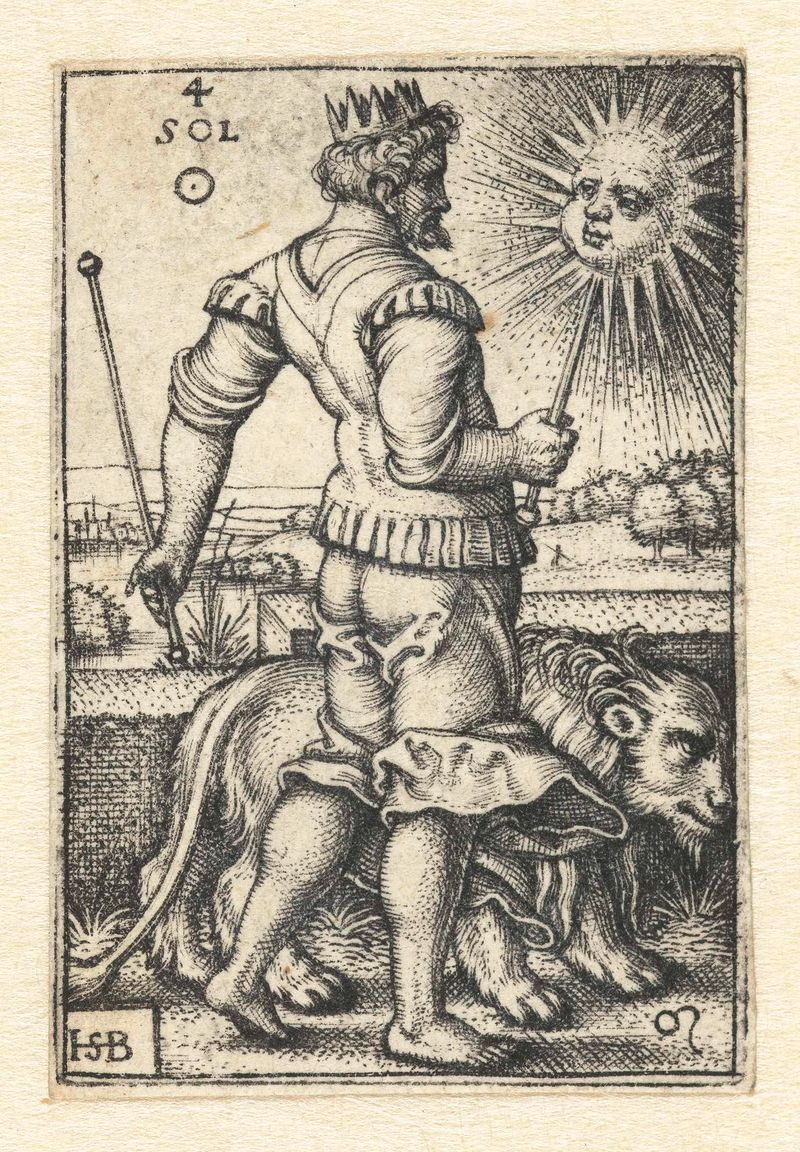
Apollo (Sol) met sterrenbeeld Leeuw
Hans Sebald Beham
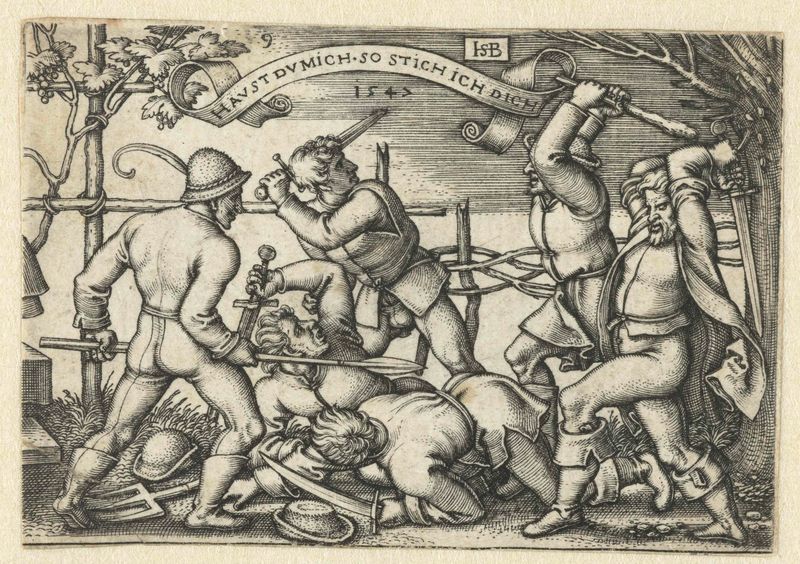
Vechtende boeren met zwaarden
Hans Sebald Beham
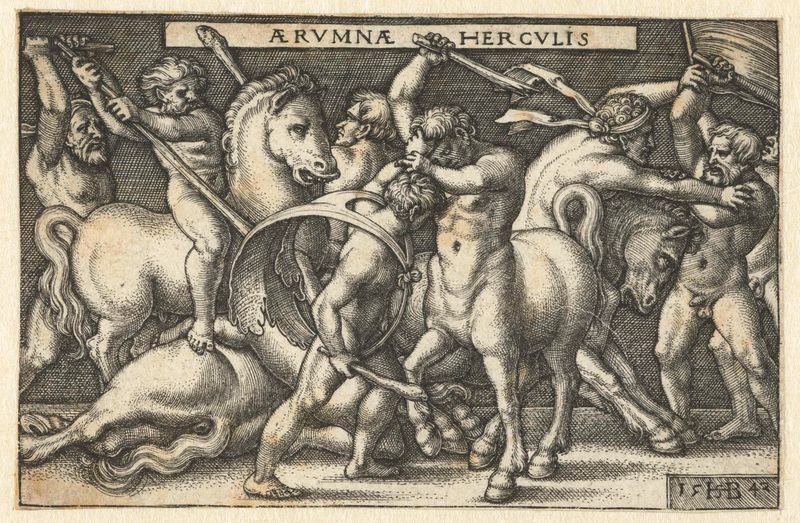
Hercules in gevecht met centaurs
Hans Sebald Beham





