
Rennweg Wien — History & Facts
In the delicate interplay of memory and existence, one finds a poignant reflection on mortality. Look to the center of the canvas, where the muted grays and browns converge to form a labyrinth of streets. The soft brushstrokes create a sense of movement, leading the viewer's eye toward the distant horizon. Notice how the light flickers between the buildings, casting elongated shadows that whisper of lives lived and lost.
Each corner of the scene is infused with a sense of quiet contemplation, inviting us to ponder the fleeting nature of time. As you absorb the details, consider the contrasts within the work: the stark geometry of the cityscape juxtaposed against the organic forms of nature peeking through. This duality suggests an ongoing dialogue between man-made structures and the inevitability of decay. The absence of figures amplifies the feeling of solitude, hinting at the stories of those who once filled these streets, now reduced to specters of the past.
The painting captures not just a moment, but a lingering sense of absence and longing. Created in the early 20th century, Rennweg Wien emerged during a time when Ernst Graner was deeply engaged with the evolving art movements of Europe. Living in Vienna, he navigated a world marked by rapid industrialization and a shifting cultural landscape. The painting reflects his exploration of urban life and memory, a meditation on how spaces inhabit our consciousness long after they have changed or disappeared.
More Artworks by Ernst Graner
Browse all →
The Departure of Emperor Francis Joseph, near the Schweizertor in Hofburg residence
Ernst Graner

Old Albrechtsplatz (today Albertinaplatz) in Vienna with the Philipphof and the Mozart monument
Ernst Graner
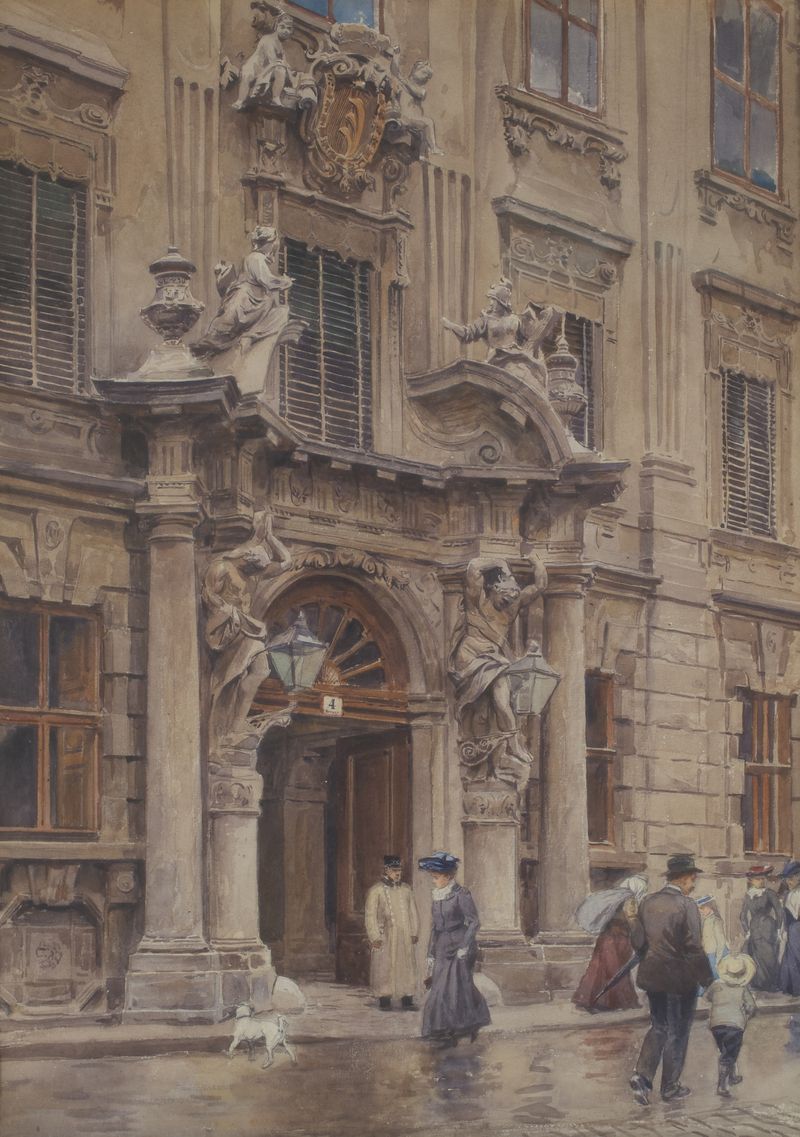
Das Portal Des Palais Kinsky
Ernst Graner
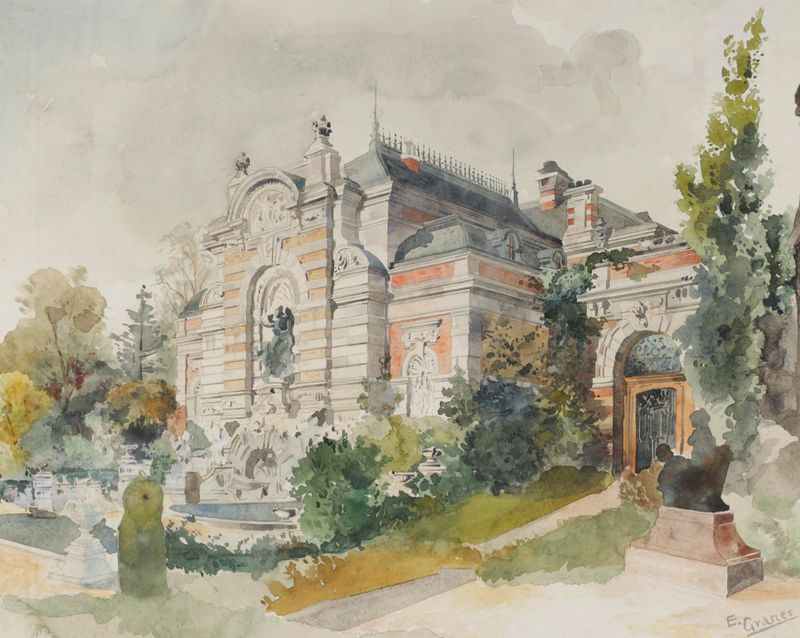
Villa in einem Park
Ernst Graner

Karlskirche
Ernst Graner

Kaiser Franz Joseph überquert den Naschmarkt
Ernst Graner

Palais des Prinzen Eugen in der Himmelpfortgasse
Ernst Graner

Die Schwendergasse In Wien Mit Schwenders Colosseum
Ernst Graner
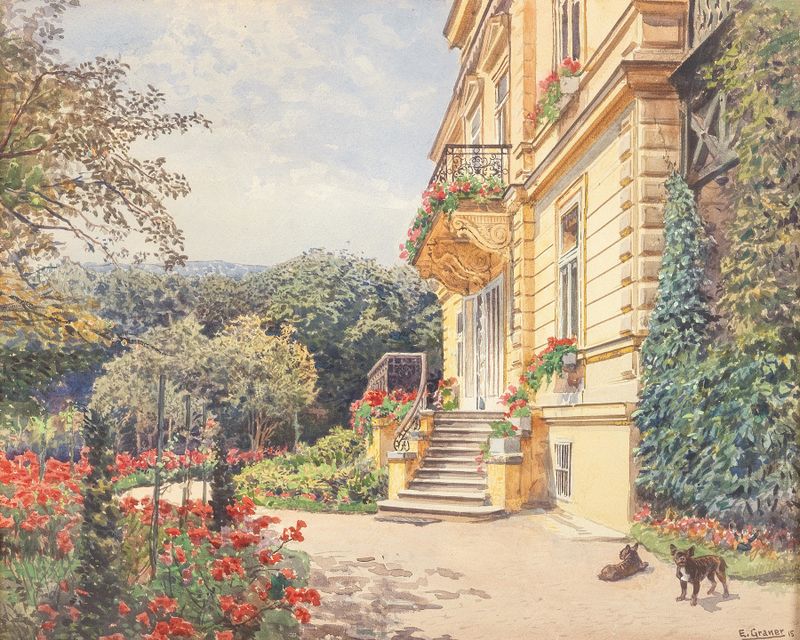
Villa in gepflegtem Garten
Ernst Graner
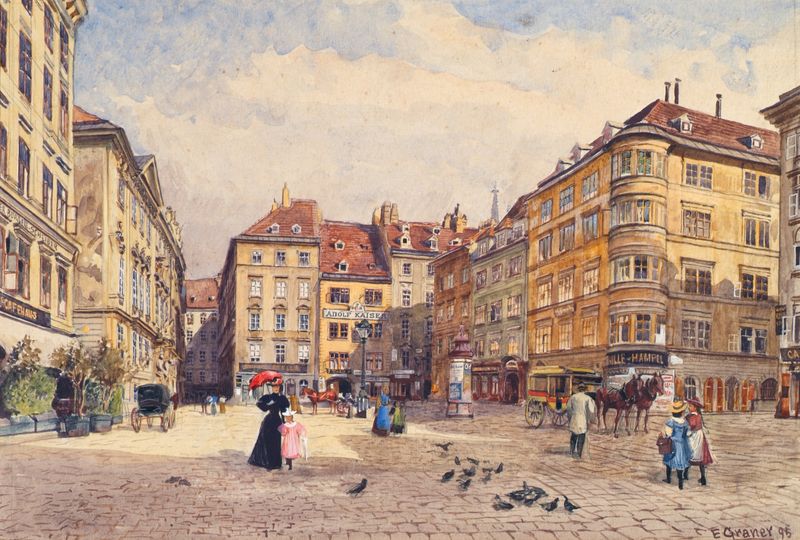
Der Judenplatz In Wien
Ernst Graner





