
Rescue of Tatar Captives — History & Facts
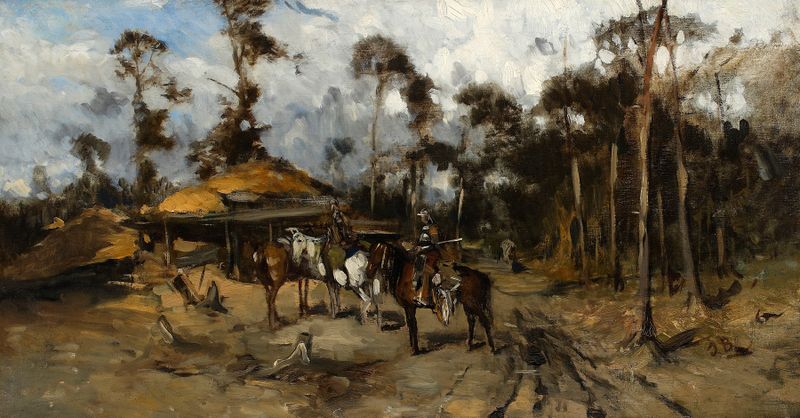
In the frenzy of human conflict, it is the brush that often captures the madness that words cannot express, a silent witness to the chaos that rages beyond our comprehension. Focus on the bold figures in the foreground; they almost leap from the canvas, infused with a sense of urgency. The intricate details of their clothing, the rich hues of ochres and reds, draw the viewer's gaze instantly. Notice the juxtaposition of light and shadow, which highlights the intense expressions on their faces—fear, defiance, and determination colliding in a visceral display.
The frenetic brushwork seems to echo a moment caught in time, as if the very air vibrates with the tension of rescue or despair. Within the tumultuous scene, hidden layers of meaning emerge. The captives’ desperate plight contrasts sharply with the resolute figures of their saviors, suggesting a larger commentary on freedom and bondage. The artist masterfully employs color and composition to evoke the precarious balance between hope and despair, reminding us that in times of crisis, the line between madness and clarity is often razor-thin.
Each gesture and expression speaks volumes, inviting introspection about the human condition in times of upheaval. Jozef Brandt painted Rescue of Tatar Captives in 1878 while living in Poland, a period of great political strife and national identity formation. At that time, the art world was undergoing significant changes, embracing realism and romanticism. Brandt's work reflected the growing interest in dramatic historical narratives, often focusing on themes of heroism and sacrifice amid the backdrop of a tumultuous era.
More Artworks by Jozef Brandt
Browse all →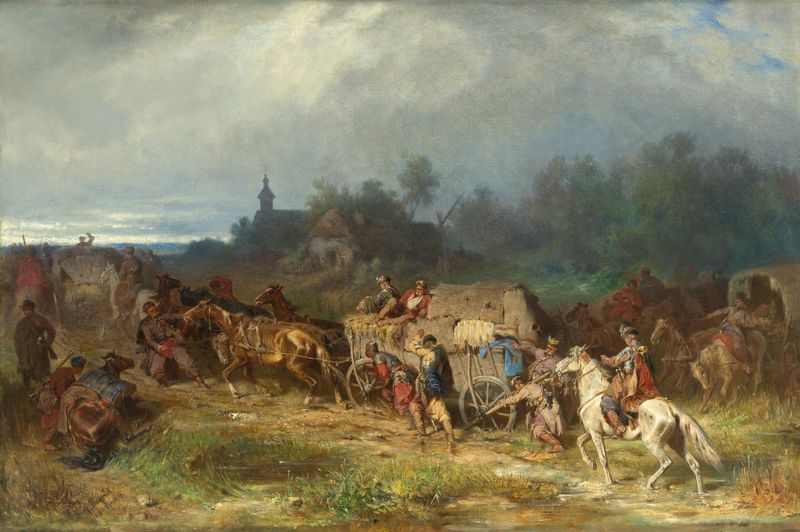


More Historical Art
Browse all →
The Night Watch Militia Company of District II under the Command of Captain Frans Banninck Cocq
Rembrandt van Rijn
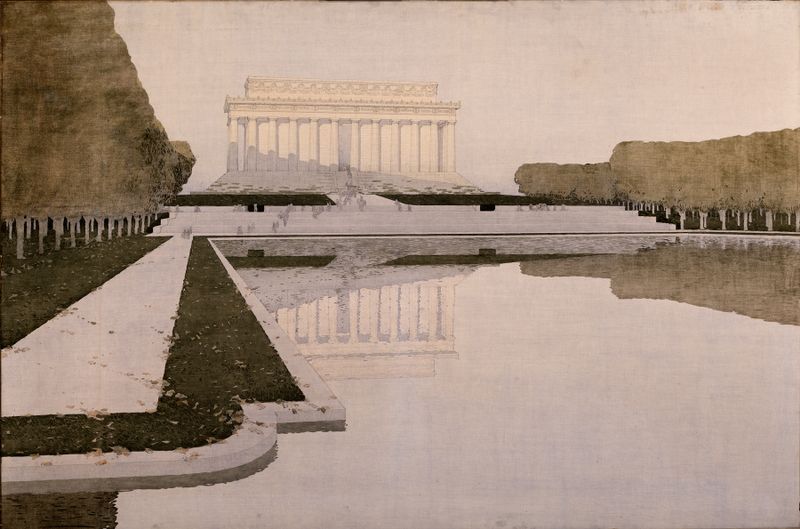
Lincoln Memorial
Henry Bacon
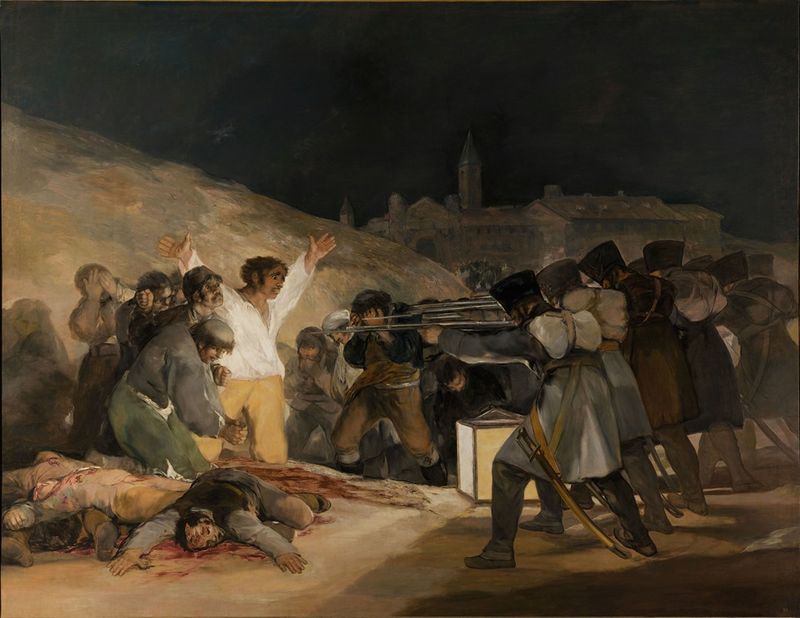
The Third of May 1808
Francisco de Goya

Isaac and Rebecca, Known as ‘The Jewish Bride’
Rembrandt van Rijn
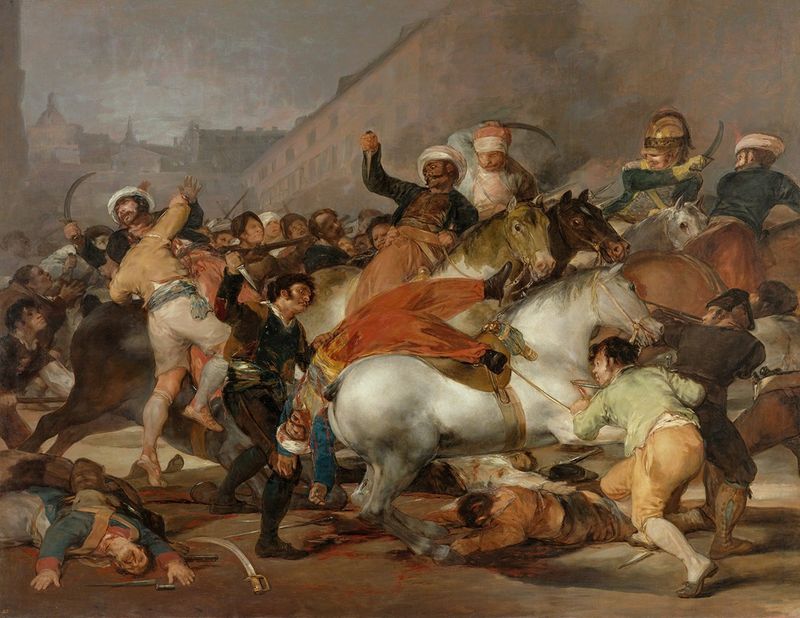
The Charge of the Mamelukes (1814)
Francisco de Goya

De vier ruiters van de apocalyps
Albrecht Dürer