
Resten van Zeus Olympus tempel bij Agrigento — History & Facts
In a world where grandeur and decay intertwine, the remnants of ancient majesty beckon us to contemplate past glories and future uncertainties. Look to the right at the towering columns, their weathered surfaces telling tales of time's relentless passage. The artist's masterful use of chiaroscuro brings depth to the temple ruins, bathing them in a soft, ethereal light that contrasts sharply with the shadowy silhouettes of distant hills. The palette, a delicate blend of muted earth tones and soft pastels, evokes a sense of wistfulness, drawing the viewer into an intimate dialogue with history captured on canvas. Amidst the tranquil setting lies a profound tension; the ruins symbolize both the splendor of a once-great civilization and the inevitable decline that follows.
The juxtaposition of the sturdy columns against the fragile, fading hues invites contemplation of the transience of beauty and power. Each brushstroke carries the weight of time, suggesting that even in decay, there is a poignant grace, as if the past whispers its secrets through the silence. In 1778, while living in Rome, Ducros painted this work during a time when Neoclassicism was gaining momentum as artists sought inspiration from antiquity. The focus on classical ruins reflected the Enlightenment’s ideals, as the artist navigated the tension between romanticism and rational thought, ultimately capturing the essence of transcendence through the remnants of Zeus’s temple.
More Artworks by Abraham-Louis-Rodolphe Ducros
Browse all →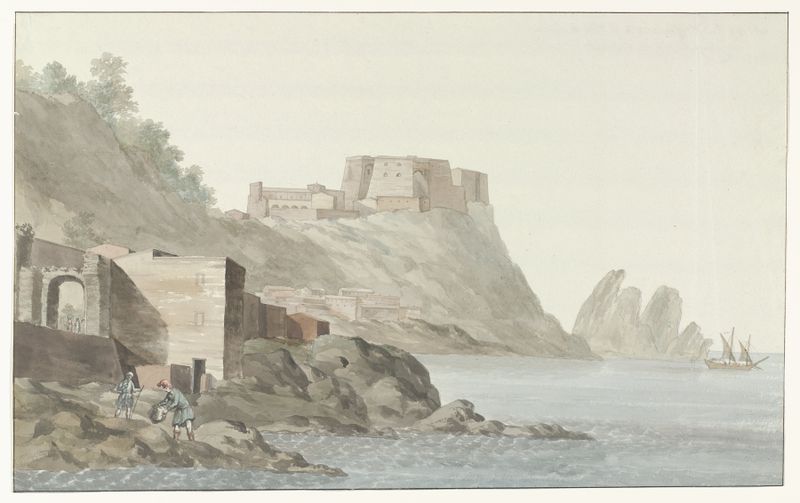
Rots en stad Scilla in de regio Calabrië aan de oostkust
Abraham-Louis-Rodolphe Ducros
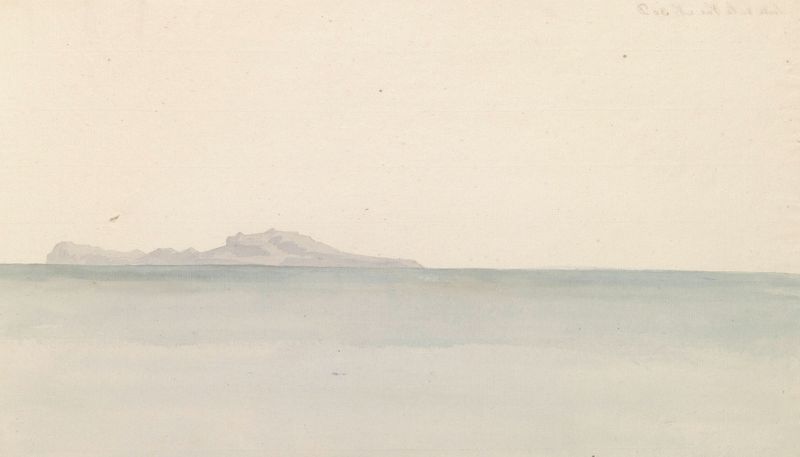
Gezicht op Golf van Napels vanaf kade bij kerk Santa Maria del Carmine
Abraham-Louis-Rodolphe Ducros
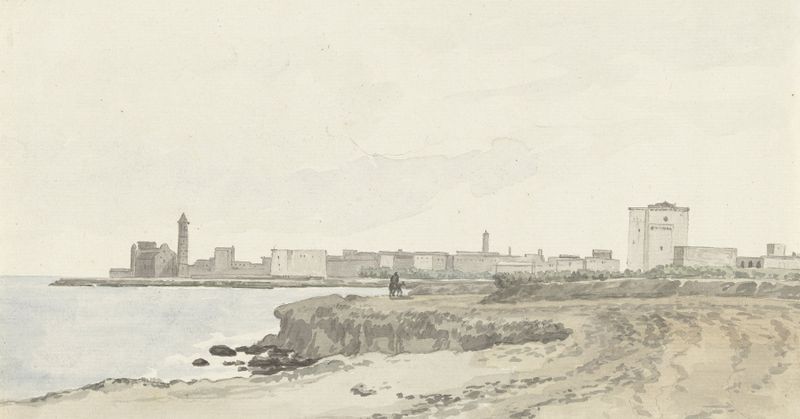
Gezicht op Trani gelegen aan de kust
Abraham-Louis-Rodolphe Ducros
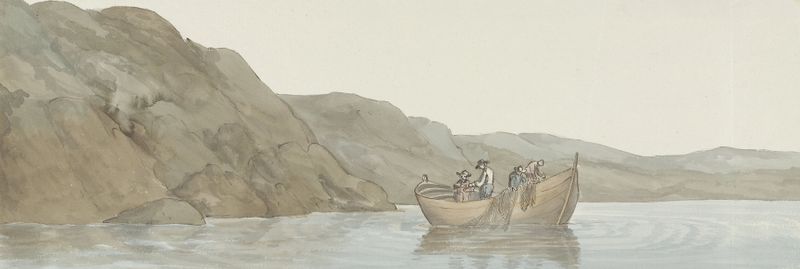
Gezicht op Kaap Paceco in Calabrië nabij de stad Scilla
Abraham-Louis-Rodolphe Ducros
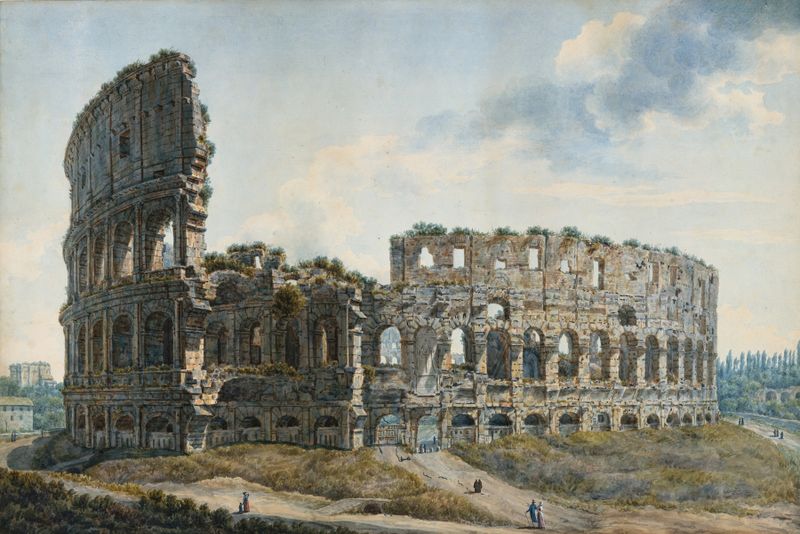
The Colosseum, Rome.
Abraham-Louis-Rodolphe Ducros
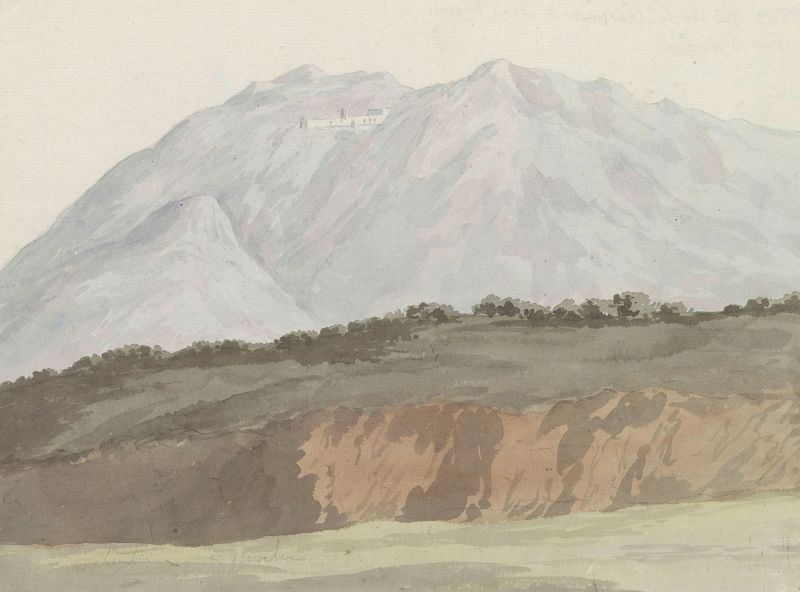
Gezicht op kartuizerklooster van Monte Vergine hoog gelegen boven Avellino
Abraham-Louis-Rodolphe Ducros
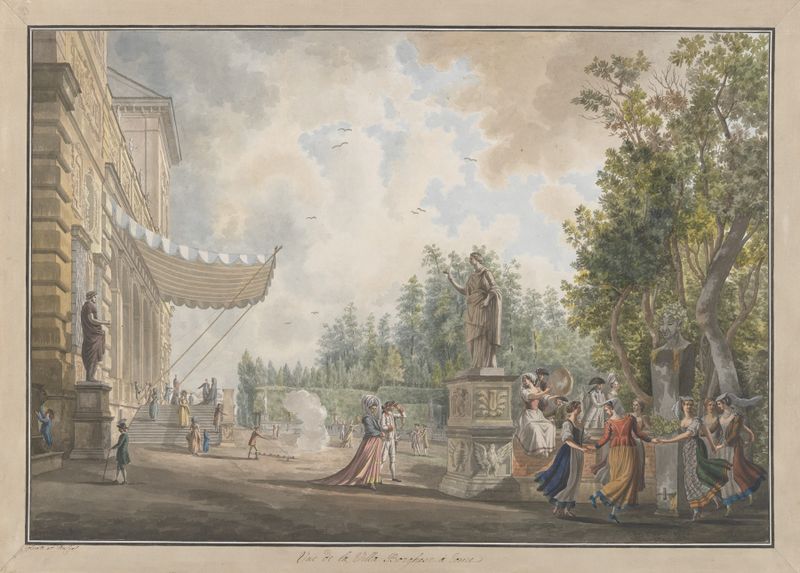
Villa Borghese
Abraham-Louis-Rodolphe Ducros
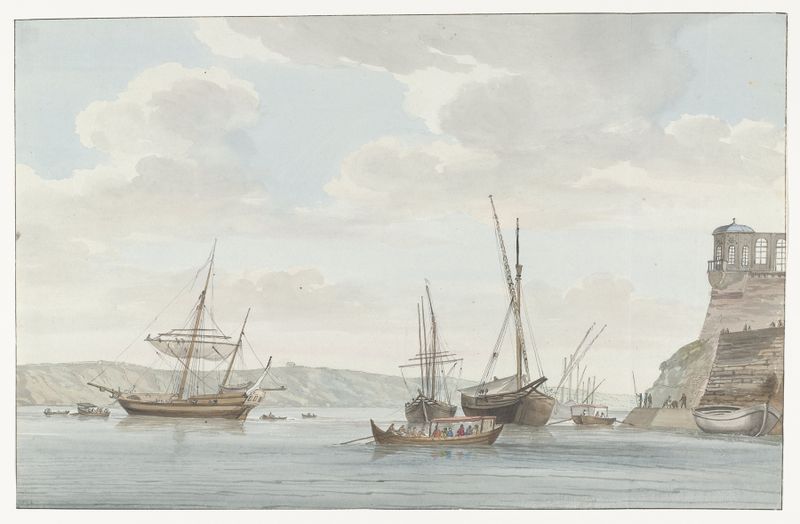
Tuinhuis van de Jardin du Grand Maître uittorend boven de haven met galei schepen op Malta
Abraham-Louis-Rodolphe Ducros
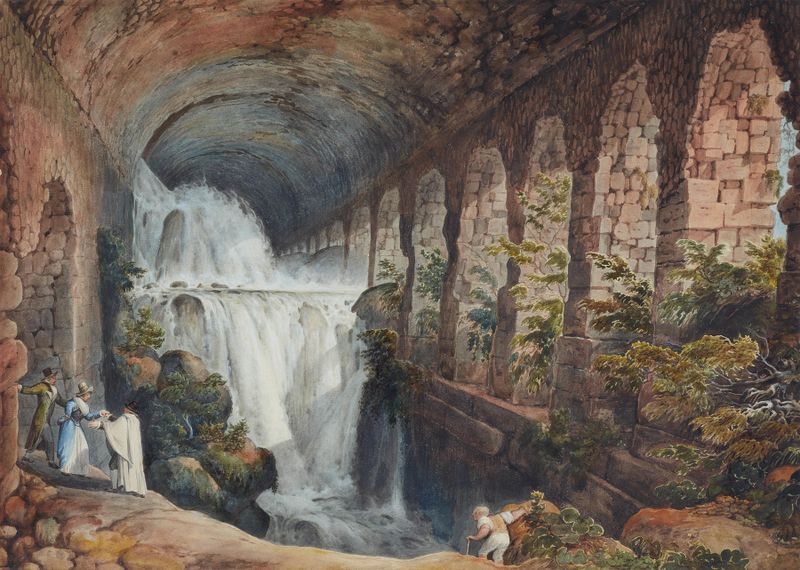
Aquädukt unter der Villa des Maecenas in Tivoli
Abraham-Louis-Rodolphe Ducros
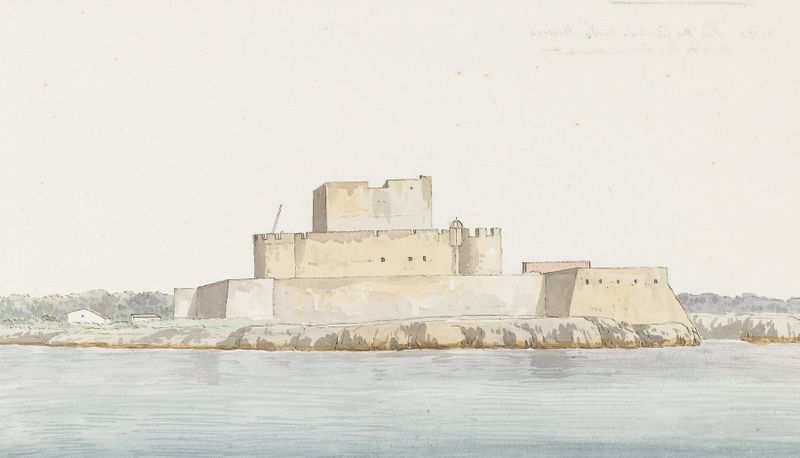
Gezicht op kasteel van San Mauro la Bruca vanaf zee bij aankomst
Abraham-Louis-Rodolphe Ducros
More Architecture Art
Browse all →
The statue of Liberty
Frédéric Auguste Bartholdi

View of Houses in Delft, Known as ‘The Little Street’
Johannes Vermeer

View of Houses in Delft, Known as ‘The Little Street’
Johannes Vermeer

The Cathedral in Rouen. The portal, Grey Weather
Claude Monet

The yellow house
Vincent van Gogh

The Church in Auvers-sur-Oise, View from the Chevet
Vincent van Gogh