
Retour du Bois — History & Facts
In a world where the ephemeral dances delicately with the eternal, how do we grasp the weight of existence? Look closely at the interplay of shadow and light in Retour du Bois. The muted earth tones envelop the figures, drawing your gaze first to the central woman, her weary posture telling a story of labor and sacrifice. Notice how the light gently bathes her face, illuminating both the strength and vulnerability etched in her features.
The surrounding trees stand sentinel, their dark forms contrasting against the softer hues of her clothing, as if guarding her moment of reflection. Delve deeper into the nuances: the basket at her feet suggests a day’s toil, while the distant figures blur, hinting at an uncharted journey. The depth of the woods hints at life’s uncertainties, the path less traveled perhaps a metaphor for the cycle of existence and the inevitable return to nature. The tension between toil and tranquility resonates with the viewer, reminding us of the beauty that lies in our struggles and the fleeting nature of time. In 1890, Auguste Louis Lepère was navigating the shifting tides of the French art scene, influenced by Impressionism yet grounded in a realist perspective.
Living in Paris, he was immersed in a world grappling with modernity, where traditional values were being questioned. It was in this backdrop of change that he painted Retour du Bois, capturing the enduring spirit of humanity amidst the complexities of life and mortality.
More Artworks by Auguste Louis Lepère
Browse all →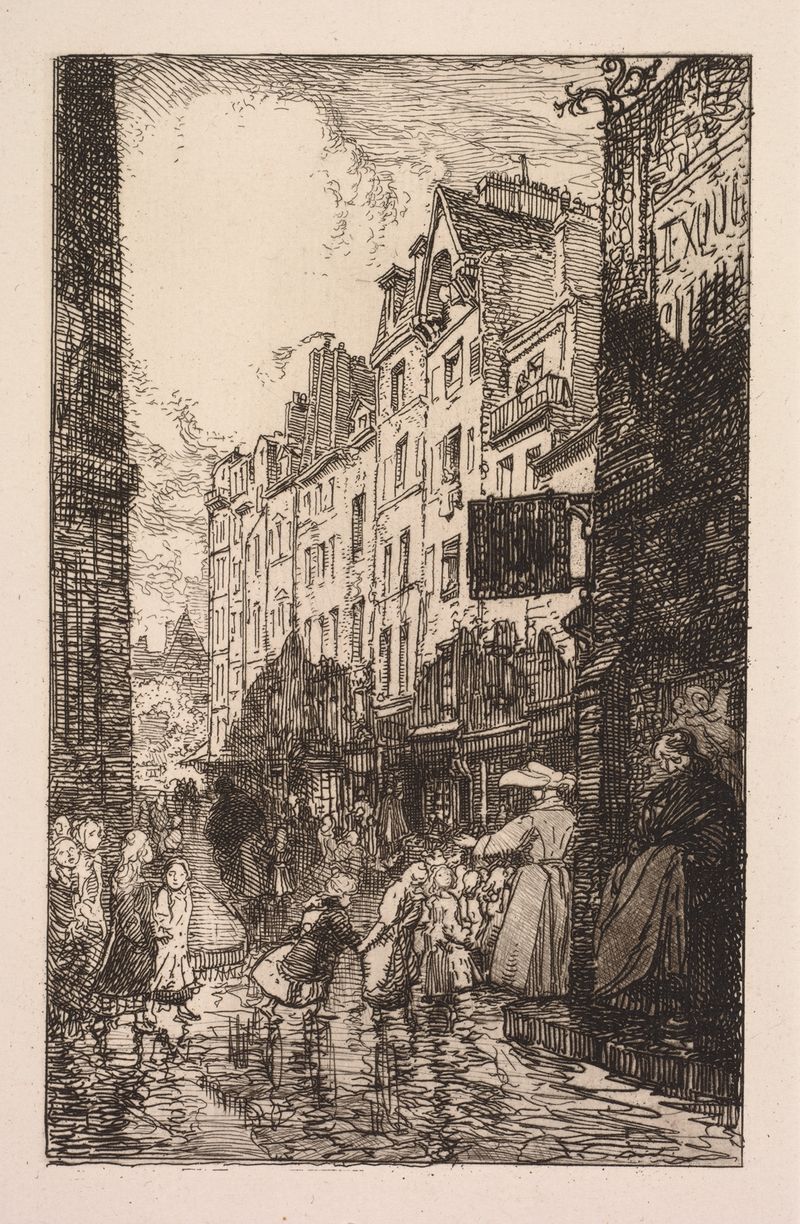
La Rue des Prêtres Saint-Séverin
Auguste Louis Lepère
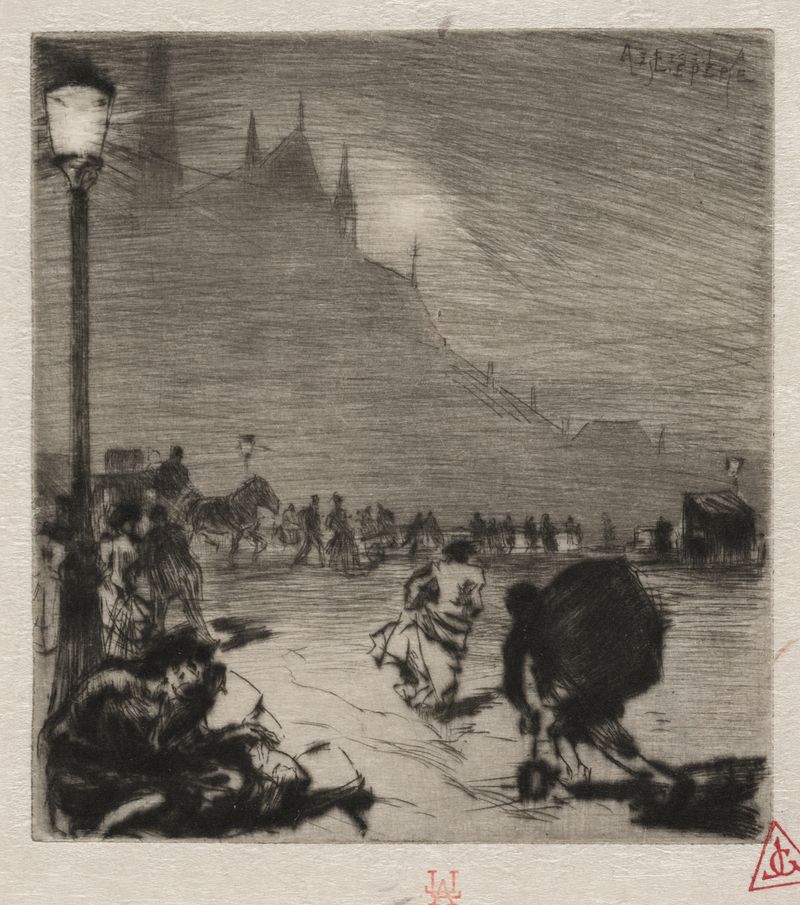
Au Coin du Pont-aux-Doubles
Auguste Louis Lepère
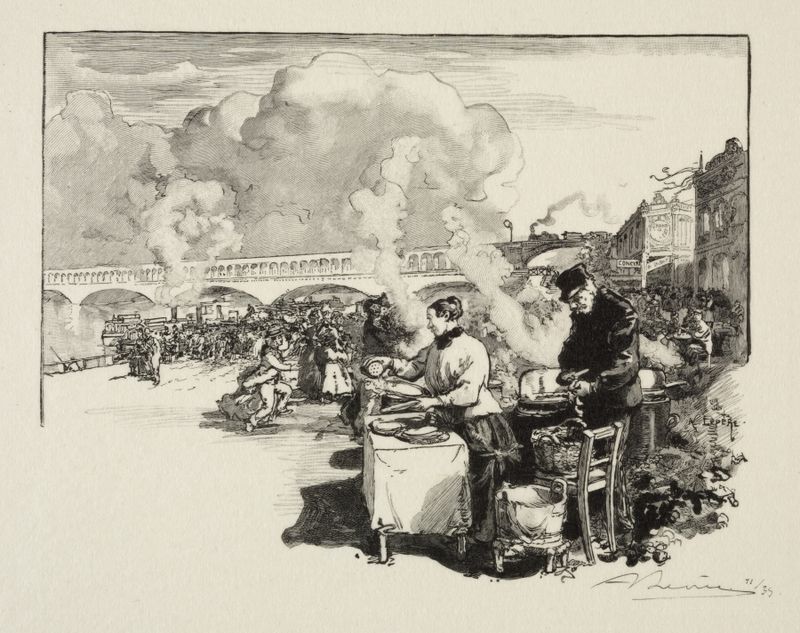
Debarcadère des bateaux-omnibus
Auguste Louis Lepère

La Seine, au quai de la Rapée
Auguste Louis Lepère
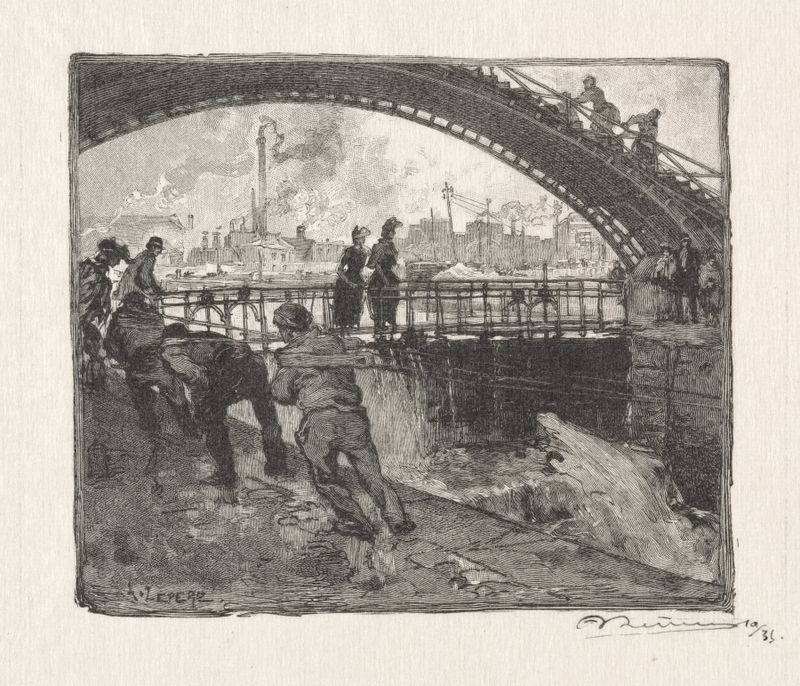
L’Ecluse du Canal St. Martin
Auguste Louis Lepère

Le Boulevard Montmartre, le Soir
Auguste Louis Lepère

Une Chasse au Mont Gérard
Auguste Louis Lepère
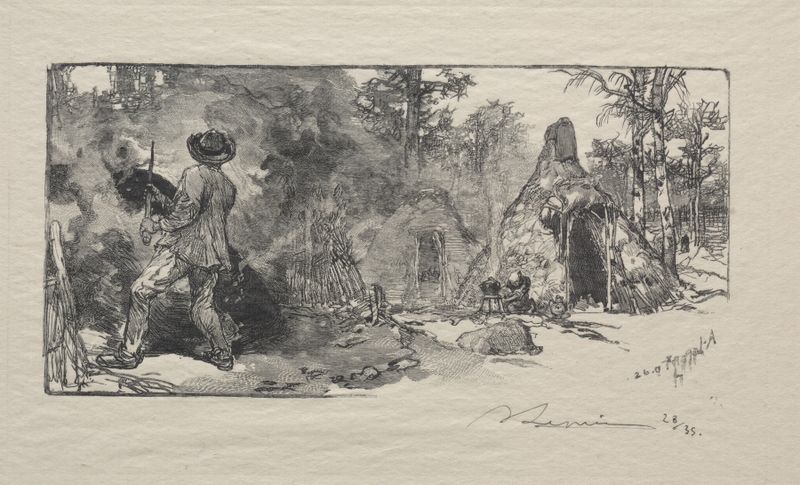
Les Charbonniere
Auguste Louis Lepère
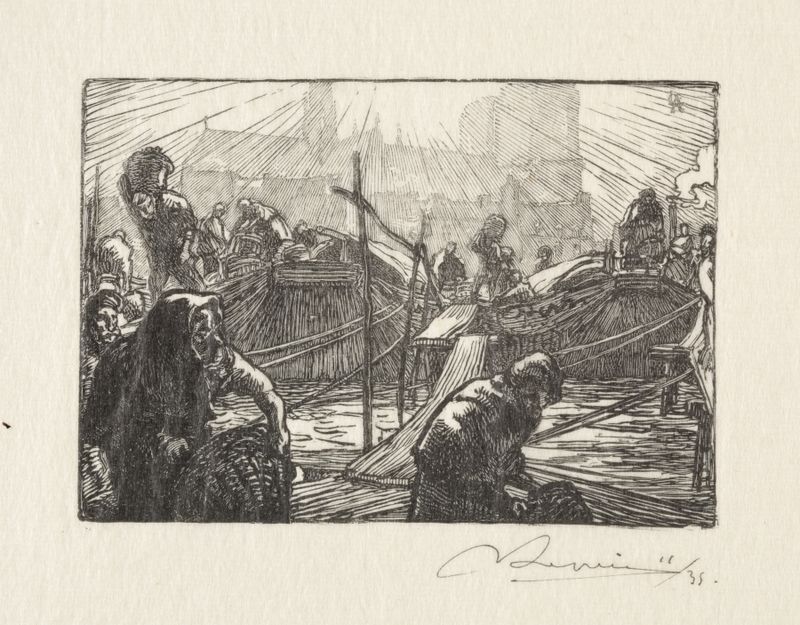
Notre Dame vue du Marché aux pommes
Auguste Louis Lepère

Le Palais des Arts Liberaux, Intèrieur
Auguste Louis Lepère





