Returning from the Fields — History & Facts
In 1871, Jules Breton exhibited Returning from the Fields at the Paris Salon, where it drew immediate attention for its dignified portrayal of rural life—an approach that set him apart from many of his contemporaries. Unlike the more romanticized visions of peasant life popular in earlier decades, Breton insisted on showing the quiet heroism of everyday laborers, a choice that critics noted as both modern and compassionate. The painting became so admired that it inspired several replicas and engravings, helping to cement Breton’s reputation as the leading voice of the Realist movement in northern France.
Its popularity even reached across the Channel, influencing British painters of rural scenes. The moment Breton chose to capture is the end of a long day’s toil: a group of women, still carrying their tools, walk homeward through the fading light. Their faces are not downcast but resolute, their bodies upright despite fatigue. The golden haze of sunset bathes the fields and the figures, transforming the mundane act of returning home into a quiet procession.
The sheaves of wheat and sickles they carry speak directly to the harvest season, while the subtle interplay of light and shadow gives the scene a sense of both realism and respect. Unlike Jean-François Millet’s The Gleaners, which focuses on the hardship of labor, Breton’s work emphasizes dignity and community among the workers. The exact medium of Returning from the Fields is not always specified in records, though oil on canvas was Breton’s favored technique. The painting’s early history is typical of Salon successes: quickly acquired by a private collector, it circulated among French and later international collections, often featured in exhibitions on rural life and Realism.
Today, it remains one of Breton’s most recognized works, a testament to his lifelong commitment to honoring the rural poor. For Breton, who grew up in the countryside of Courrières, scenes like this were not mere subjects but lived experience—his paintings are as much documentary as they are art.
More Artworks by Jules Breton

The Song of the Lark
Jules Breton
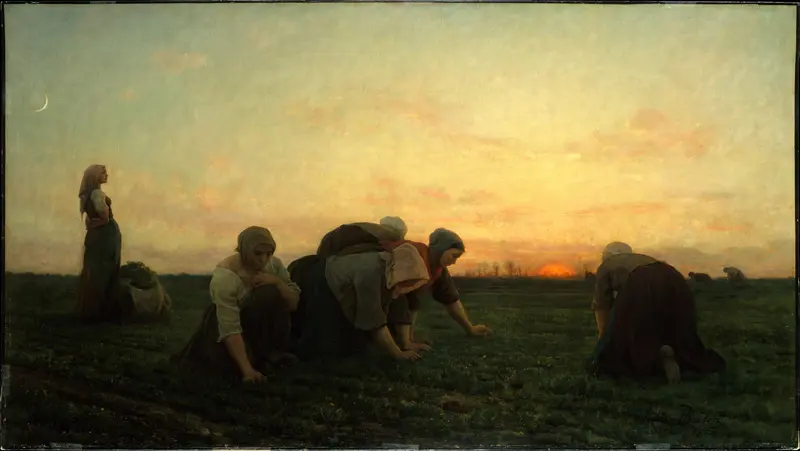
The Weeders
Jules Breton
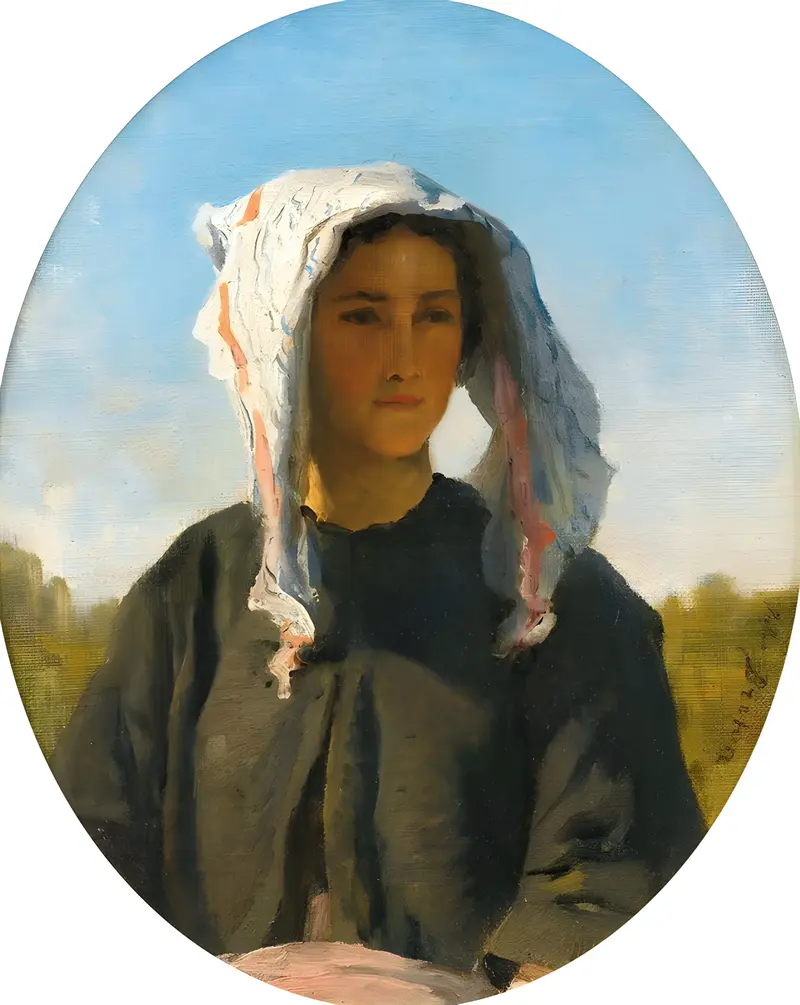
Portrait de jeune Paysanne Bordelaise
Jules Breton
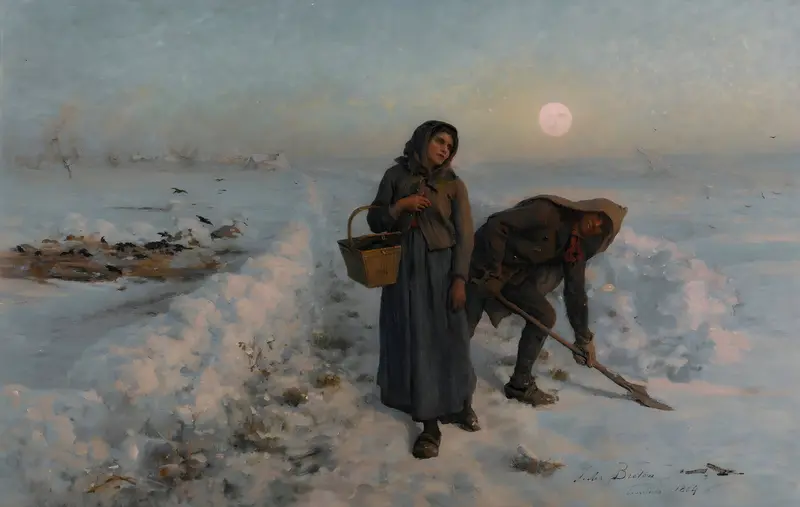
Sur la route en hiver; artois
Jules Breton
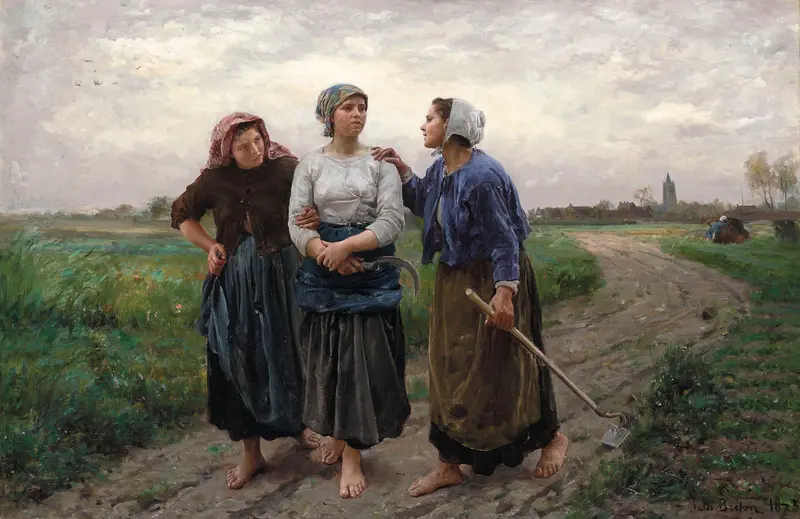
Les amies
Jules Breton
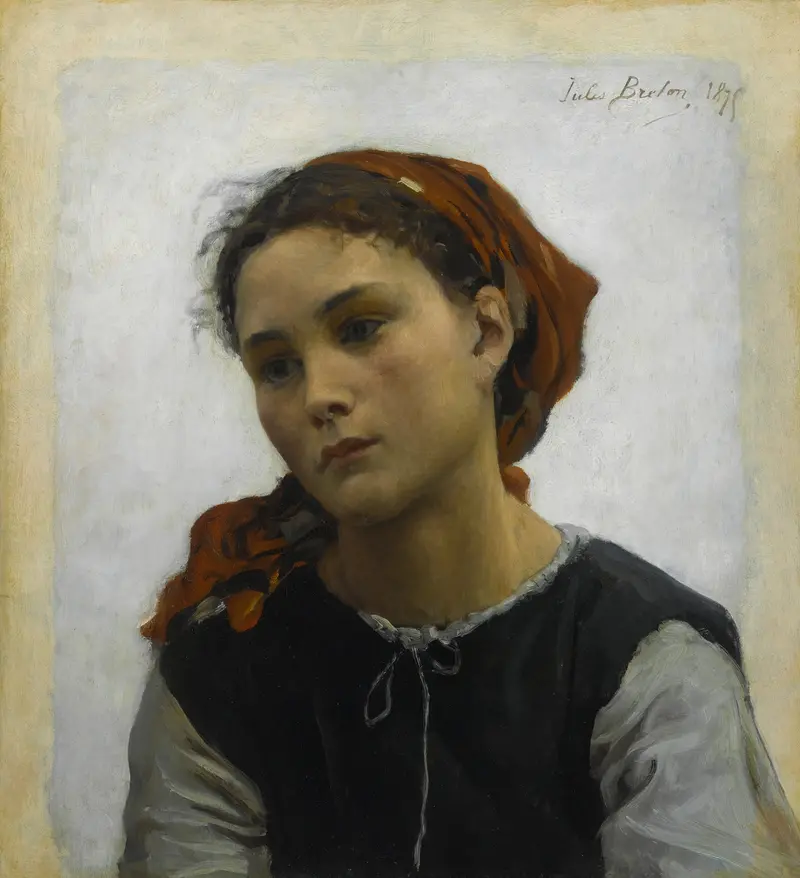
Innocente
Jules Breton
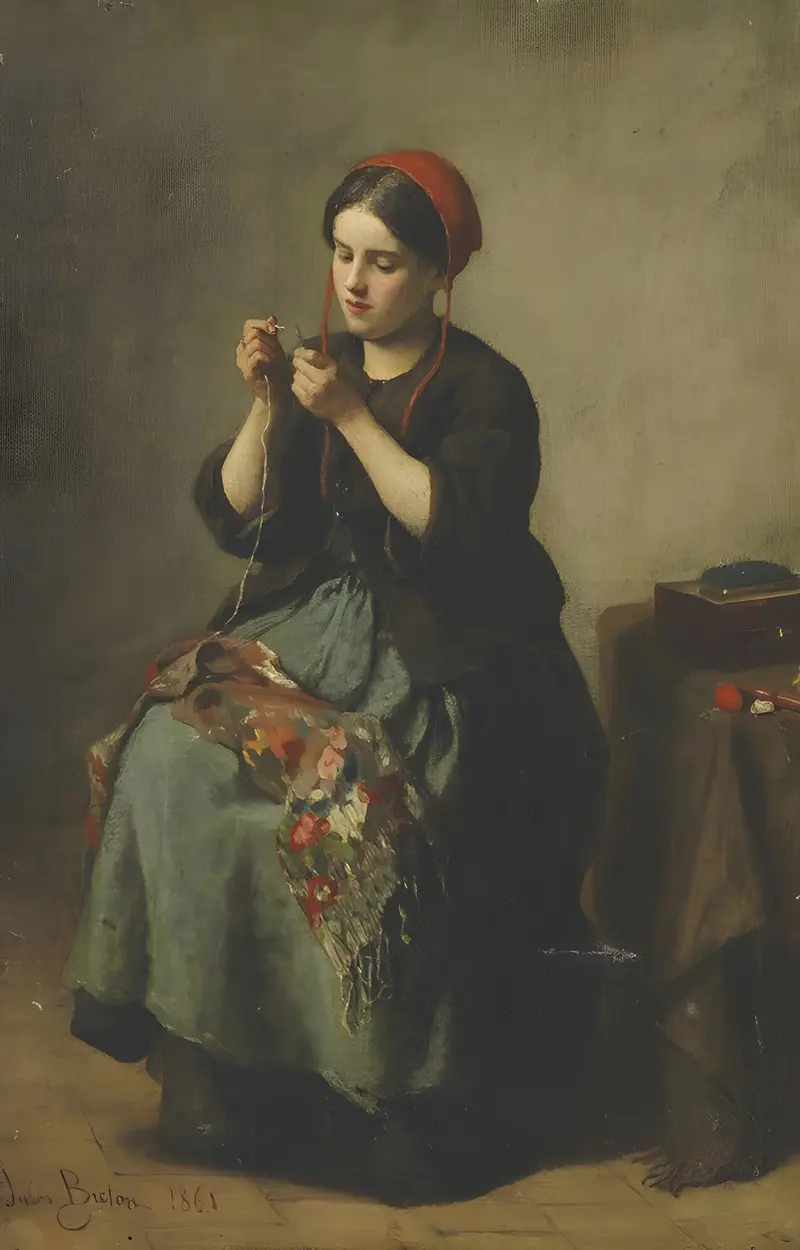
Peasant woman threading a needle
Jules Breton
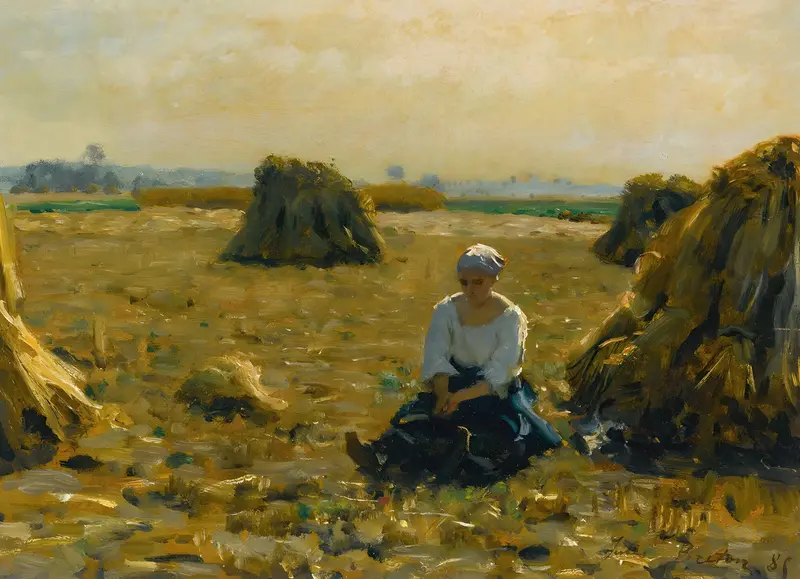
Jeune femme dans les champs
Jules Breton
Jeune Fille Pensive
Jules Breton
Réunion de famille à Bourron-Marlotte
Jules Breton