
Régates à Venise — History & Facts
What if silence could speak through light? In Régates à Venise, the fleeting moments of a quiet regatta echo the fragility of life and beauty in Venice. Look to the left at the dance of sunlight glistening on the water, where tones of azure and turquoise blend seamlessly, creating a serene backdrop. The soft brushstrokes capture the delicate reflections of boats gliding gracefully, their sails billowing like whispers across the canvas. Notice how the warm hues of the buildings along the waterfront create a harmonious contrast with the coolness of the water, embodying a moment frozen in time, yet alive with movement. The juxtaposition of the vibrant sails against the tranquil backdrop serves as a metaphor for the duality of existence—joy intertwined with the inevitable passage of time.
A subtle tension lies within the intimacy of the scene; the viewer senses both the buoyancy of the festivities and the quiet solitude of the observer, hinting at the fragility of such fleeting joy. Every stroke conveys a longing for permanence in a world defined by impermanence. Created in the midst of the late 19th century, this work by Ziem reflects his fascination with Venice, where he often sought inspiration. It was a period marked by artistic exploration and the emergence of Impressionism, as artists began to capture the ephemeral qualities of light and atmosphere.
Though the exact date of this piece remains unknown, it undoubtedly showcases Ziem’s adeptness in portraying the enchanting allure of the Venetian landscape during a time of profound artistic transformation.
More Artworks by Félix Ziem
Browse all →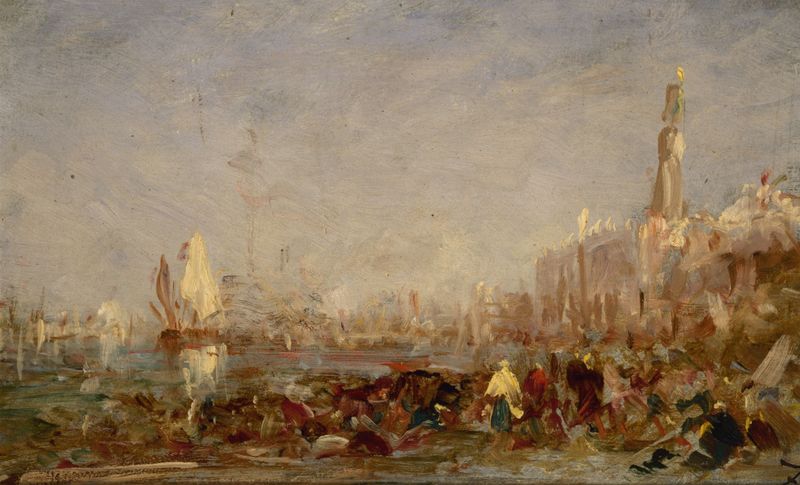
Venise
Félix Ziem
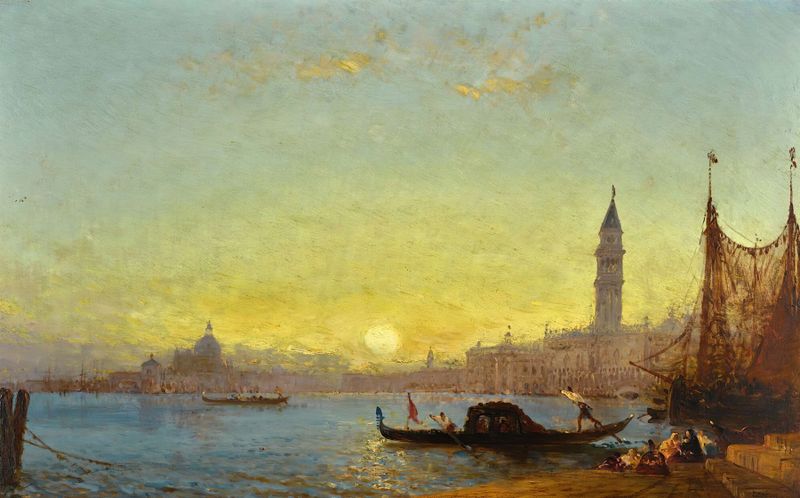
Coucher De Soleil À Venise
Félix Ziem
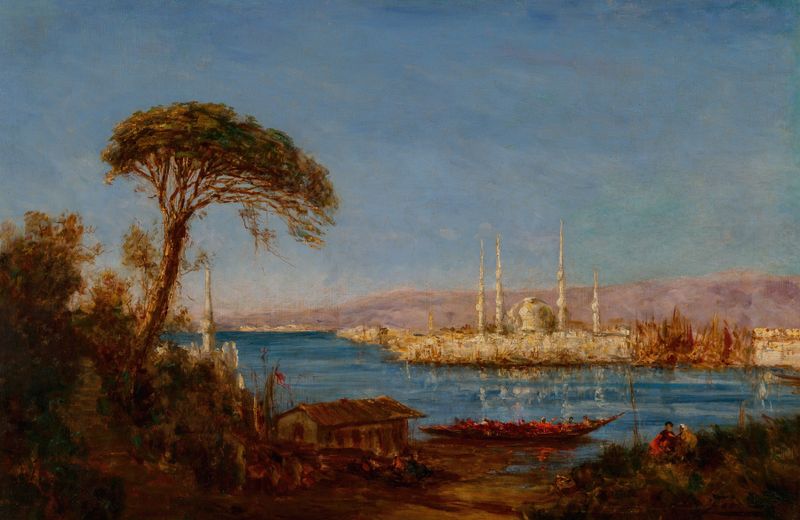
Constantinople
Félix Ziem
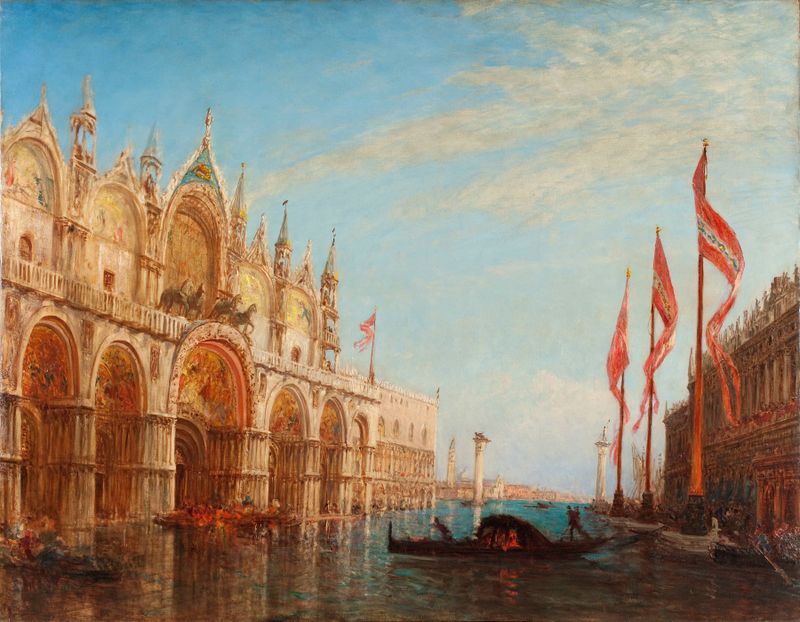
La place Saint-Marc, inondation de 1863
Félix Ziem
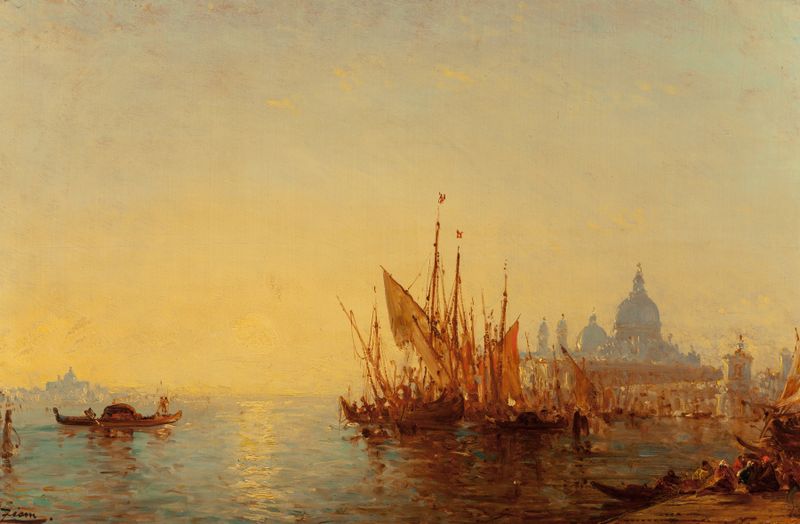
Bacino di San Marco
Félix Ziem
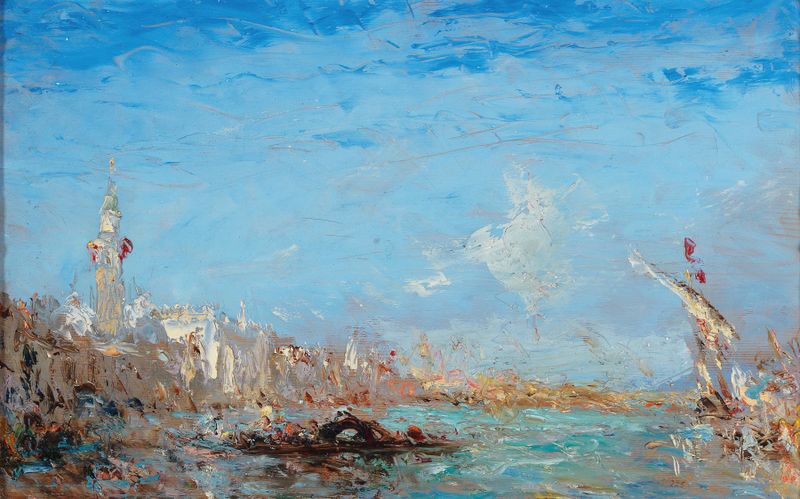
Canal Grande
Félix Ziem
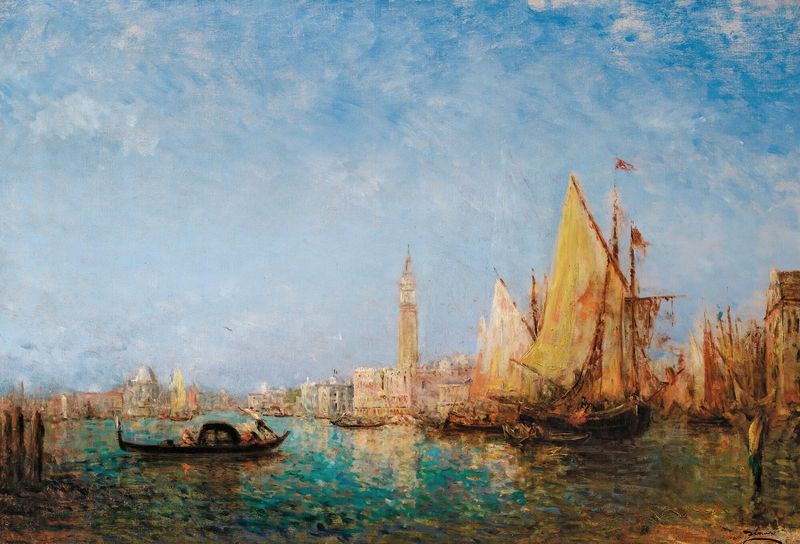
Le Palais Du Doge, Venise
Félix Ziem
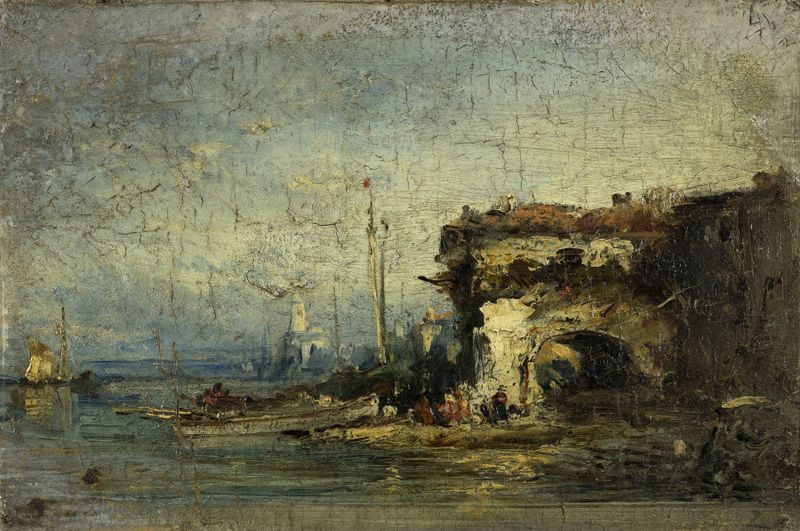
Vue d’Italie; la vieille porte
Félix Ziem
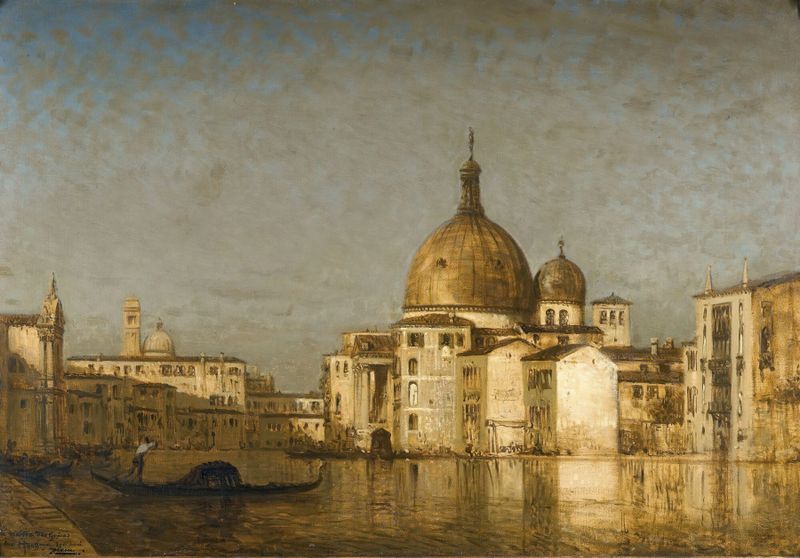
San Simeone Piccolo Au-Delà Du Grand Canal, Venis
Félix Ziem
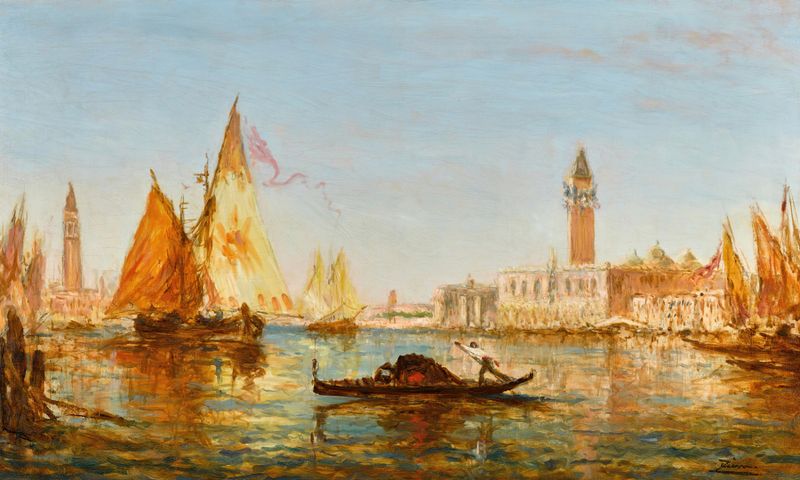
Venise, gondole et voiliers devant le Palais des doges et San Giorgio Maggiore
Félix Ziem





