Rhenen — History & Facts
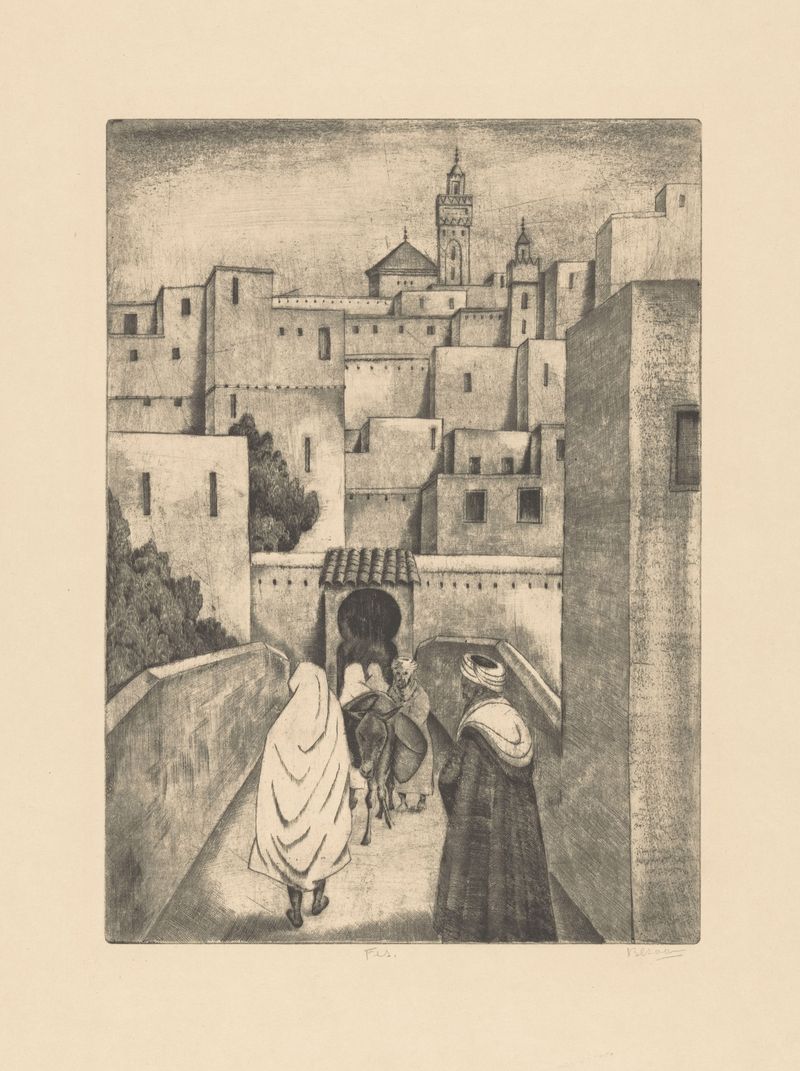
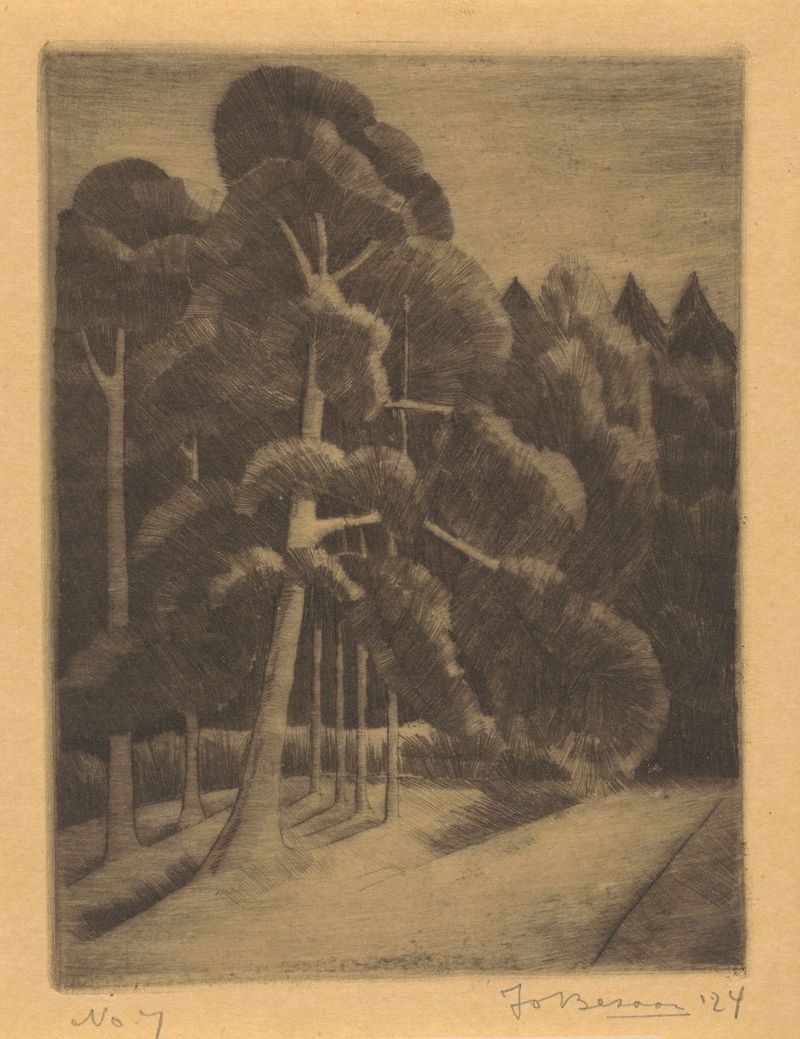
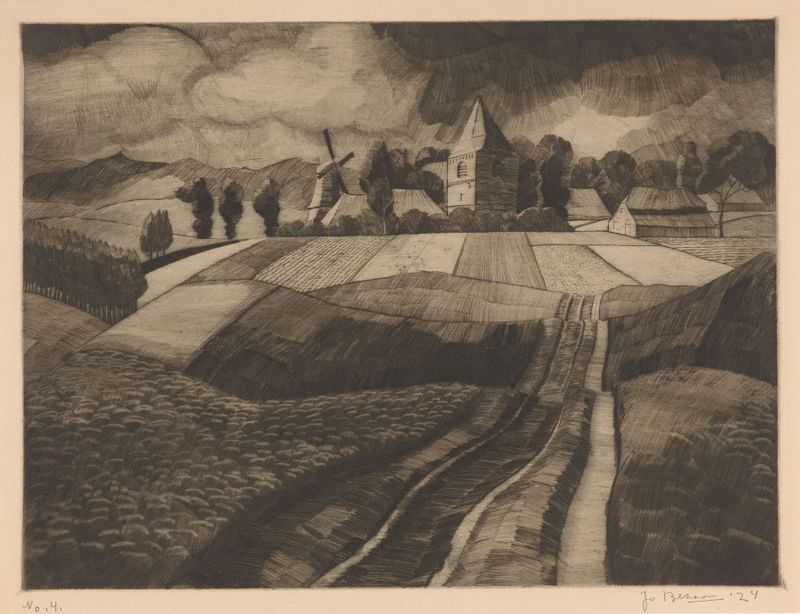
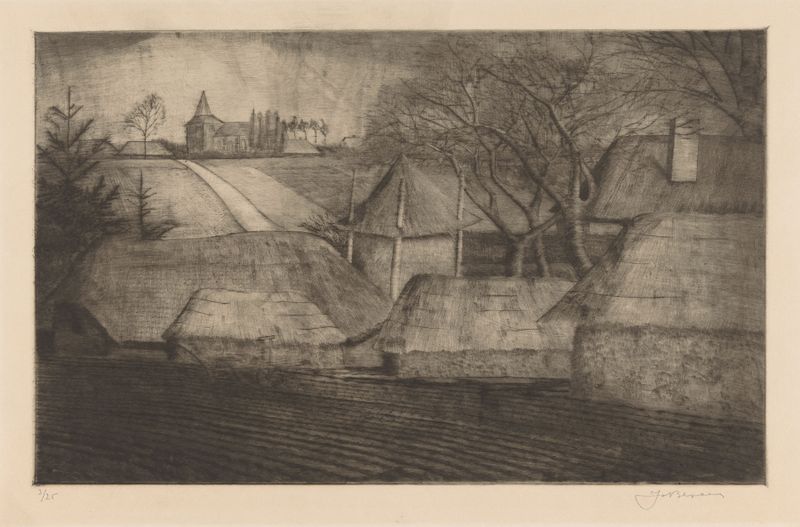
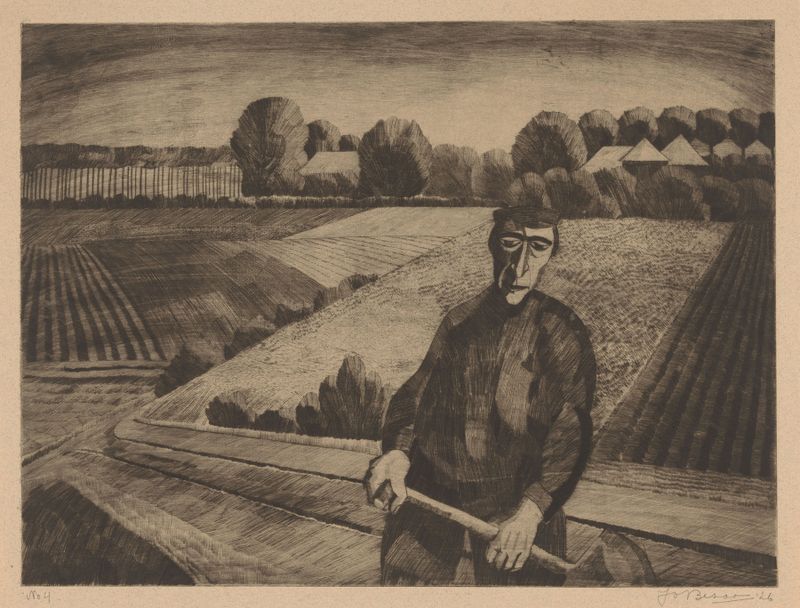
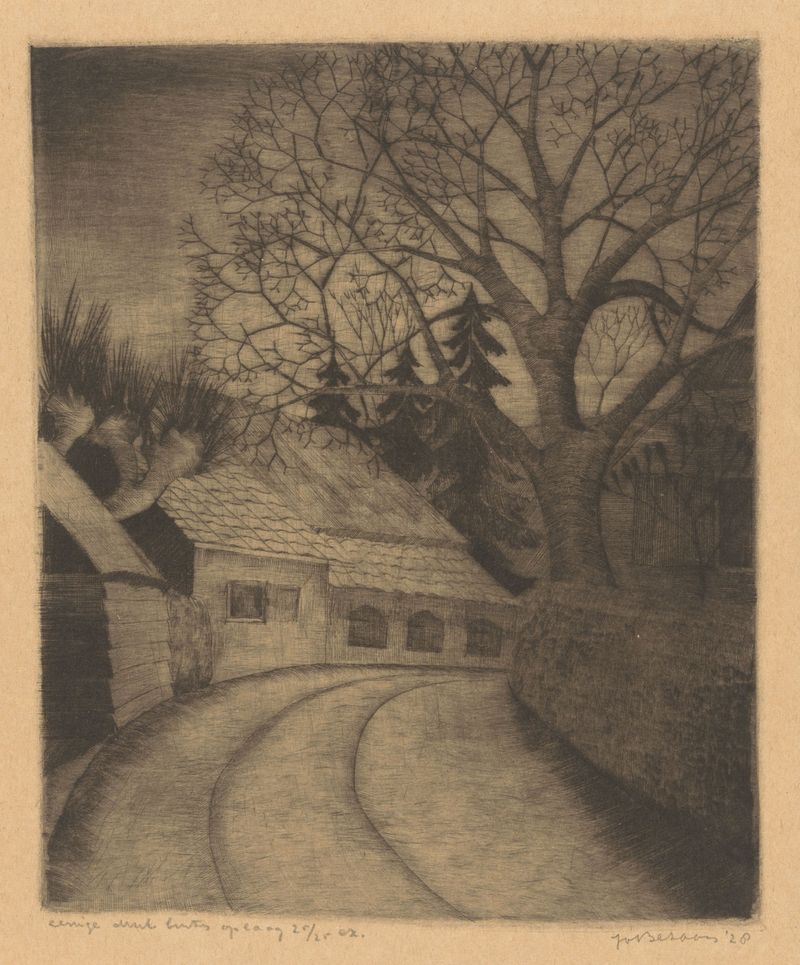
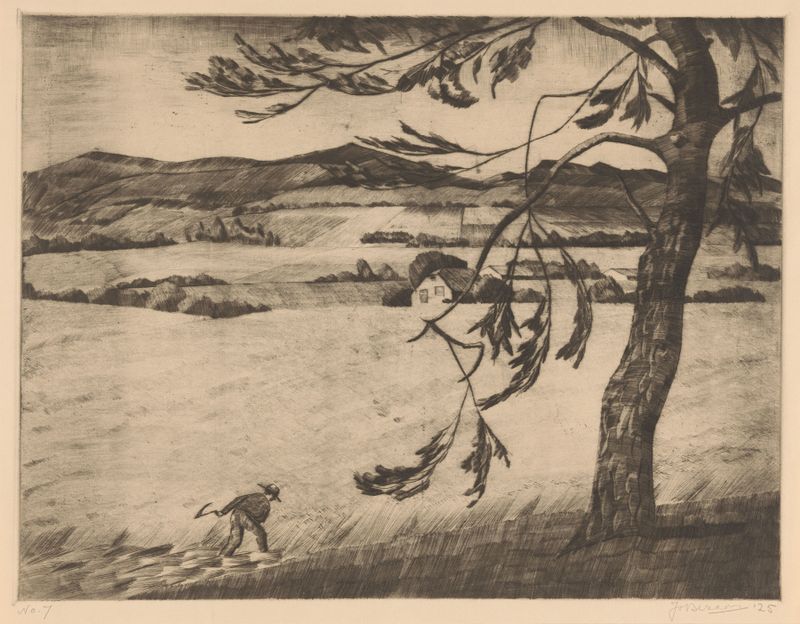
Did the painter know this moment would outlive them? In Rhenen, a palpable tension simmers beneath the surface, echoing the era’s unease and uncertainty. The viewer is drawn into a world where the familiar meets the unfamiliar, where figures stand at a crossroads of emotion, feeling the brush of fear that lingers in the air. Look to the center of the canvas, where a lone figure gazes into the distance, caught between light and shadow. Notice how the muted greens and deep grays envelop the scene, creating an atmosphere thick with contemplation.
The stark contrast of the figure’s bright clothing against the somber background draws your eye, while the brushstrokes pulse with urgency and uncertainty, revealing the artist's intent to convey vulnerability in a world rife with anxiety. The expressions on the figures’ faces tell a story of apprehension and hope, their postures suggesting a struggle between the desire for connection and the instinct to retreat. The surrounding landscape, though beautiful, looms ominously, creating a disquieting backdrop that reflects an inner turmoil. In this interplay of light and darkness lies the essence of fear — a fear not just of the moment captured, but of an uncertain future that resonates deeply with the viewer. In 1921, Jo Bezaan was navigating the tumultuous aftermath of World War I, a period marked by societal upheaval and emotional scars.
Living in the Netherlands, he sought to express the collective anxiety of his time through his work. As the art world gradually shifted towards modernism, Bezaan’s focus on the psychological depth of his subjects set him apart, marking Rhenen as a significant moment of introspection in an evolving artistic landscape.