Rhenen — History & Facts
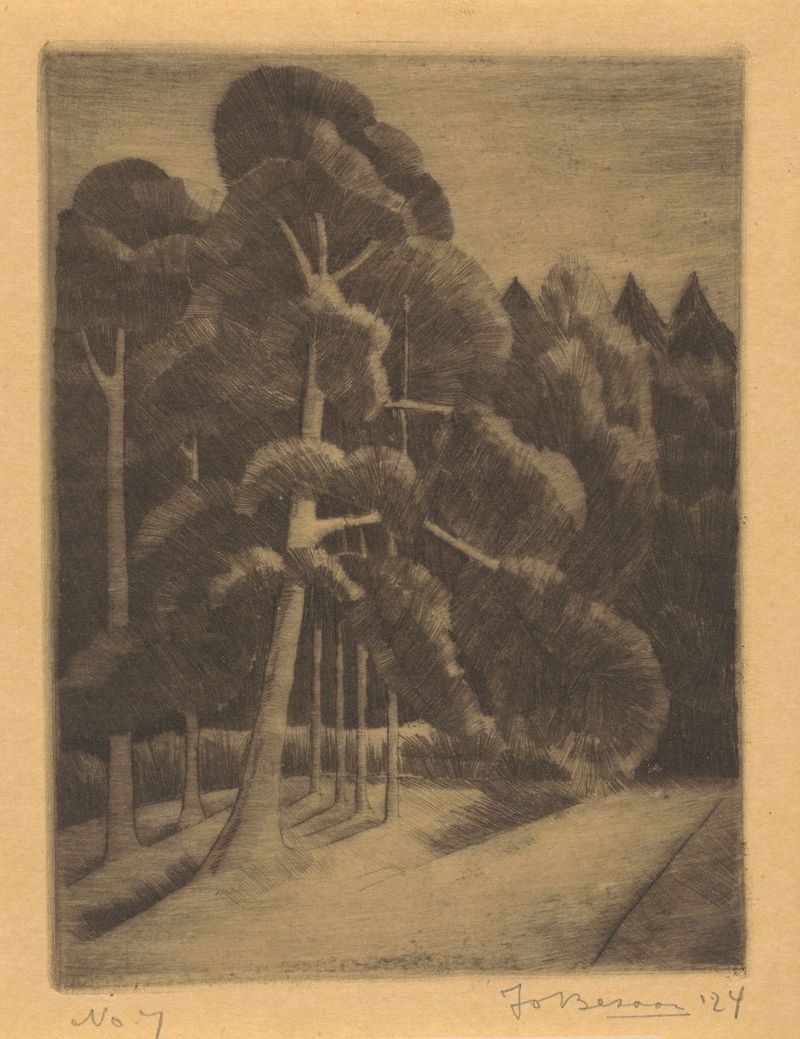
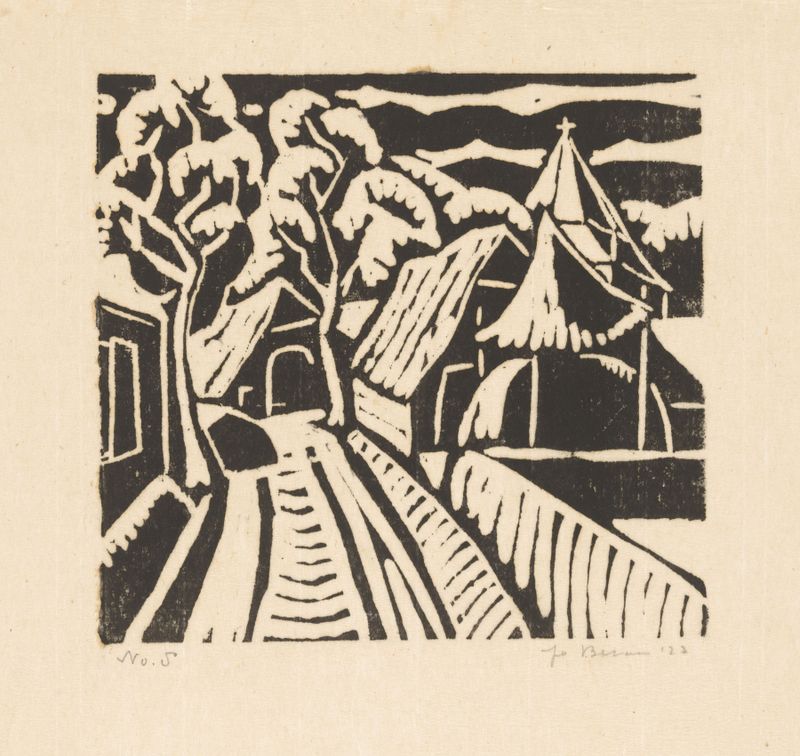
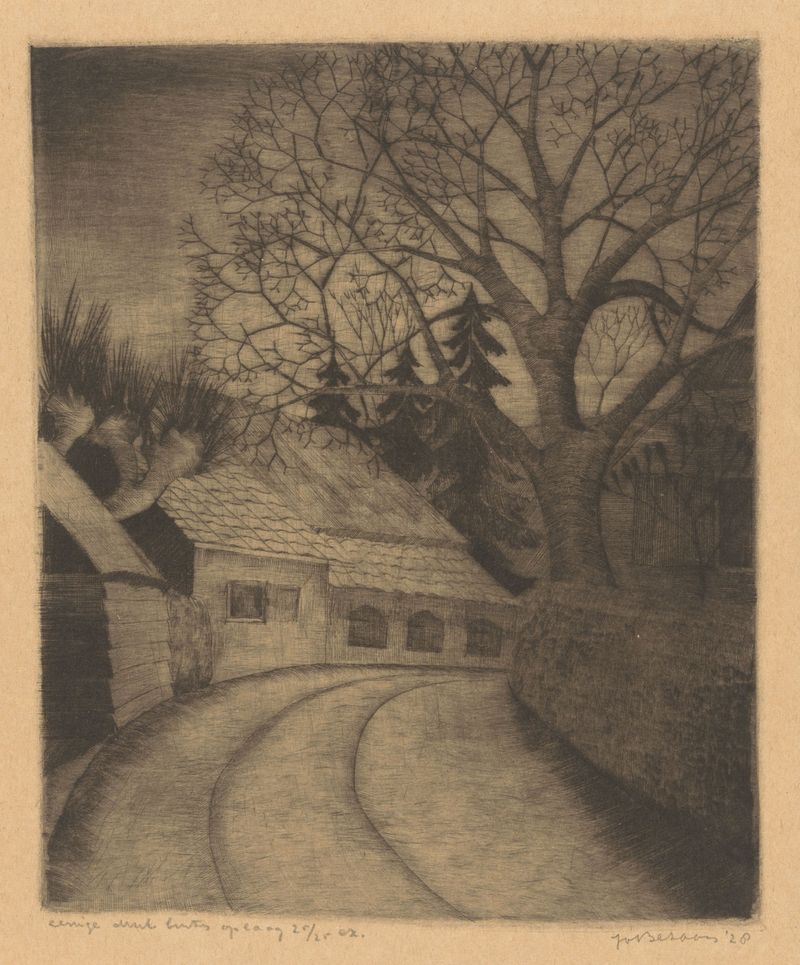
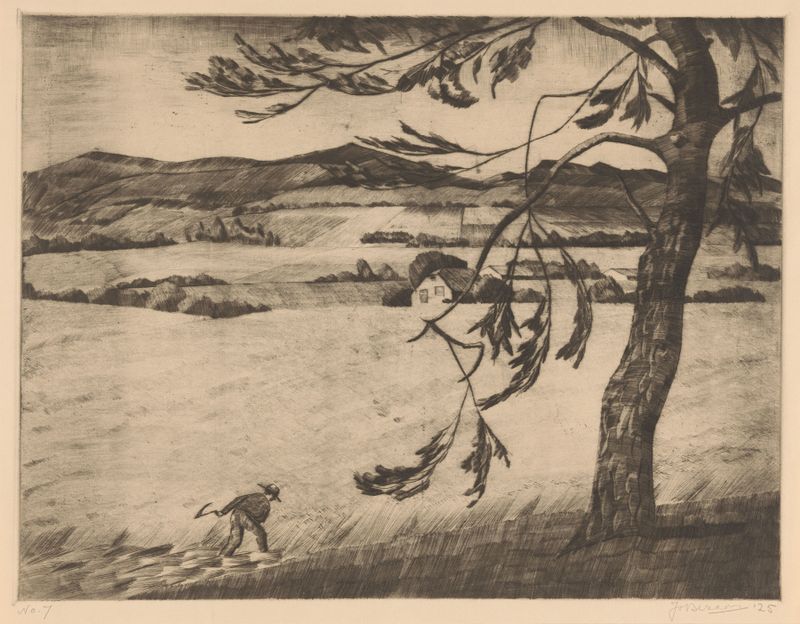
Where does light end, and longing begin? In the delicate interplay of shadow and illumination lies a world of unspoken desires and memories waiting to resurface. Focus on the gentle gradient of light across the canvas, where soft, muted colors evoke a sense of nostalgia. The rich browns and ochres envelop the scene, drawing the eye toward the horizon, where the sky blushes with hints of purple and gold. Notice how the textured brushstrokes create a sense of depth, inviting you to explore the layers of shadow that cradle the landscape, each one whispering secrets of the past. In this piece, the contrasts are particularly striking.
The interplay of light and shadow suggests a transition — perhaps from day to night, or from presence to absence, capturing the essence of bittersweet longing. Look closely at the shadows cast by the trees; they elongate and stretch, hinting at the weight of unfulfilled aspirations and the fleeting nature of time. Each aspect of the composition invites contemplation, urging viewers to confront the emotions that linger just out of reach. In 1922, the artist found themselves amidst the shifting tides of post-World War I Europe, grappling with both personal and collective trauma.
Creating Rhenen during this turbulent period, they sought to express complexities of emotion through a harmonious blend of color and form. This work not only reflects the spirit of a generation in search of solace but also marks a significant step in the evolution of modern art, as artists began to explore deeper psychological landscapes.