
Richard Yates — History & Facts
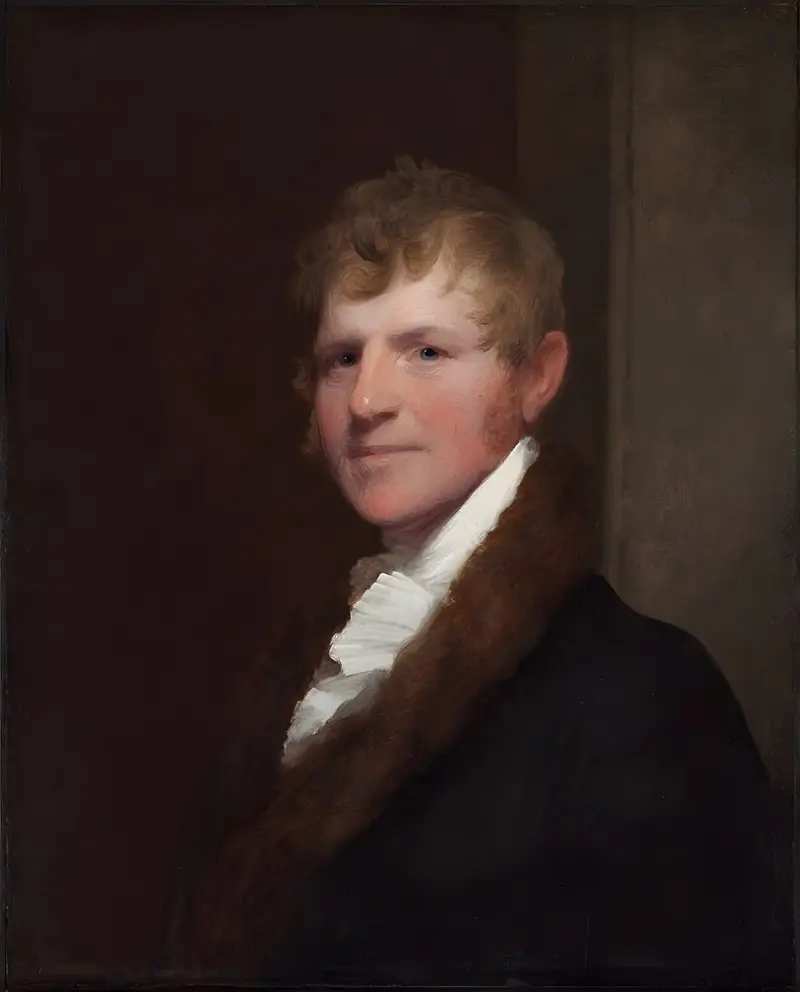
In Richard Yates, Gilbert Stuart captures the likeness of a prominent American figure. The painting features Yates in a dark suit, with a white cravat, set against a muted background. His expression is serious yet approachable, reflecting his status.
The use of light and shadow adds depth to the figure, making him appear lifelike. This work is painted in oil on canvas, a common medium for portraits during this period. The dimensions are approximately 76 x 63 cm, allowing for detailed representation of facial features. Stuart's technique is characterized by a smooth application of paint, creating a realistic texture.
The careful attention to detail in Yates' clothing and facial expression showcases Stuart's skill. Gilbert Stuart was a leading portrait painter in early American art, known for his ability to capture the essence of his subjects. This portrait of Richard Yates, painted in the 1790s, reflects the artist's mastery of realism. Interestingly, Stuart is also famous for his portrait of George Washington, which became the basis for the U.S.
one-dollar bill. Yates was a significant political figure, serving as the governor of Illinois.
More Artworks by Gilbert Stuart
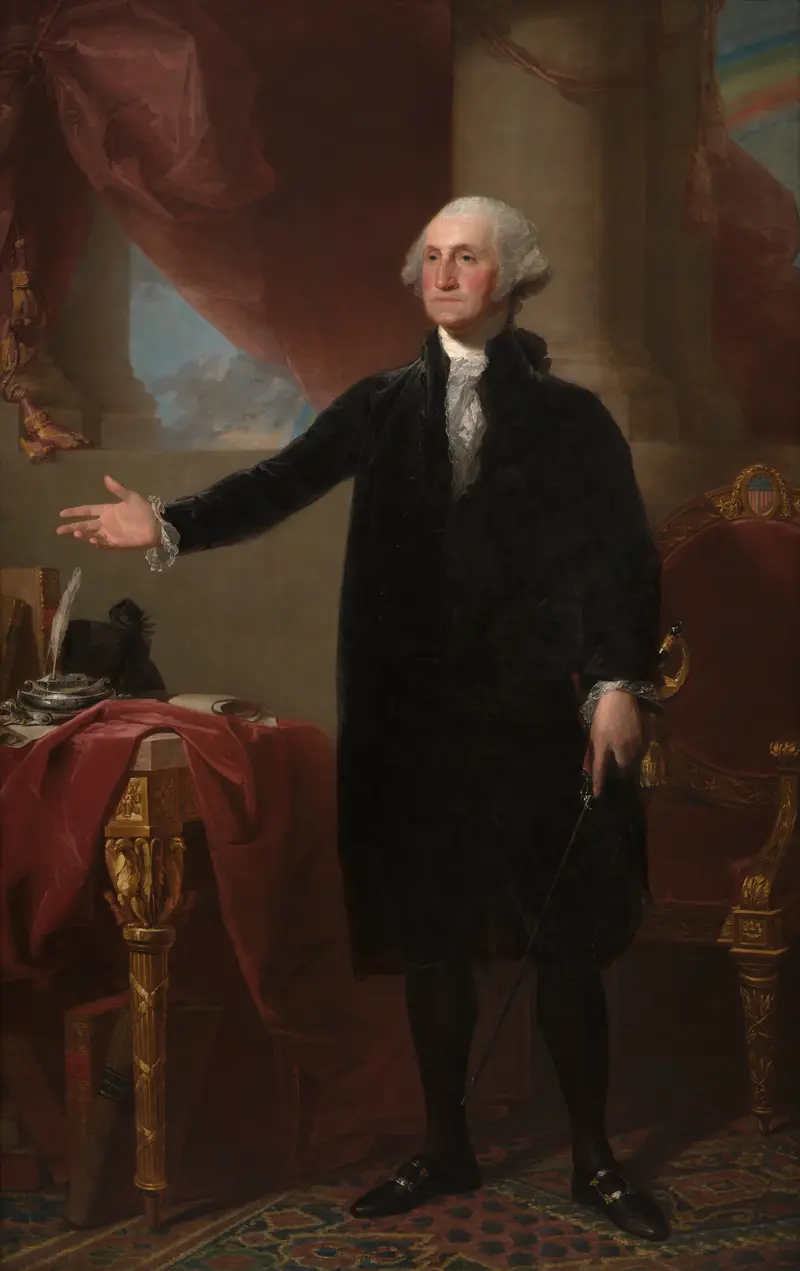
George Washington (Lansdowne Portrait)
Gilbert Stuart

Thomas Jefferson
Gilbert Stuart

George Washington (Vaughan portrait)
Gilbert Stuart
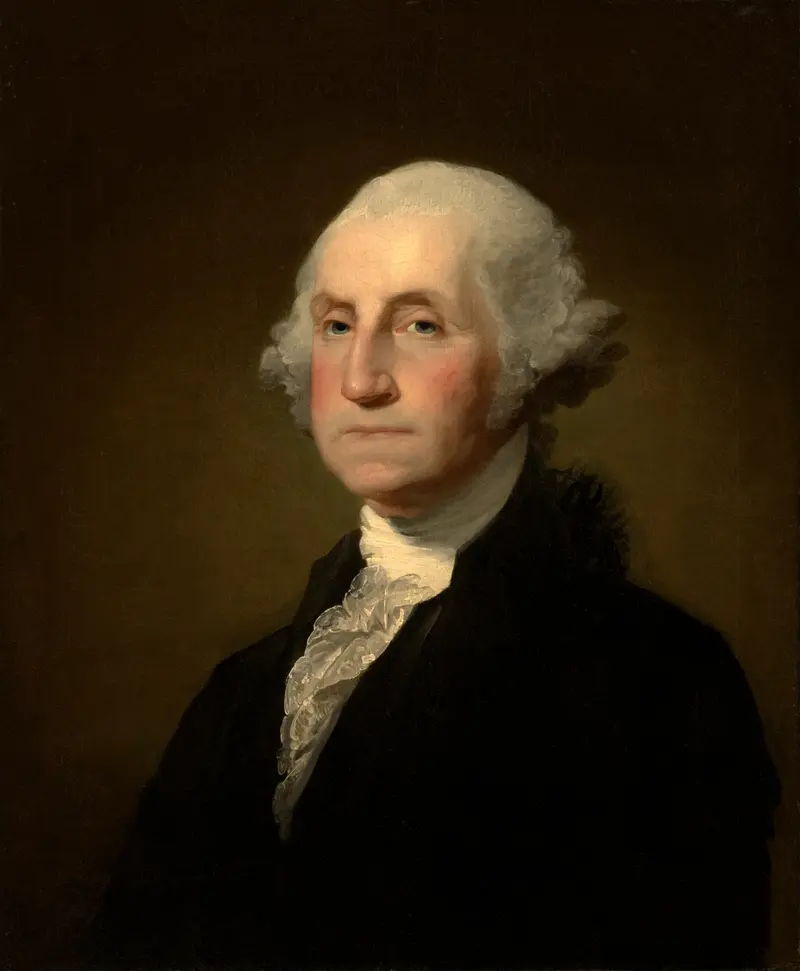
George Washington
Gilbert Stuart
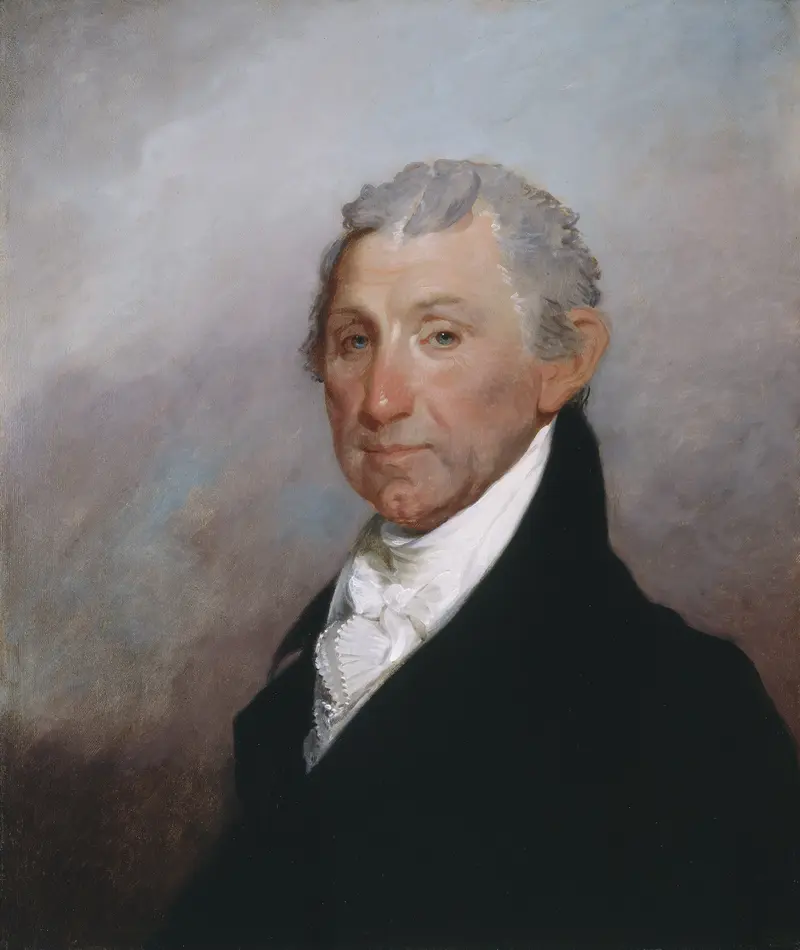
James Monroe
Gilbert Stuart
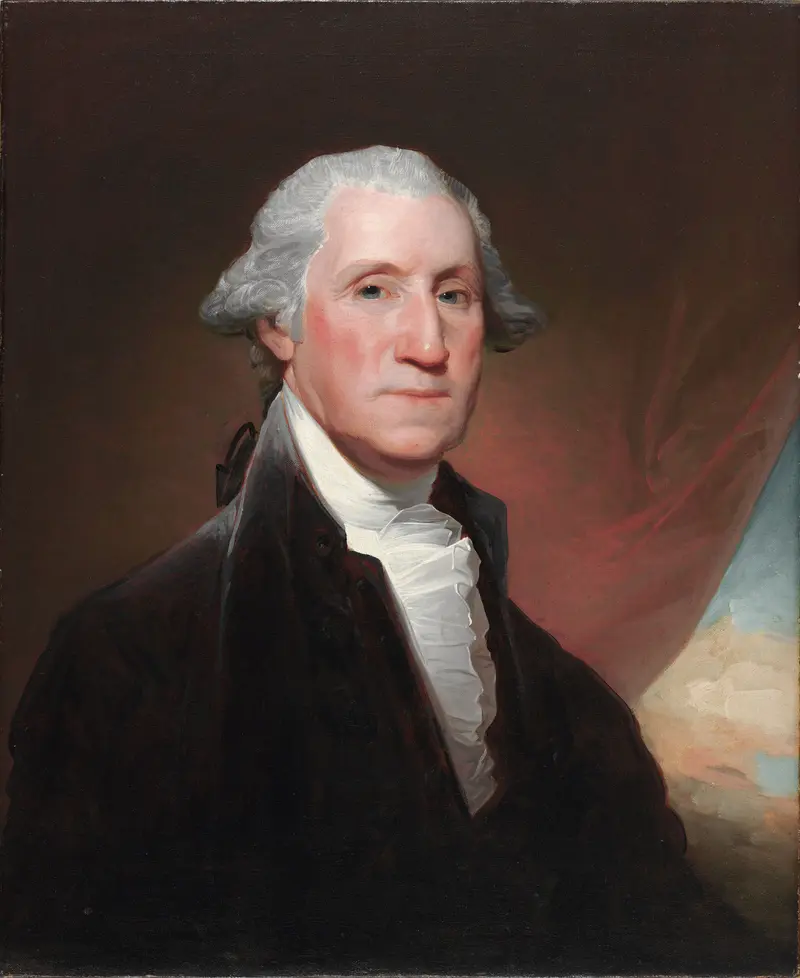
George Washington (1732-1799)
Gilbert Stuart
Josiah Quincy, Jr. (1802-1882)
Gilbert Stuart

Susannah Powell Mason (Mrs. Jonathan Mason)
Gilbert Stuart
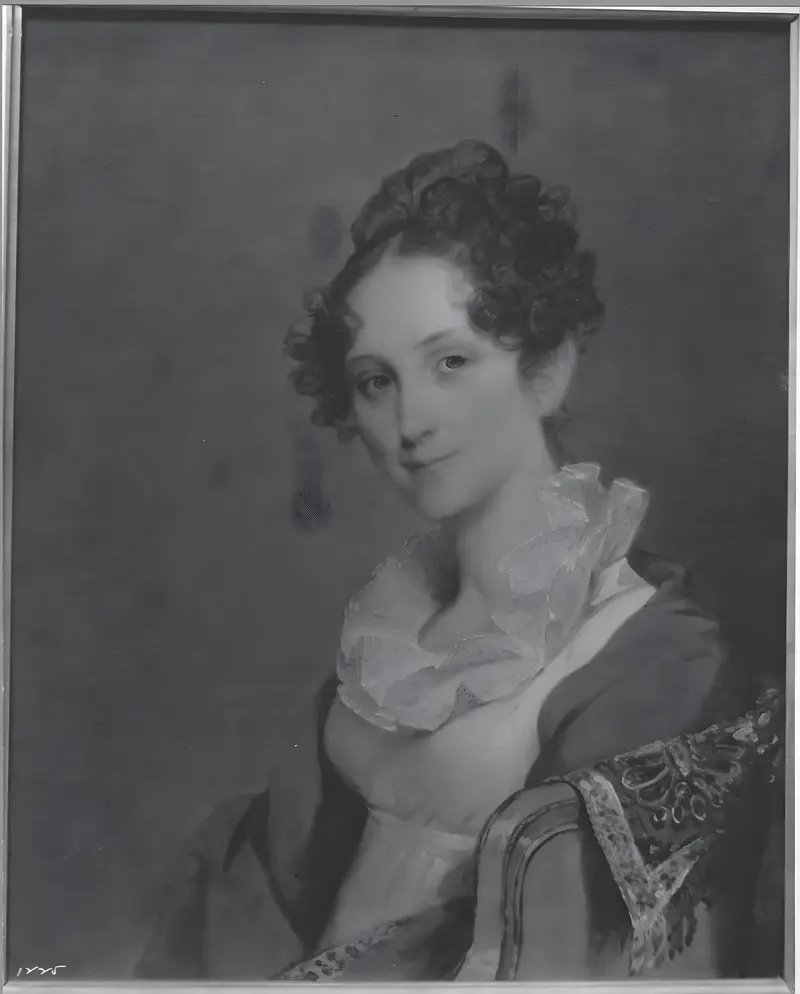
Elizabeth Winslow Whitman Williams (Mrs. Samuel King Williams) (1795-1886)
Gilbert Stuart
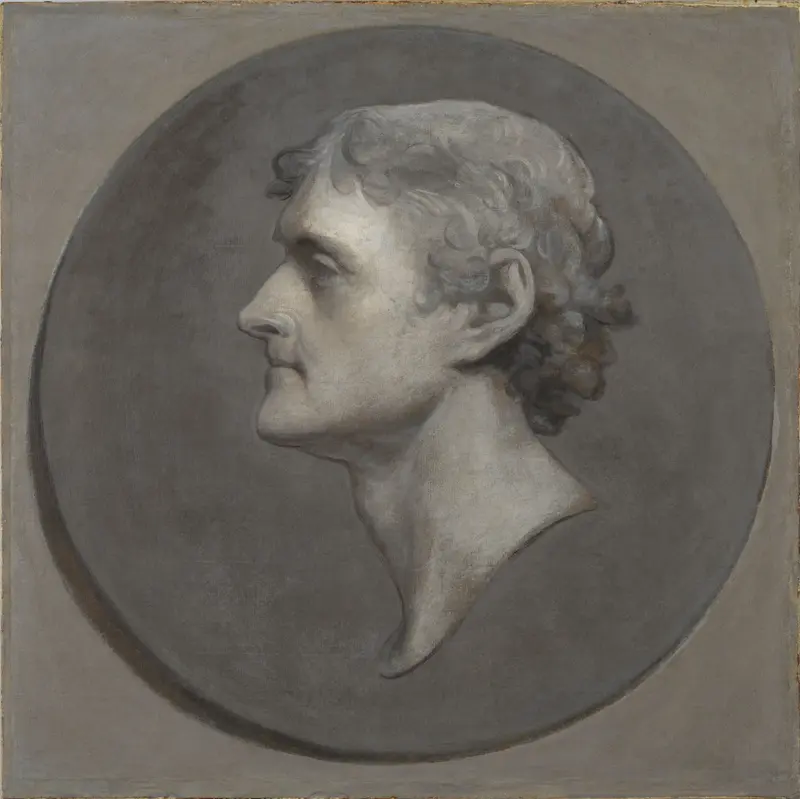
Thomas Jefferson (1743-1826) (The Medallion Portrait)
Gilbert Stuart





