
Rider In A Landscape — History & Facts
What secret hides in the quiet of the canvas? In Rider In A Landscape, the tension of movement permeates the stillness, inviting viewers to explore the world beyond the horizon. Look to the center where a lone rider on horseback emerges against the sweeping expanse of the landscape. The soft greens and muted browns of the terrain blend into a sky brushed with delicate strokes of blue and gray. Notice how the light dances across the horse’s coat, illuminating the moment of motion and suggesting a journey that extends beyond the frame.
The rider’s posture hints at urgency, a bend in the body that speaks to both speed and grace, while the horizon looms, distant and beckoning. Delve deeper into the subtle contrasts present in the piece. The tranquil backdrop provides a serene setting that juxtaposes the dynamic energy of the rider, encapsulating the duality of adventure and introspection. The sparse foliage lining the path suggests a solitary expedition, evoking feelings of exploration and the unknown.
Each brushstroke conveys not only the physical space but also the emotional landscape of longing and discovery, resonating with anyone who has ever ventured into the great unknown. In 1834, the artist created this piece amidst a burgeoning Romantic movement in art that emphasized emotion and individual experience. Fearnley was deeply influenced by the picturesque landscapes of Norway and the growing interest in natural beauty. During this period, he traveled extensively, capturing the essence of the views around him and allowing personal experiences to infuse his work with a sense of belonging and contemplation.
More Artworks by Thomas Fearnley
Browse all →
Norwegian Landscape, Marumfoss
Thomas Fearnley

View of the Oslofjord
Thomas Fearnley

Gudvangen
Thomas Fearnley

Stormy Landscape with a Rider
Thomas Fearnley
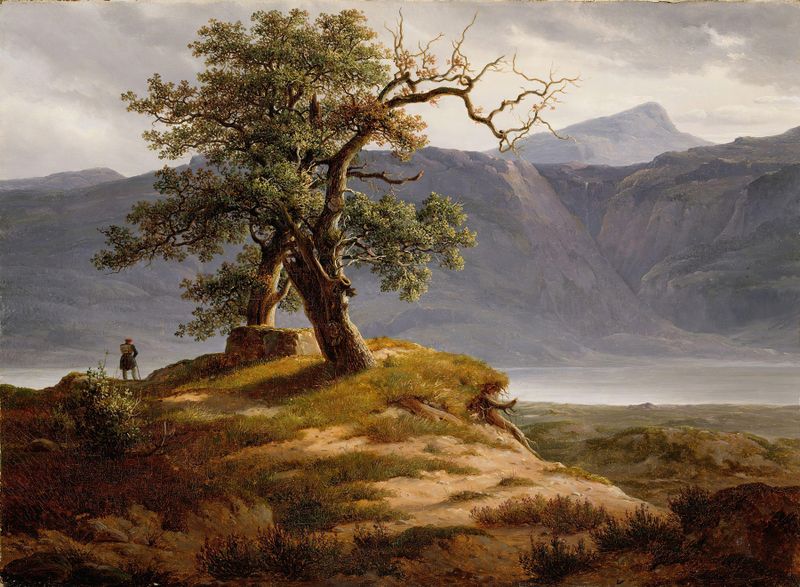
Landscape with a Wanderer
Thomas Fearnley
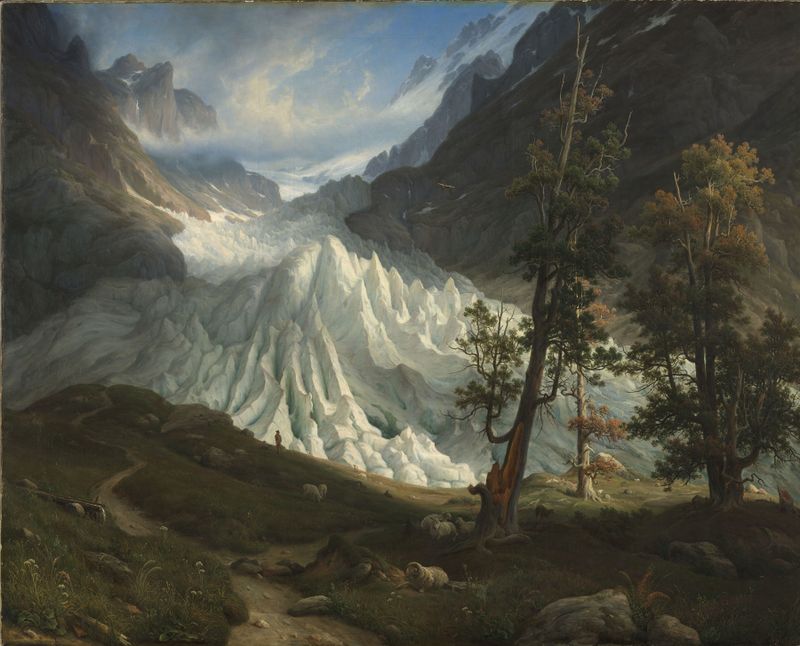
The Grindelwaldgletscher
Thomas Fearnley

Clouds over the Fjord
Thomas Fearnley
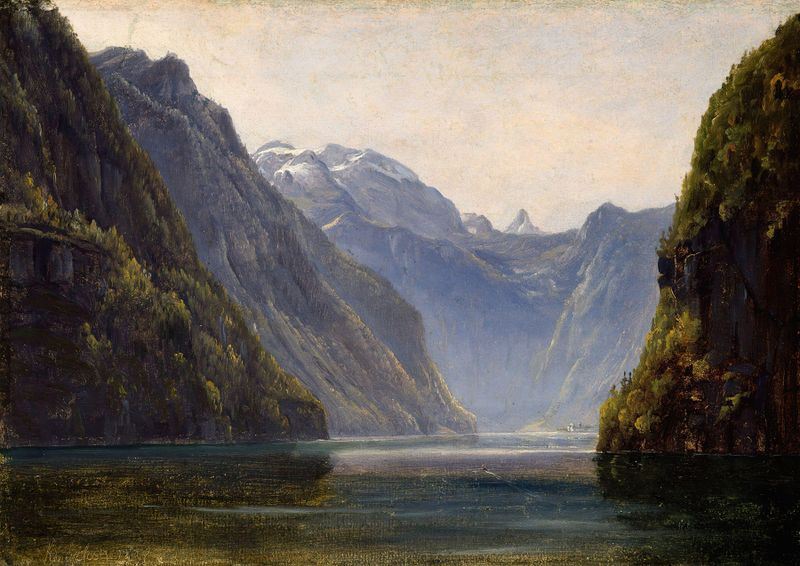
From Königssee
Thomas Fearnley

The Bridge of Hauge outside Arendal
Thomas Fearnley

King Vilhelm II’s ceremonial Processsion in Amsterdam in 1840
Thomas Fearnley





