
Rimini — History & Facts
Can beauty exist without sorrow? In Rimini, the answer unfolds in a delicate interplay of color and emotion, inviting the viewer to explore the depths of human experience. Look to the vibrant blues and soft pinks that dominate the canvas, enveloping the scene in a serene ambience. The horizon, where the sky kisses the sea, draws the eye, creating an almost dreamlike quality. Observe how the brushstrokes evoke gentle waves lapping against the shore, their rhythm echoing the contemplative nature of the piece.
The figures, small and silhouetted against the vastness of the landscape, add a layer of intimacy and connection, grounding the ethereal colors in reality. Delve deeper and notice the subtle contrasts within the painting: the calmness of the ocean juxtaposed with the darker silhouettes of the figures, hinting at an underlying melancholy. Each brushstroke seems to whisper stories of longing and nostalgia, as if the beauty of the moment is tinged with the awareness of transience. The warm glow of the setting sun suggests hope and renewal, yet it also serves as a reminder of inevitable endings, binding beauty and sorrow in an unbreakable embrace. In 1910, Jan Ciągliński created Rimini during a period of artistic experimentation, where Impressionism was giving way to new modernist movements.
Living in Paris, he was influenced by the vibrant art scene, yet he chose to explore the emotional depths of color and landscape. This work reflects not only his personal artistic journey but also the broader shifts in the art world, as artists began to seek deeper connections between emotion and visual expression.
More Artworks by Jan Ciągliński
Browse all →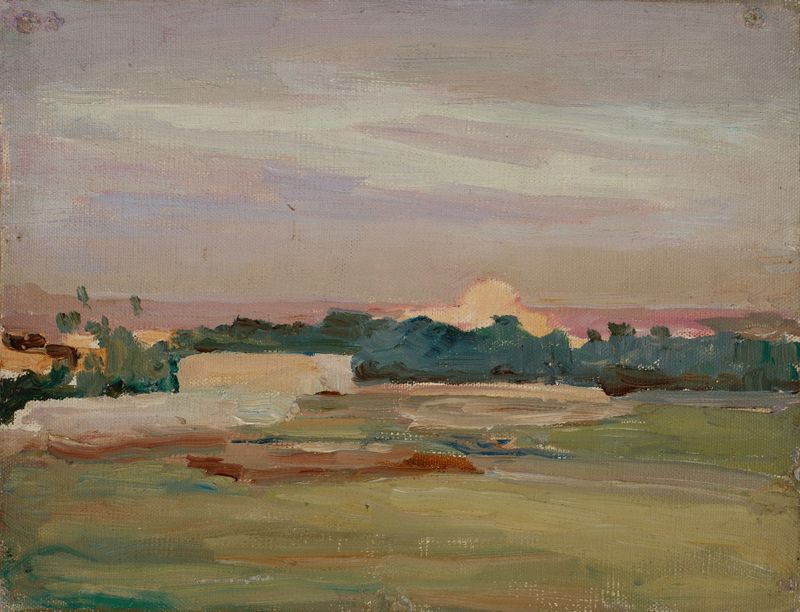
The Sirocco
Jan Ciągliński
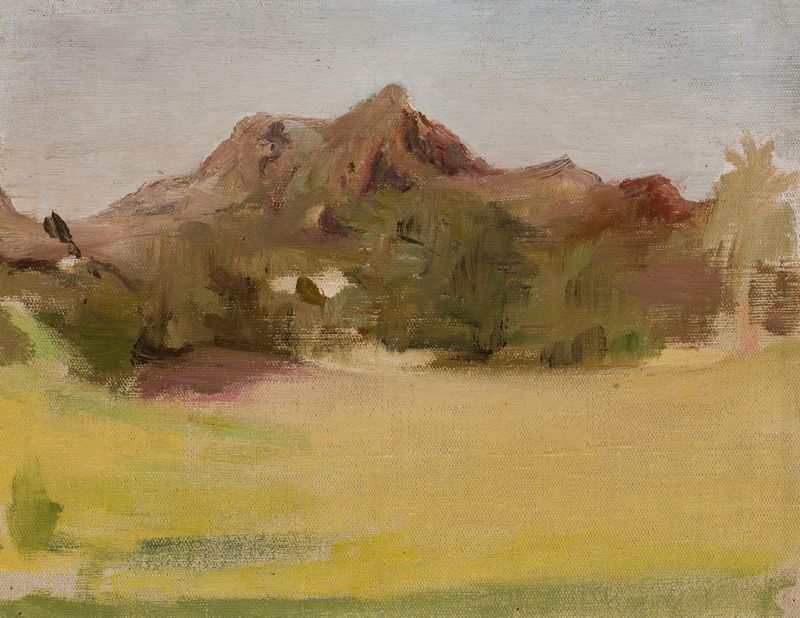
Mountain landscape. From the journey to India
Jan Ciągliński
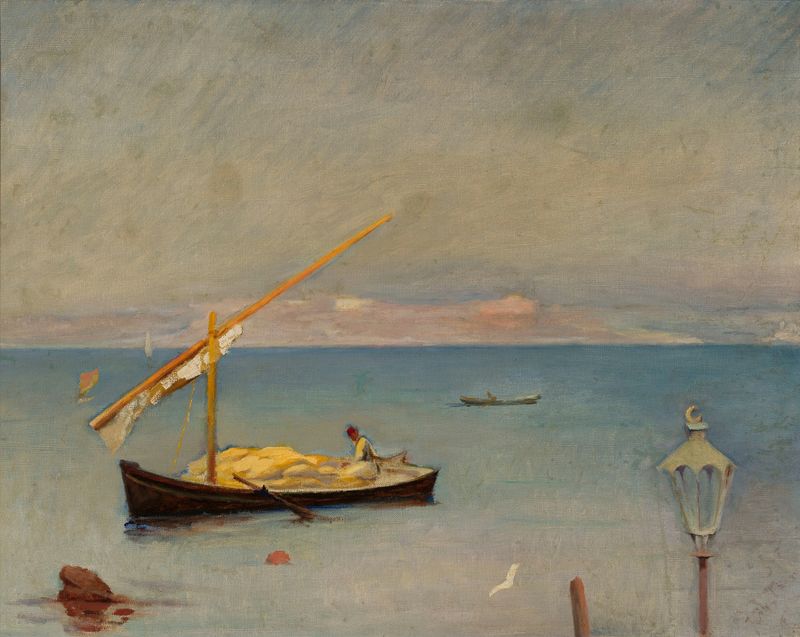
At Bosporus
Jan Ciągliński
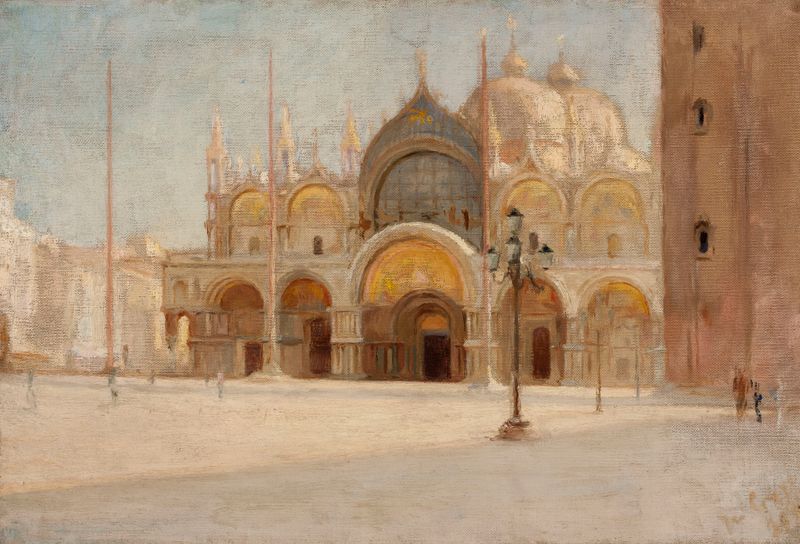
St Mark’s Square in Venice
Jan Ciągliński
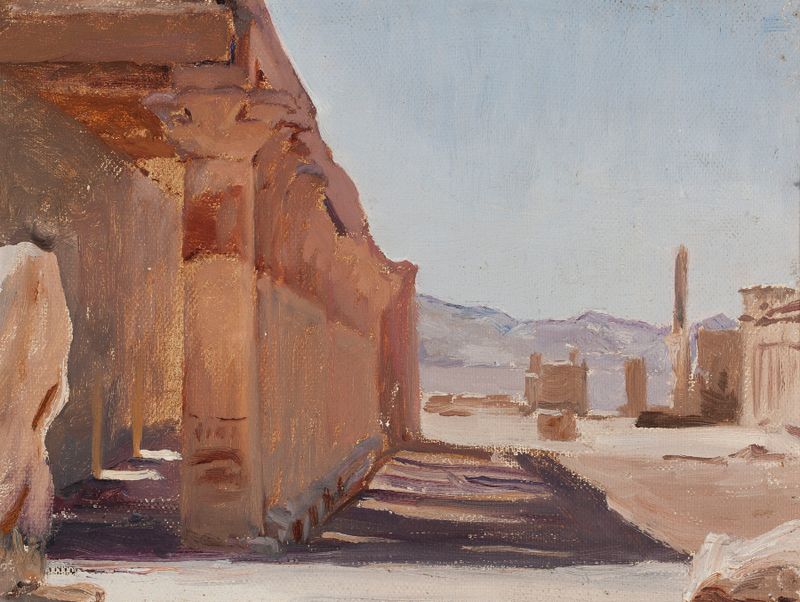
Temple. From the journey to Egypt
Jan Ciągliński
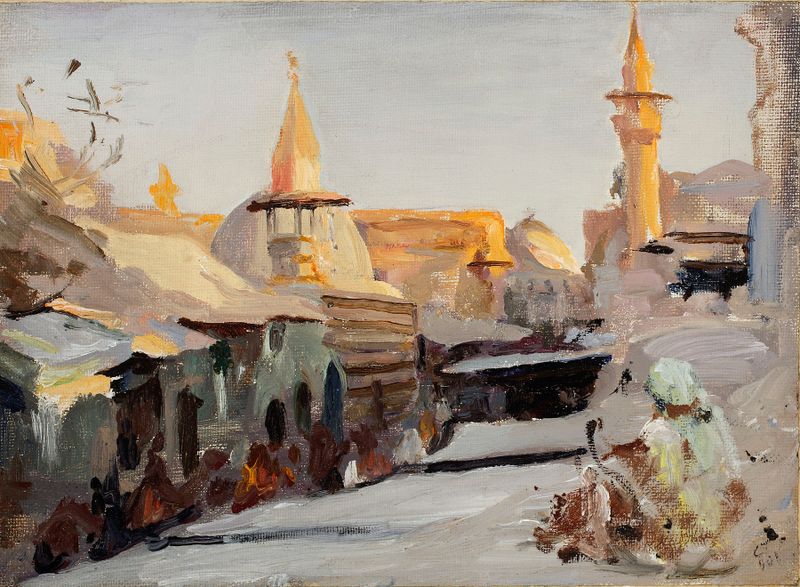
Street in Damascus. From the journey to Palestine
Jan Ciągliński
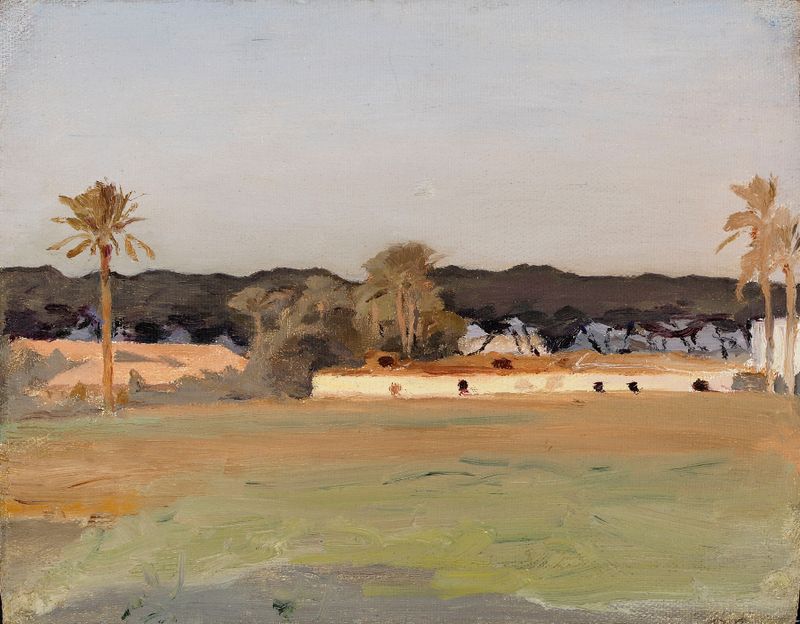
Evening. From the journey to Egypt
Jan Ciągliński
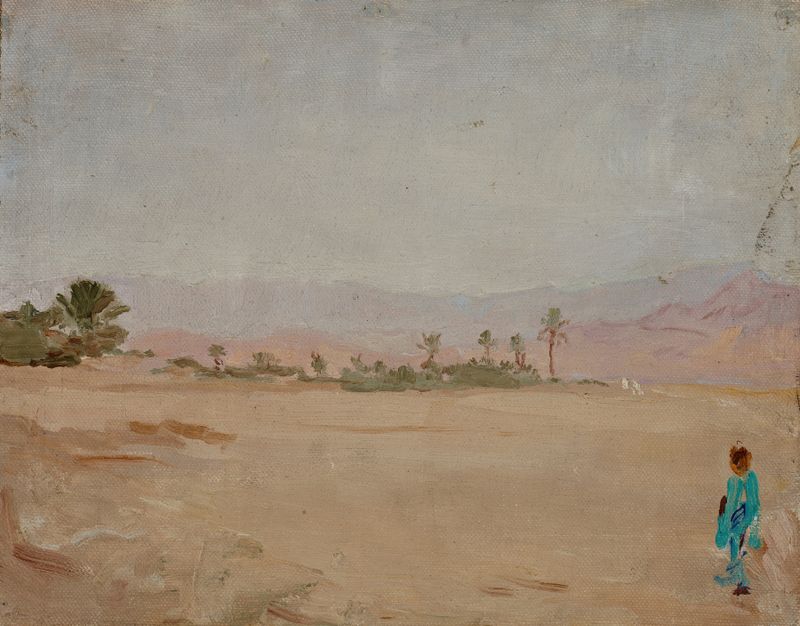
Sahara (Desert)
Jan Ciągliński
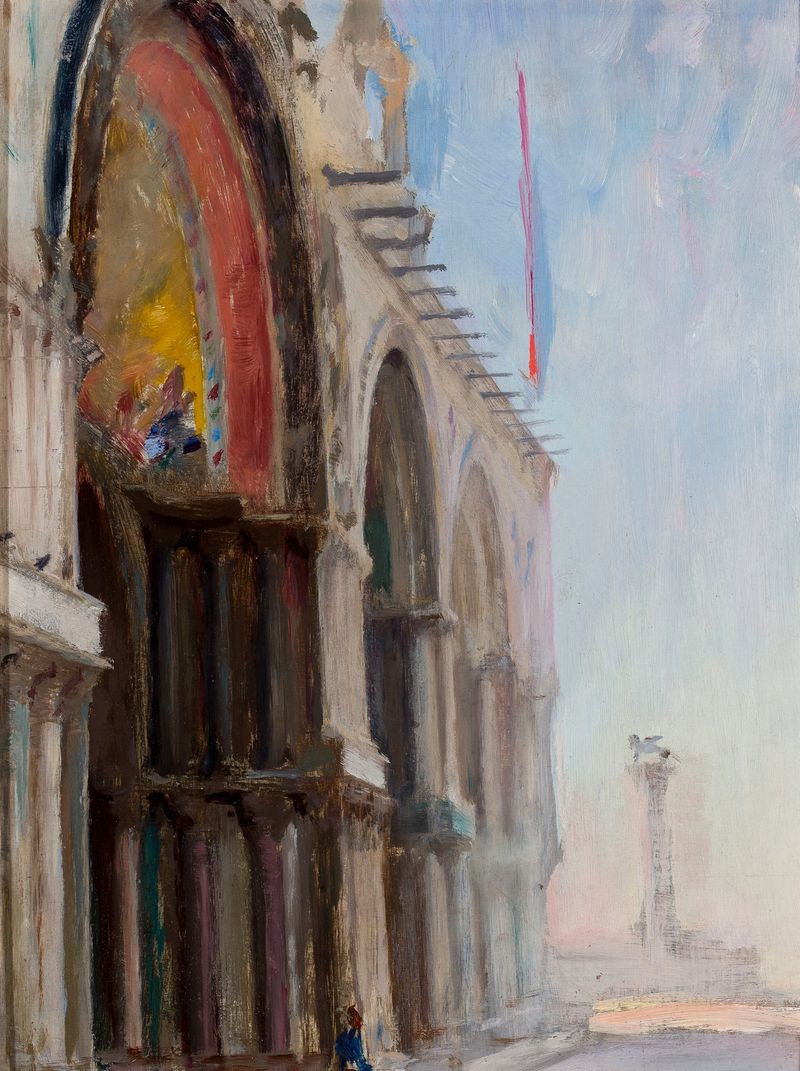
Venice – San Marco. From the journey to Italy
Jan Ciągliński
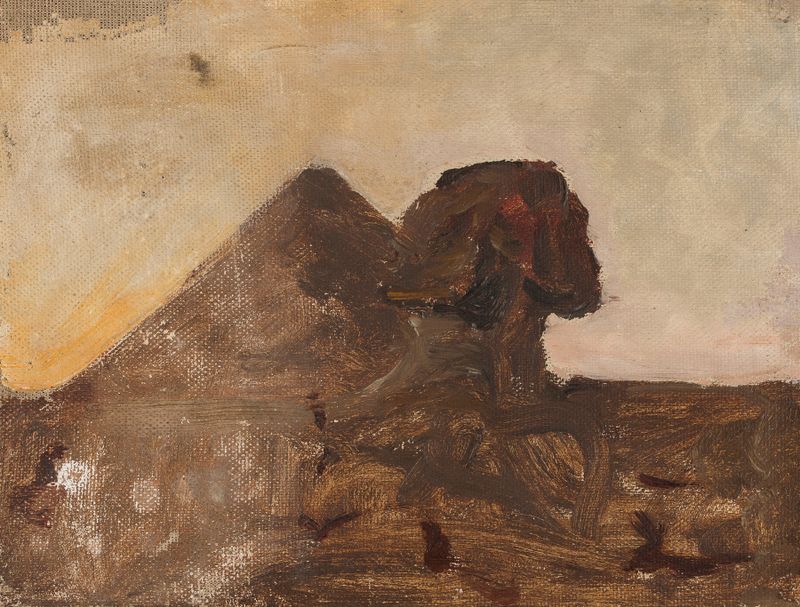
Evening in the desert – Sphinx and pyramid. From the journey to Egypt
Jan Ciągliński





