River and Church in ruins — History & Facts
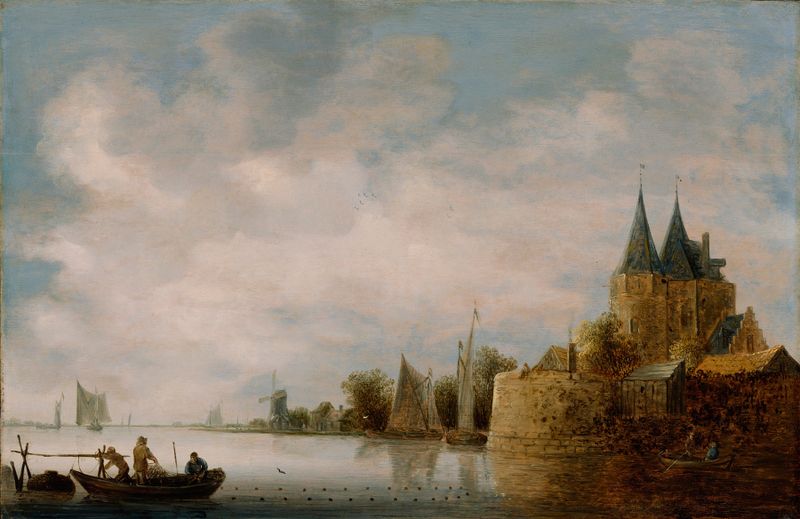
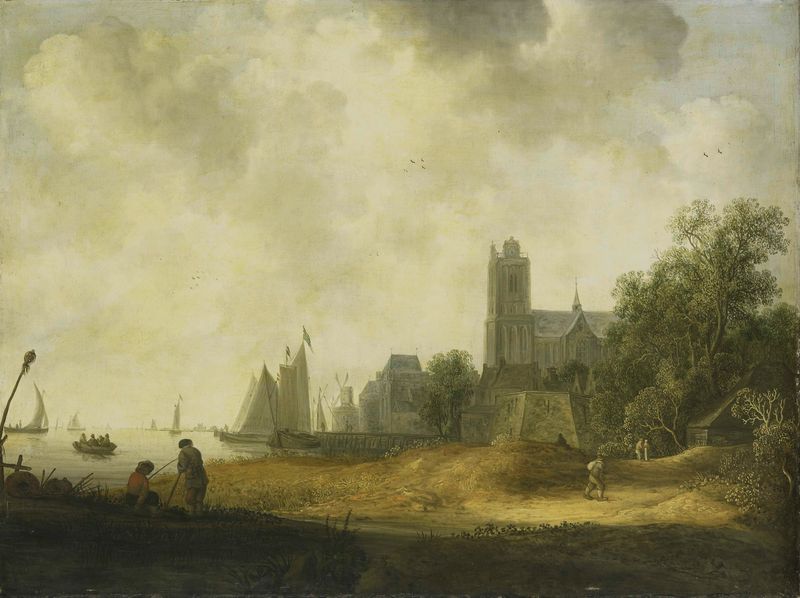
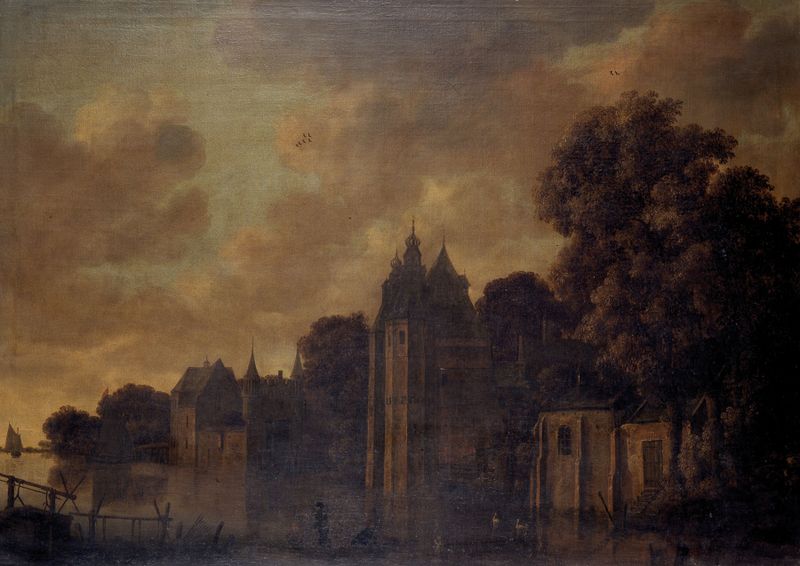
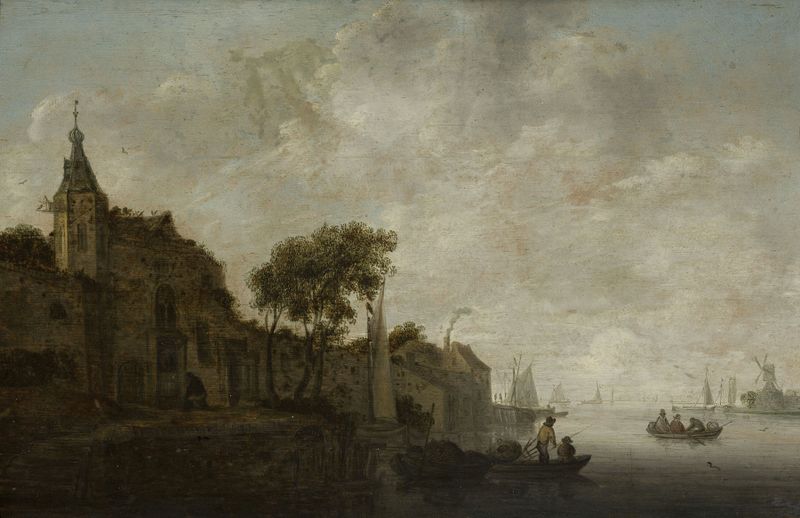
What secret hides in the quiet of the canvas? Within the subdued hues and still waters lies a haunting narrative of loss, subtly beckoning the observer to delve into its depths. Look to the left at the languid river, its surface mirroring the muted sky, where soft grays intermingle with hints of blue. Notice how the dilapidated church stands resilient yet forlorn at the horizon’s edge, its crumbling stones bathed in a gentle light that suggests both hope and despair. The balance of shadow and illumination creates an atmosphere thick with contemplation, where the viewer's gaze is drawn towards the juxtaposition of nature's persistence against human fragility. As you explore further, reflect on the delicate interplay of life and decay.
The river, a symbol of continuity, flows past the remnants of a once-thriving structure, perhaps a monument to faith now abandoned. This contrast evokes profound emotions, inviting thoughts about the passage of time and the memories embedded within ruins. The stillness of the scene reflects a deeper mourning, a visual elegy for what has been lost, both in architecture and in the human experience. In 1643, Wouter Knijff painted this piece during a period marked by both social upheaval and artistic transformation in Europe.
The Dutch Golden Age was in full bloom, yet the shadows of conflict loomed large, influencing artists to explore themes of transience and nostalgia. This work sits at the intersection of personal reflection and broader cultural shifts, encapsulating a moment when art began to mirror the complexities of an evolving world.