
River Forth with the Town and Castle of Stirling in the Distance — History & Facts
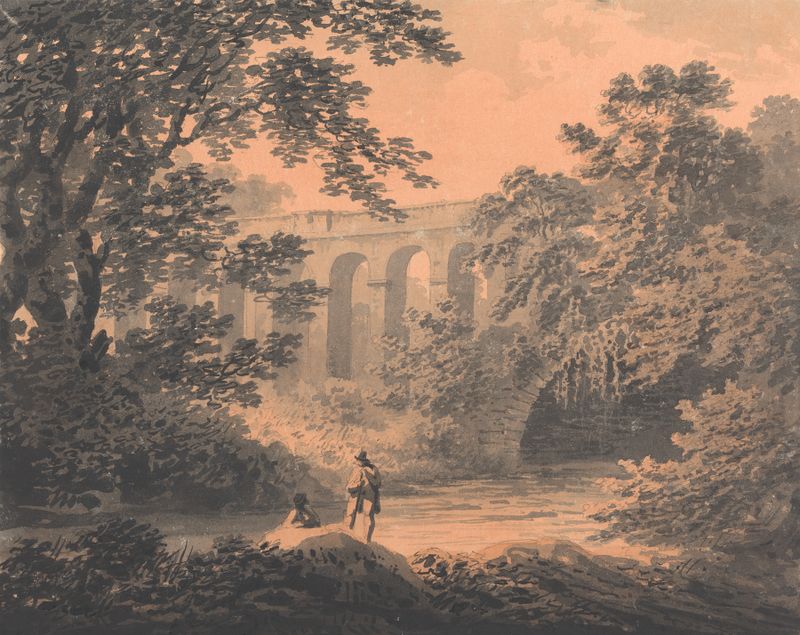
Who listens when art speaks of silence? In River Forth with the Town and Castle of Stirling in the Distance, a landscape emerges as a testament to transformation, where nature's serenity meets human history. Look to the sweeping vista that dominates the canvas, where the River Forth glistens beneath a tender sky. The gentle blues and greens harmonize, inviting the viewer's eye to roam along the meandering water. Notice how Gilpin’s brushstrokes capture the stillness of the scene, each stroke imbuing life into the foliage and reflecting the tranquility of the moment.
The town and castle, nestled in the background, stand as silent sentinels—guardians of history, their muted tones echoing the whispers of the past. Delve deeper into the contrasts the artist presents: the vibrant life of the river versus the stoic architecture of the castle. The interplay between the fluidity of nature and the permanence of human creation speaks to the inevitable passage of time. Here, transformation is not just physical but emotional, revealing the underlying tension between the ephemeral and the eternal.
The quietude of the landscape serves as a canvas for reflection, urging viewers to consider what stories lie beneath the surface. William Gilpin painted this work in 1780, during a period when he was deeply engaged with the picturesque movement, advocating for a new appreciation of nature's beauty. Living in England, Gilpin was at the forefront of Romanticism, marrying art with the ideals of emotional experience and the sublime. This painting encapsulates his vision, reflecting both the serenity of the Scottish landscape and the historical weight of its iconic castle, inviting contemplation of the world around him.
More Artworks by William Gilpin
Browse all →
Bridgnorth Bridge, Shropshire
William Gilpin
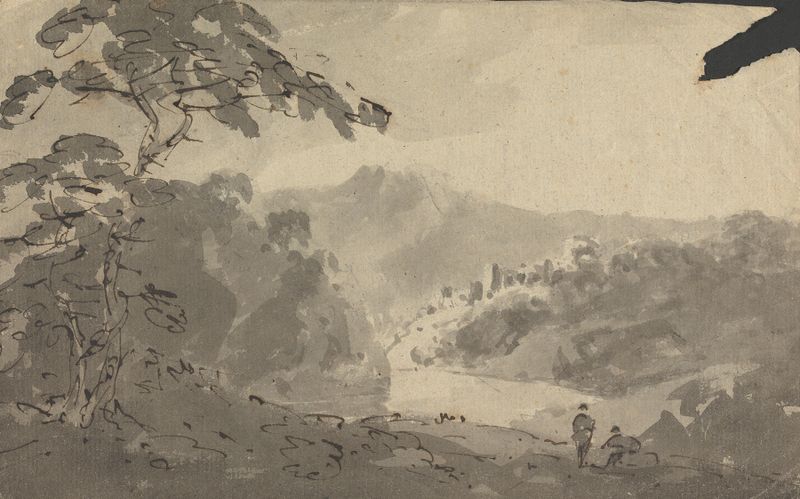
Two Men Looking Into Landscape with Castle, River and Mountain Scene
William Gilpin
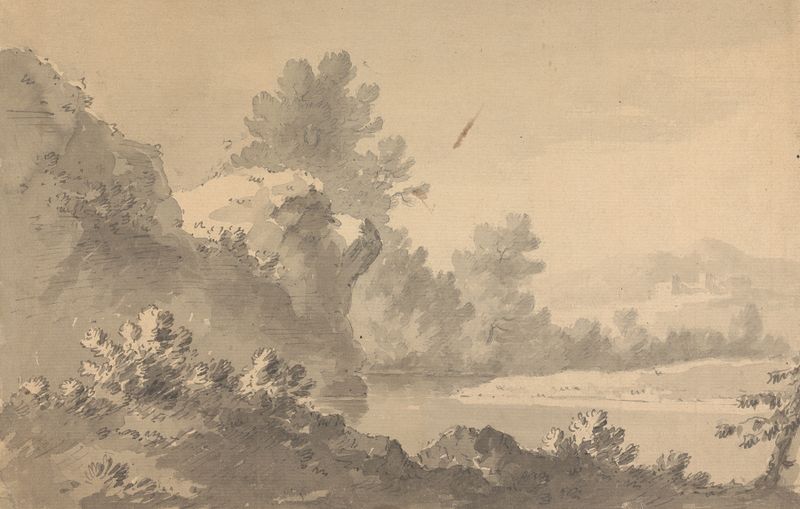
River Landscape with Castle in the Distance
William Gilpin
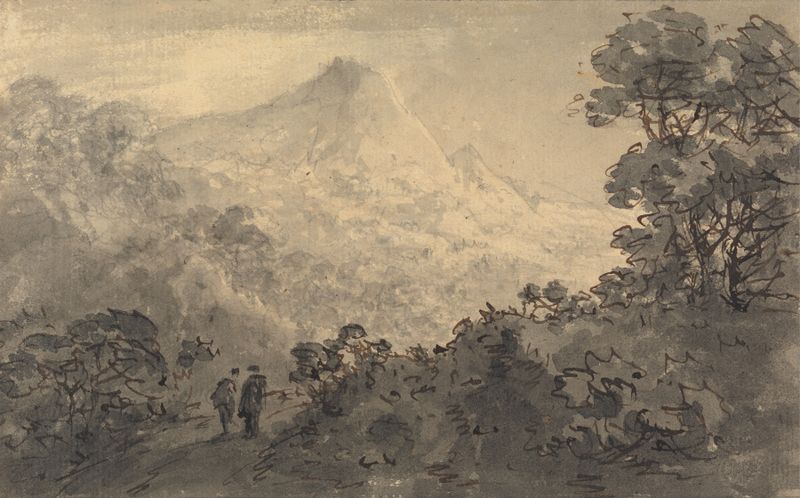
Snowdon
William Gilpin

Hilly Landscape
William Gilpin
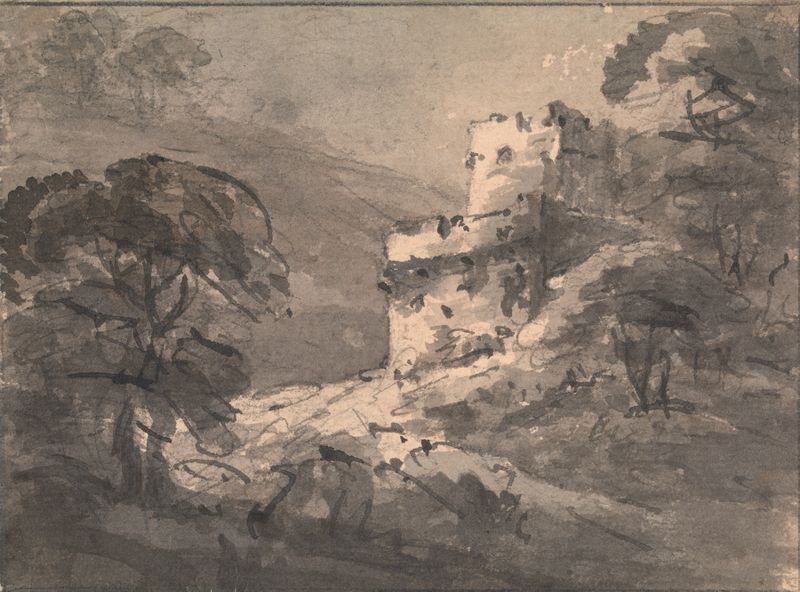
Landscape with a Ruined Castle on the Right
William Gilpin

Mountainous Landscape with Trees – High Crags to the Right
William Gilpin

View of Castle Ruin
William Gilpin
Bridge on the Malton Road from York
William Gilpin

Landscape with Two Trees and Castle
William Gilpin





