
River with a Distant Tower — History & Facts
In the gentle swirl of paint, we confront the haunting echoes of loss, suggesting a fragility that belies the serene beauty of the landscape. Focus on the shimmering river that meanders through verdant banks, its surface alive with the dappled reflections of trees and sky. The distant tower rises subtly, a stoic presence against the backdrop of soft clouds. Notice how the artist employs a muted palette, blending earthy greens with the gentle blues of the water, evoking a sense of calm and nostalgia.
Each brushstroke seems deliberate, a conversation between nature and the architecture, inviting the viewer into a world both tranquil and contemplative. Yet, beneath this serene facade lies a poignant tension. The distant tower, while majestic, suggests isolation; it stands apart, as if mourning what has been lost to time. The river, in its fluidity, embodies the passage of life — ever-changing, yet constant in its flow.
Together, these elements reflect a bittersweet acceptance of impermanence, urging us to embrace beauty even in the face of absence. In 1865, while painting this work, the artist was navigating personal changes against the backdrop of a shifting art world. Working primarily in France, Corot was influenced by the burgeoning Impressionist movement, yet he remained grounded in his own romantic vision of nature. This period marked a time of reflection for him, as he sought to capture not just the visual splendor of landscapes but also the emotional resonance they held.
More Artworks by Jean-Baptiste-Camille Corot
Browse all →
View of Genoa
Jean-Baptiste-Camille Corot
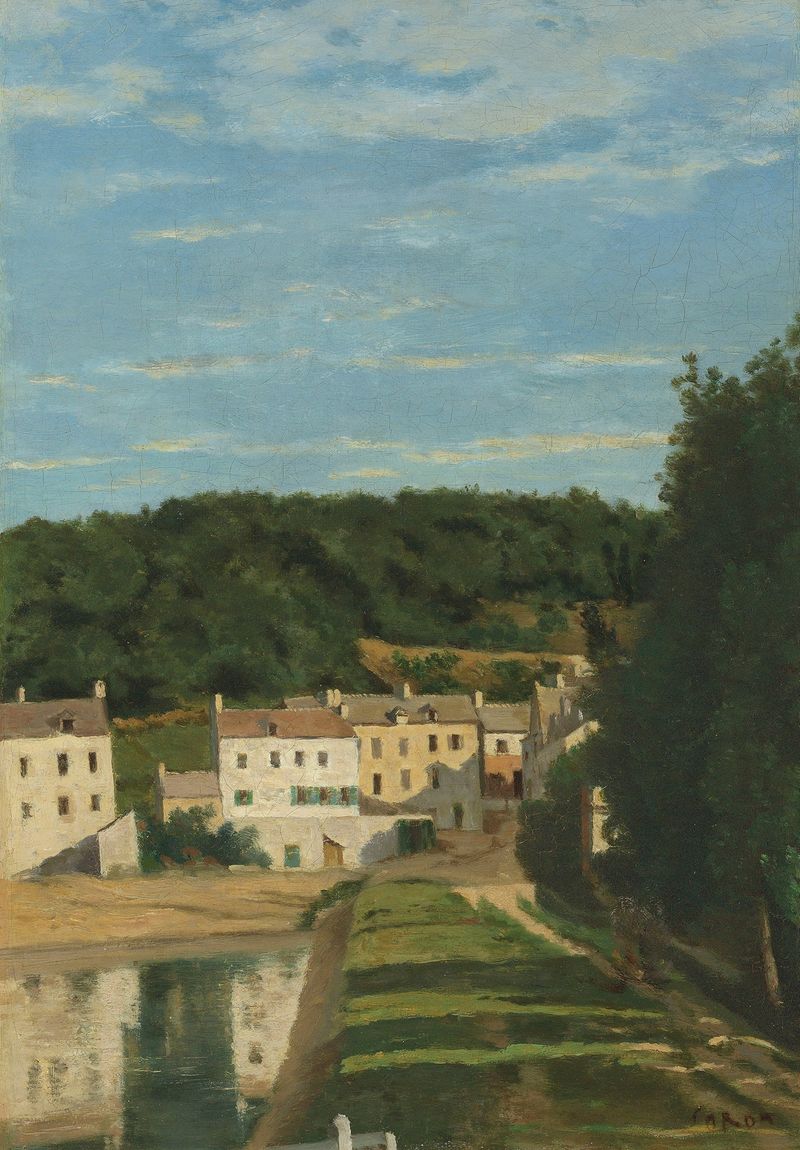
Les Maisons Cabassud À Ville D’avray
Jean-Baptiste-Camille Corot

La solitude. Souvenir de Vigen (Limousin)
Jean-Baptiste-Camille Corot
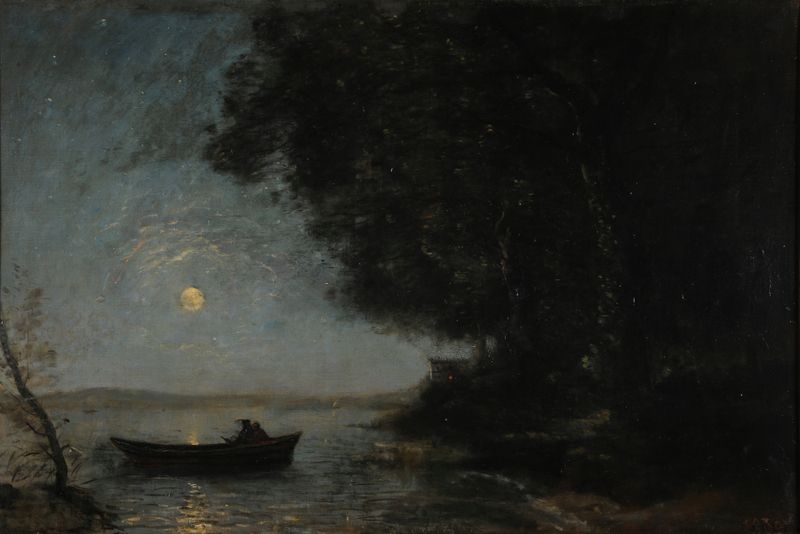
Le lac ; effet de nuit
Jean-Baptiste-Camille Corot
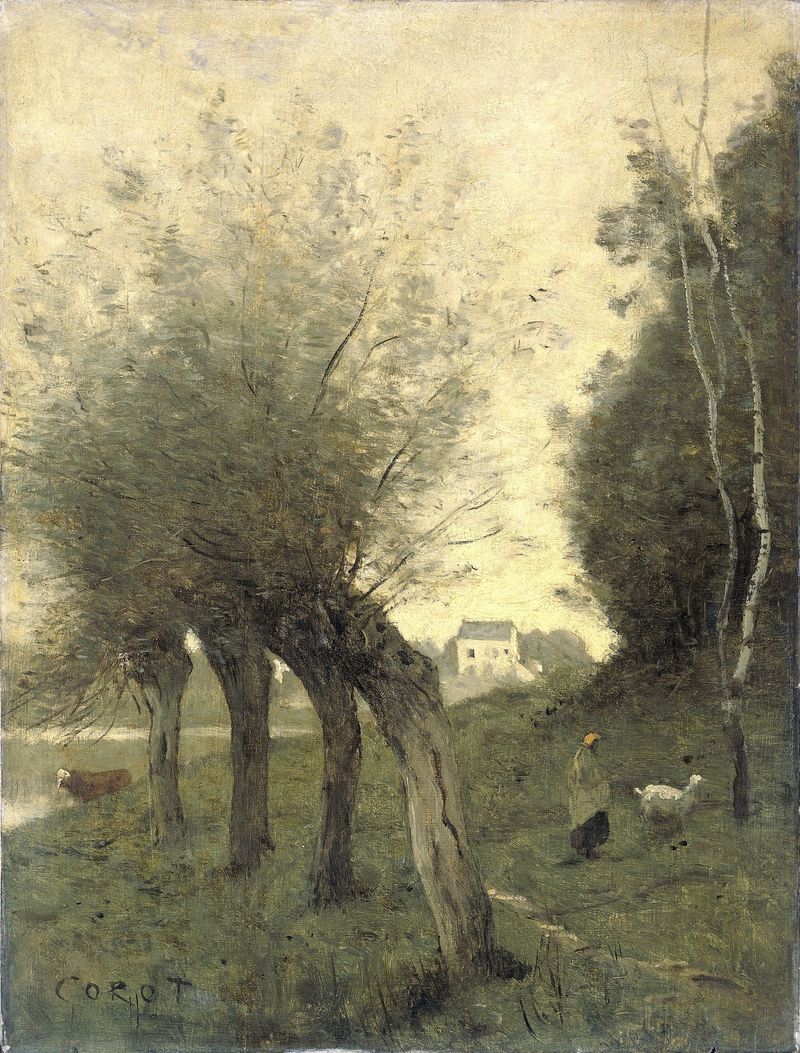
Landscape with Pollard Willows
Jean-Baptiste-Camille Corot
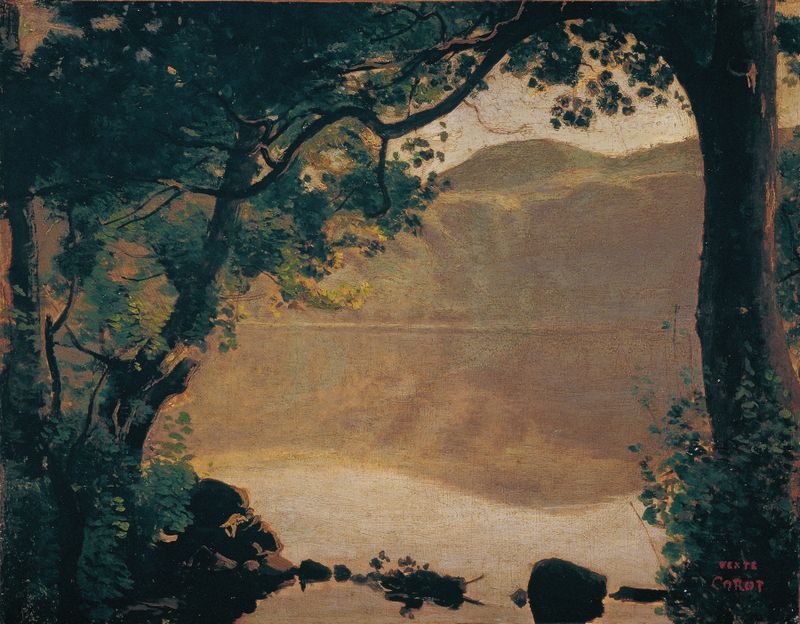
Der Nemisee
Jean-Baptiste-Camille Corot
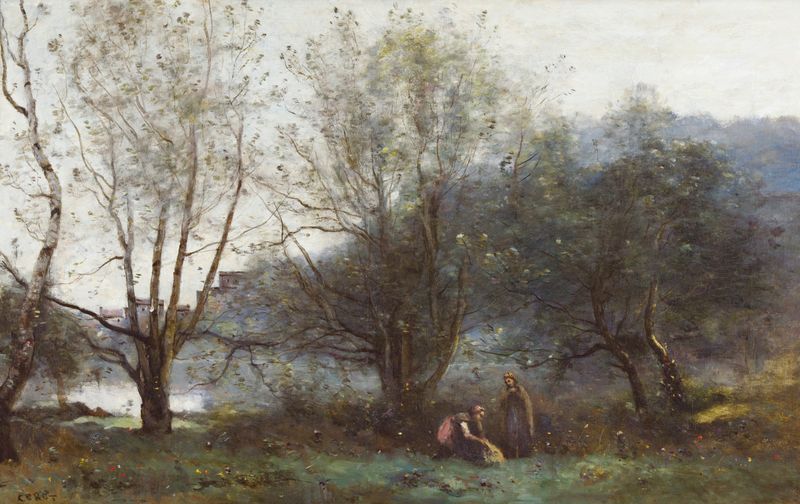
Les Étangs De Ville D’avray
Jean-Baptiste-Camille Corot
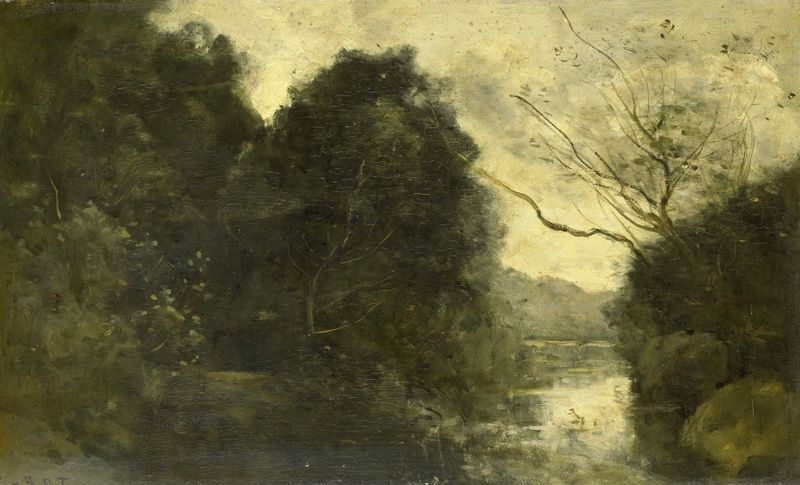
Pond in the Woods
Jean-Baptiste-Camille Corot
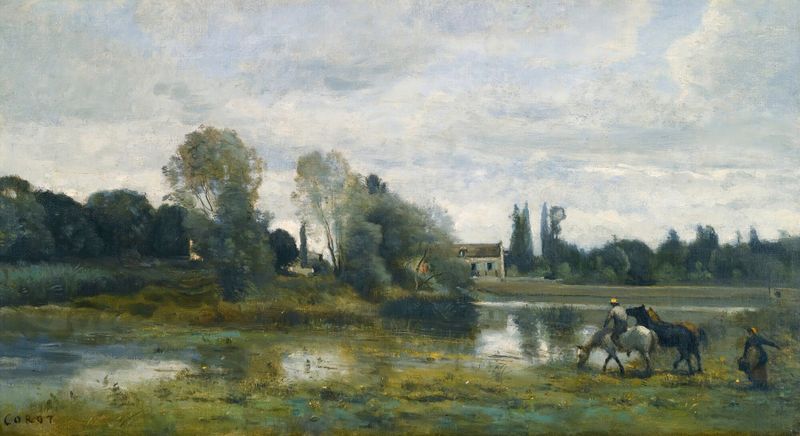
Ville D’avray; L’abreuvoir Des Chevaux
Jean-Baptiste-Camille Corot
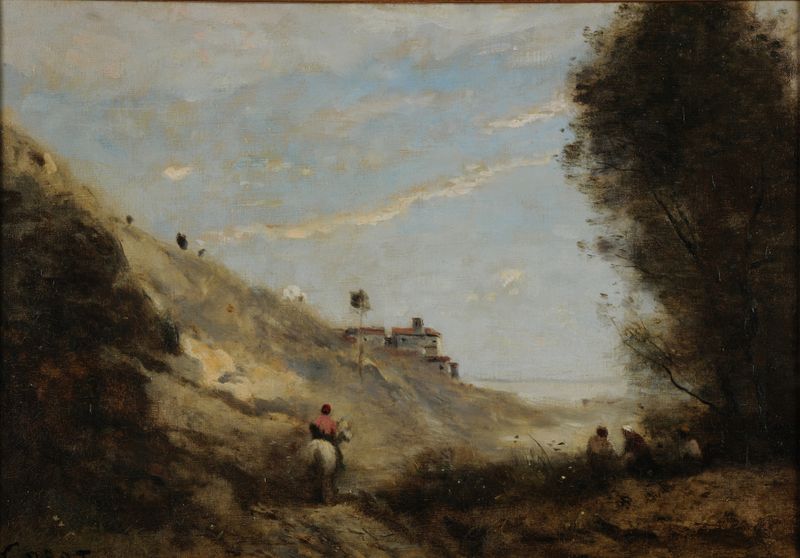
Le vallon au cavalier
Jean-Baptiste-Camille Corot





