Discover insights about this artwork
Riverside — History & Facts
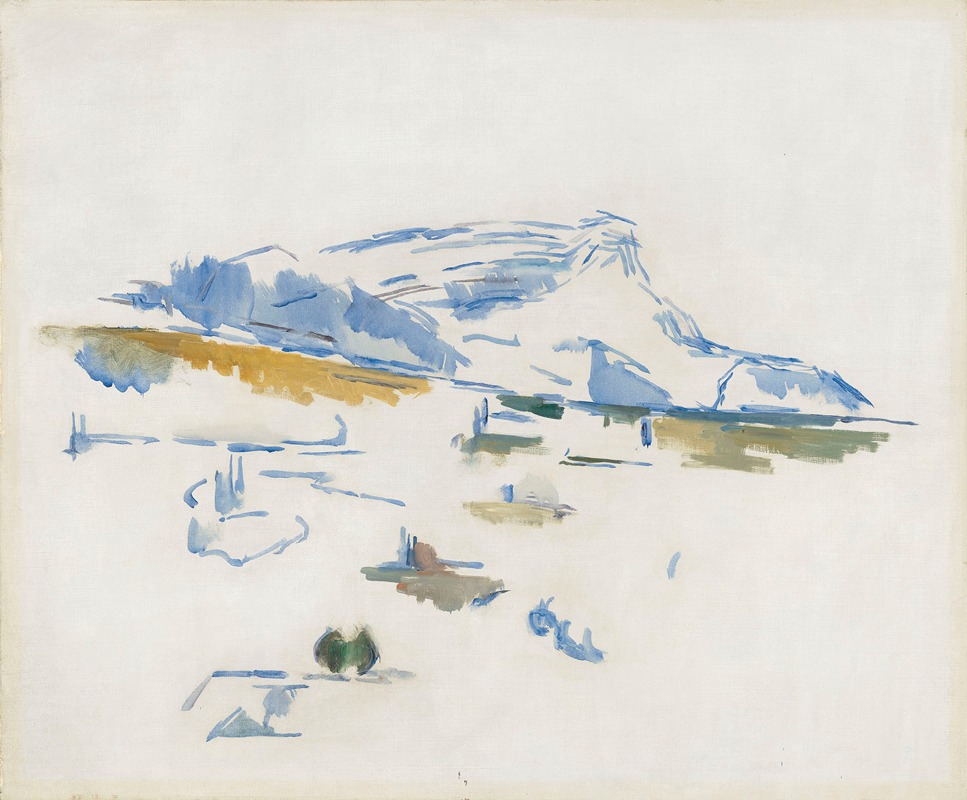
In Riverside, Paul Cézanne presents a tranquil landscape filled with lush greenery and a flowing river. The painting is characterized by its vibrant greens, blues, and earthy tones that create a harmonious scene. The brushstrokes are visible, adding texture and depth to the foliage and water.
The composition invites the viewer to immerse themselves in the serene natural setting. Cézanne employs oil on canvas to create this landscape, a common medium for his work. The dimensions are approximately 65 x 81 cm, making it a medium-sized painting. The use of color is striking, with a palette that emphasizes the interplay of light and shadow.
The brushwork is distinctive, showcasing Cézanne's unique approach to form and perspective. Riverside is a notable example of Cézanne's exploration of nature and his desire to capture the essence of the landscape. Created in the 1890s, this painting reflects his shift towards a more abstract representation of the natural world. An interesting fact about this work is that it embodies his belief that art should reflect the underlying structure of nature, rather than just its surface appearance.
This approach would later influence many modern artists in the 20th century.
More Artworks by Paul Cézanne
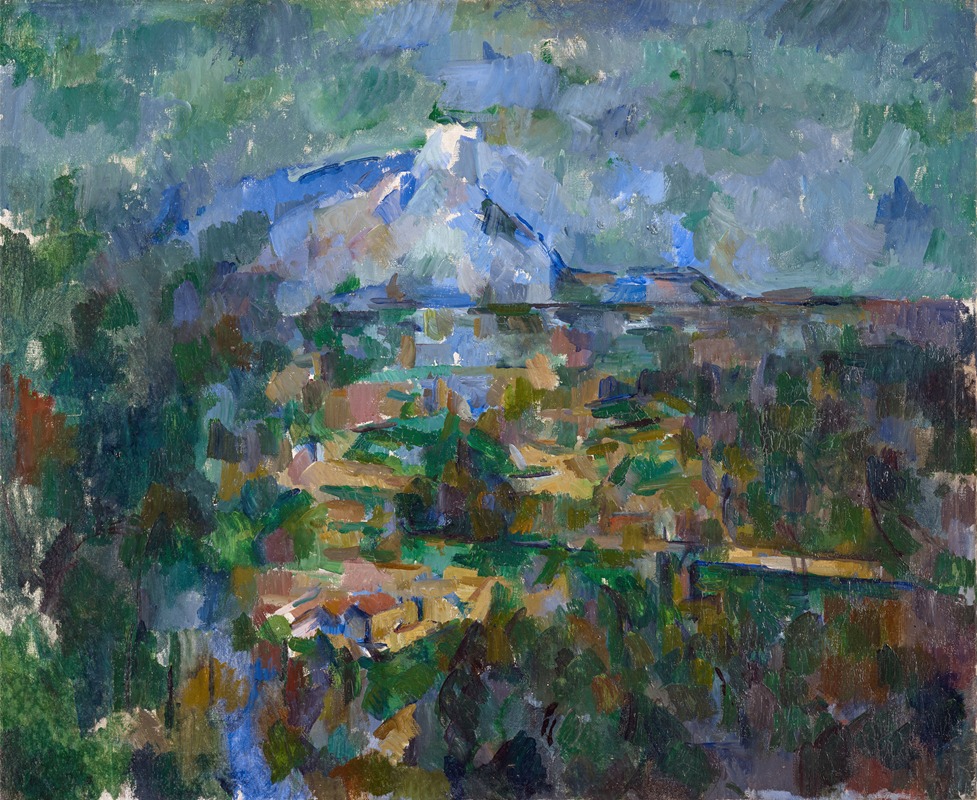
The Mont Sainte-Victoire Seen From Les Lauves
Paul Cézanne
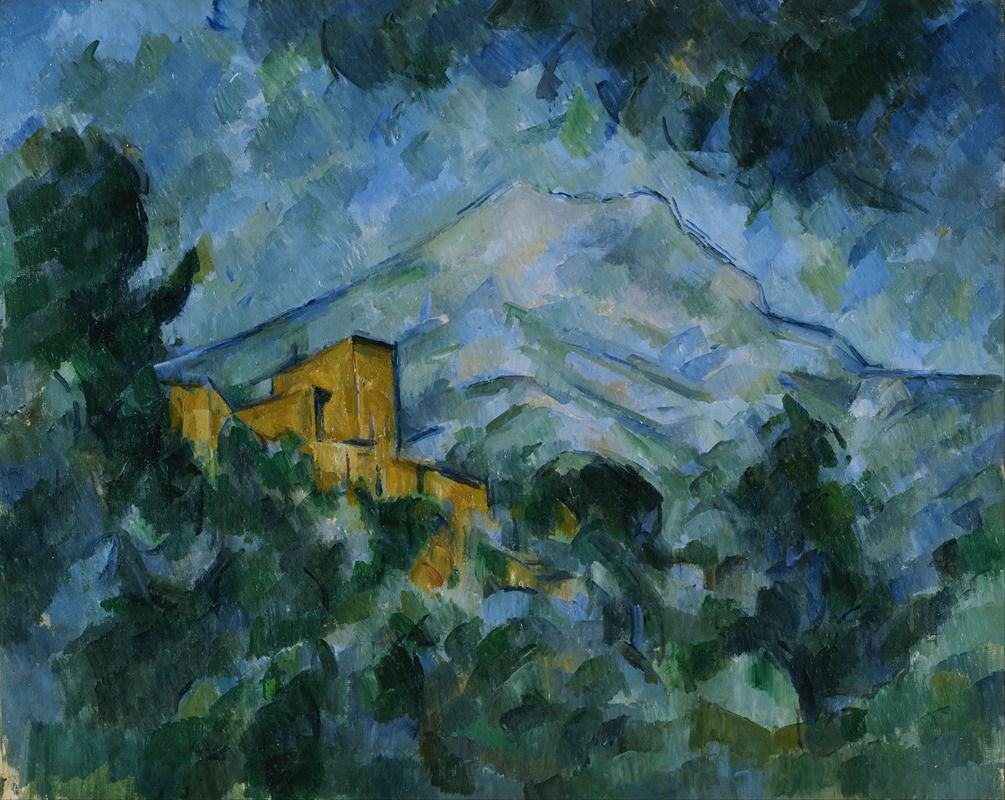
Mont Sainte-Victoire and Château Noir
Paul Cézanne
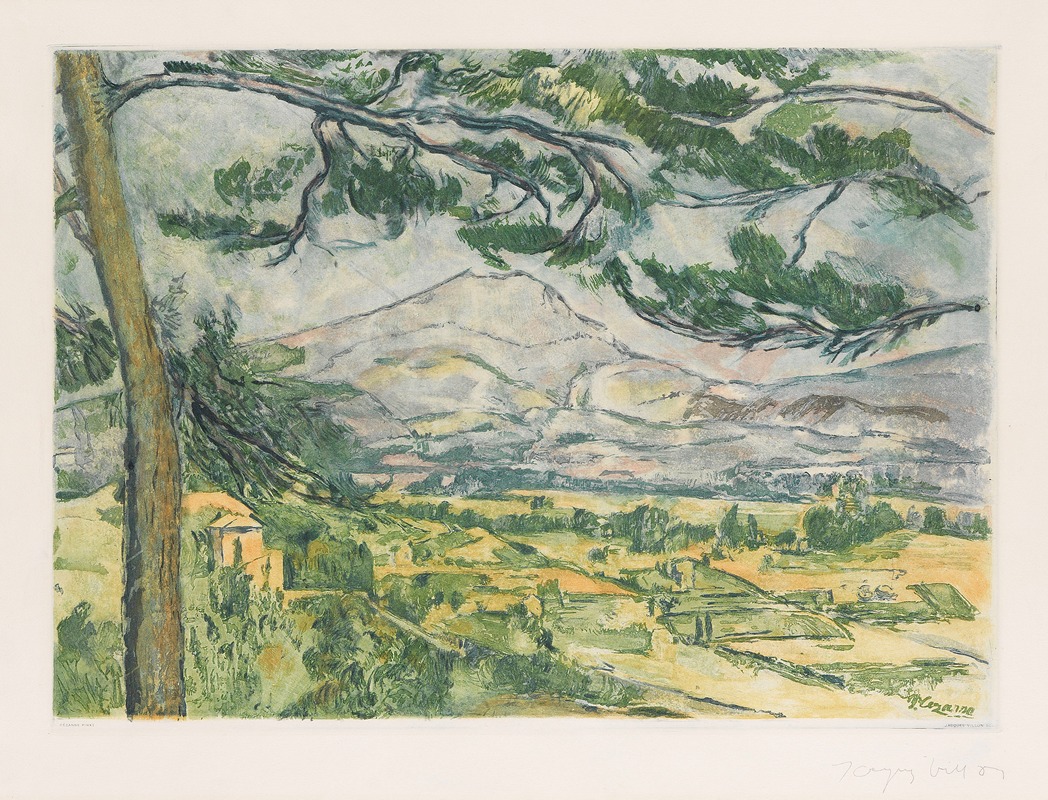
La Montagne Sainte-Victoire
Paul Cézanne
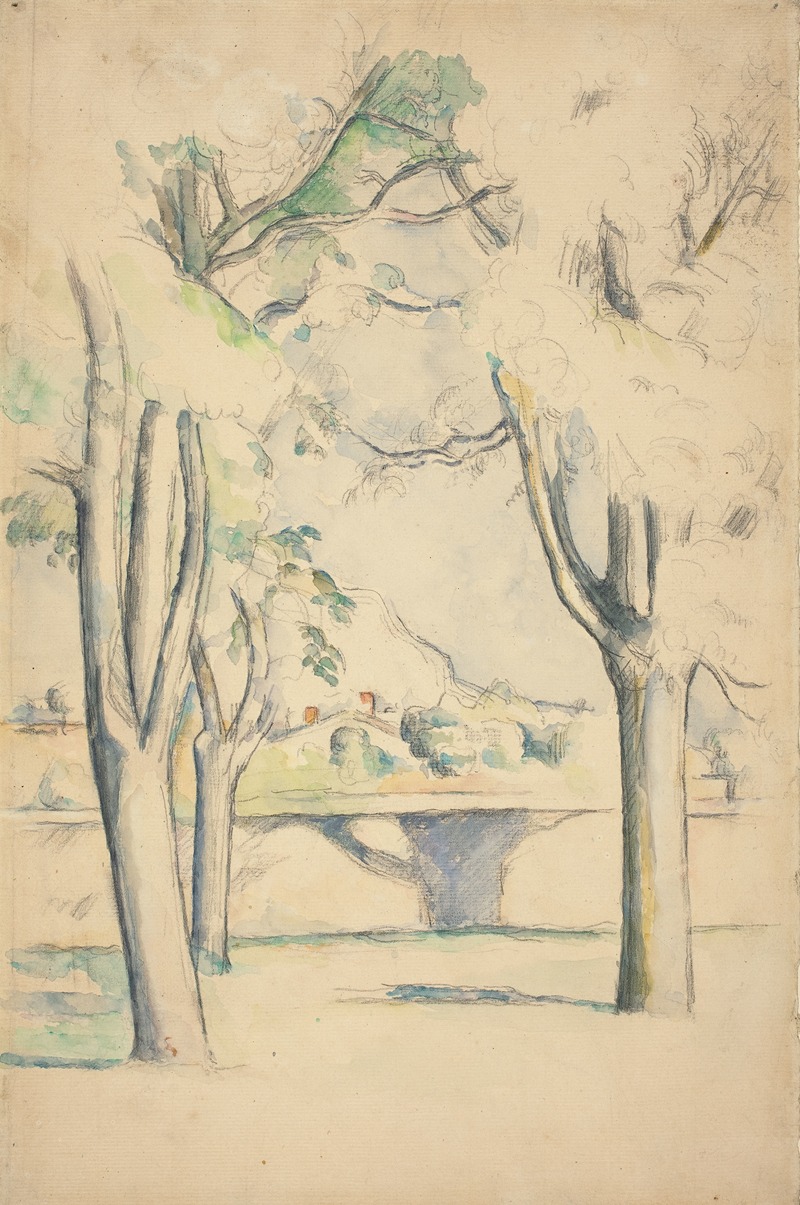
Mont Sainte-Victoire Seen beyond the Wall of the Jas de Bouffan
Paul Cézanne
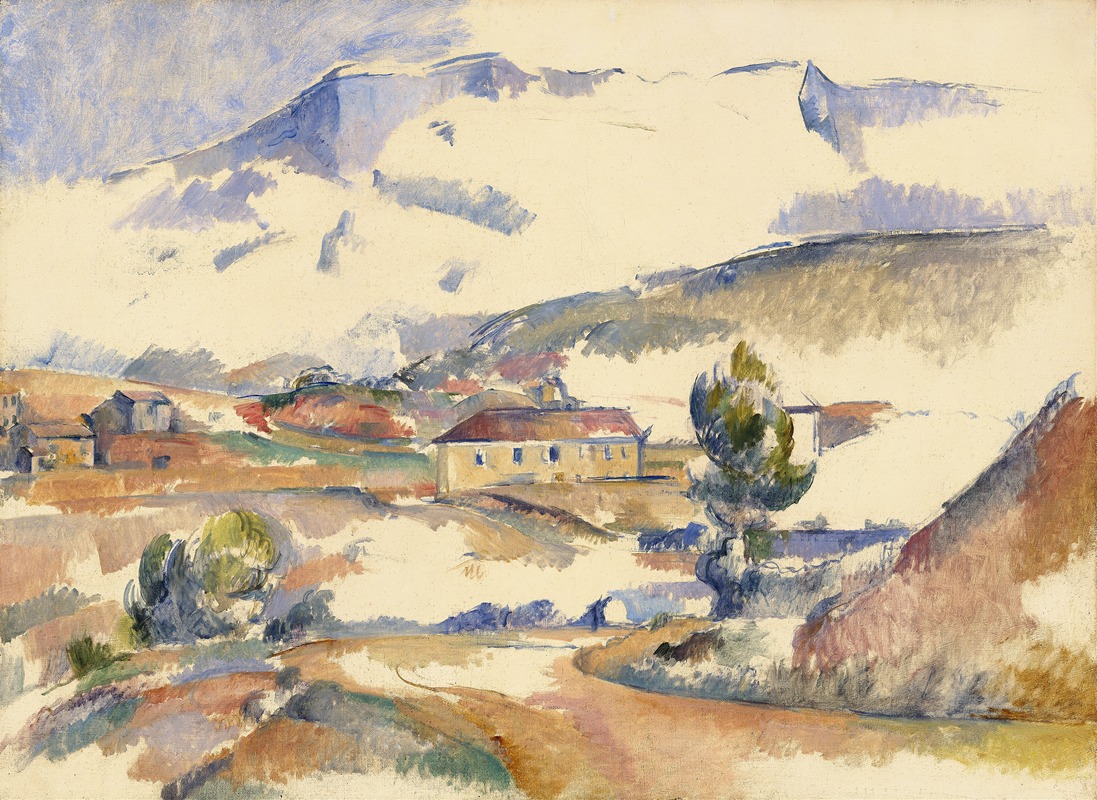
Montagne Sainte-Victoire,from near Gardanne
Paul Cézanne
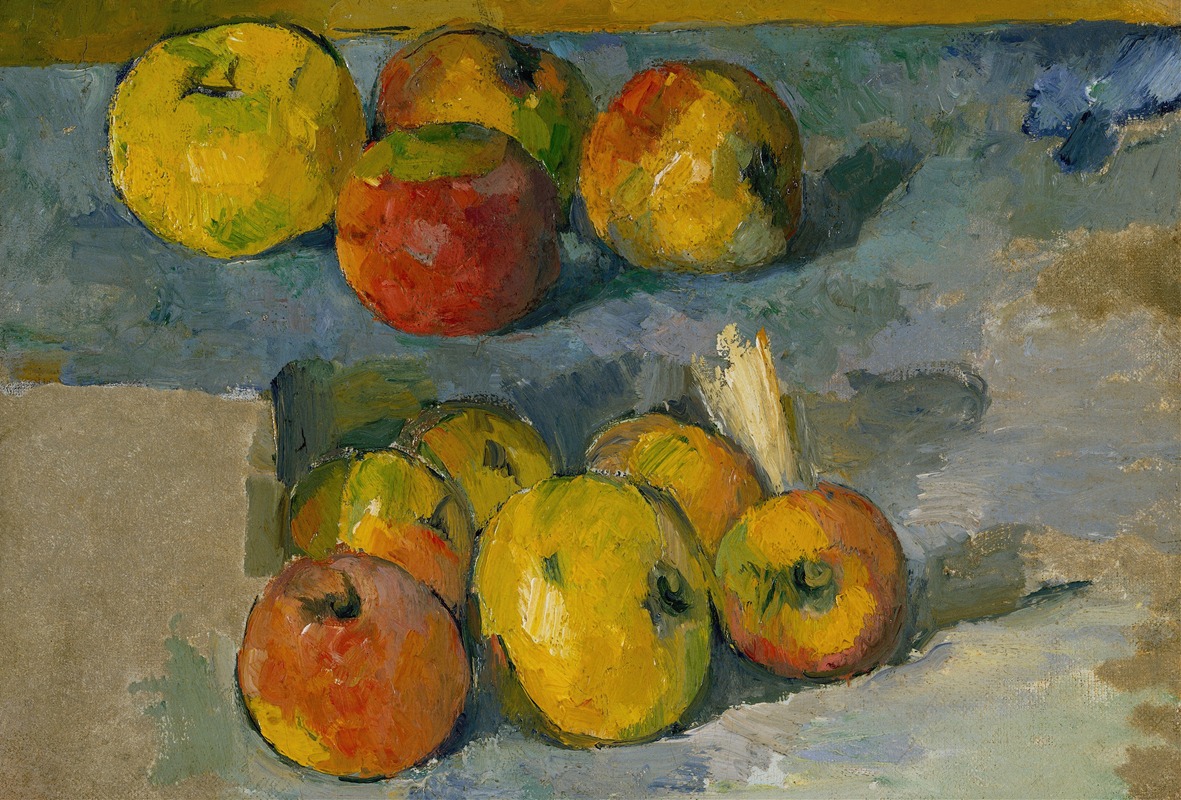
Apples
Paul Cézanne
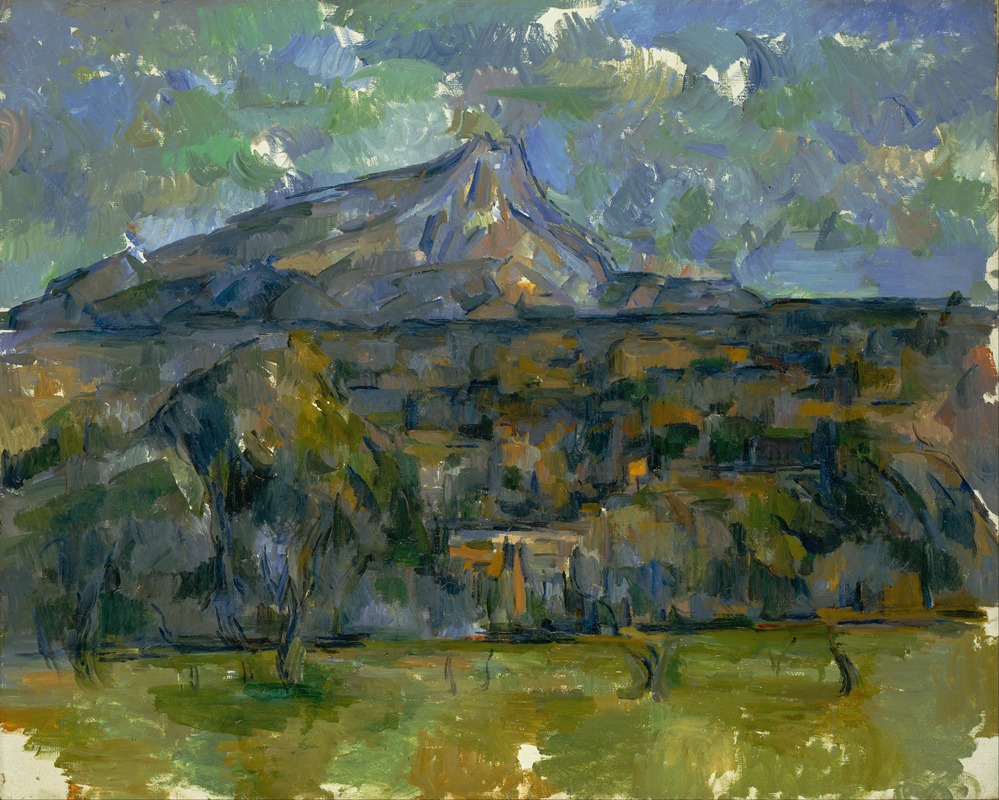
Mont Sainte-Victoire
Paul Cézanne
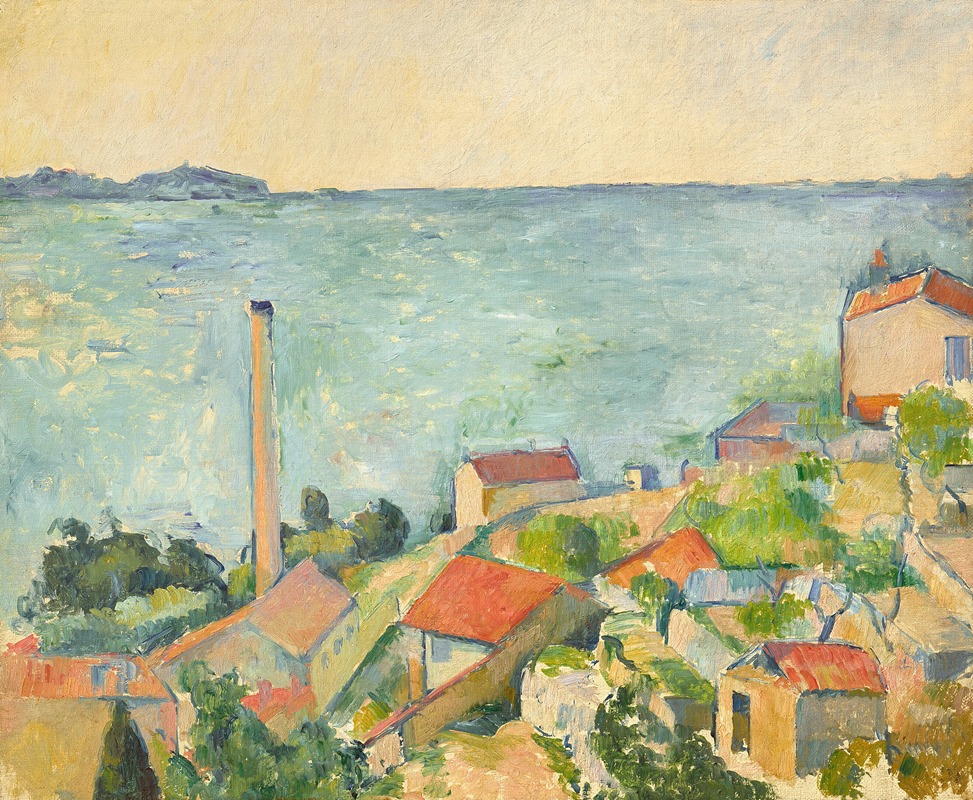
La mer à l’Estaque
Paul Cézanne
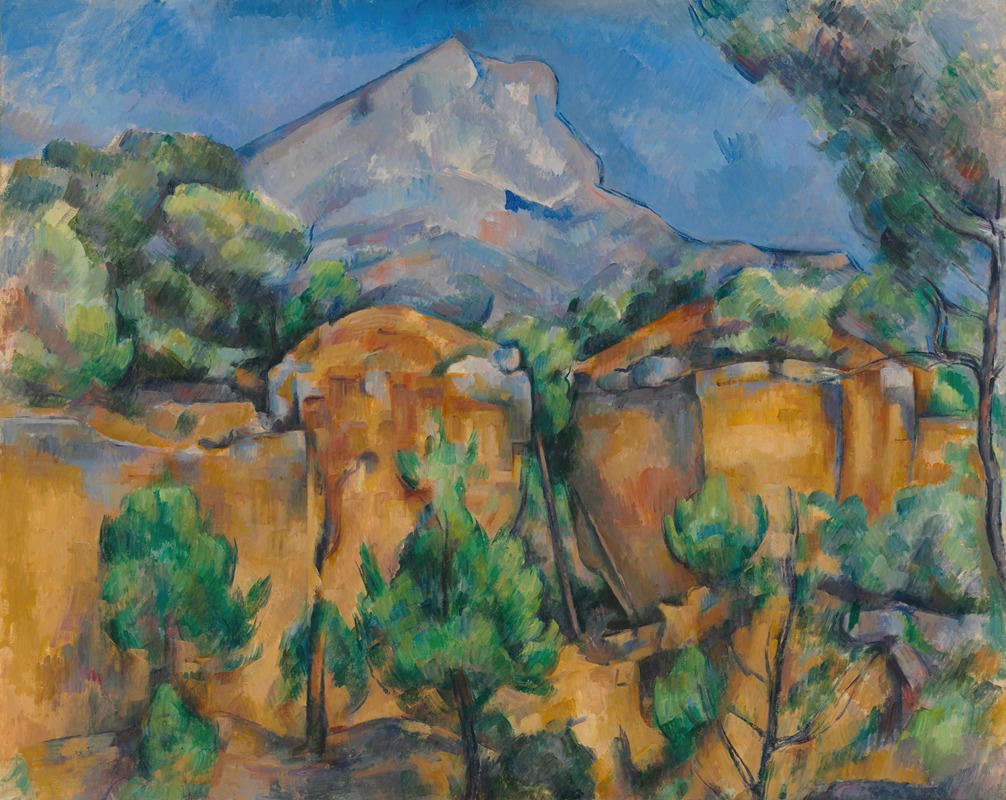
La Montagne Sainte-Victoire vue de la carrière Bibémus
Paul Cézanne
La Montagne Sainte-Victoire vue des Lauves
Paul Cézanne