
Road to the Hills — History & Facts
In silence, nature breathes, reclaiming its timeless essence amidst human presence, frozen yet ephemeral. Look closely at the gentle undulations of the road leading toward the hills, where vibrant greens dance with dappled sunlight. The artist's technique reveals an intimate understanding of light and shadow, creating depth that invites the viewer to wander along the winding path. The soft blending of earthy tones and the delicate strokes of the trees evoke a sense of serenity, while the horizon beckons with promises of exploration. Beneath the surface, there's a quiet tension between the path and the surrounding wilderness.
The road, a symbol of human endeavor, intertwines with the natural world, suggesting both progress and the inevitable return to solitude. Each element holds a story: the towering trees stand as guardians of this journey, while the subtle variations in color hint at the changing seasons—a reminder that nothing is permanent. In the late 1910s, the artist created this piece while immersed in the vibrant art scene of Texas. This period was marked by a renewed appreciation for American landscapes, as the world emerged from the turmoil of the Great War.
Onderdonk, known for his depictions of the Texan countryside, found inspiration in local flora and the tranquility of rural life, translating his observations into a visual meditative experience that resonates with viewers today.
More Artworks by Julian Onderdonk
Browse all →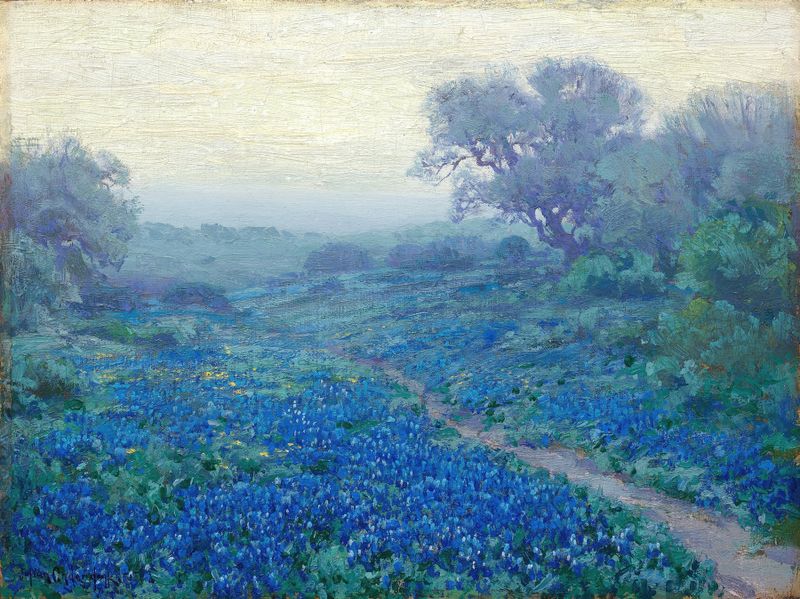
Bluebonnets at Sunrise
Julian Onderdonk
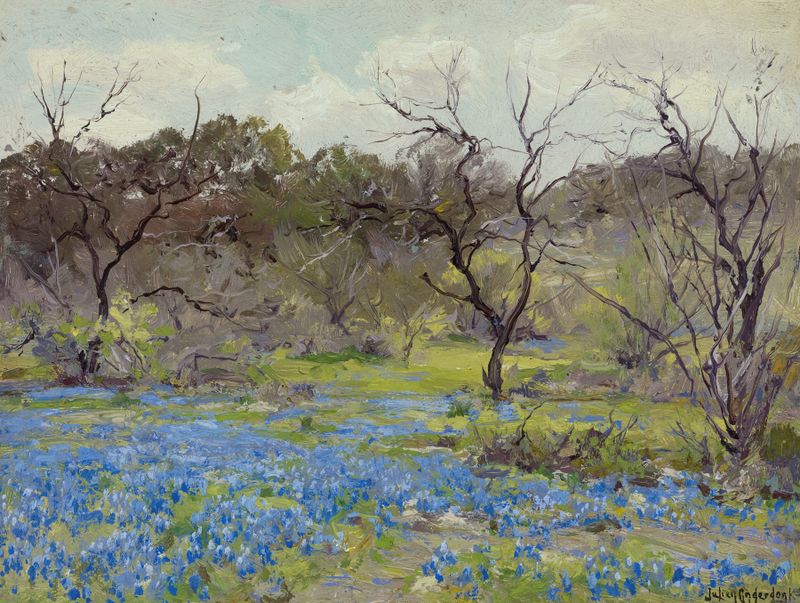
Early Spring—Bluebonnets and Mesquite
Julian Onderdonk
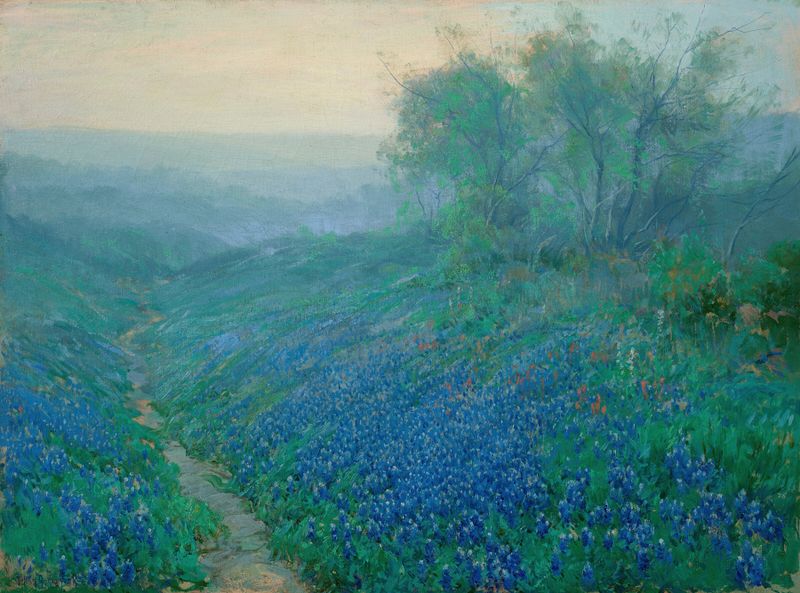
Bluebonnets at Dawn, North of San Antonio
Julian Onderdonk
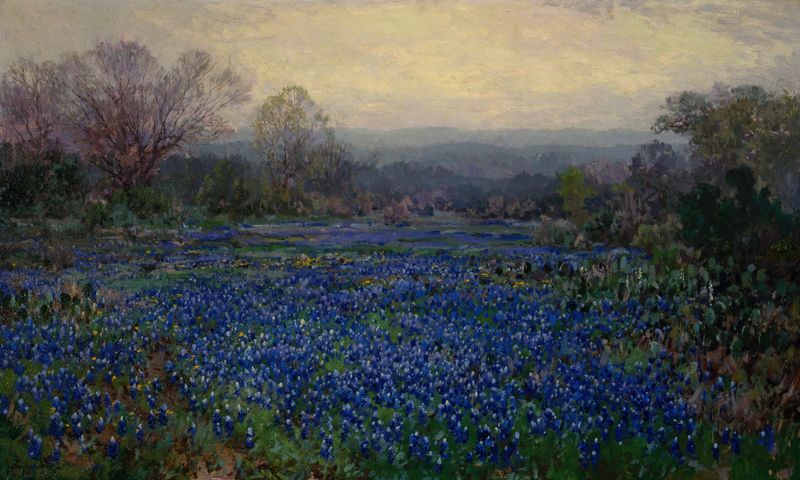
Untitled (Field of Bluebonnets)
Julian Onderdonk
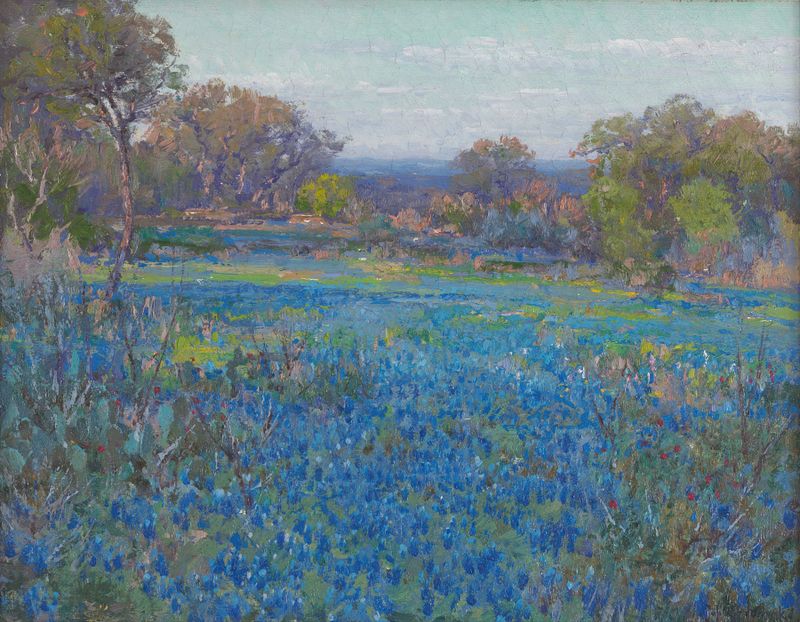
A field of Blue Bonnets, late afternoon sunlight
Julian Onderdonk
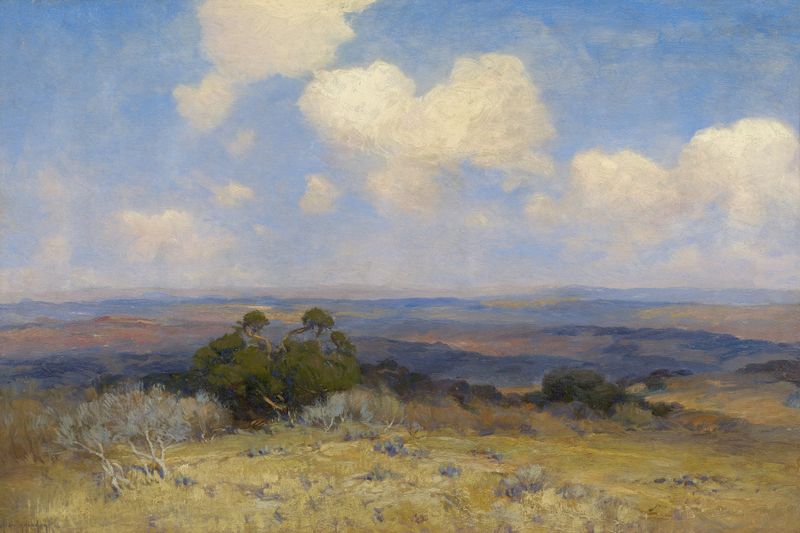
Sunlight and Shadow
Julian Onderdonk
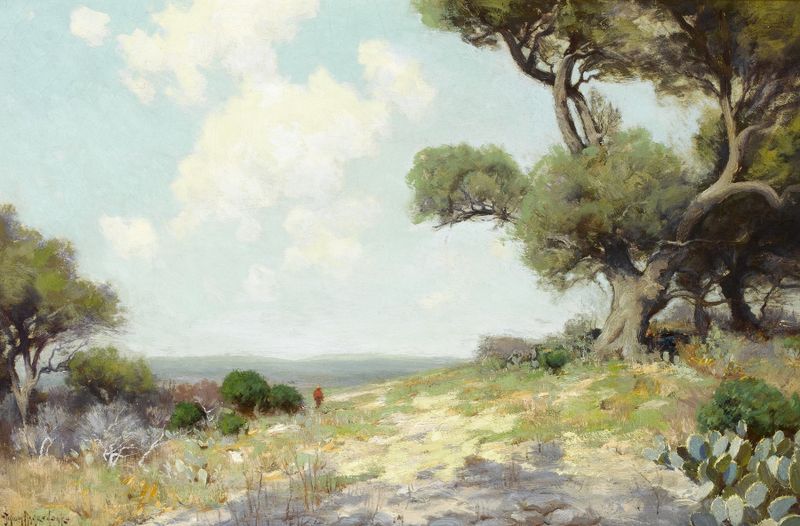
In the Hills — Southwest Texas
Julian Onderdonk
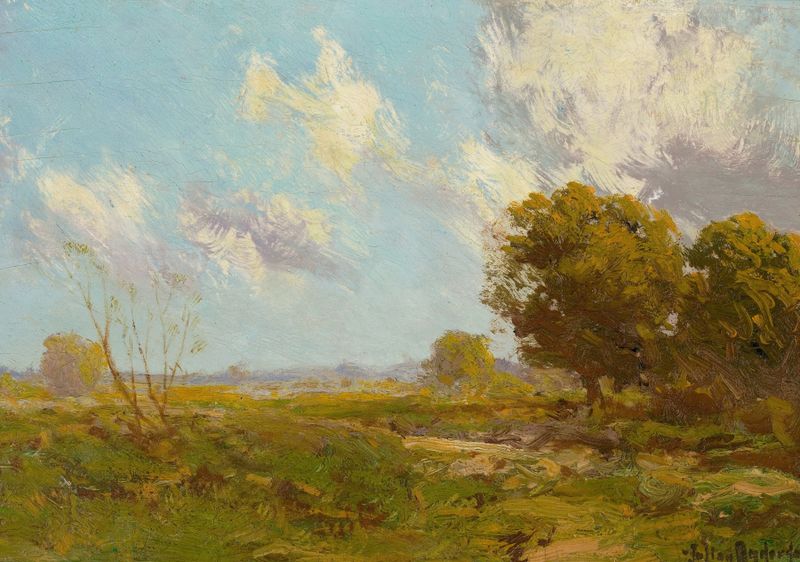
Late Afternoon
Julian Onderdonk
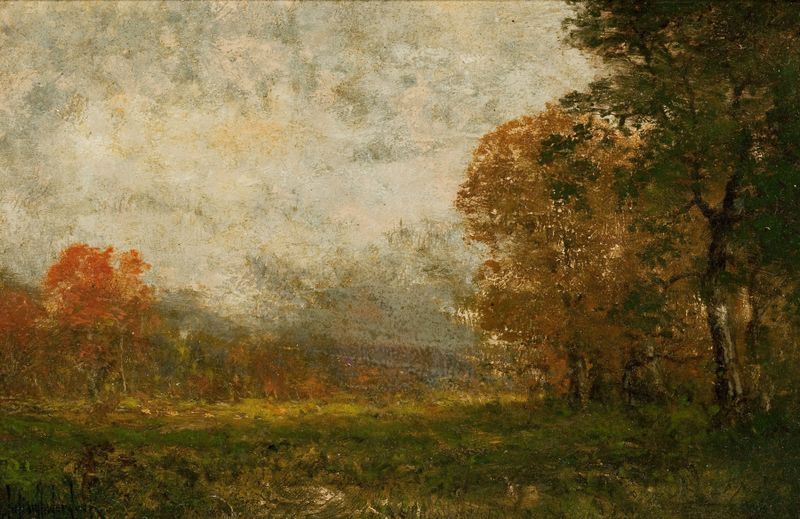
Autumn Landscape
Julian Onderdonk
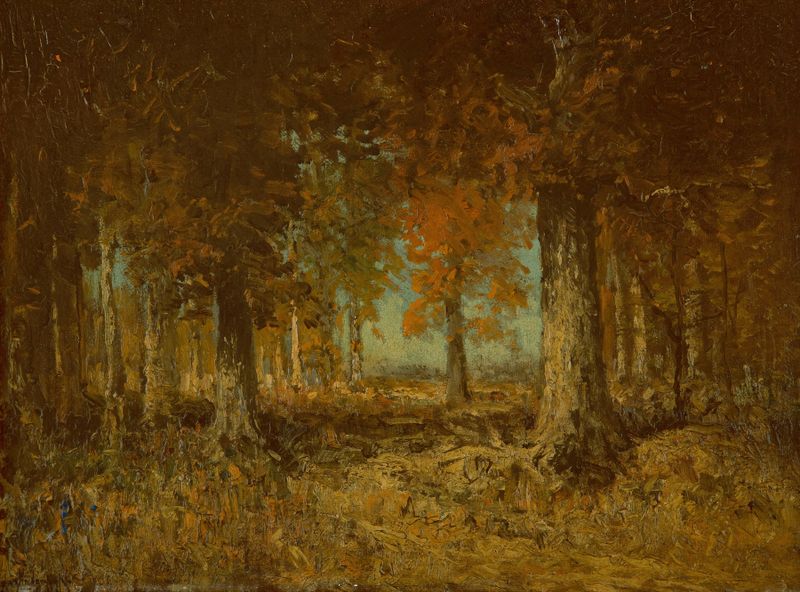
Edge of the Woods
Julian Onderdonk





