
Roche Cuvier Chatillon — History & Facts
What if beauty was never meant to be finished? In Roche Cuvier Chatillon, we find ourselves confronted with the delicate interplay of nature and human craft, a balance that invites contemplation and reflection. Look to the center of the canvas, where the intricate contour of the rock formation looms prominently, its rough edges softened by the gentle touch of atmospheric light. The subtle palette, dominated by earthy ochres and muted greens, evokes a sense of calm, while brushstrokes convey both movement and stillness. Notice how the light glimmers upon the water, creating a shimmering mirror that beckons the viewer to linger and explore.
This composition draws the eye into a serene yet dynamic dialogue between the ruggedness of the rocks and the fluid grace of the water, representing nature’s duality. As you observe the scene, layers of meaning unfold. The juxtaposition of the steadfast rock and the ephemeral water highlights the tension between permanence and transience—an echo of life itself. Each brushstroke carries the weight of an emotion, inviting reflection on the idea that beauty, like nature, is an ever-evolving process rather than a final destination.
The painter captures not just a landscape, but a moment in time where tranquility and chaos coexist, suggesting that harmony can be found within the contrasts of existence. In 1887, Auguste Louis Lepère painted this work while deeply immersed in the Impressionist movement in France. This period was marked by a shift in artistic focus toward capturing light and atmosphere, moving away from more rigid forms of representation. Lepère, influenced by both his contemporaries and the natural world around him, sought to forge a path that celebrated the beauty of imperfection and the balance inherent in nature, cementing his place within the evolution of modern art.
More Artworks by Auguste Louis Lepère
Browse all →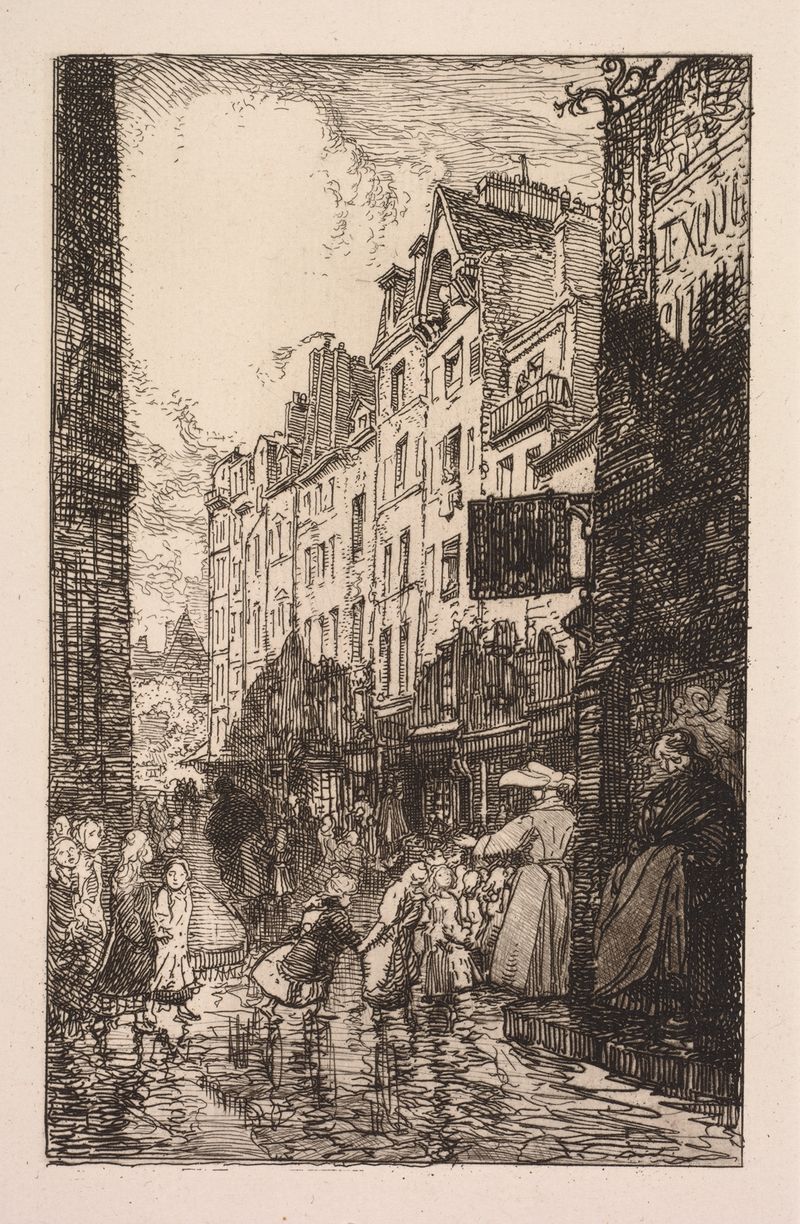
La Rue des Prêtres Saint-Séverin
Auguste Louis Lepère
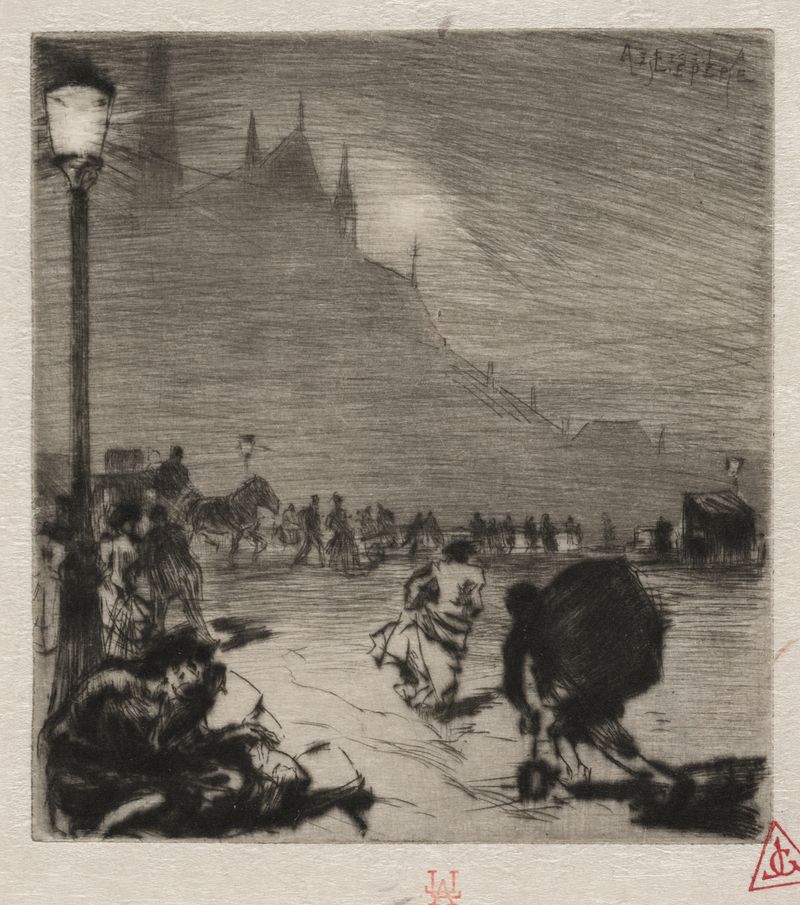
Au Coin du Pont-aux-Doubles
Auguste Louis Lepère
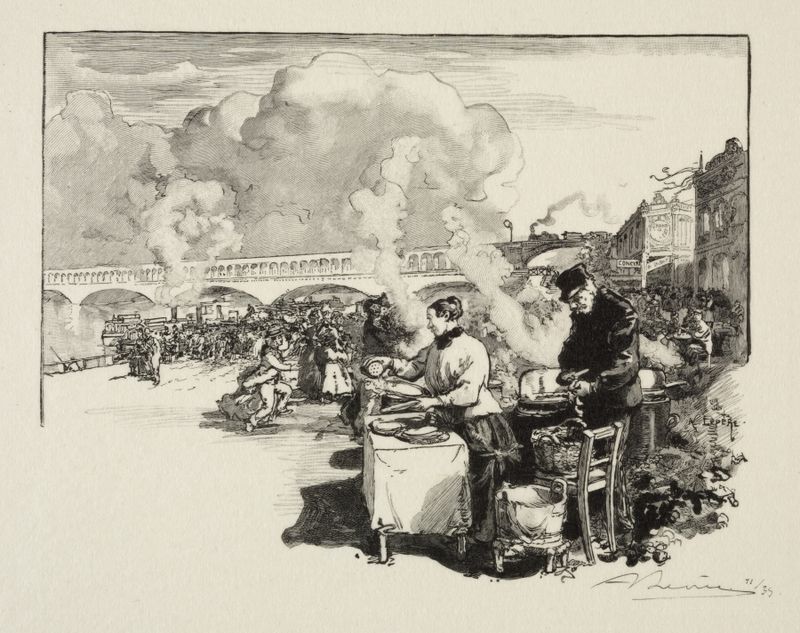
Debarcadère des bateaux-omnibus
Auguste Louis Lepère

La Seine, au quai de la Rapée
Auguste Louis Lepère
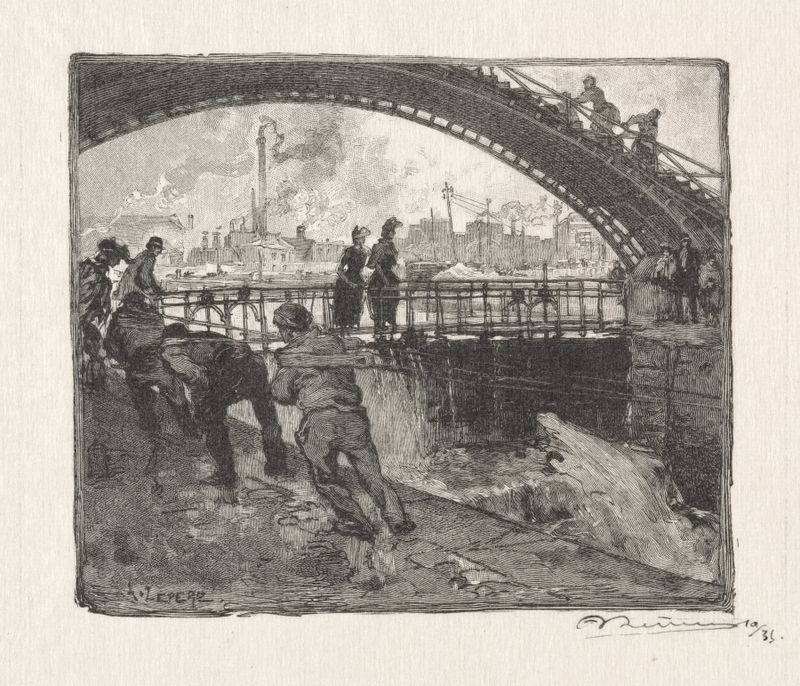
L’Ecluse du Canal St. Martin
Auguste Louis Lepère

Le Boulevard Montmartre, le Soir
Auguste Louis Lepère

Une Chasse au Mont Gérard
Auguste Louis Lepère
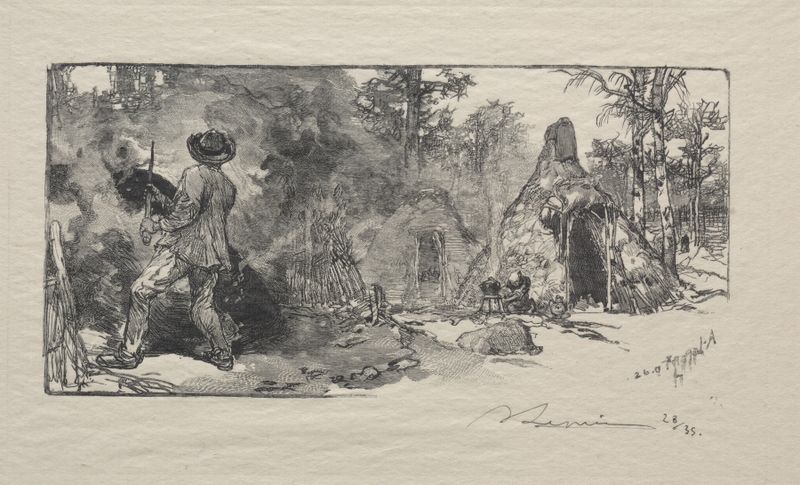
Les Charbonniere
Auguste Louis Lepère
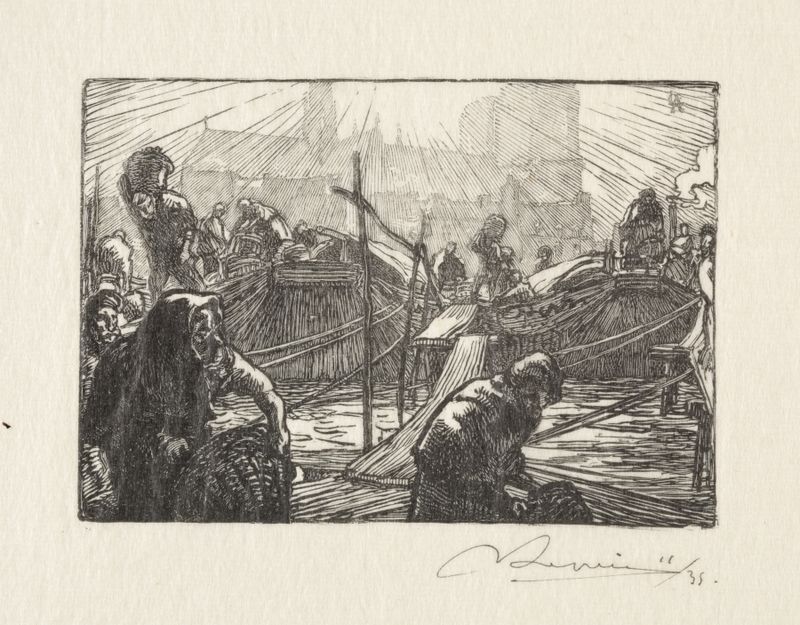
Notre Dame vue du Marché aux pommes
Auguste Louis Lepère

Le Palais des Arts Liberaux, Intèrieur
Auguste Louis Lepère





