
Rocher À Saint-Palais — History & Facts
In the quiet embrace of nature, a heart beats softly, echoing a profound sense of loss. What remains when the vibrant colors fade? Look closely at the foreground, where the rugged rocks jut out against the tumultuous waves. The texture of the brushstrokes captures the rawness of the landscape, while the interplay of light and shadow draws your eye into the depths of the painting.
Notice how the cerulean blue of the sea contrasts dramatically with the earthy tones of the rocks, creating a visual dialogue that speaks of permanence and transience. The careful layering of colors gives an illusion of movement, as if the scene breathes life, inviting you to explore its hidden realms. Delve deeper into the composition, and you’ll find a tension between the wildness of nature and the haunting calm that permeates the scene. The outgoing tide seems to pull away treasures of the past, echoing the artist's own grappling with ephemeral beauty.
The foreground rocks, steadfast and immutable, symbolize the burden of memory, while the swirling waves evoke a sense of inevitability—a loss that cannot be grasped. Each brushstroke carries the weight of emotion, resonating with the viewer’s own experiences of nostalgia and absence. In 1892, Armand Guillaumin painted this work during a period marked by his struggle for recognition, in the midst of the Impressionist movement. Living in France, he sought solace in the landscapes that surrounded him, capturing their essence while also confronting personal challenges.
This era, rich in artistic exploration, influenced his use of color and texture, allowing him to express the intricacies of human emotion intertwined with the natural world.
More Artworks by Armand Guillaumin
Browse all →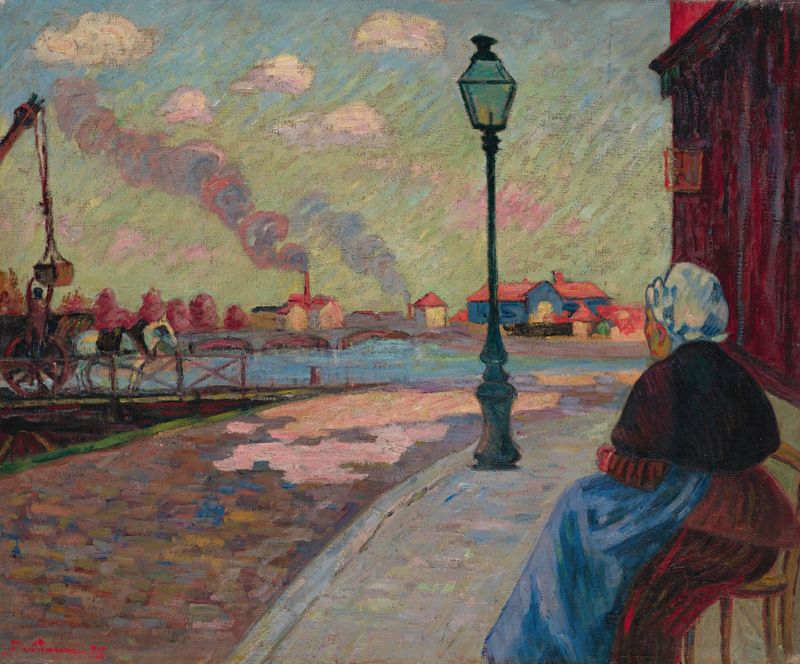
La Seine À Charenton
Armand Guillaumin
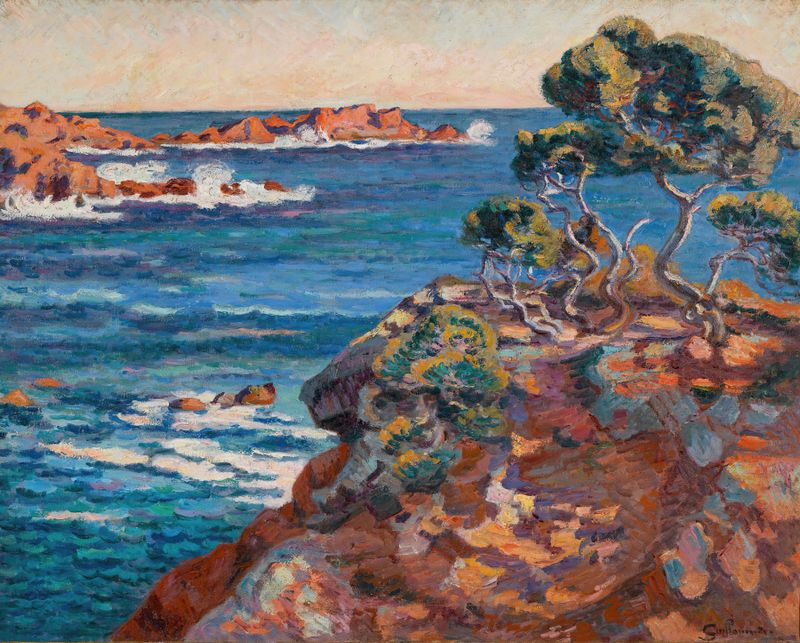
Bord De Mer À Agay
Armand Guillaumin
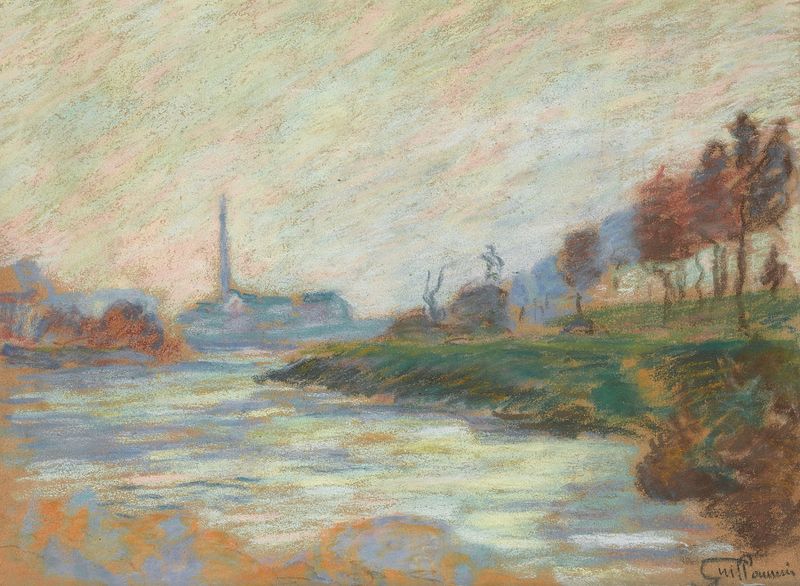
Confluent De La Marne Et De La Seine, Île De La France
Armand Guillaumin

Le Ravin de la folie, vue de Chateau Crozant
Armand Guillaumin
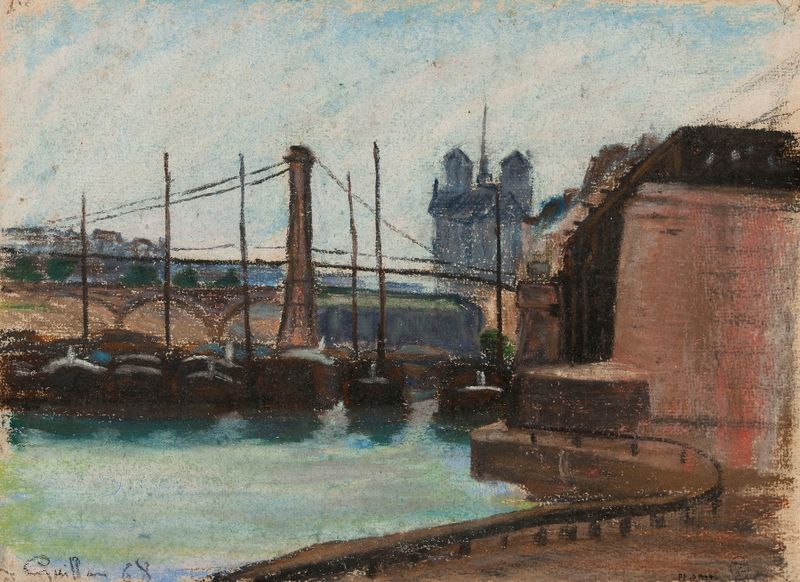
Le Pont d’Austerlitz
Armand Guillaumin

Paysage de Printemps
Armand Guillaumin
Crozant, Le Ravin De La Sedelle À La Folie
Armand Guillaumin
Paysage
Armand Guillaumin

La vallée de la creuse
Armand Guillaumin

L’Eglise Saint-Sulpice, Paris
Armand Guillaumin





