
Rochers à Agay — History & Facts
In the interplay of shadow and light, nature whispers secrets waiting to be unveiled. Look to the foreground at the bold strokes of blue and green, where the rugged rocks emerge from a tranquil sea. Notice how the artist expertly captures the play of sunlight, accentuating the textures of the stone with warm yellows and deep oranges. The horizon beckons with a soft gradient, drawing the eye toward the distant land, while patches of vibrant foliage add life to the composition, inviting the viewer to explore further. Beneath the surface, the juxtaposition of shadow and illumination creates a tension that evokes both calm and longing.
The stark contrasts between the dark, imposing rocks and the soft, inviting waters suggest a struggle between permanence and transience. Each layer of color can be seen as a reflection of emotional states—joy intertwined with melancholy, presence wrapped in absence. The shadows cast by the boulders hint at untold stories confined within their forms, compelling us to ponder what lies beneath the surface. In 1895, Armand Guillaumin painted this work during a period of intense experimentation within the Impressionist movement.
Having distanced himself from the formalities of academia, he embraced a vibrant palette and bold brushwork. Living in the artistic hub of Paris, he found inspiration in the serene landscapes of the French countryside, where he sought to capture the essence of light and color in his surroundings.
More Artworks by Armand Guillaumin
Browse all →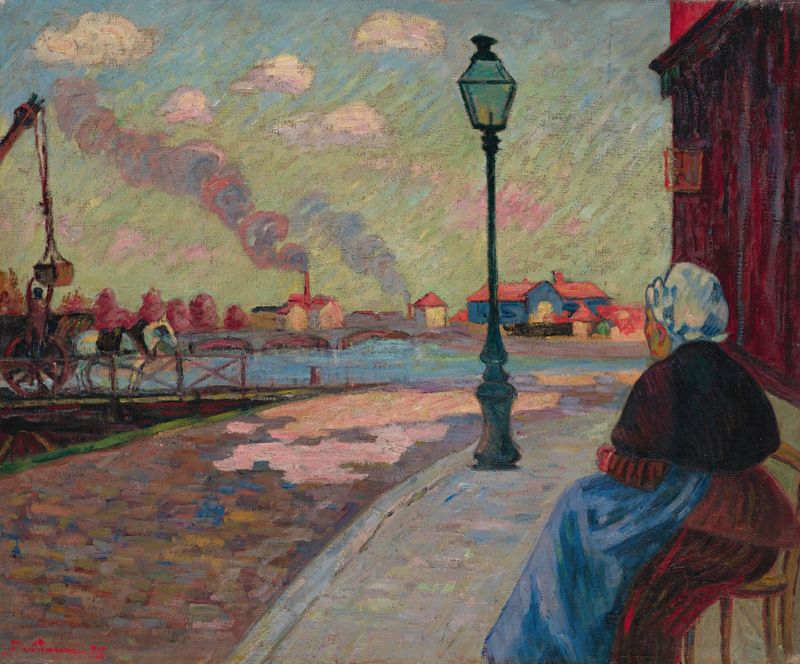
La Seine À Charenton
Armand Guillaumin
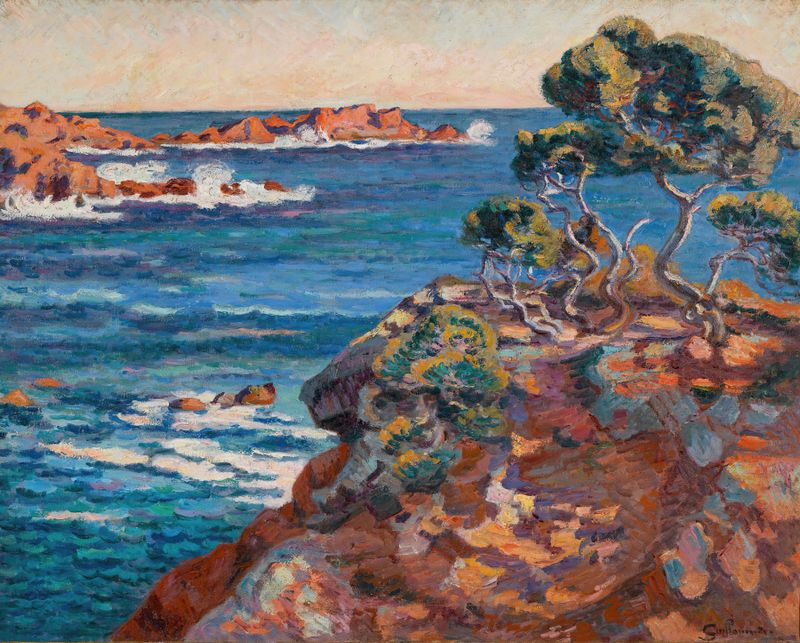
Bord De Mer À Agay
Armand Guillaumin
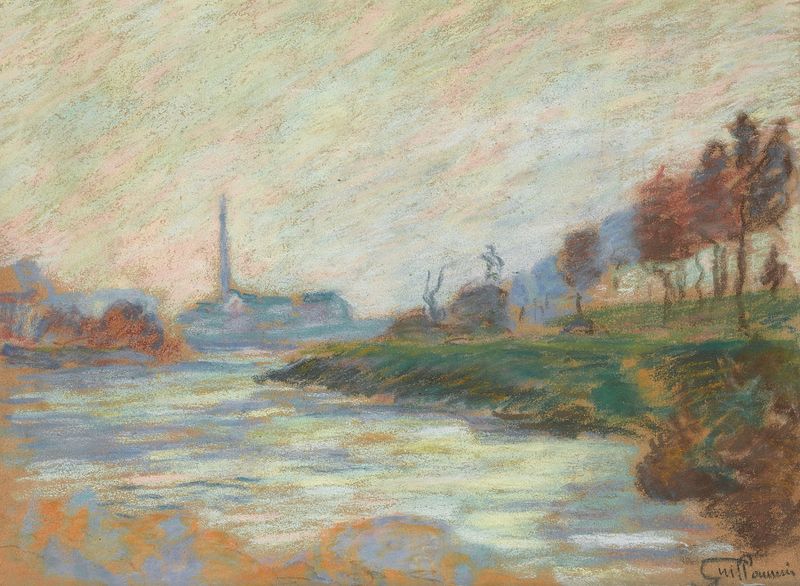
Confluent De La Marne Et De La Seine, Île De La France
Armand Guillaumin

Le Ravin de la folie, vue de Chateau Crozant
Armand Guillaumin
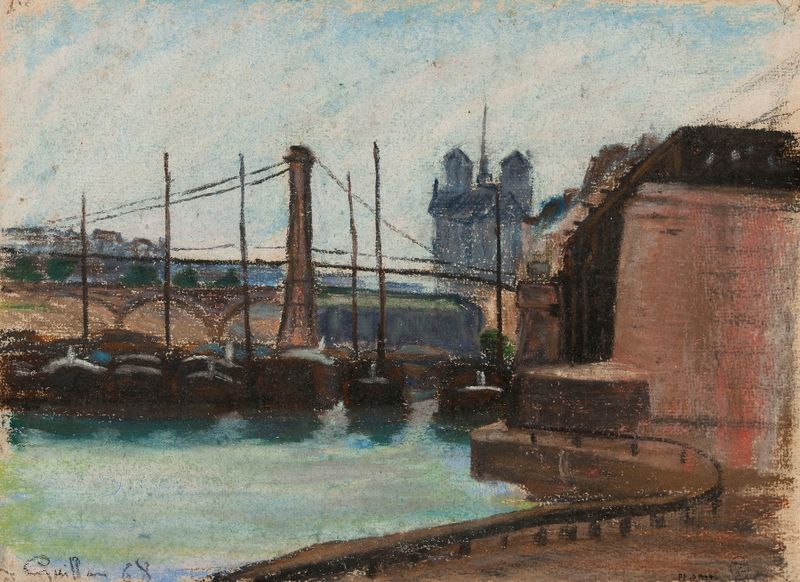
Le Pont d’Austerlitz
Armand Guillaumin

Paysage de Printemps
Armand Guillaumin
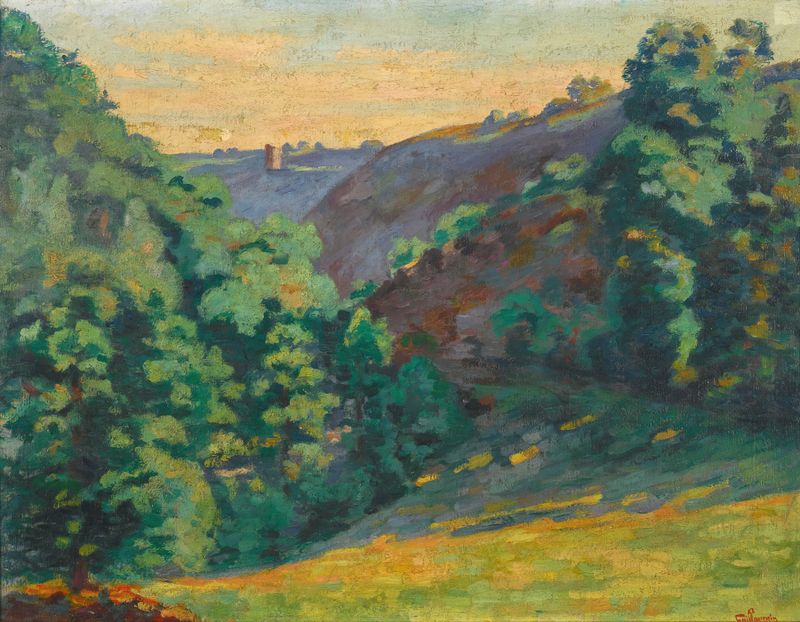
Crozant, Le Ravin De La Sedelle À La Folie
Armand Guillaumin
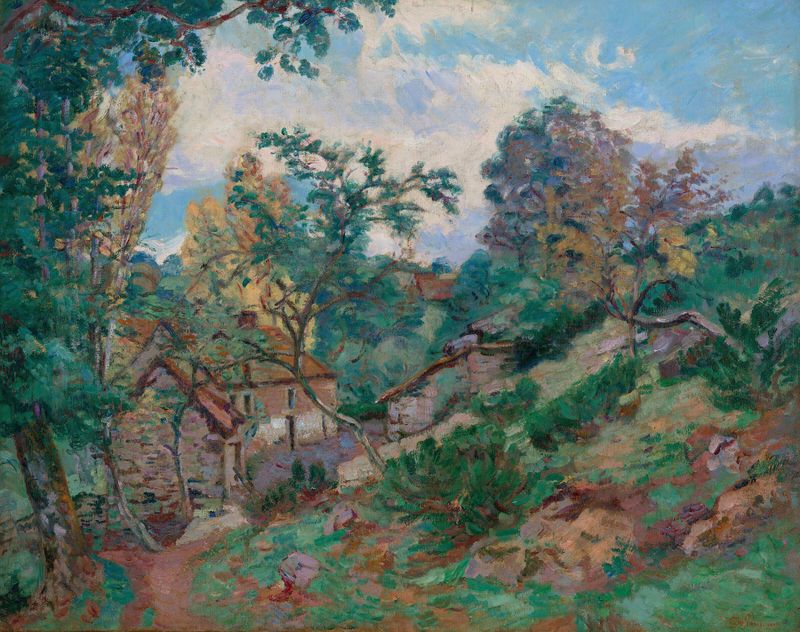
Paysage
Armand Guillaumin

La vallée de la creuse
Armand Guillaumin

L’Eglise Saint-Sulpice, Paris
Armand Guillaumin





