Discover insights about this artwork
Rochers et branches à Bibémus — History & Facts
In Rochers et branches à Bibémus, Paul Cézanne captures a rugged landscape filled with rocks and branches. The colors are rich and earthy, with deep greens and browns dominating the scene. The brushwork is visible, creating a textured surface that adds depth to the composition.
Light plays across the canvas, highlighting the contours of the rocks and foliage. This painting is executed in oil on canvas, a medium that allows for vibrant color application and texture. The dimensions of the work are approximately 73.7 x 92.1 cm, making it a substantial piece. Cézanne's technique involves layering colors and using short, deliberate brushstrokes.
This approach contributes to the overall sense of movement and vitality in the landscape. Paul Cézanne painted Rochers et branches à Bibémus during the late 19th century, a period when he was exploring the relationship between nature and perception. This work is part of his series of landscapes from Bibémus, a site near Aix-en-Provence that deeply inspired him. An interesting fact about this painting is that it reflects Cézanne's transition from Impressionism to a more structured approach, laying the groundwork for modern art.
More Artworks by Paul Cézanne
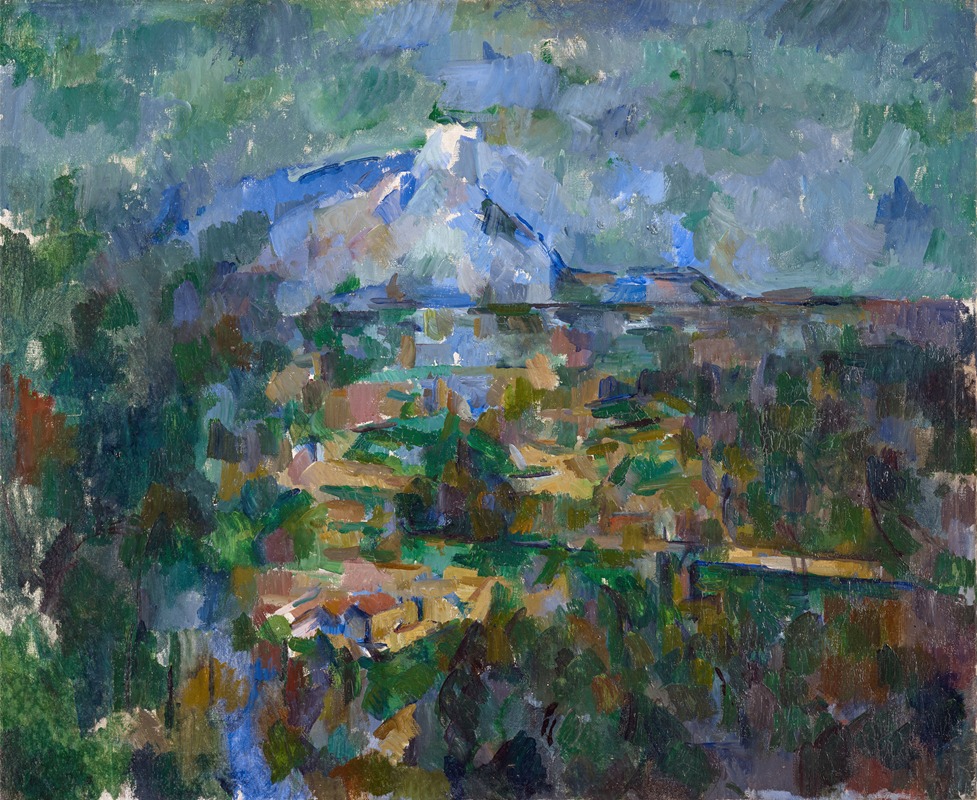
The Mont Sainte-Victoire Seen From Les Lauves
Paul Cézanne
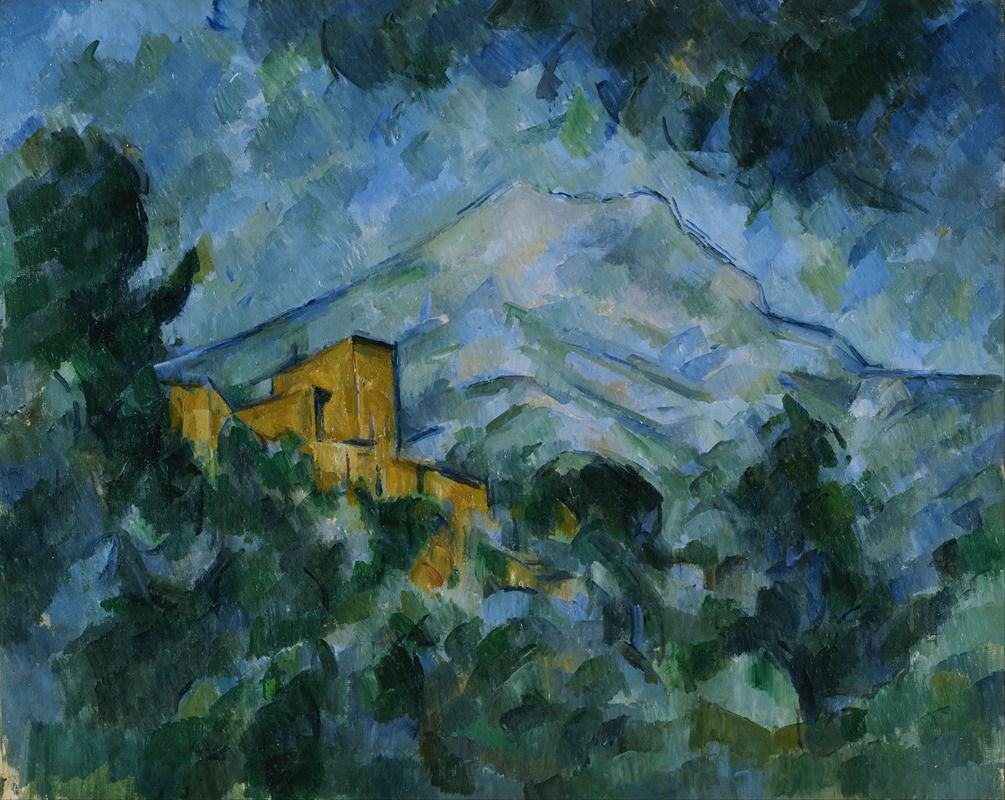
Mont Sainte-Victoire and Château Noir
Paul Cézanne
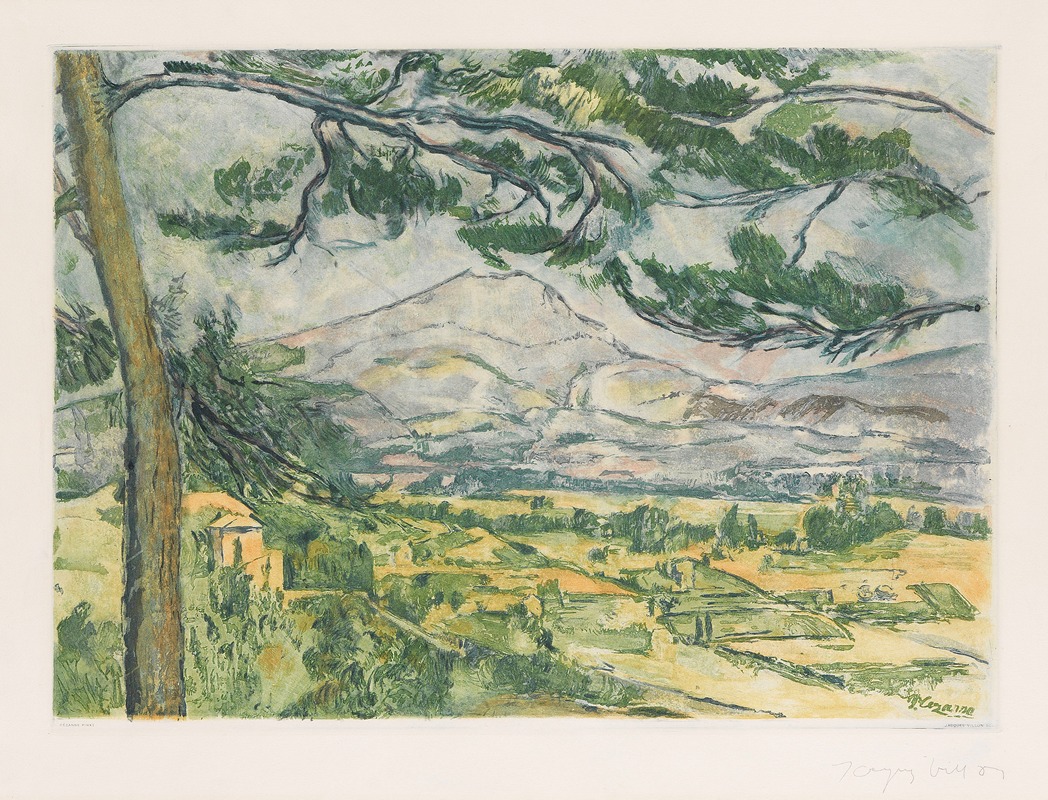
La Montagne Sainte-Victoire
Paul Cézanne
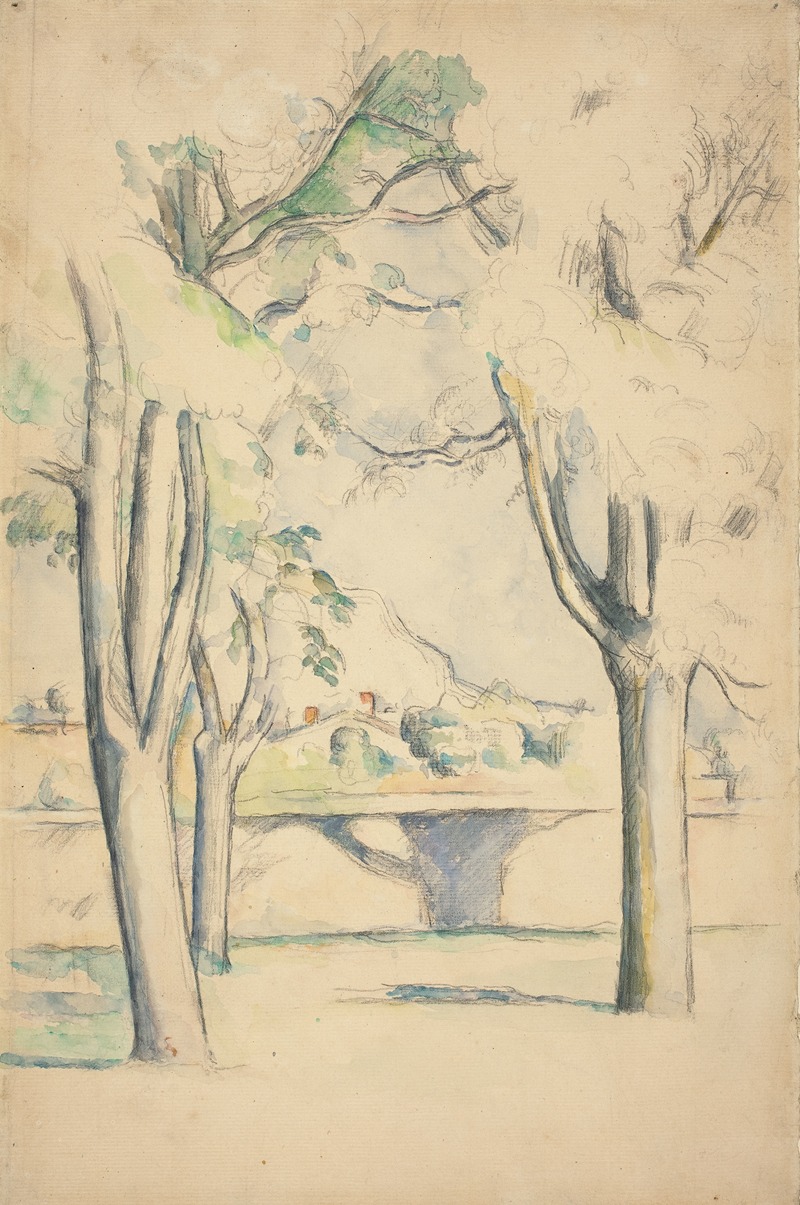
Mont Sainte-Victoire Seen beyond the Wall of the Jas de Bouffan
Paul Cézanne
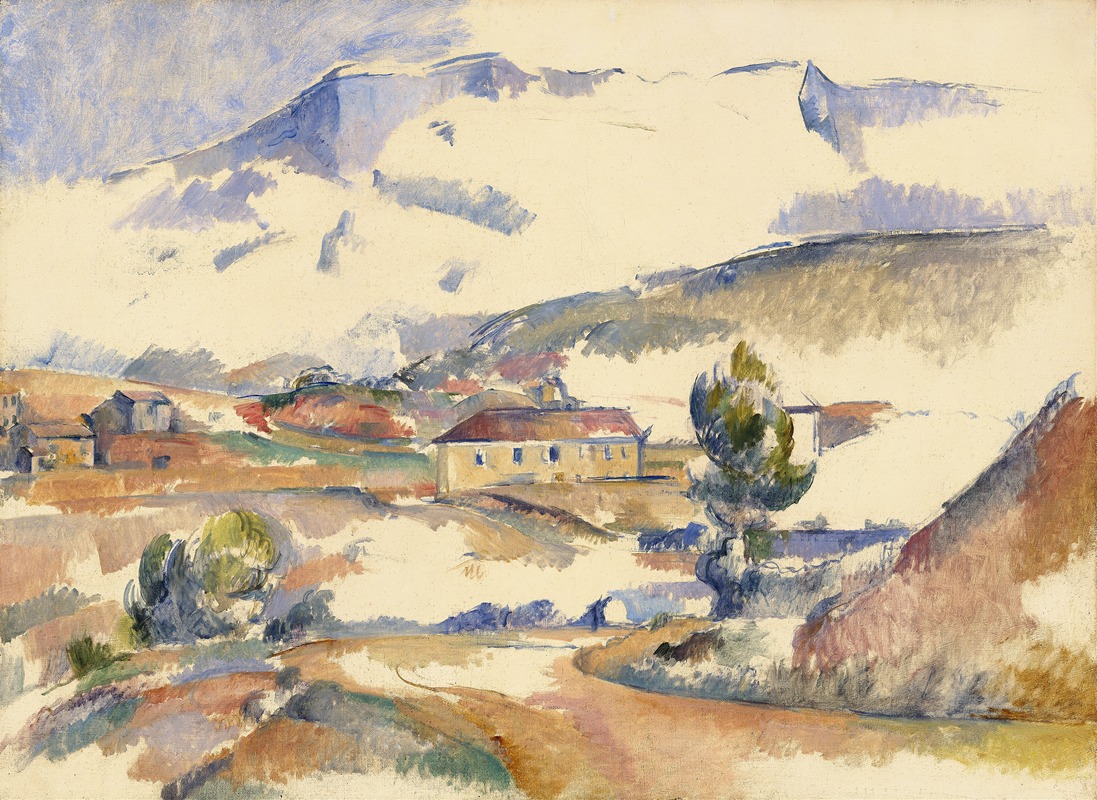
Montagne Sainte-Victoire,from near Gardanne
Paul Cézanne
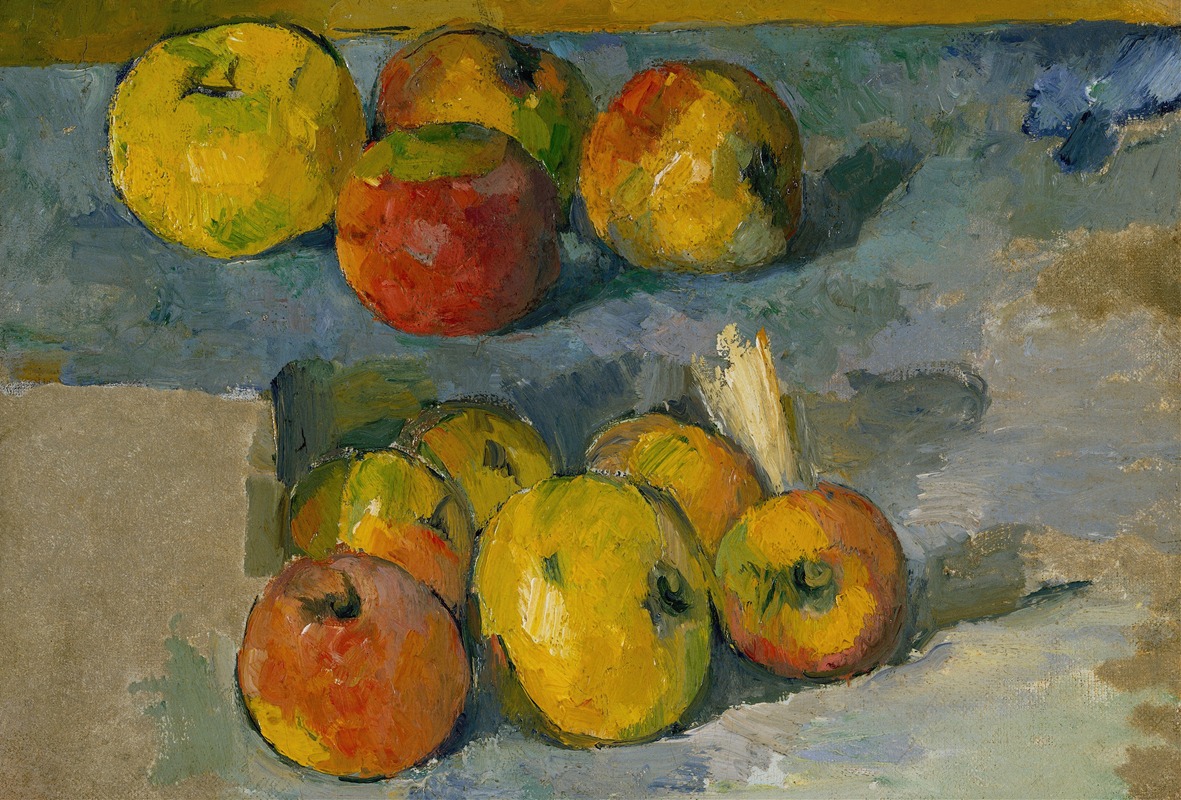
Apples
Paul Cézanne
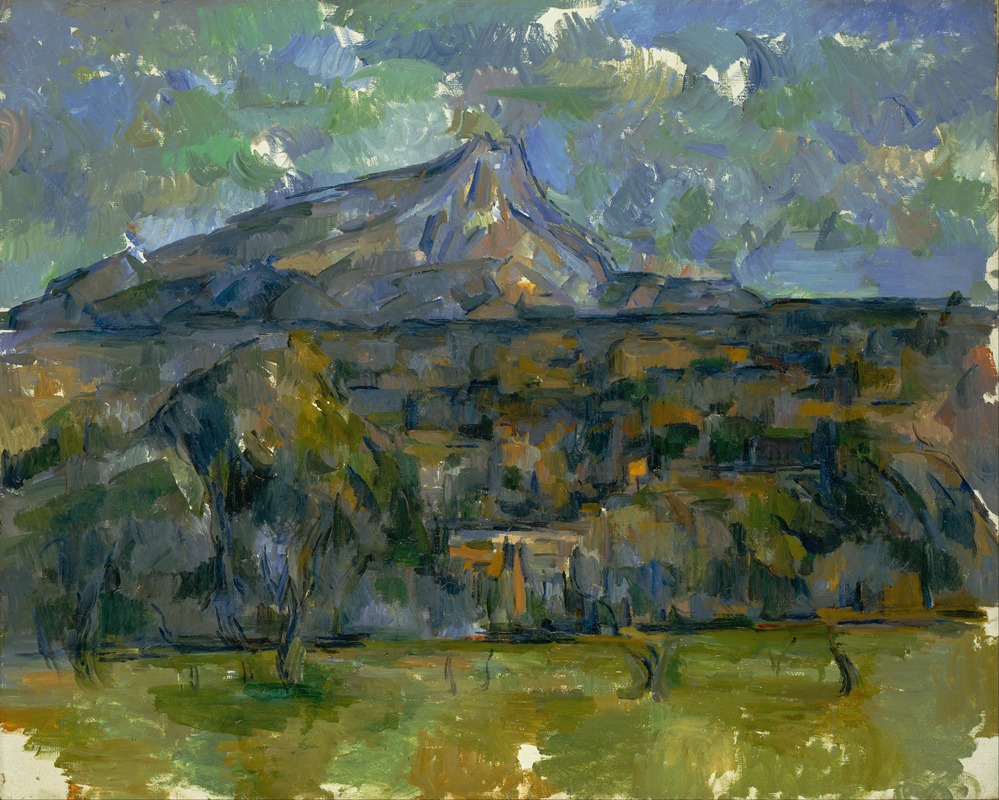
Mont Sainte-Victoire
Paul Cézanne
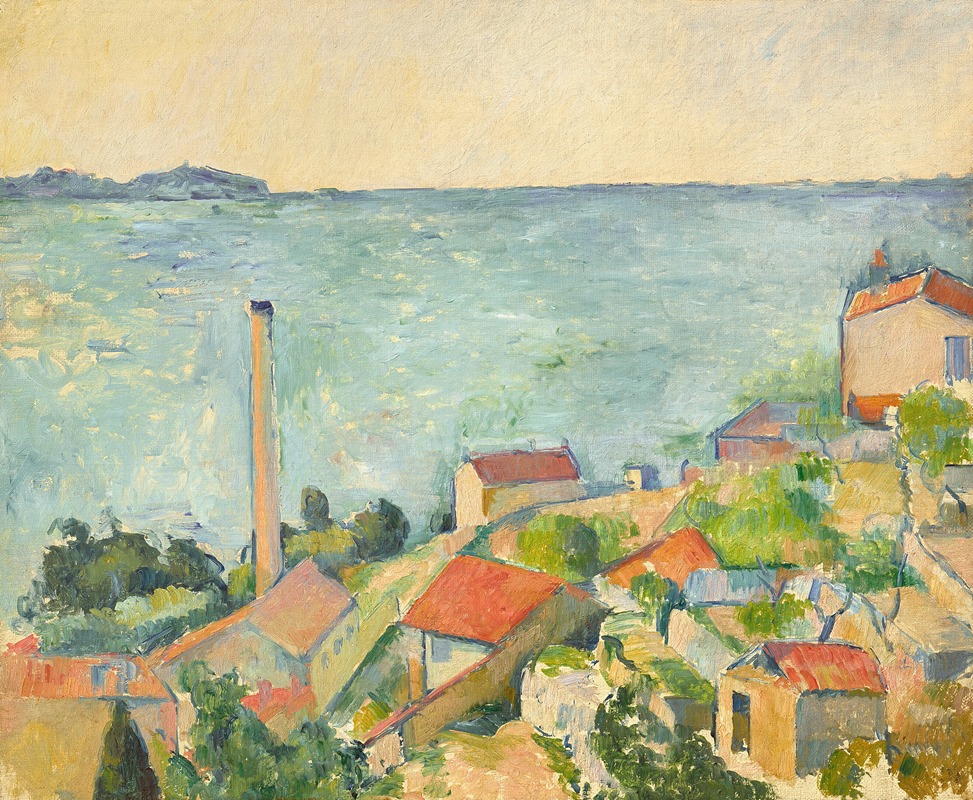
La mer à l’Estaque
Paul Cézanne
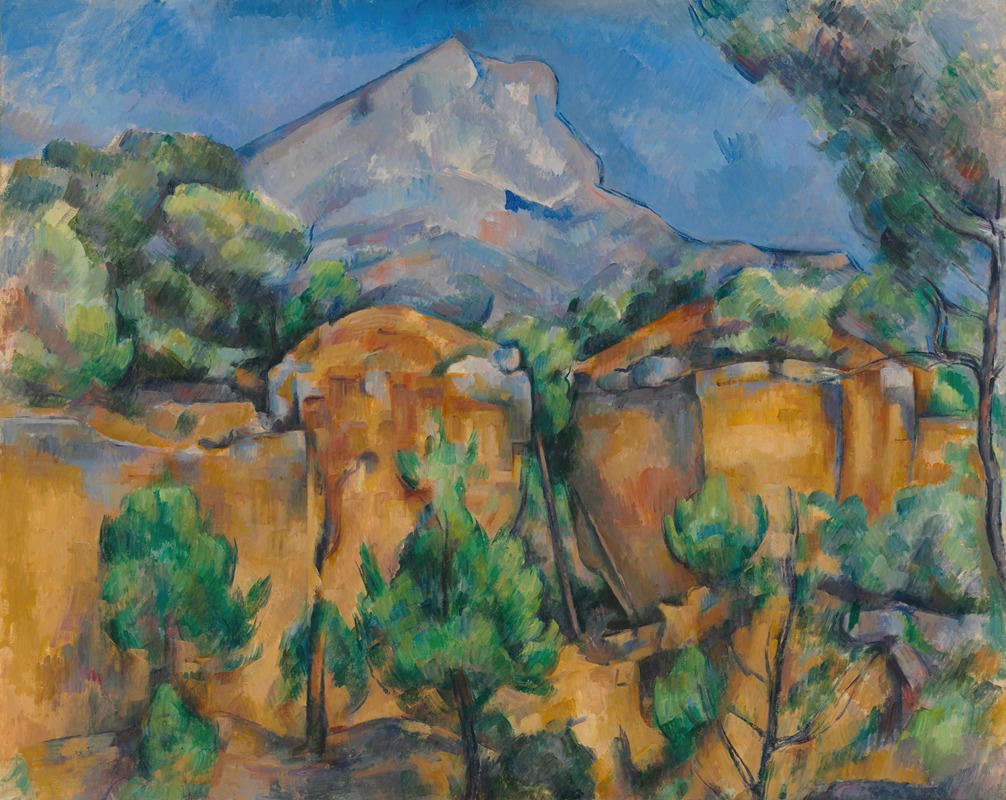
La Montagne Sainte-Victoire vue de la carrière Bibémus
Paul Cézanne
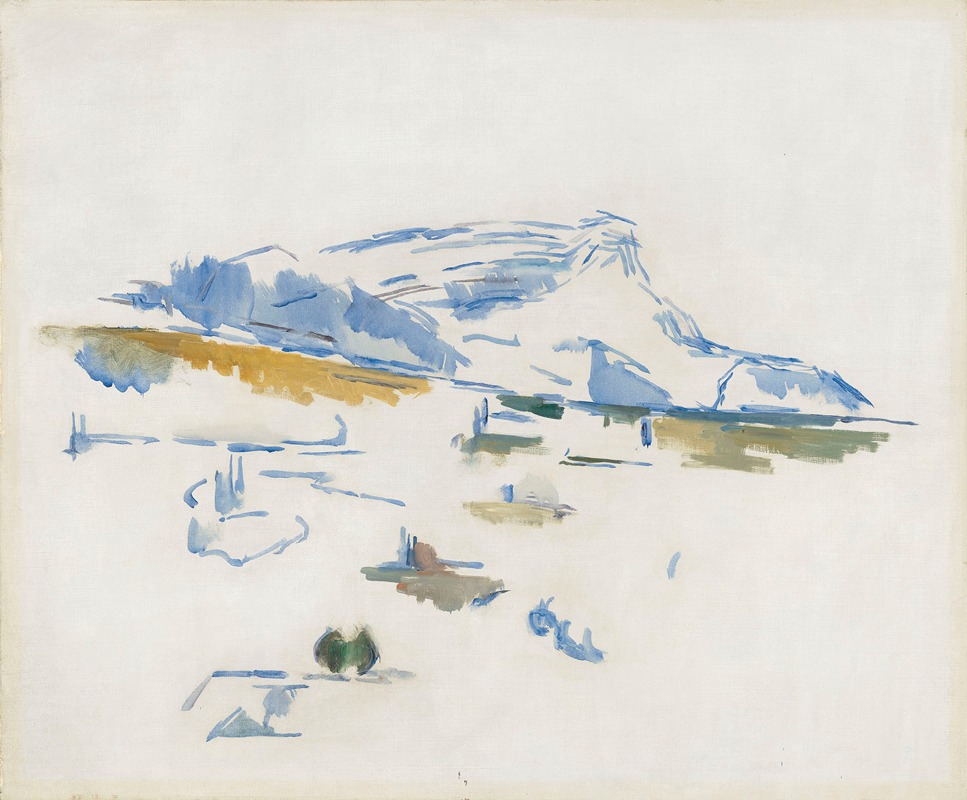
La Montagne Sainte-Victoire vue des Lauves
Paul Cézanne