Discover insights about this artwork
Rocks in the Forest — History & Facts
In Rocks in the Forest, Paul Cézanne presents a dense, textured landscape filled with large, rugged rocks. The colors are rich and varied, with deep greens and browns dominating the scene. The interplay of light and shadow creates a sense of depth, making the viewer feel immersed in the forest.
Cézanne's brushwork is visible, adding a tactile quality to the painting. The painting is executed in oil on canvas, a common medium for Cézanne, allowing for vibrant color application. The dimensions are approximately 65 x 81 cm, making it a sizable work that invites close inspection. Cézanne's technique involves layering colors to build form and structure, which is evident in the way the rocks and foliage are rendered.
This approach contributes to the overall sense of movement and life within the composition. Paul Cézanne, a key figure in the transition from Impressionism to modern art, created this work in the 1890s. He often explored themes of nature and landscape, seeking to capture the essence of his subjects. An interesting fact about Rocks in the Forest is that it reflects Cézanne's desire to depict the natural world in a way that emphasizes both its beauty and its complexity.
This painting is part of the collection at the Musee d'Orsay in Paris.
More Artworks by Paul Cézanne
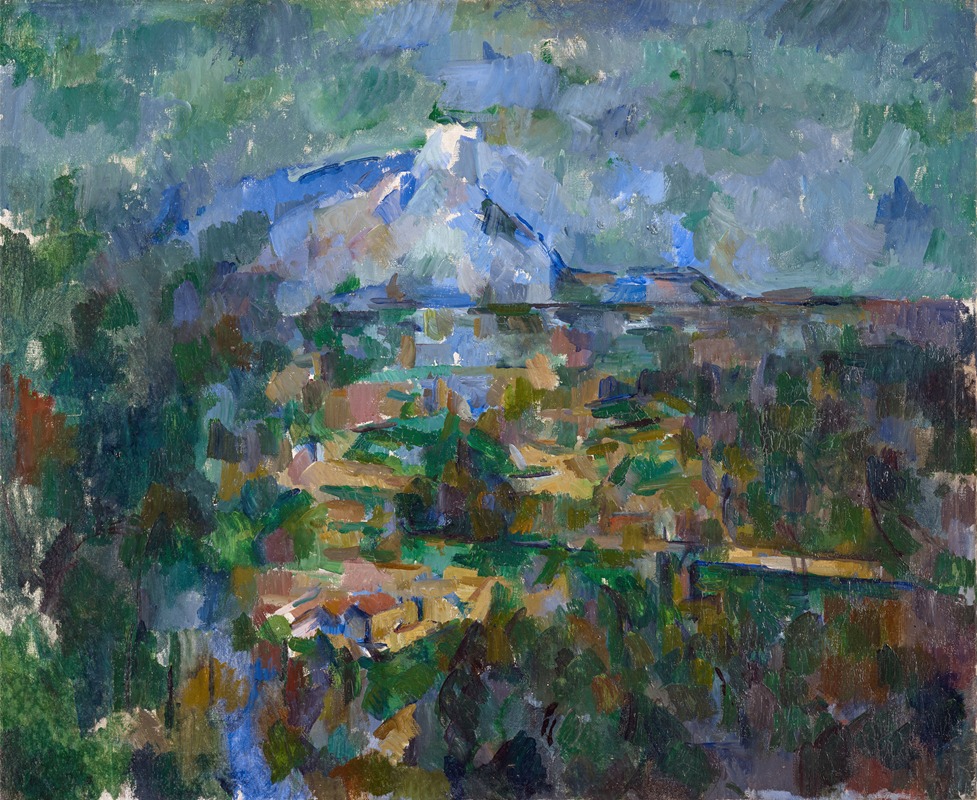
The Mont Sainte-Victoire Seen From Les Lauves
Paul Cézanne
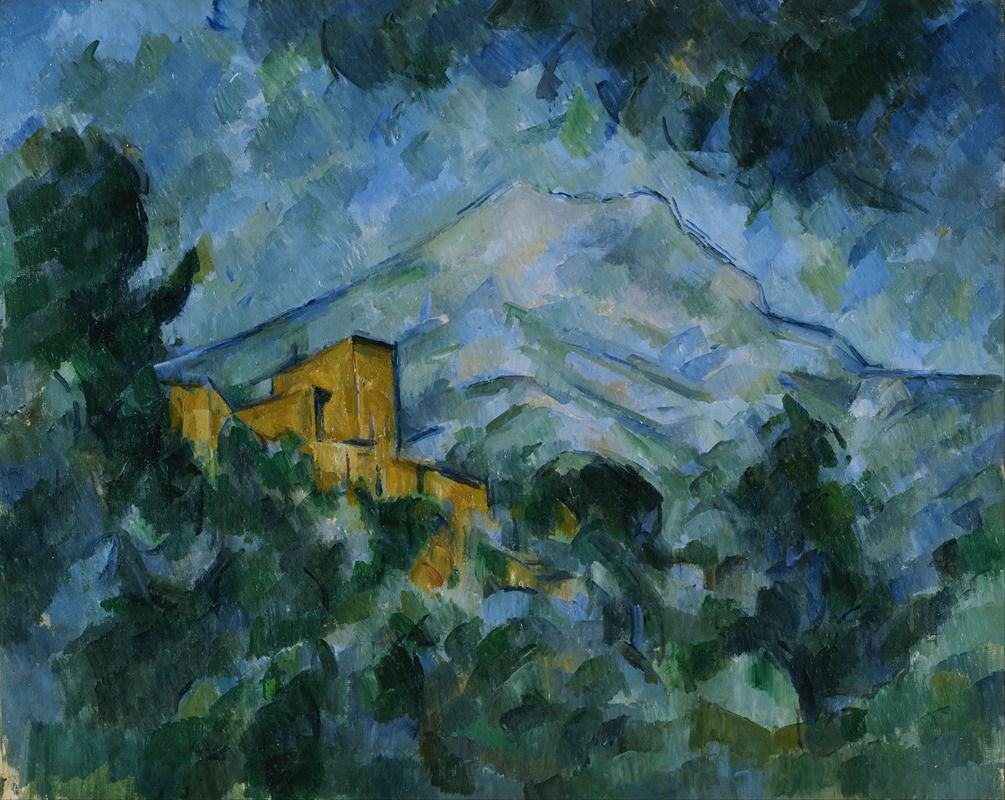
Mont Sainte-Victoire and Château Noir
Paul Cézanne
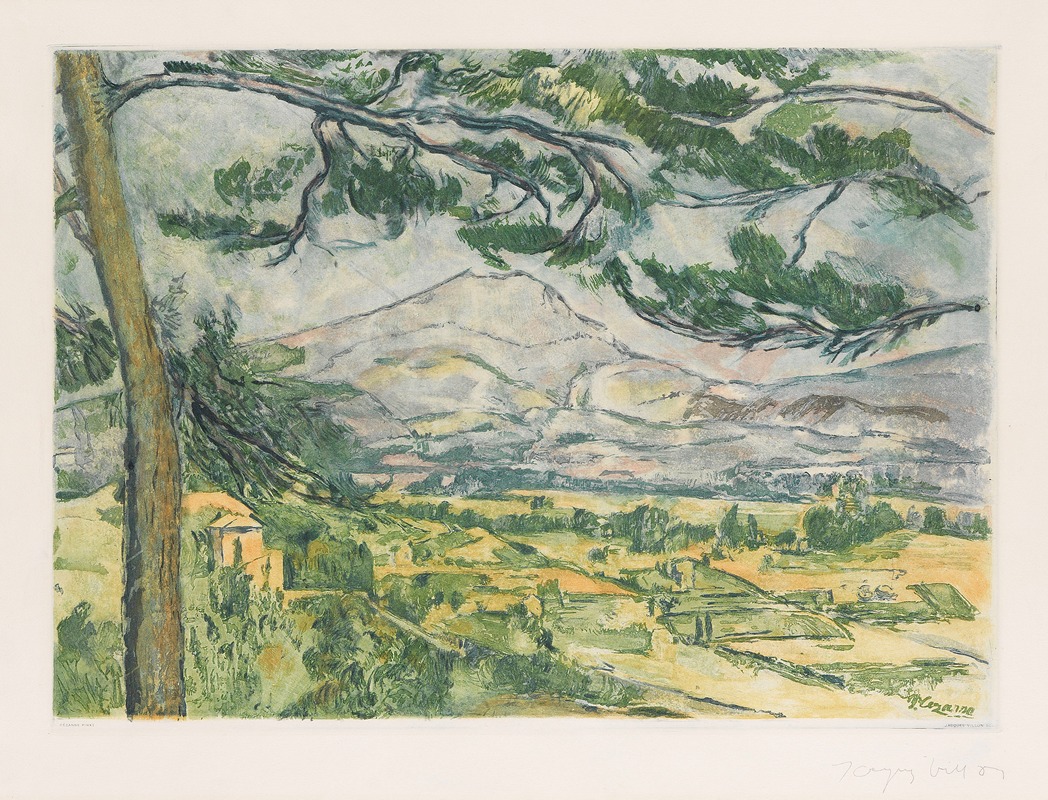
La Montagne Sainte-Victoire
Paul Cézanne
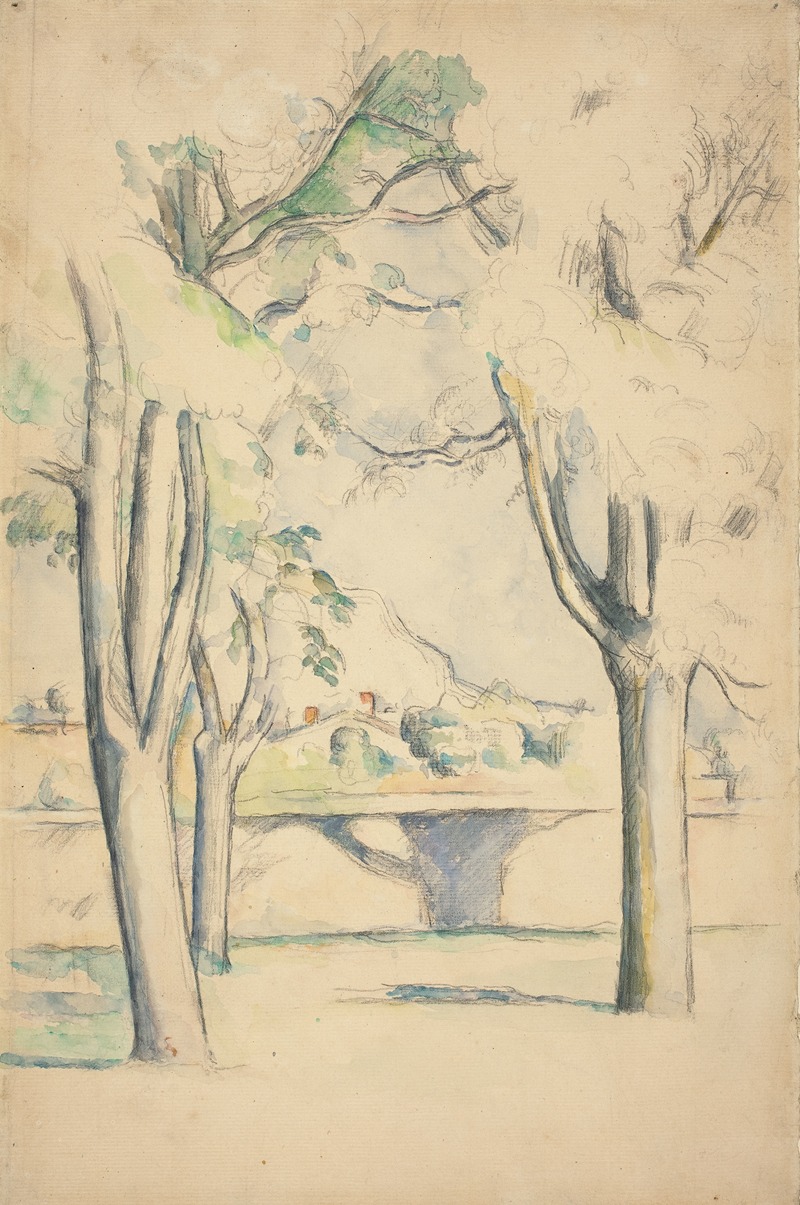
Mont Sainte-Victoire Seen beyond the Wall of the Jas de Bouffan
Paul Cézanne
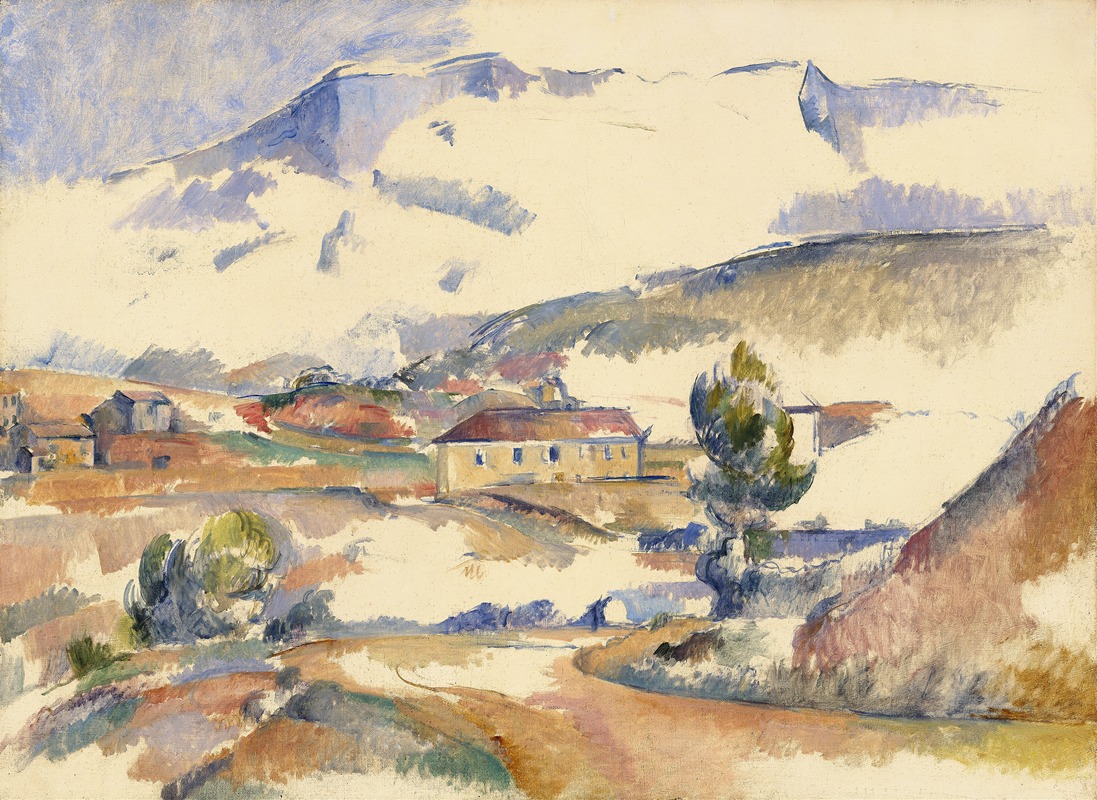
Montagne Sainte-Victoire,from near Gardanne
Paul Cézanne
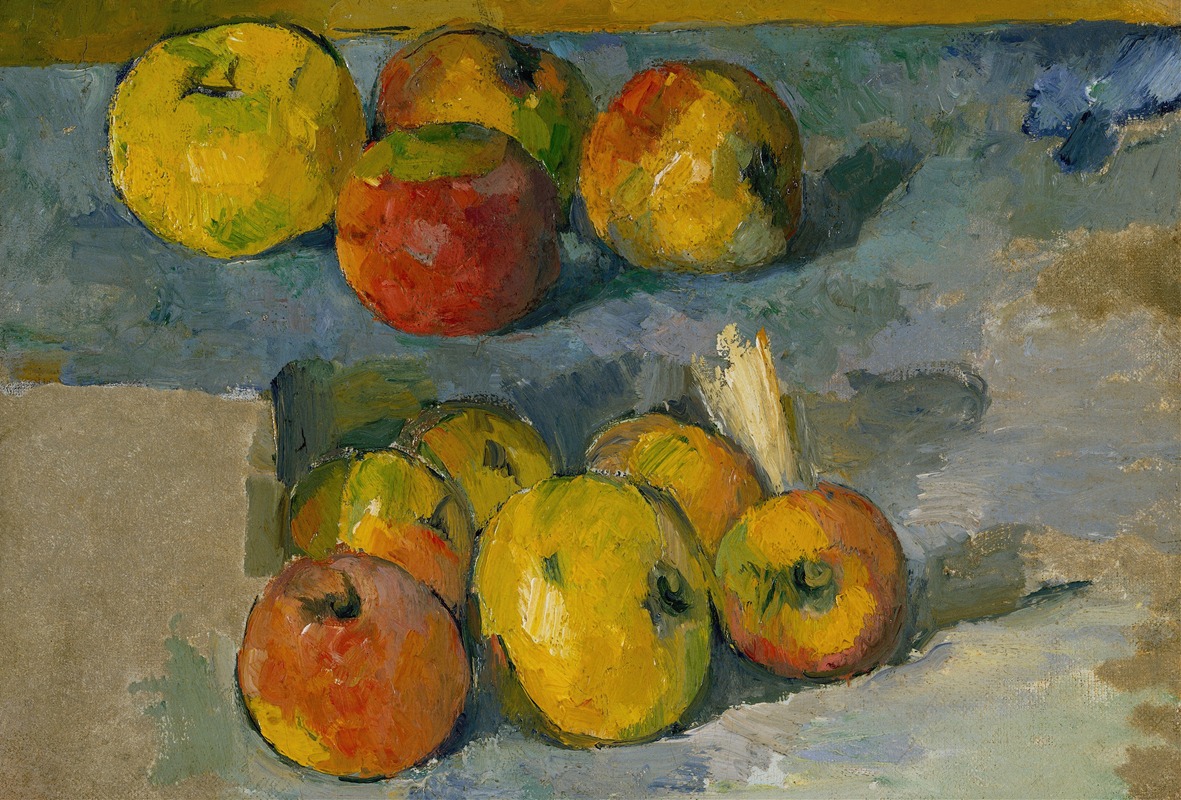
Apples
Paul Cézanne
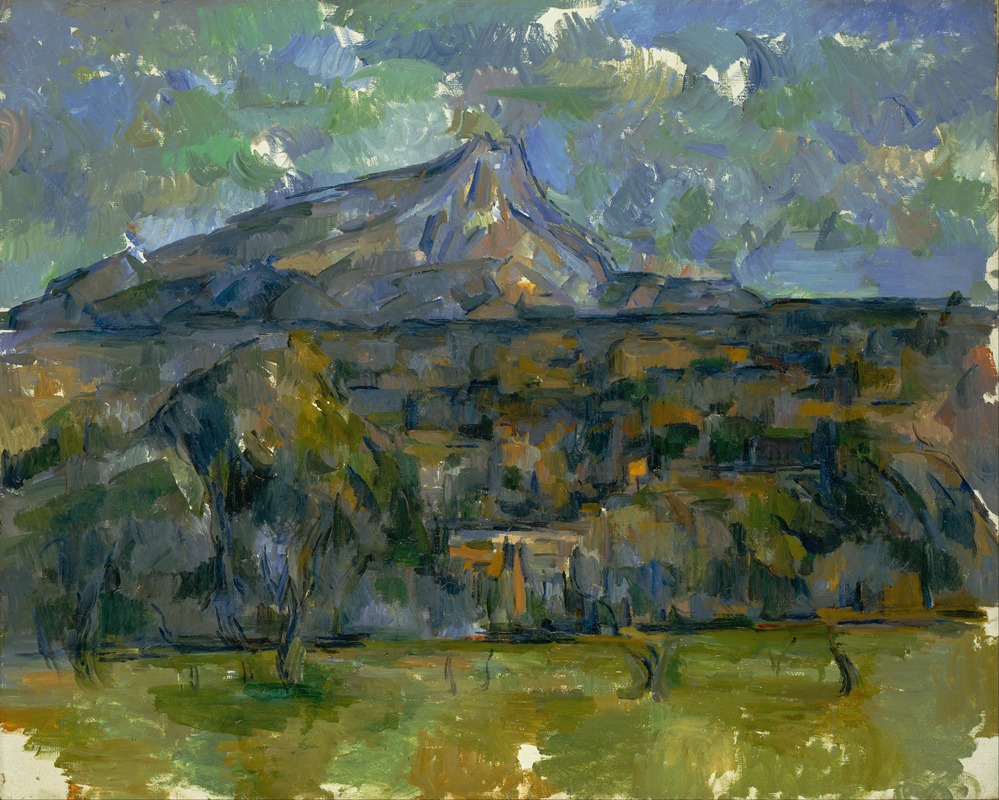
Mont Sainte-Victoire
Paul Cézanne
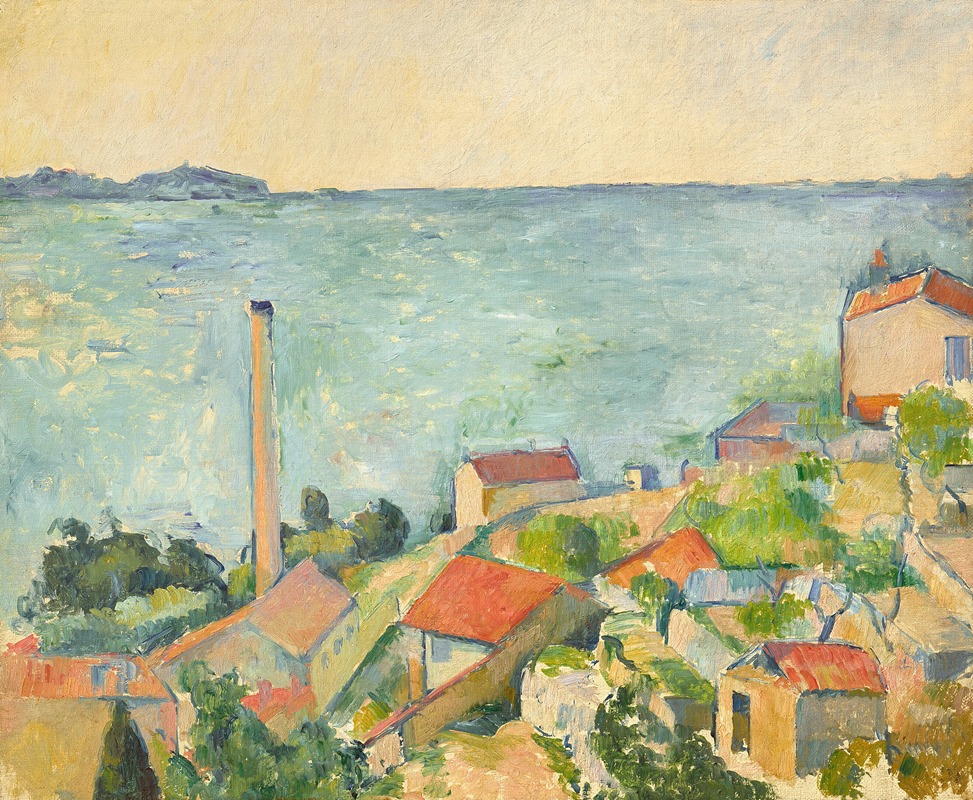
La mer à l’Estaque
Paul Cézanne
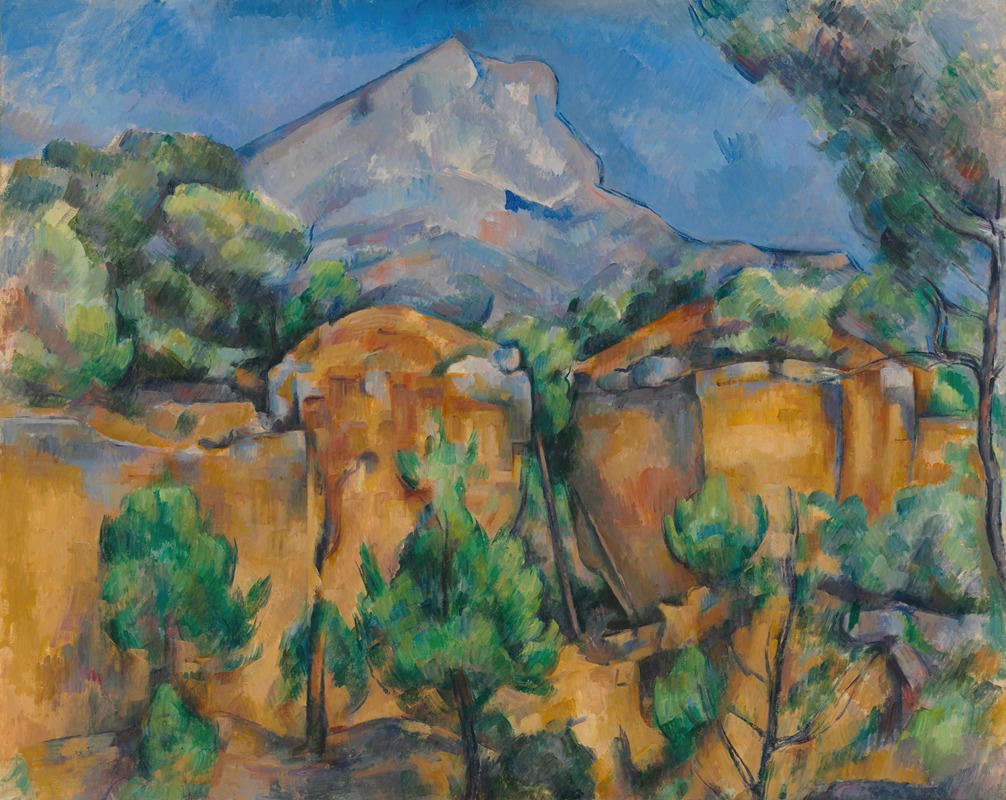
La Montagne Sainte-Victoire vue de la carrière Bibémus
Paul Cézanne
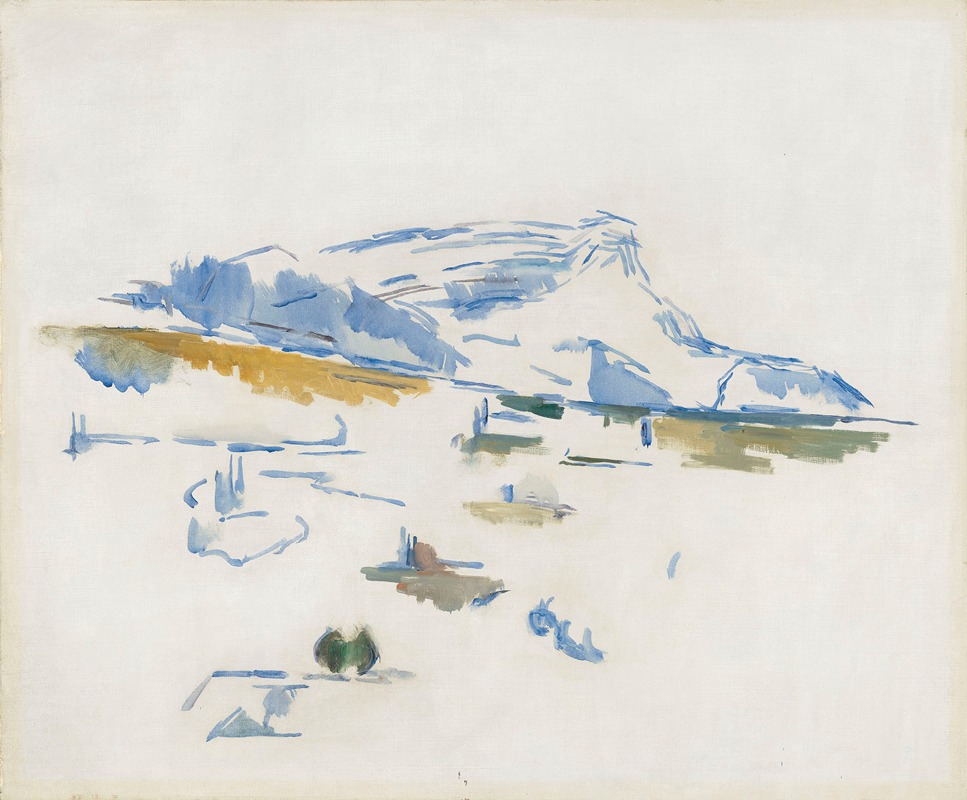
La Montagne Sainte-Victoire vue des Lauves
Paul Cézanne