
Rocks overgrown with lush vegetation — History & Facts
In the interplay of vibrant hues and quiet shadow, the essence of destiny unfurls. Within this artwork, nature's relentless embrace of stone whispers of resilience and transformation. Look to the left at the boulder, its surface rugged yet softened by the blanket of verdant leaves that cascade down. Notice how the rich greens juxtapose with the earthy browns and grays of the rocks, creating a visual symphony that draws the eye deeper into the scene.
The artist employs a delicate balance of light and texture, highlighting the interplay of nature's elements, inviting reflection on the passage of time. The lush vegetation clinging to the stones reflects life's tenacity amidst hardship. The vibrant flora is a metaphor for renewal, suggesting that even in the harshest environments, life finds a way to thrive. Each leaf and tendril symbolizes hope, while the rocks represent obstacles that we must navigate — a poignant reminder of our own journeys and the destinies we carve out amid the challenges we face. Created between 1853 and 1880, this piece emerged from a period of artistic exploration for Blaschnik.
Working in a time when Romanticism was giving way to Impressionism, he found himself captivated by the natural world and the emotions it evoked. The era was marked by a growing fascination with realism and the relationship between humanity and nature, a theme that resonates deeply in his work.
More Artworks by Arthur Blaschnik
Browse all →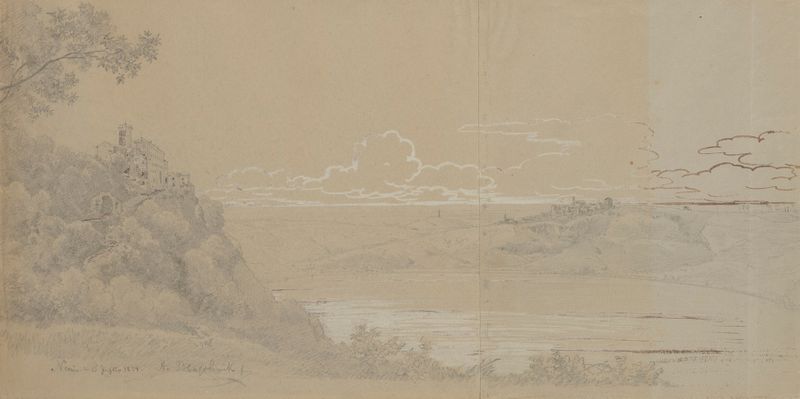
Palazzo Ruspoli by Lake Nemi, in the Distance the Town of Genzano di Roma
Arthur Blaschnik
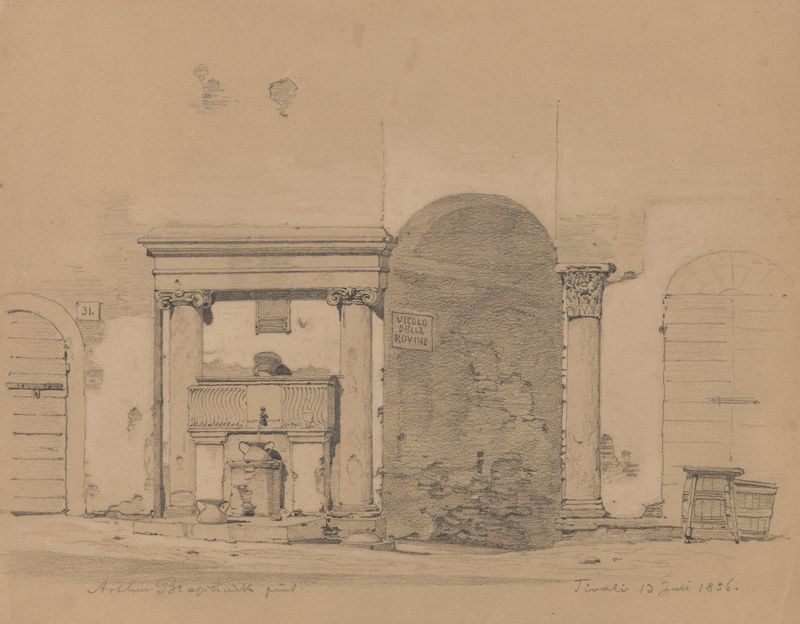
Gate Leading to Vicoli dei Grana near Piazza Palatina in Tivoli
Arthur Blaschnik
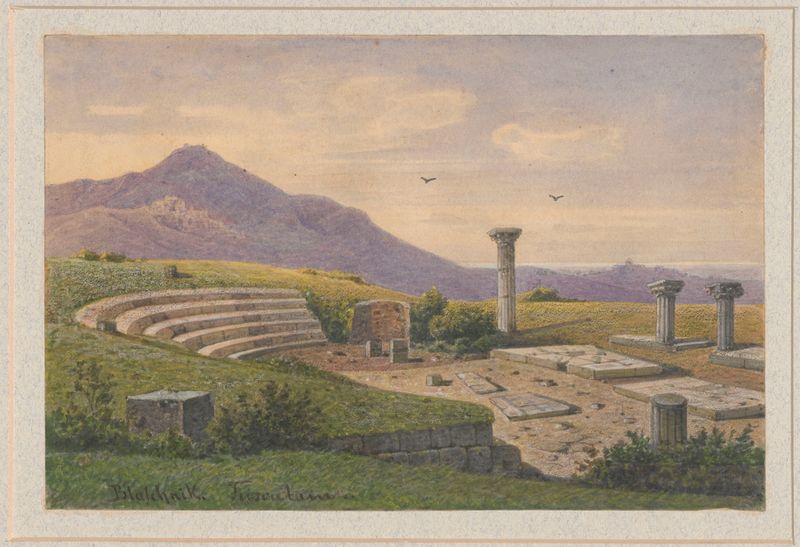
Amphitheatre in Tusculum
Arthur Blaschnik
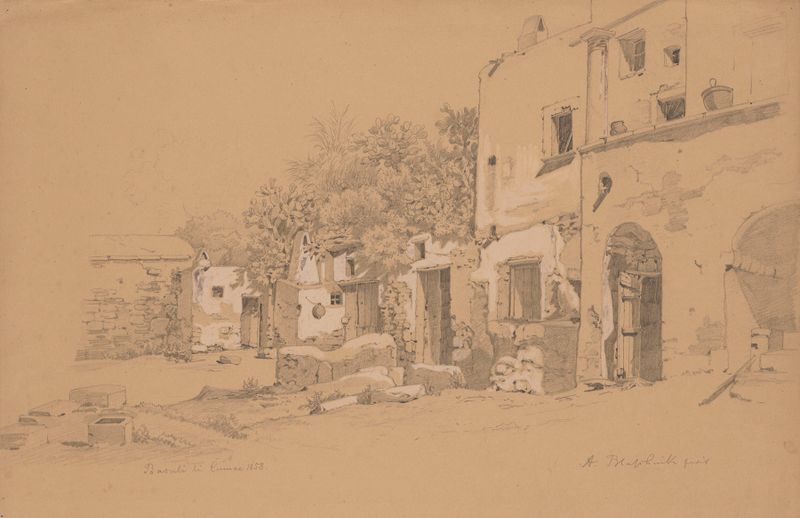
House and Outbuildings in Bacoli
Arthur Blaschnik
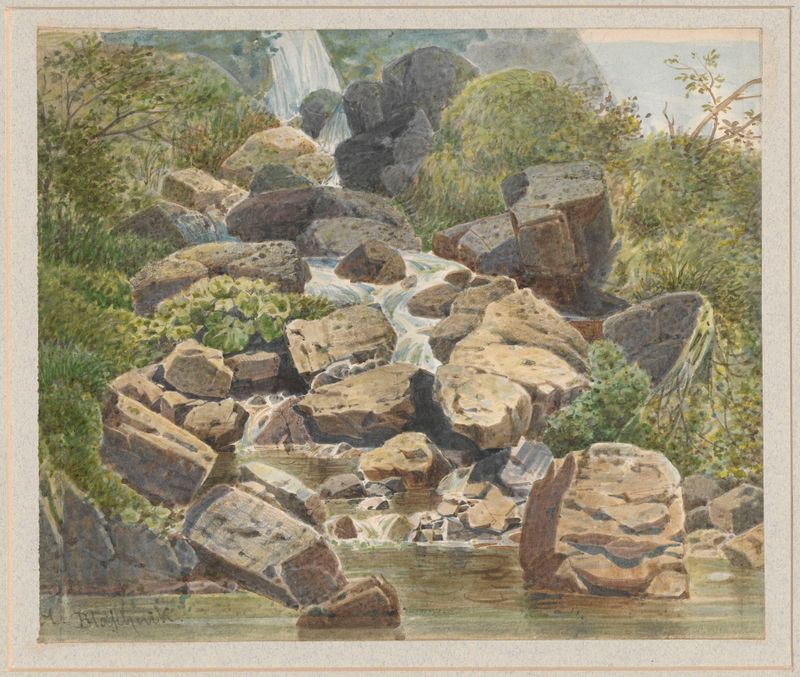
View of a small waterfall near Covigliaio, Tuscany
Arthur Blaschnik
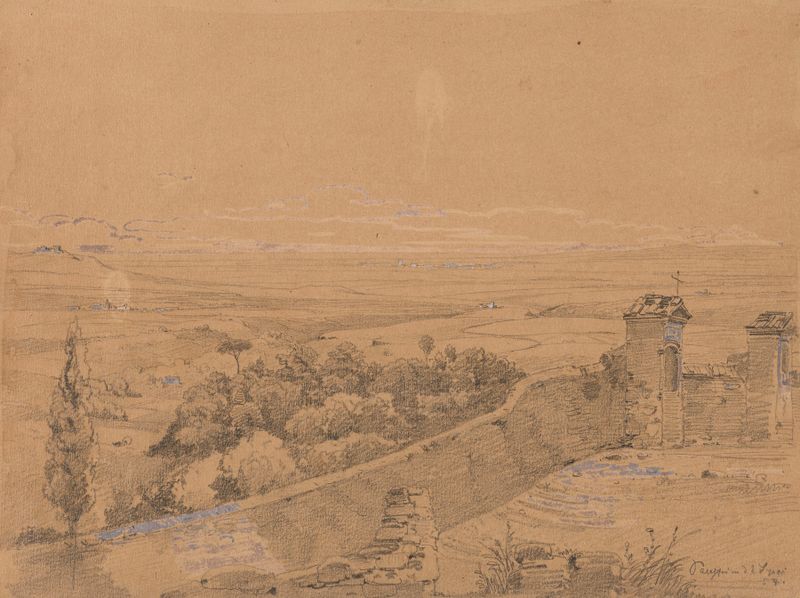
Landscape from the Vicinity of Palestrina
Arthur Blaschnik
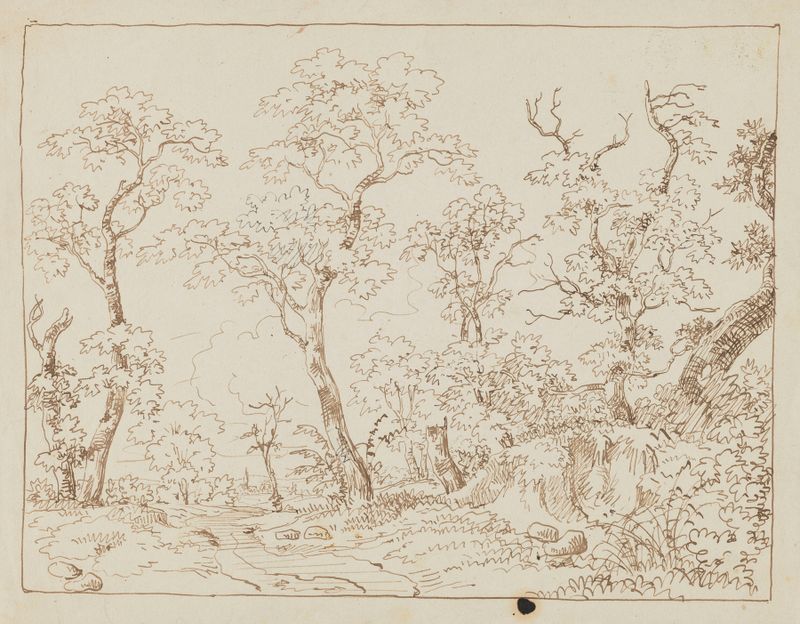
Studies of Trees, Landscape
Arthur Blaschnik
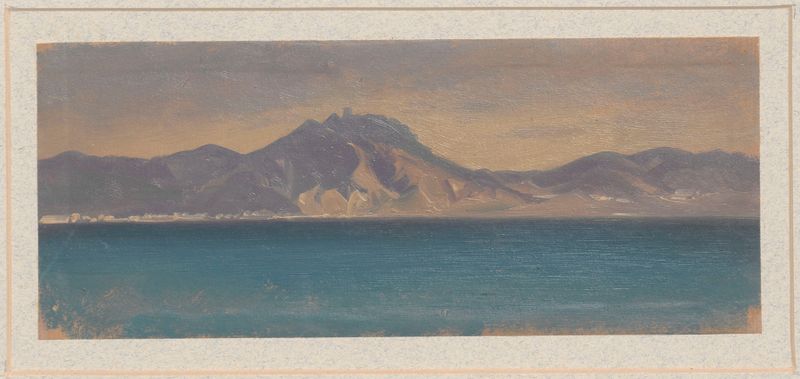
View of the Island of Capri
Arthur Blaschnik
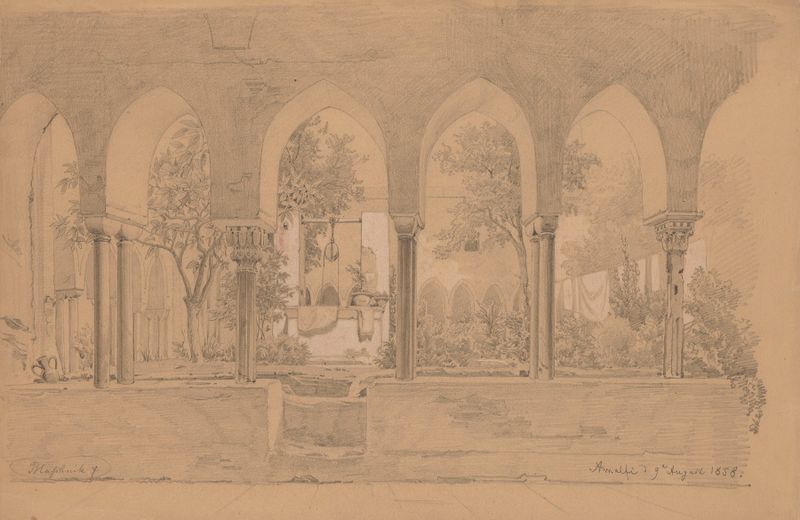
Cloister with Arcade Gallery in Amalfi
Arthur Blaschnik
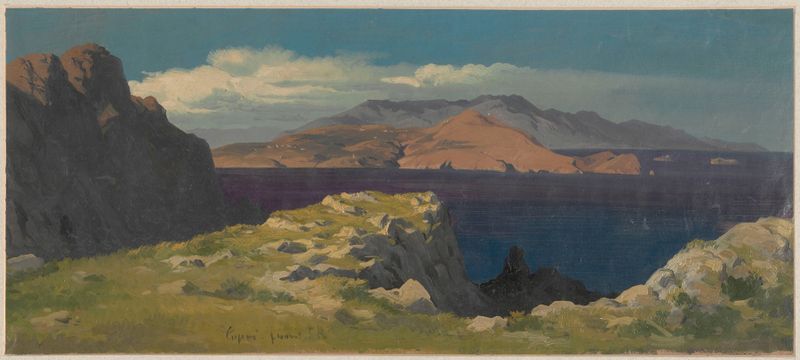
View of Capri
Arthur Blaschnik





