
Rocky Cliff — History & Facts
What first seizes the eye in Rocky Cliff is the sheer monumentality of stone—nature’s architecture rendered with the gravity and patience of centuries. The painter draws you in close, almost at ground level, so that the fractured planes of rock loom above, layered with moss and delicate ferns. Every crack and patch of lichen is painted with a botanist’s attention, inviting the viewer to trace the slow, persistent work of time and weather.
Sunlight glances off the upper ledges, guiding the gaze upward through a tangle of saplings and into a pale, receding sky. The palette is earthy and sober, but never dull: greens and ochres pulse with quiet life, the stone’s cool greys offset by the warmth of soil and undergrowth. Created around 1860, this work belongs to the world of nineteenth-century American landscape painting, when artists like Asher Brown Durand turned their attention from sweeping vistas to the intimate drama of the forest floor and the geology beneath. Such paintings were not only records of place, but meditations on the natural world’s endurance and fragility—often collected by patrons who saw in them a reflection of national identity and the promise of unspoiled wilderness.
Though little is documented about the journey of this particular canvas, it now resides in the Reynolda House Museum of American Art, a fitting home for a work that asks viewers to pause, look closely, and find grandeur in the overlooked corners of the earth. Stand before it, and let your eye wander: every detail rewards a second glance.
More Artworks by Asher Brown Durand

A Sycamore Tree, Plaaterkill Clove (The Sycamore, Kaaterskill Clove)
Asher Brown Durand
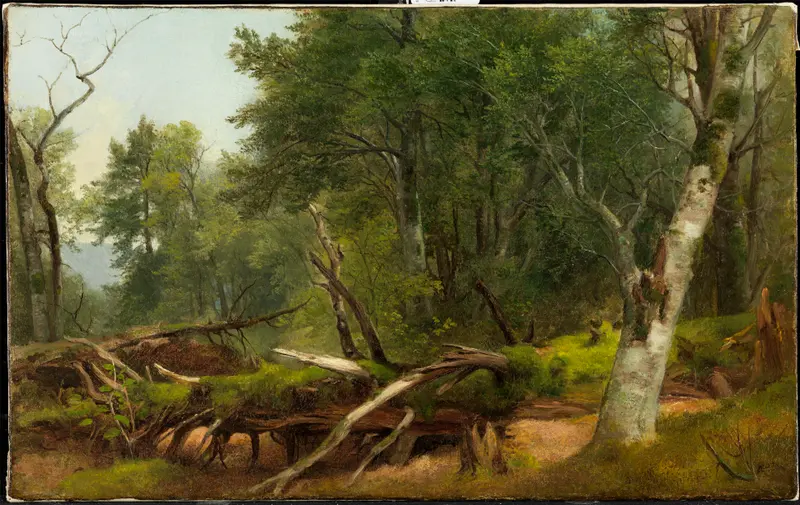
Forest Scene in the Catskills
Asher Brown Durand
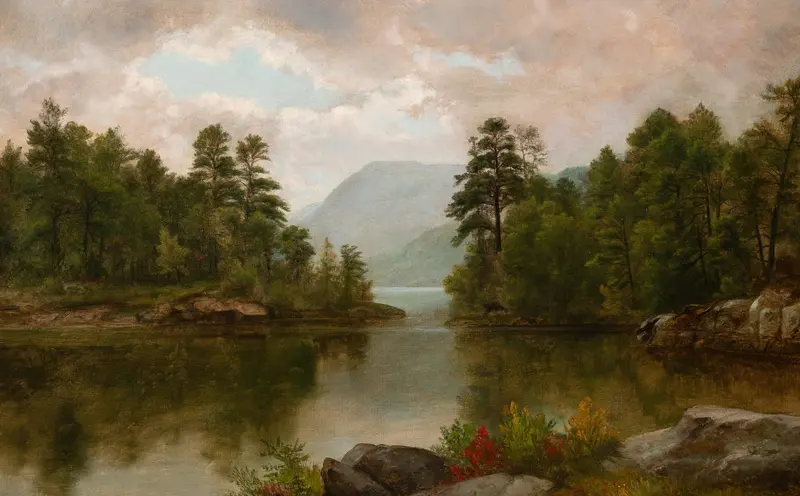
The Narrows, Lake George
Asher Brown Durand
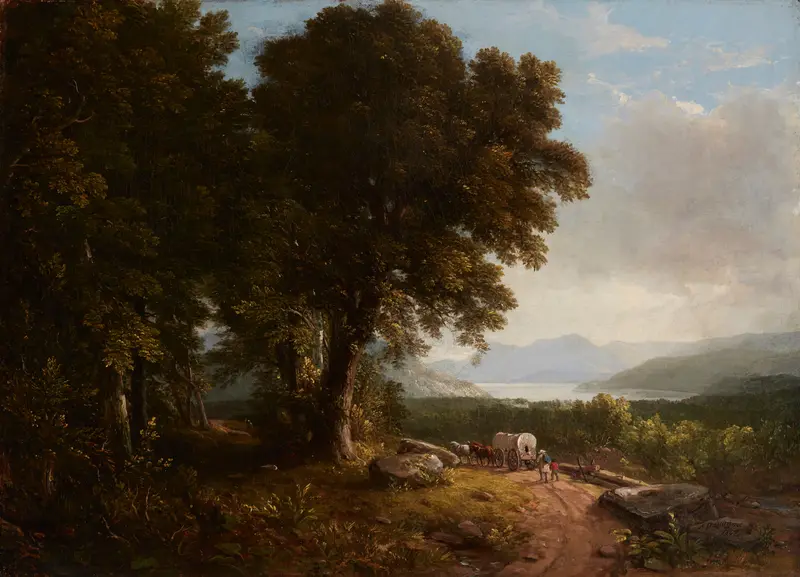
Landscape with Covered Wagon
Asher Brown Durand
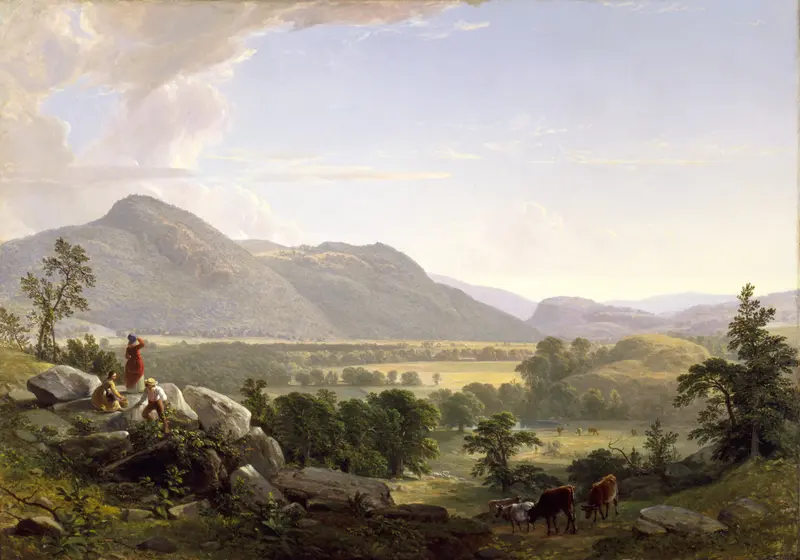
Dover Plains, Dutchess County, New York
Asher Brown Durand
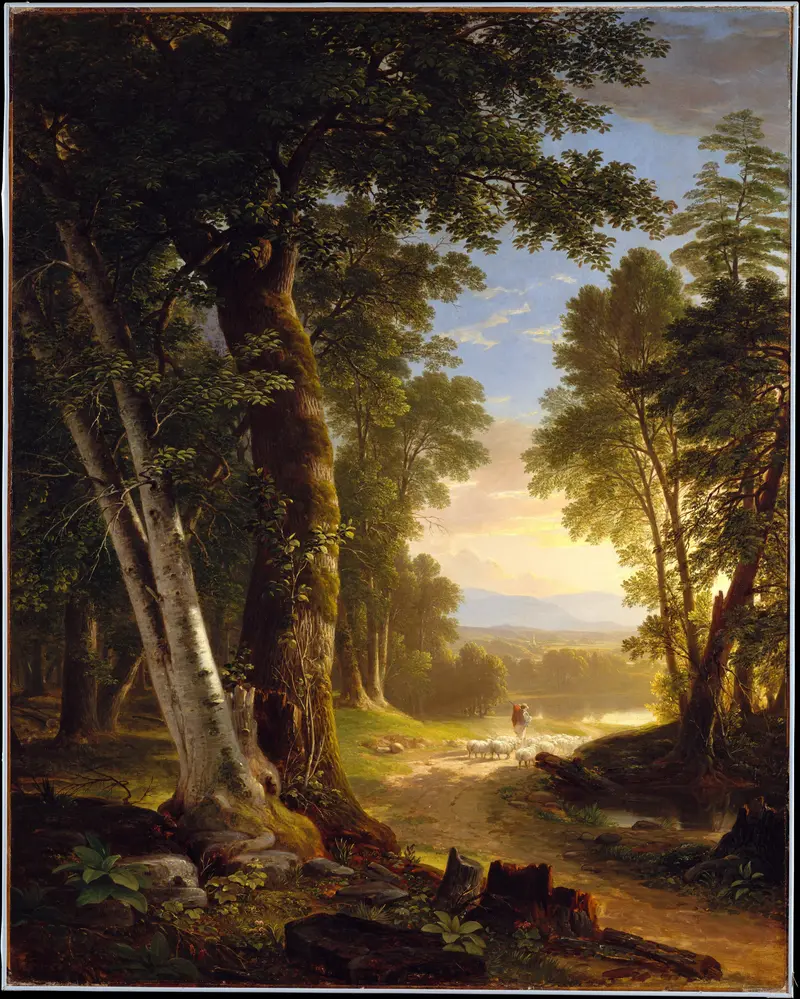
The Beeches
Asher Brown Durand

Kaaterskill Landscape
Asher Brown Durand
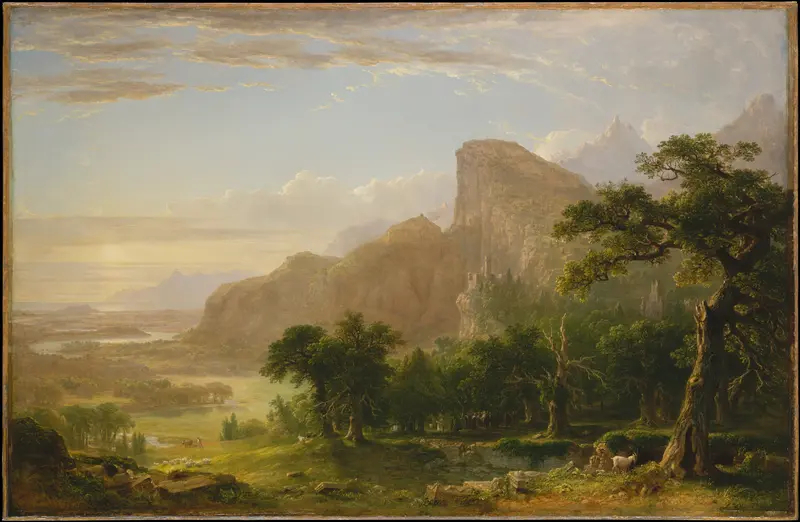
Landscape—Scene from ‘Thanatopsis’
Asher Brown Durand
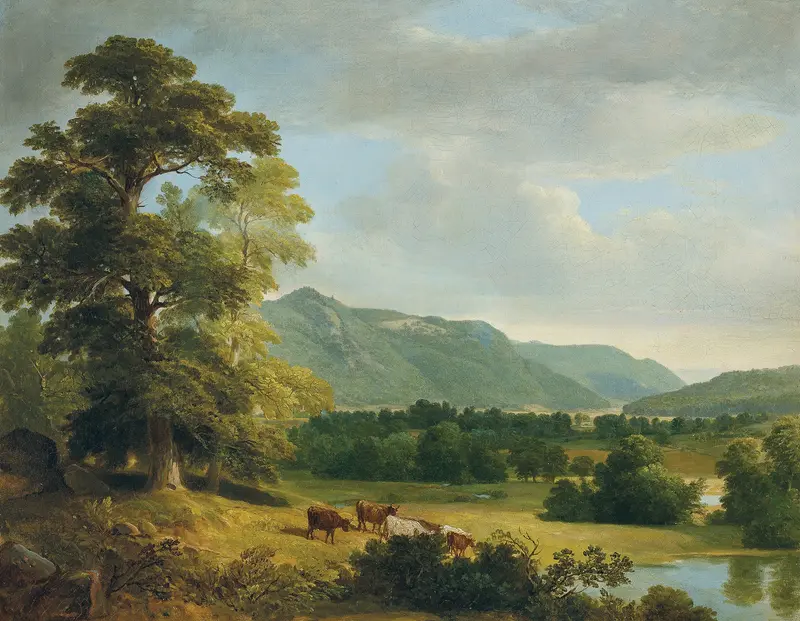
Landscape Study, Dover Plains, New York
Asher Brown Durand
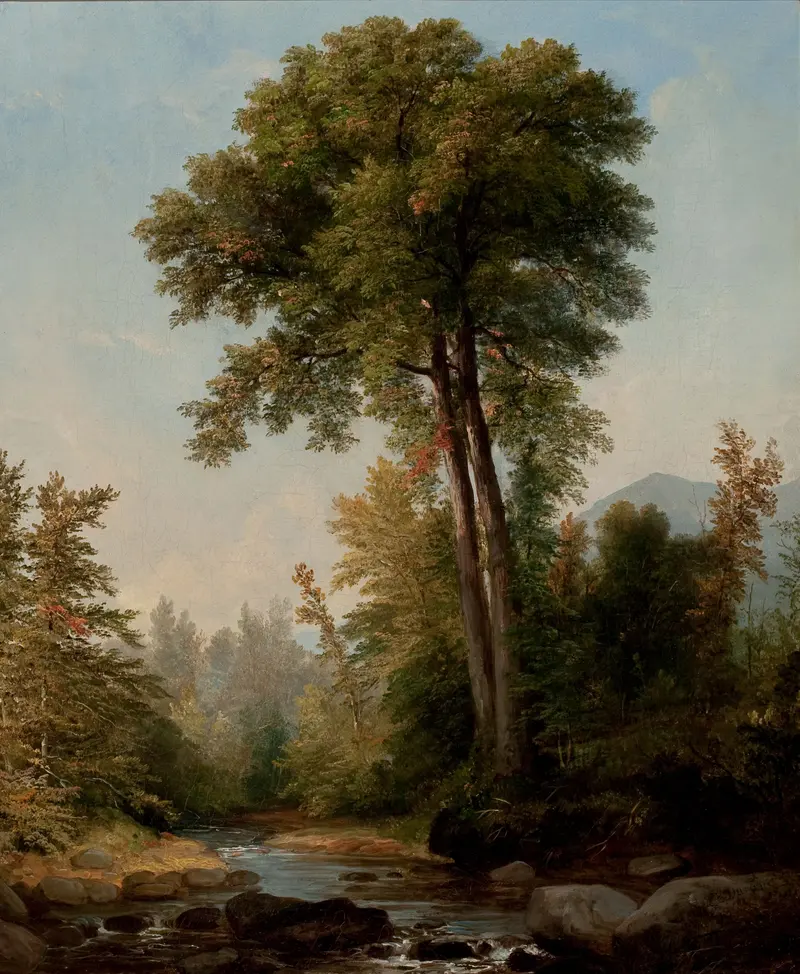
A Natural Monarch
Asher Brown Durand
More Landscape Art

The Starry Night
Vincent van Gogh

View of Delft
Johannes Vermeer

Water Lilies
Claude Monet

The Grand Canal, Venice, looking north-west from the Ca' Corner to the Ca' Contarini degli Scrigni, with the campanile of Santa Maria della Carità
Canaletto

Windsor Castle
Canaletto

The Grand Canal looking North-East from the Palazzo Dolfin-Manin to the Rialto Bridge
Canaletto