
Rocky Landscape with Two Figures on a Path in the Center — History & Facts
What secret hides in the quiet of the canvas? As the eye wanders over the rugged terrain, whispers of awakening beckon the viewer to explore deeper. Look to the center, where two figures traverse a winding path that cuts through the rocky landscape. Their presence is both commanding and intimate, set against a vast expanse of earthy tones. Notice how the dappled sunlight bathes the craggy rocks, highlighting nuances in texture and shadow.
The composition is carefully balanced, with the figures drawing the gaze toward the horizon, inviting contemplation of their journey. Beneath the surface, the painting evokes a profound tension between solitude and companionship. The figures, seemingly together yet encased in nature's grandeur, reflect the duality of human experience—connection amidst isolation. The ruggedness of the landscape contrasts with the serenity of their path, suggesting both struggle and hope.
Each brushstroke captures the essence of an awakening, urging viewers to consider their own paths through life's challenges. During the years between 1745 and 1748, the artist was exploring the idyllic landscapes of England, influenced by the burgeoning Romantic movement that sought to express individuality and emotional depth in art. Gilpin's focus on nature and its interaction with humanity mirrors the sentiments of a society beginning to embrace the sublime as a source of inspiration and contemplation.
More Artworks by William Gilpin
Browse all →
Bridgnorth Bridge, Shropshire
William Gilpin
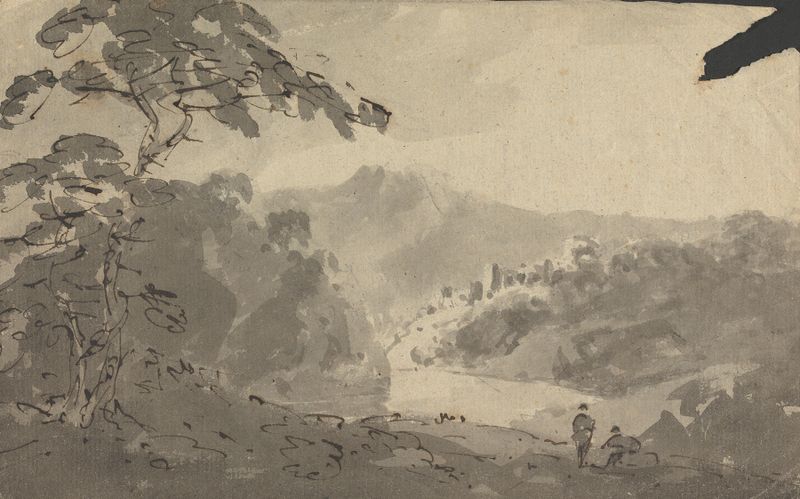
Two Men Looking Into Landscape with Castle, River and Mountain Scene
William Gilpin
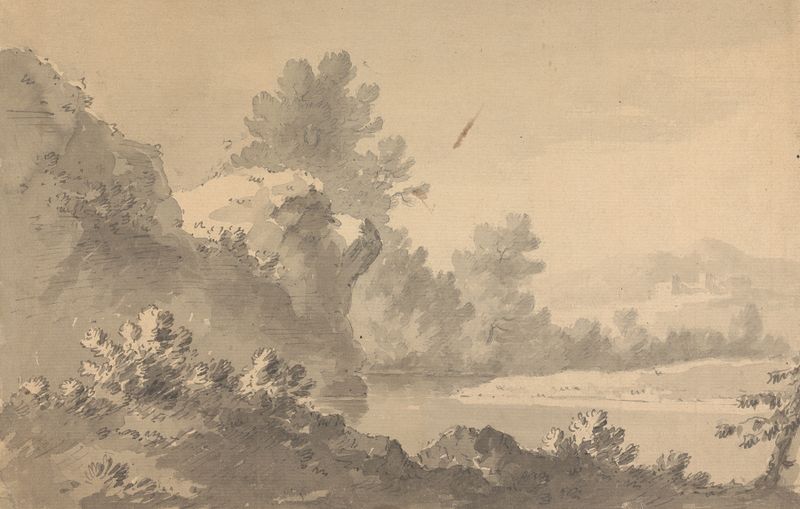
River Landscape with Castle in the Distance
William Gilpin
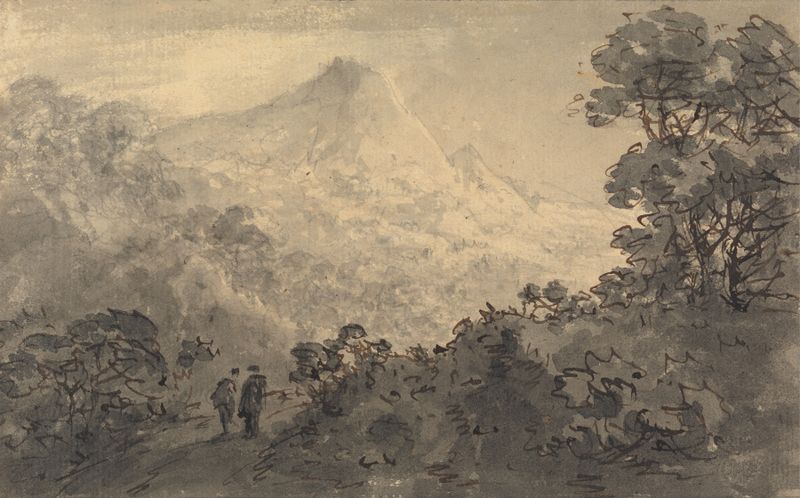
Snowdon
William Gilpin

Hilly Landscape
William Gilpin
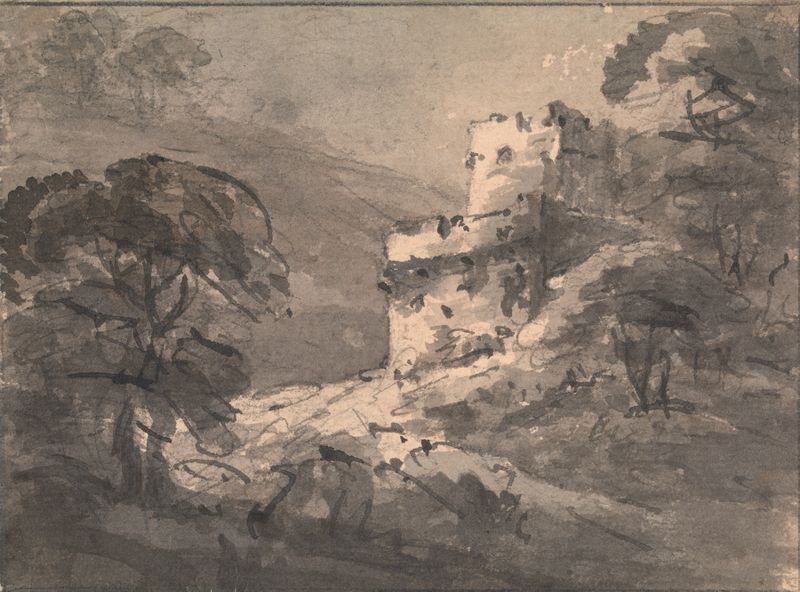
Landscape with a Ruined Castle on the Right
William Gilpin

Mountainous Landscape with Trees – High Crags to the Right
William Gilpin

View of Castle Ruin
William Gilpin
Bridge on the Malton Road from York
William Gilpin

Landscape with Two Trees and Castle
William Gilpin





