
Rolleboise — History & Facts
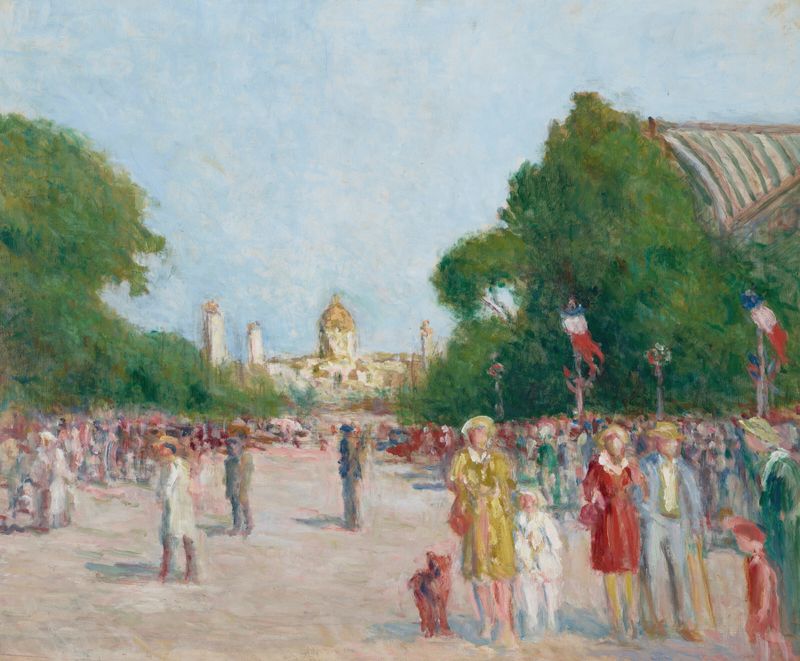
When did color learn to lie? In a world where silence speaks volumes, the vibrancy of hues can mask deeper truths, leading us to question the essence of reality itself. Focus first on the center of the canvas, where layers of rich blues and greens swirl and intermingle. Notice how the painter’s brushstrokes seem to dance with life, creating a shimmering surface that invites you to explore further. The light captures every nuance, revealing how the interplay of color captures not just the physical landscape of Rolleboise, but the emotional landscape of the artist's perception. As you delve deeper into the image, consider the juxtaposition between the serene scene and the solitude it embodies.
The bright colors evoke a warmth that contradicts the stillness of the moment, suggesting an inner turmoil or a longing for connection. Shadows linger in the corners, hinting at the unspoken thoughts tethered to the vibrant facade, reflecting the tension between reality and the illusion of joy. Maximilien Luce created this work during the late 19th century, a period marked by rapid industrial change and burgeoning Impressionist ideals. Living in Paris amidst the swirling narratives of transformation, he sought to capture the essence of modern life and its complexities, embracing the vibrancy of color while grappling with the silence it could evoke in the viewer.
More Artworks by Maximilien Luce
Browse all →
Le Quai Montebello Et La Colline Sainte-Geneviève
Maximilien Luce

Le Pont-Neuf, La Seine, Petit Bras
Maximilien Luce
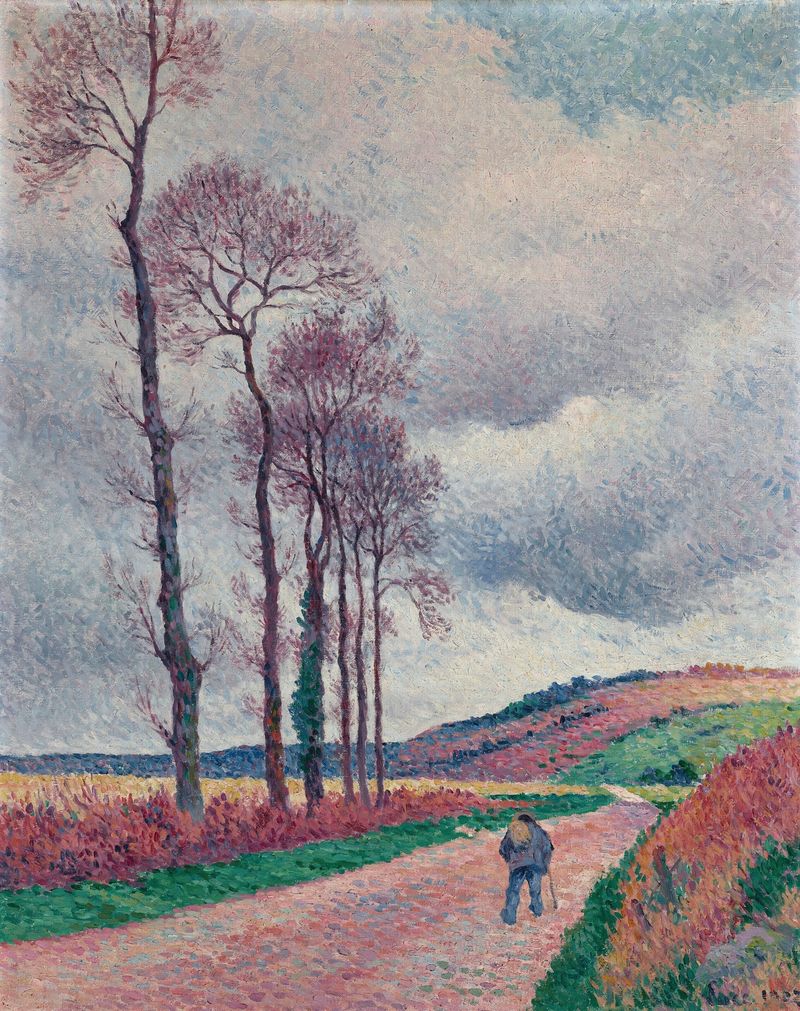
La route aux environs de Méréville
Maximilien Luce
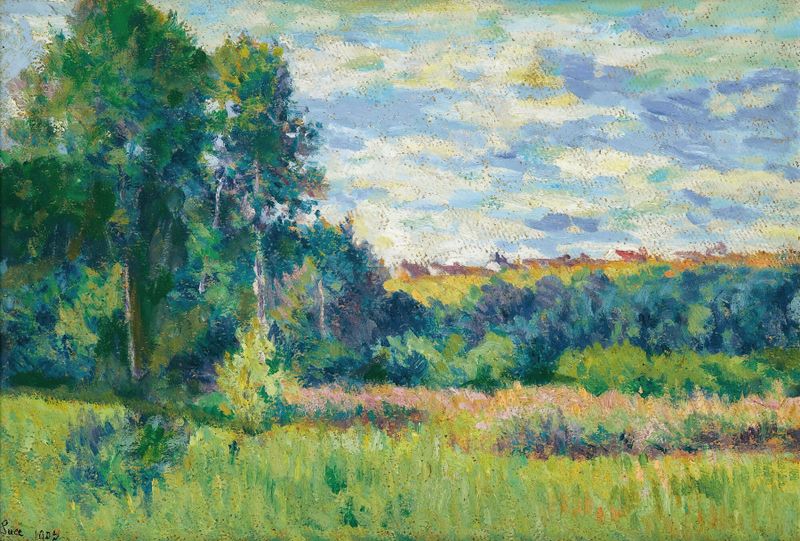
Paysage
Maximilien Luce
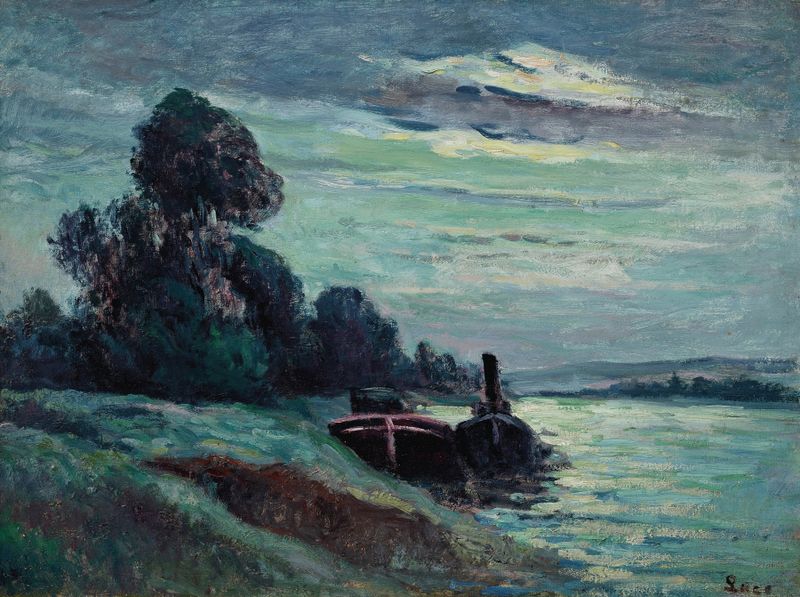
Péniches sur la Seine
Maximilien Luce

Notre Dame de Paris
Maximilien Luce
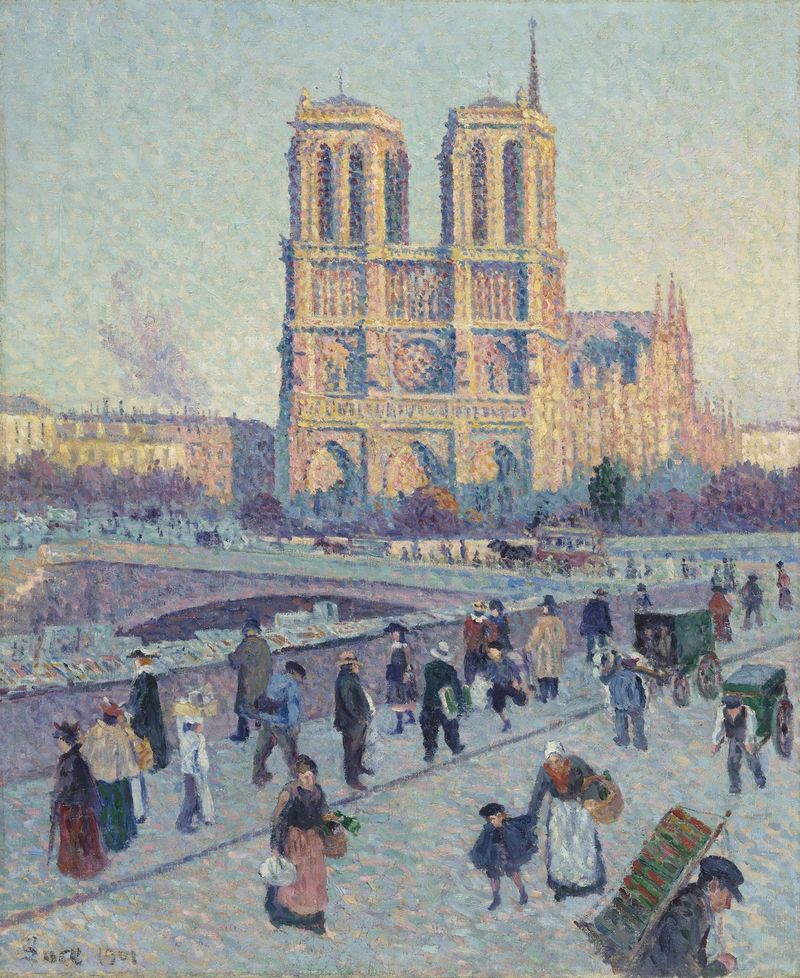
The Quai Saint-Michel and Notre-Dame
Maximilien Luce

La Seine au Pont Mirabeau
Maximilien Luce
L’avenue Winston-Churchill, Paris
Maximilien Luce

Paris, Le Quartier De Vaugirard
Maximilien Luce





