
Rolleboise, Le Village — History & Facts
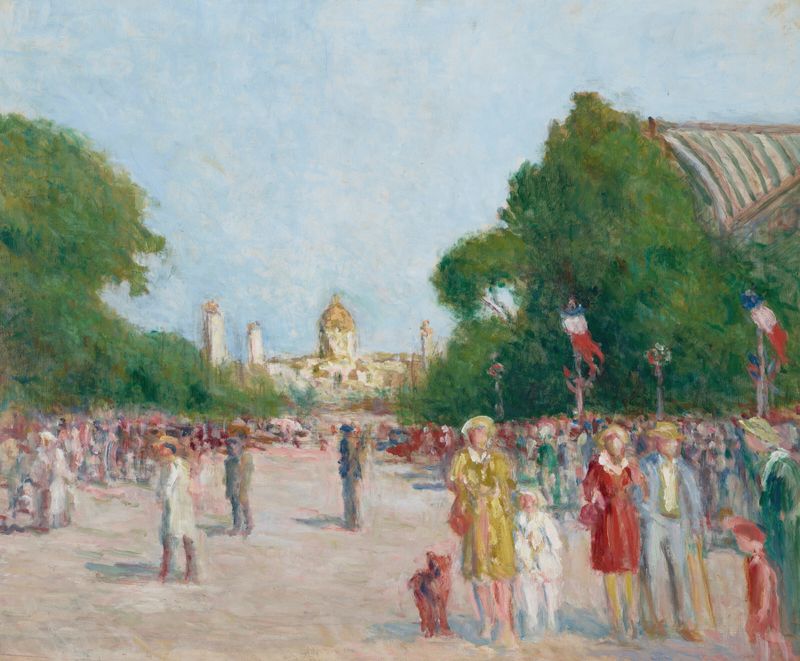
In the shadows of history, echoes of fear linger like specters over landscapes once vibrant with life. Focus your gaze on the foreground, where quaint houses stand resilient, yet weary beneath the weight of a turbulent past. The brushstrokes, thick and expressive, vibrate with energy, while muted blues and earthy ochres weave a tapestry that speaks of both serenity and encroaching dread. The angular lines of the rooftops seem almost to lean inward, creating an intimate yet confining space that invites curiosity but also evokes unease. Delve deeper into the scene: notice the darkened skies, heavy with an impending storm, that loom over the village like an omnipresent threat.
The absence of figures suggests a chilling silence, an unseen tension that grips the viewer with a sense of anticipation. It’s as if the village holds its breath, poised on the precipice of change, caught between nostalgia and the fear of the uncertain future. In the late 19th century, while Luce painted this work, he was deeply influenced by the post-Impressionist movement, exploring social themes through his art. Living in France, a nation still grappling with the aftermath of political upheaval, he sought to capture the essence of his surroundings—both the beauty and the haunting echoes of fear that lingered in the wake of rapid transformation.
More Artworks by Maximilien Luce
Browse all →
Le Quai Montebello Et La Colline Sainte-Geneviève
Maximilien Luce

Le Pont-Neuf, La Seine, Petit Bras
Maximilien Luce
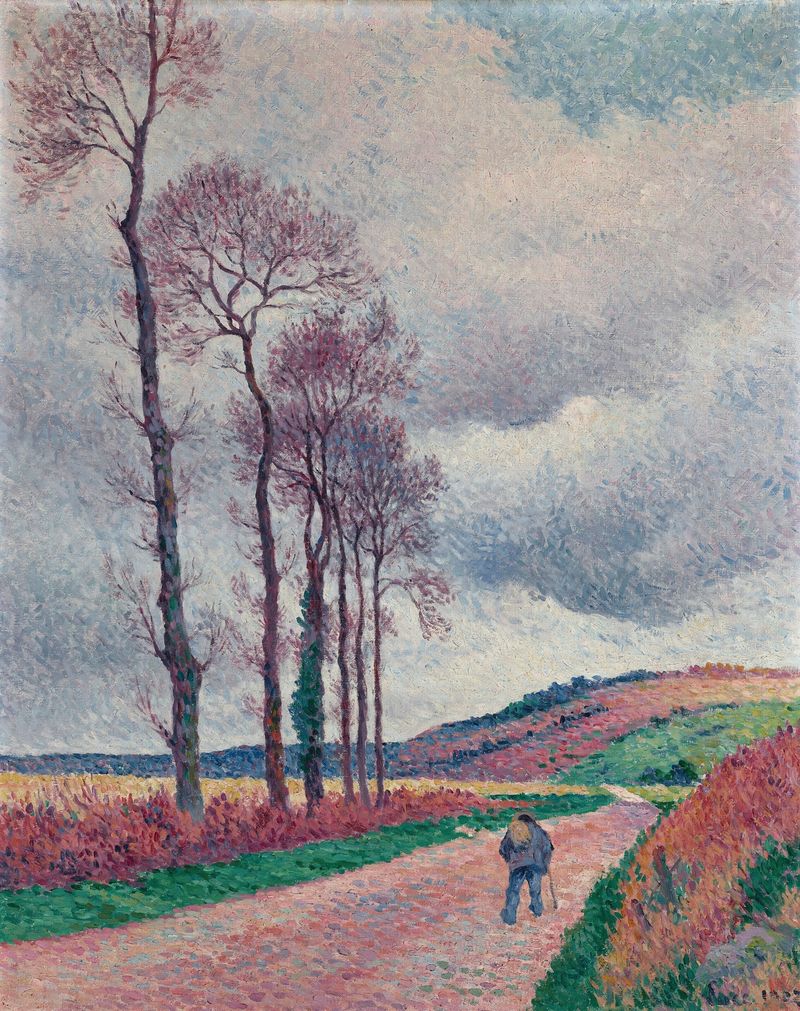
La route aux environs de Méréville
Maximilien Luce
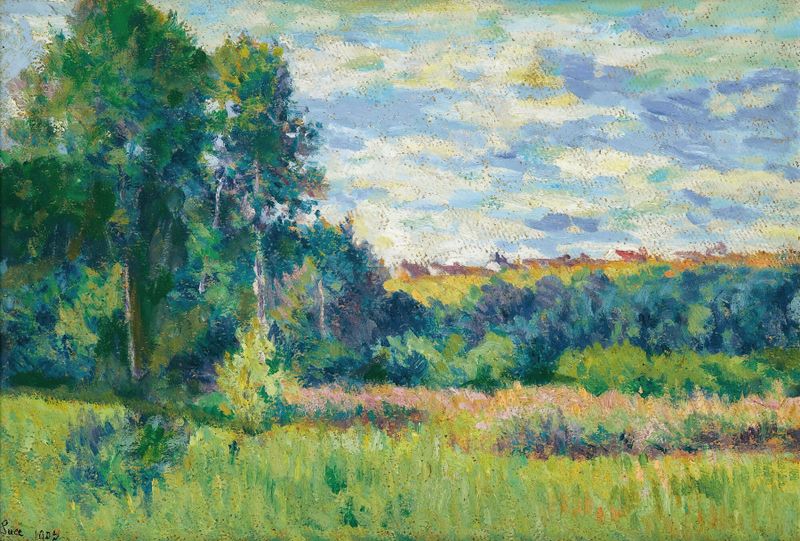
Paysage
Maximilien Luce
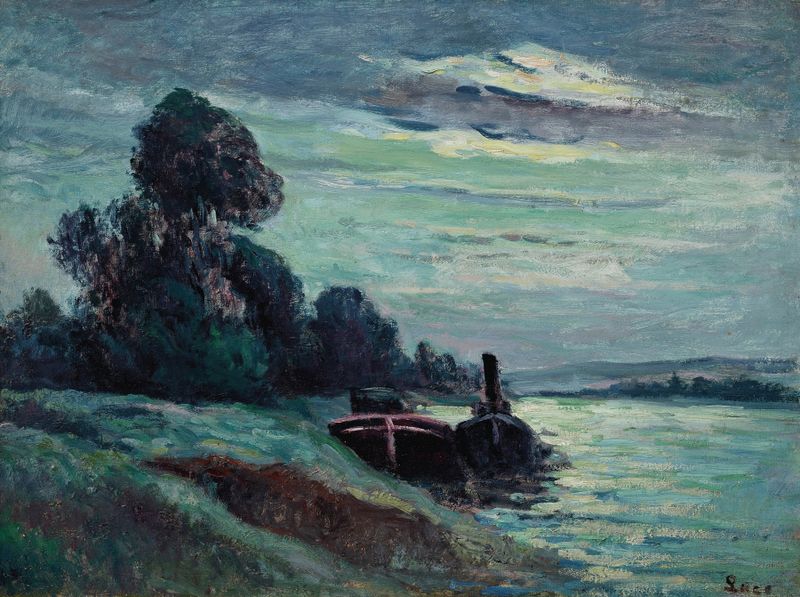
Péniches sur la Seine
Maximilien Luce

Notre Dame de Paris
Maximilien Luce
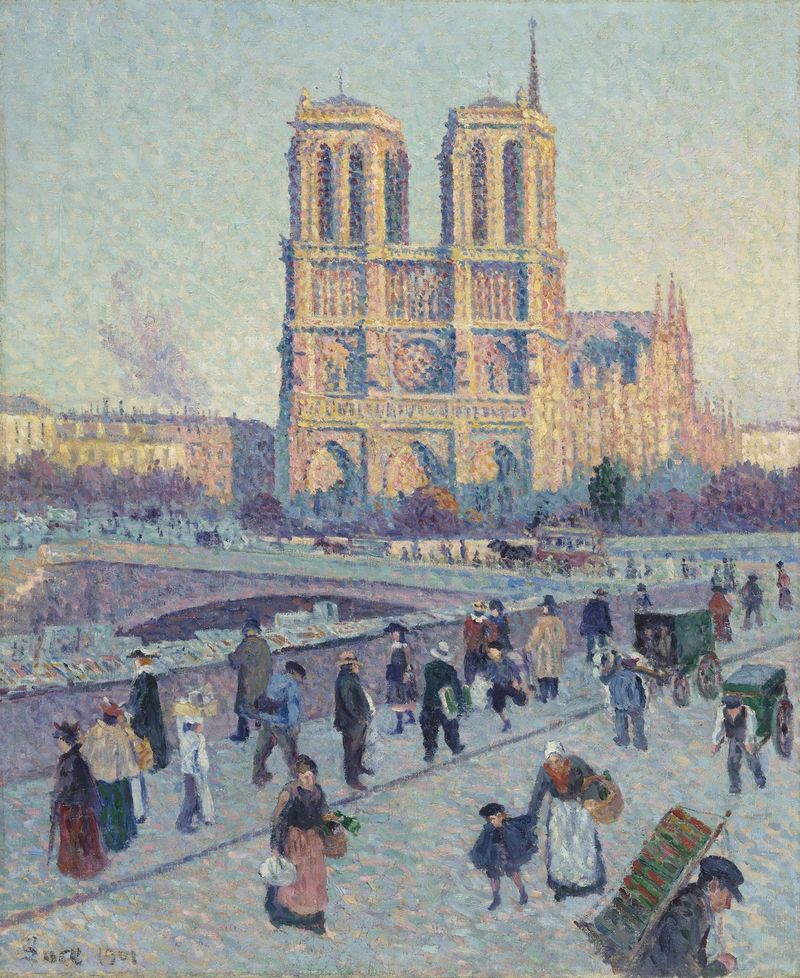
The Quai Saint-Michel and Notre-Dame
Maximilien Luce

La Seine au Pont Mirabeau
Maximilien Luce
L’avenue Winston-Churchill, Paris
Maximilien Luce

Paris, Le Quartier De Vaugirard
Maximilien Luce





