
Rolleboise, Les Fermes ou La chevrière et la fermière près du puits — History & Facts
When did color learn to lie? In this masterpiece, vivid hues dance on the canvas, yet they veil a deeper truth—a poignant meditation on mortality. Look to the left at the vibrant greens of the lush landscape, which cradle the weathered structures of the farmstead. The interplay of blues and yellows in the sky evokes a sense of fleeting time, as shadows stretch across the earth. Notice how the figures—a shepherdess and a farmer—interact near the well, their gestures seemingly serene yet tinged with an unspoken urgency, as if they are caught in the delicate balance between life and death. Delve into the details; the shepherdess cradles her staff with a protective yet weary grip, suggesting the burdens that come with her pastoral life.
The farmer's gaze, focused on the horizon, hints at aspirations and dreams that may remain unfulfilled. The color palette, rich with life, paradoxically underscores the looming presence of mortality, reminding us that even in the brightest moments, the shadow of loss is never far away. In 1930, Luce painted this work during a time when the world was grappling with the aftermath of the Great War, exploring themes of renewal amidst decay. He was aligned with the Post-Impressionist movement, striving to capture the essence of modern life through vibrant color and dynamic brushwork.
This painting stands as a testament to both his artistic evolution and the enduring tension between vitality and transience.
More Artworks by Maximilien Luce
Browse all →
Le Quai Montebello Et La Colline Sainte-Geneviève
Maximilien Luce

Le Pont-Neuf, La Seine, Petit Bras
Maximilien Luce
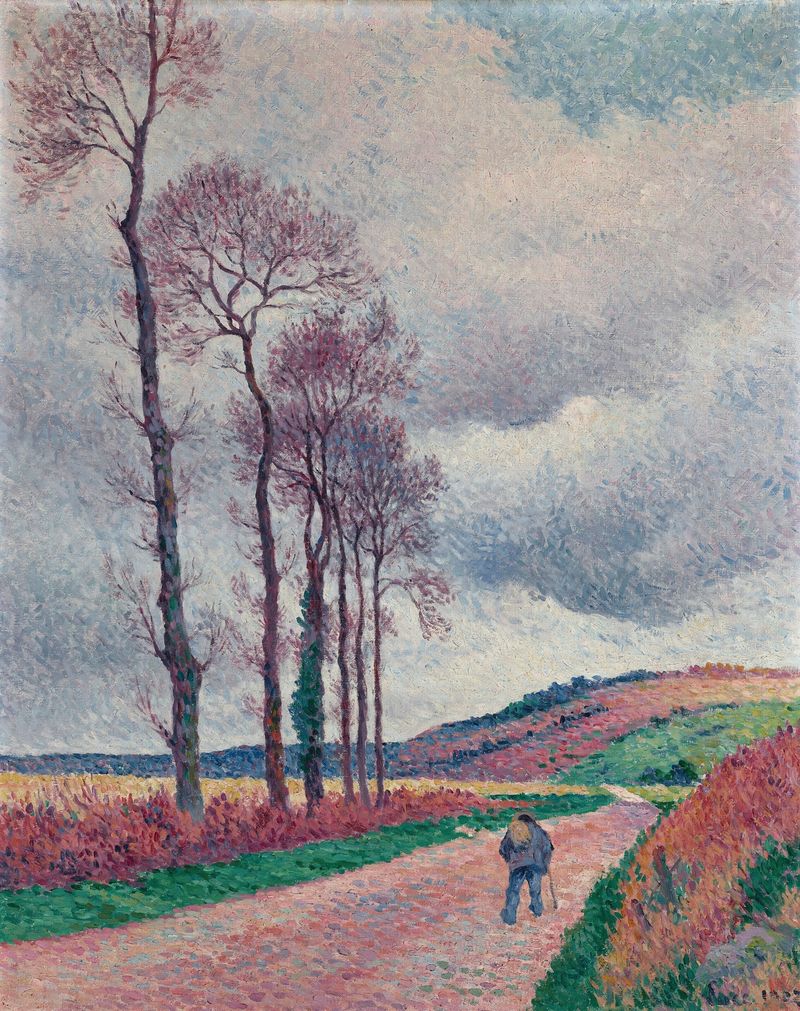
La route aux environs de Méréville
Maximilien Luce
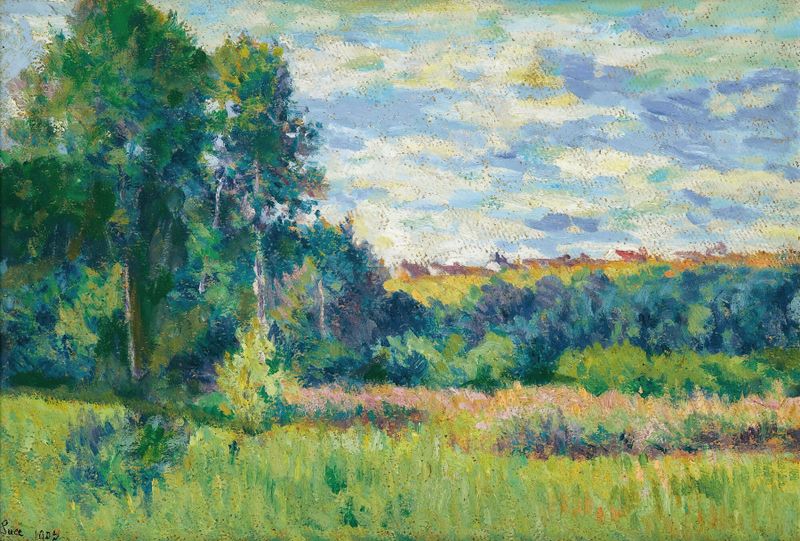
Paysage
Maximilien Luce
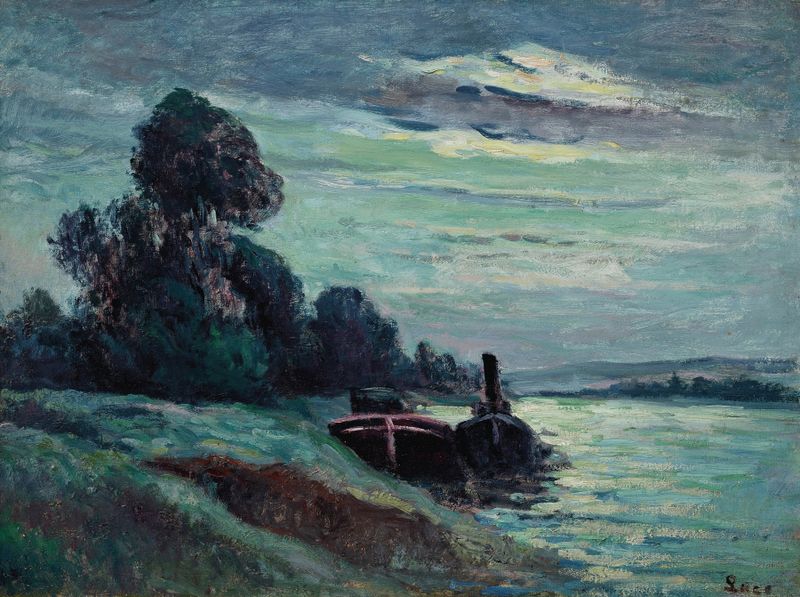
Péniches sur la Seine
Maximilien Luce

Notre Dame de Paris
Maximilien Luce
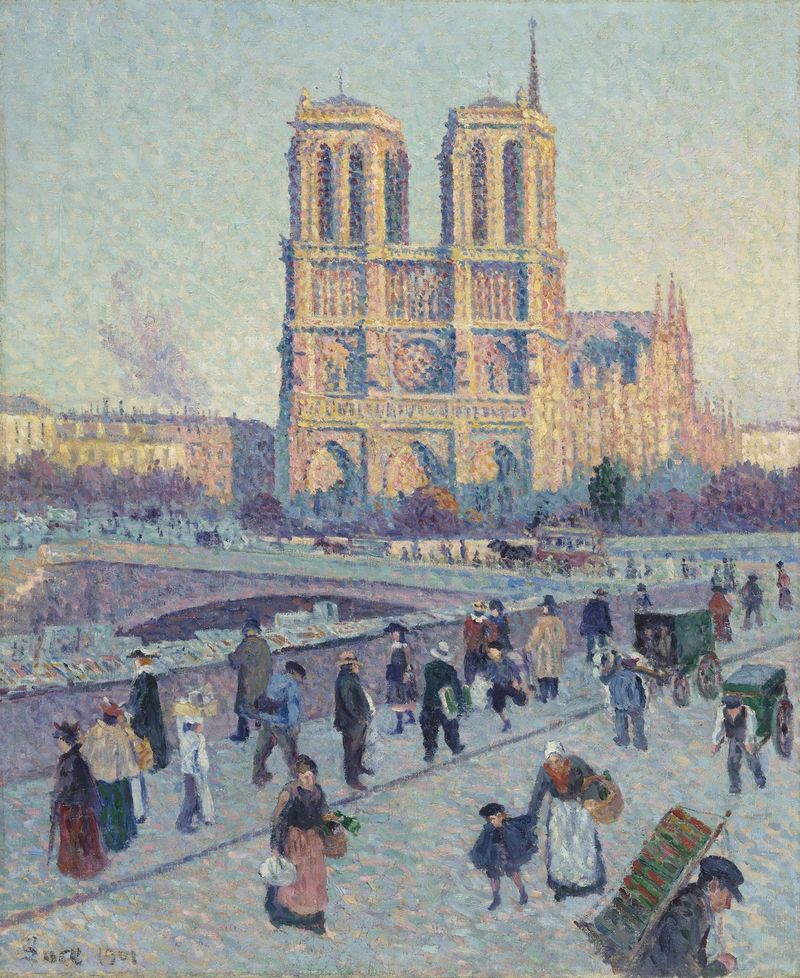
The Quai Saint-Michel and Notre-Dame
Maximilien Luce

La Seine au Pont Mirabeau
Maximilien Luce
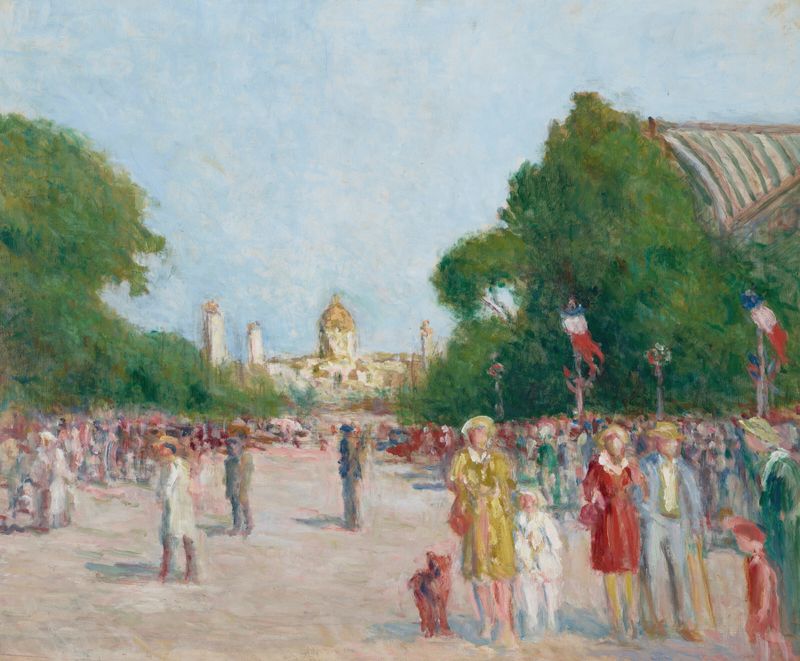
L’avenue Winston-Churchill, Paris
Maximilien Luce

Paris, Le Quartier De Vaugirard
Maximilien Luce





