
Romantic landscape — History & Facts
In every untouched vista lies the residue of untold stories, the echoes of a world on the brink of transformation. As revolution brews, the landscape becomes a canvas of both beauty and unrest, inviting us to ponder what lies beneath its tranquil surface. Look to the foreground of this landscape, where gentle hills rise and fall like whispers of a secret. The lush greens blend effortlessly with soft blues and earthy browns, creating a harmonious palette that soothes yet stirs.
Notice how the light dances across the scene, illuminating patches of wildflowers that seem to tremble with anticipation, suggesting not just the tranquility of nature but also an underlying tension—a promise of change hanging in the air. Hidden within the serene beauty are contrasts that speak to deeper themes of transition and rebellion. The expansive skies, painted in soft pastels, contrast sharply with the jagged outlines of the distant mountains, symbolizing the struggle between nature's serenity and humanity's chaotic desires. Each element, from the solitary tree to the winding river, mirrors the internal conflicts of individuals caught between the idyllic and the inevitable upheaval of their lives. Elias Martin created this work amidst an era rich with artistic exploration, likely during the late 18th century, when Romanticism was gaining prominence.
He sought to capture not just the beauty of nature but also its capacity to reflect human emotion and societal shifts. This painting, though undated, embodies a moment in which the natural world becomes a stage for personal and collective revolutions, mirroring the turbulence of a changing society.
More Artworks by Elias Martin
Browse all →
View of Stockholm II
Elias Martin
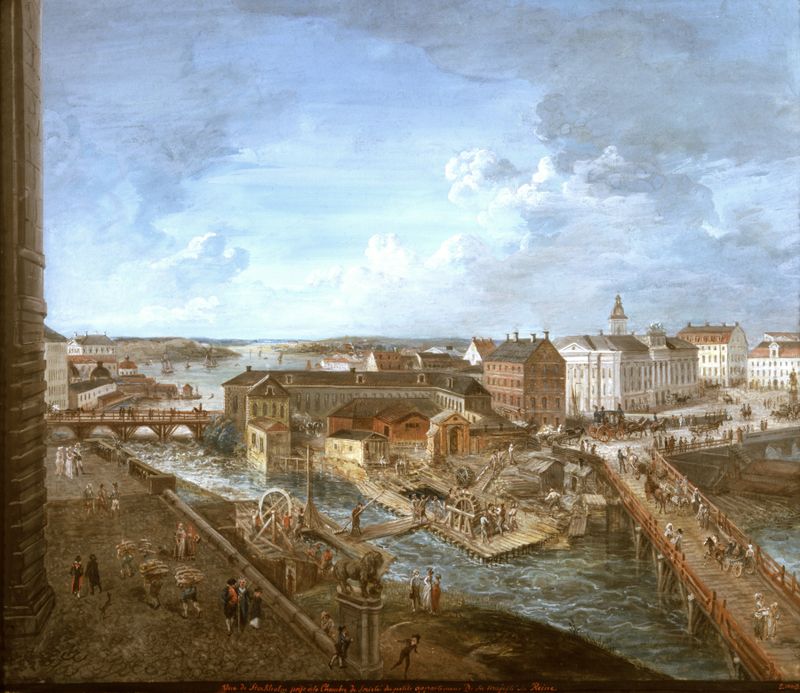
View of Stockholm from the Royal Castle.
Elias Martin

Pope House at Twickenham
Elias Martin
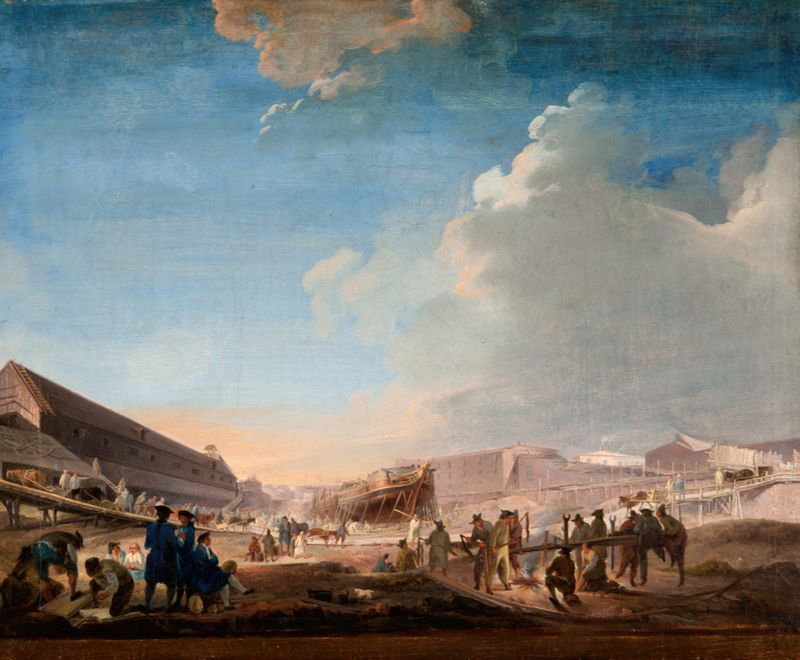
The Galley Dock at Sveaborg under Construction, viewed from west
Elias Martin

View of Stockholm I
Elias Martin
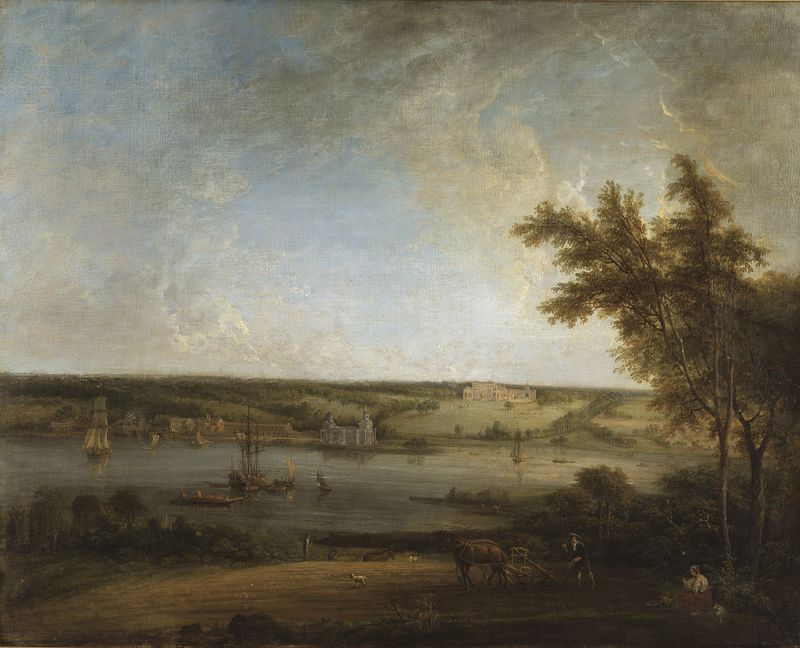
English Landscape from Mistley Hall, Essex
Elias Martin

View of Stockholm V
Elias Martin
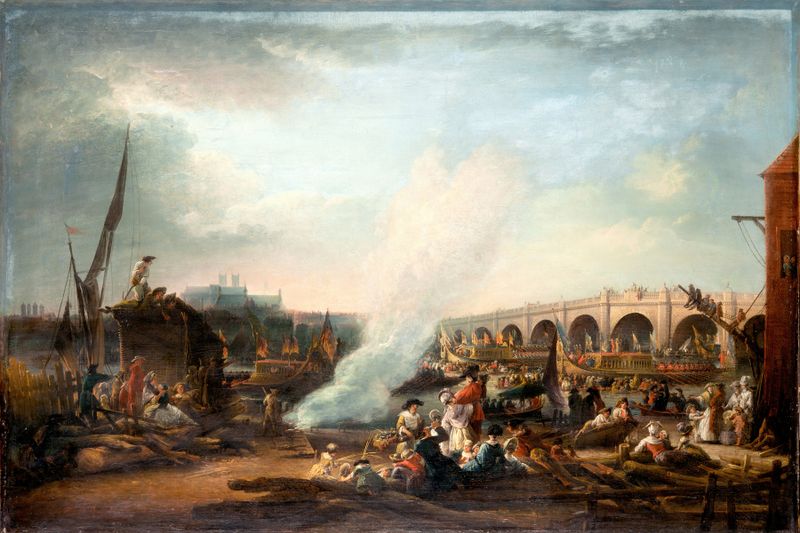
Westminster Bridge and the Thames Procession of King Christian VII of Denmark in 1769
Elias Martin

View of Uppsala cathedral from the North
Elias Martin

Landskap med herde
Elias Martin





