Rosy Moon Off Charleston Harbor — History & Facts
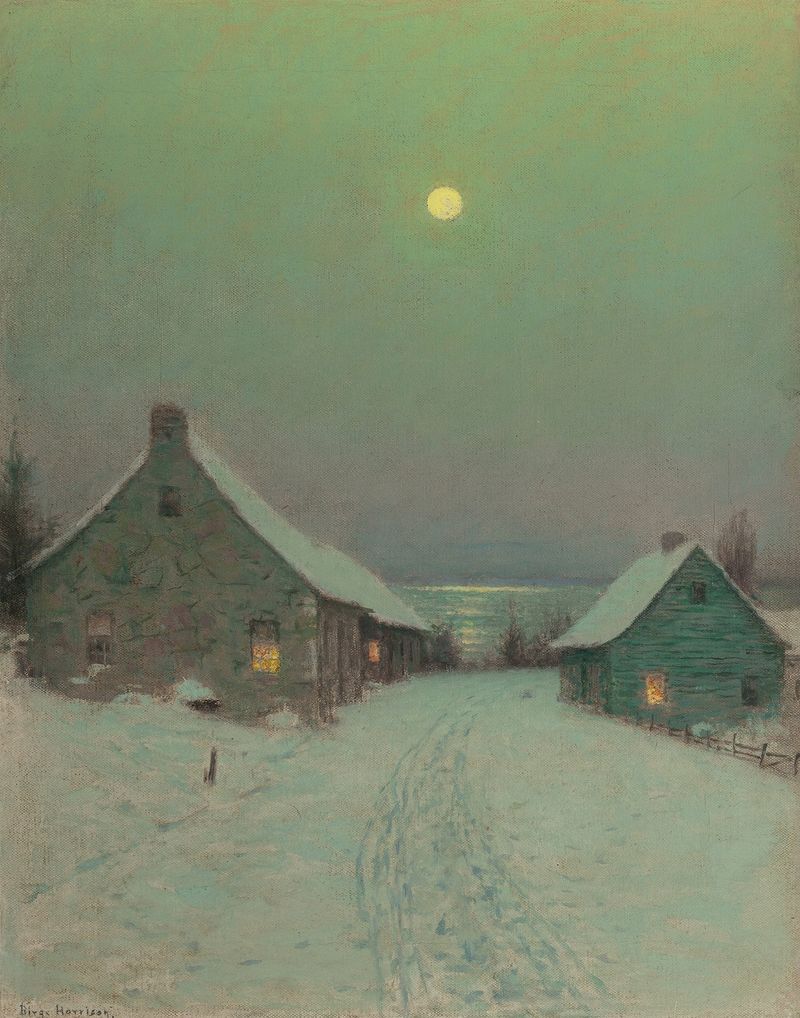
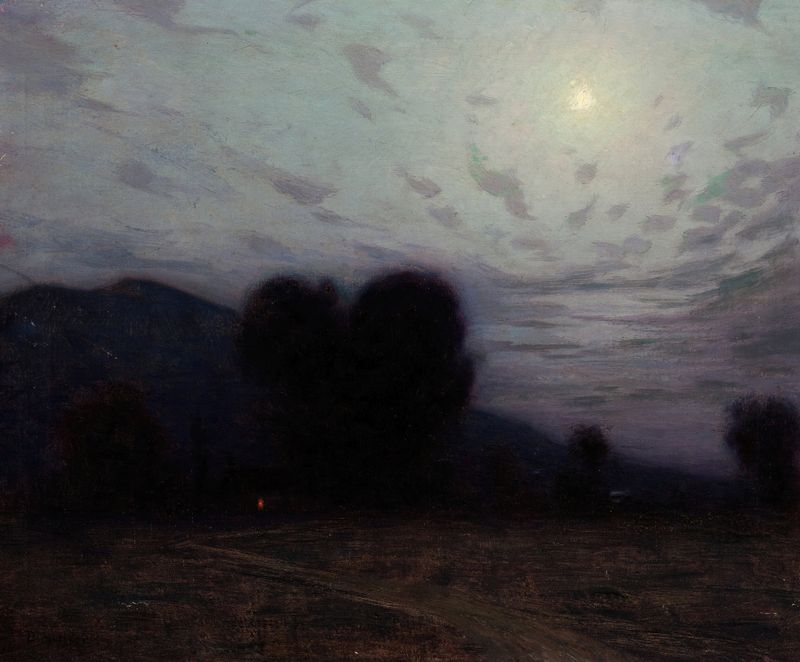
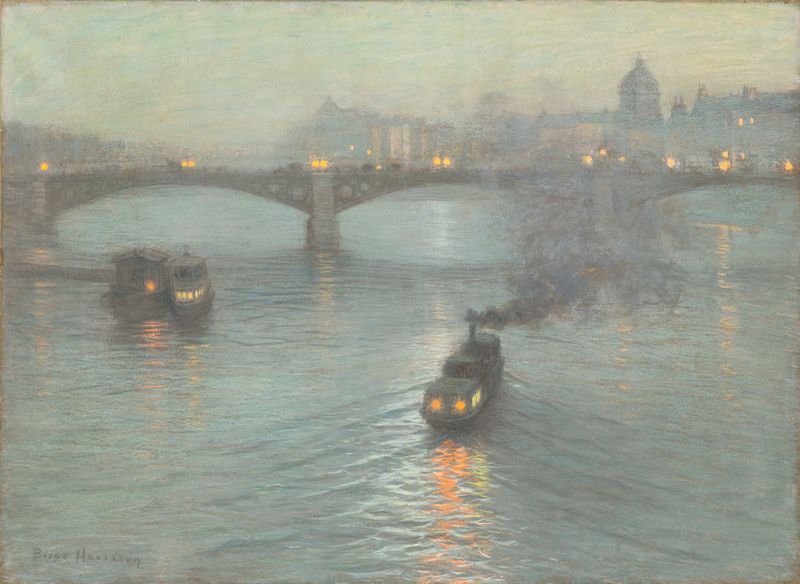
In the quiet moments of twilight, we encounter the visceral ache of loss, a reflection of what remains unspoken. Look to the horizon in Rosy Moon Off Charleston Harbor, where a soft gradient of pink and gold melds into the deepening blue of night. The moon hangs low, casting a gentle glow that glimmers on the water’s surface, wrapping the scene in an ethereal haze. Notice how the subtle brushwork creates a shimmering, rippling texture, drawing your eye across the canvas and inviting you to linger in this tranquil yet haunting moment. Beneath the surface beauty lies a profound tension.
The moonlight illuminates the harbor, suggesting warmth and hope, yet the encroaching darkness signals an impending solitude. The stillness of the water mirrors the stillness of the heart, evoking a bittersweet remembrance of things lost — a loved one, a fleeting moment, or a dream left unfulfilled. Each element works harmoniously to reveal the delicate balance of joy and sorrow, capturing the essence of yearning. Birge Harrison painted this artwork during the early 20th century, a time when he was deeply engaged with the American Impressionist movement.
His focus on atmospheric effects and emotional resonance marked a significant departure from more rigid artistic conventions. As he captured this serene harbor scene, he was immersed in a world grappling with the rapid changes of modernity, reflecting both the beauty and fragility of human experience.