Rotting Tree — History & Facts
Can paint confess what words never could? In Rotting Tree, the canvas speaks of grief, of decay, and the bittersweet dance of memory. Look to the left at the gnarled trunk, its twisted form commanding attention. Murray employs a palette of muted browns and deep greens, enshrouding the tree in shadows that suggest a haunting past. The texture is raw and visceral, the brushstrokes aggressive yet deliberate, allowing the viewer to feel the life that once thrived within its bark.
As light filters unevenly, it catches moments of brilliance—small tufts of color that mimic life amid the decay, inviting an exploration of contradiction. The interplay of life and death emerges in subtle details. Notice the fragile leaves clinging to the barren branches, a poignant reminder of resilience in the face of inevitable decline. They stand as silent witnesses to a world in transition, invoking the tension between what was and what remains.
This duality runs throughout the piece, echoing the artist's own journey through loss and the inevitability of time. In 1850, Elizabeth Murray painted Rotting Tree during a period marked by personal and societal upheaval. Living in a time when the art world was wrestling with realism and naturalism, she sought to capture the transient nature of existence. As she faced her own grief, her brush became a conduit for expressing profound emotions that words could not encapsulate, placing her within the broader context of artists grappling with similar themes in the face of change.
More Artworks by Elizabeth Murray
Browse all →
Scarborough
Elizabeth Murray

From Barnard’s Book on Coloring
Elizabeth Murray

Cows in Landscape
Elizabeth Murray

Winchelsea Church
Elizabeth Murray

Caernarvon Castle
Elizabeth Murray

Val of Shanganagh, Dún Laoghaire, with Boats
Elizabeth Murray

Scarborough Castle
Elizabeth Murray
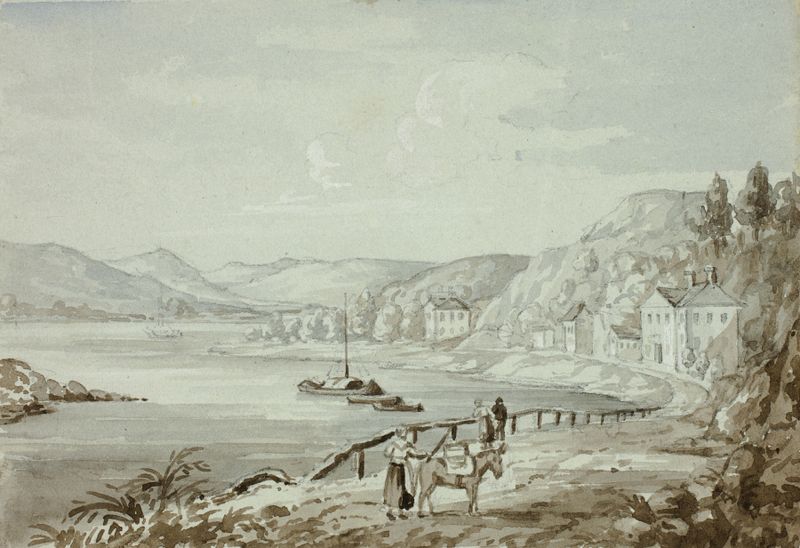
On the Rhine
Elizabeth Murray
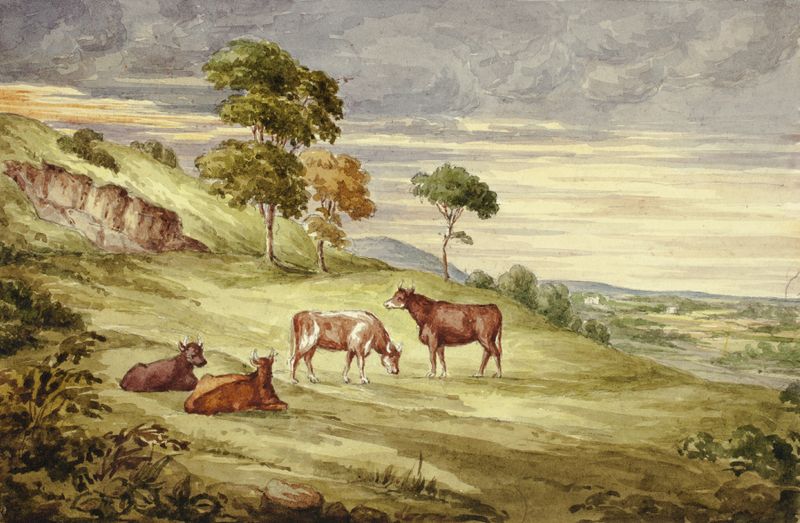
Deer Park, possibly Kilkenny
Elizabeth Murray
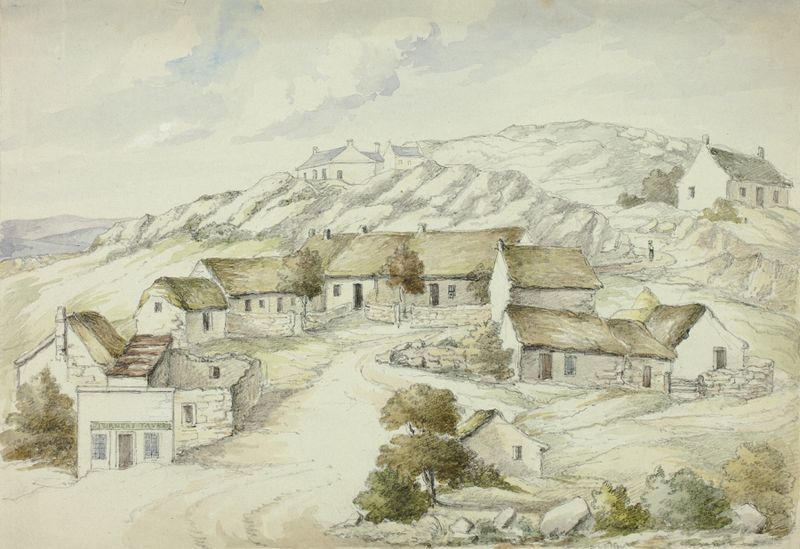
Kilkenny Village from the Rocks
Elizabeth Murray