
Rue des Ursins — History & Facts
In a world awash with noise and distraction, it is often the gentlest hues that unveil the most profound innocence. This is where Rue des Ursins beckons, inviting us to explore the delicate interplay between vibrancy and stillness, revealing layers of meaning within its tranquil facade. Look closely to the left, where soft pastels establish a dreamlike atmosphere. The gentle wash of blues and warm earth tones creates a harmonious blend, guiding your gaze towards the quaint street that meanders through the canvas.
Notice how Jouas employs delicate brushstrokes, as if whispering secrets, inviting you to experience the serene embrace of this urban retreat. The balance of light and shadow adds depth, emphasizing the subtleties of everyday life often overlooked. As you delve deeper into the composition, consider the contrast between the painted structures and the unyielding presence of the human figures, evoking a sense of longing and introspection. The figures, though small, amplify the sense of contemplation, their quiet existence suggesting a narrative steeped in innocence.
The street, alive with color, radiates warmth, yet the subtle isolation of the characters hints at an unspoken story, perhaps a yearning for connection amidst the urban landscape. Created during a time when the art world was grappling with the shift from realism to impressionism, Jouas painted Rue des Ursins in a period marked by innovation and introspection. While the exact date remains unknown, his work reflects an era of exploration in capturing light and atmosphere. He navigated these changes in Paris, where burgeoning modernity coexisted with the echoes of the past, shaping his artistic perspective and inviting contemplation of beauty found in simplicity.
More Artworks by Charles Jouas
Browse all →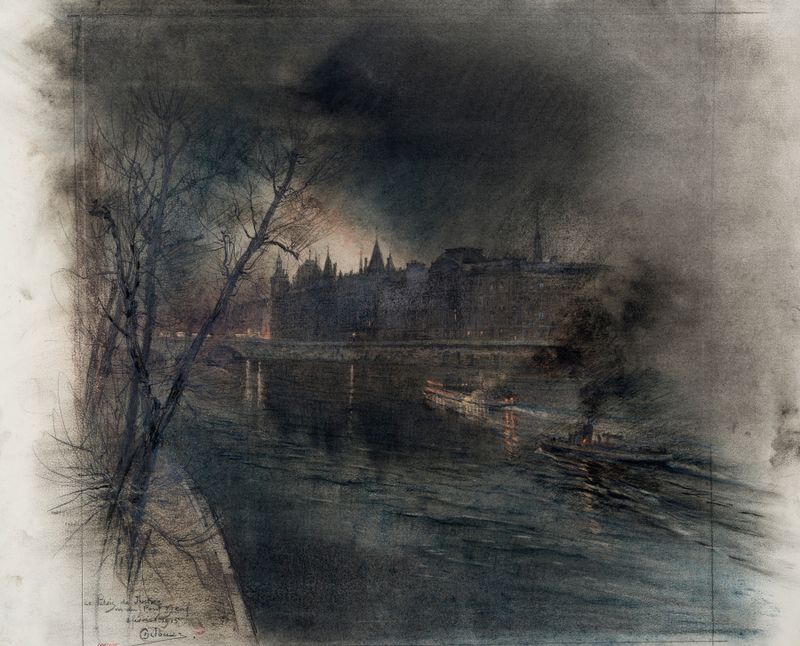
Le Palais de Justice vu du Pont-Neuf
Charles Jouas
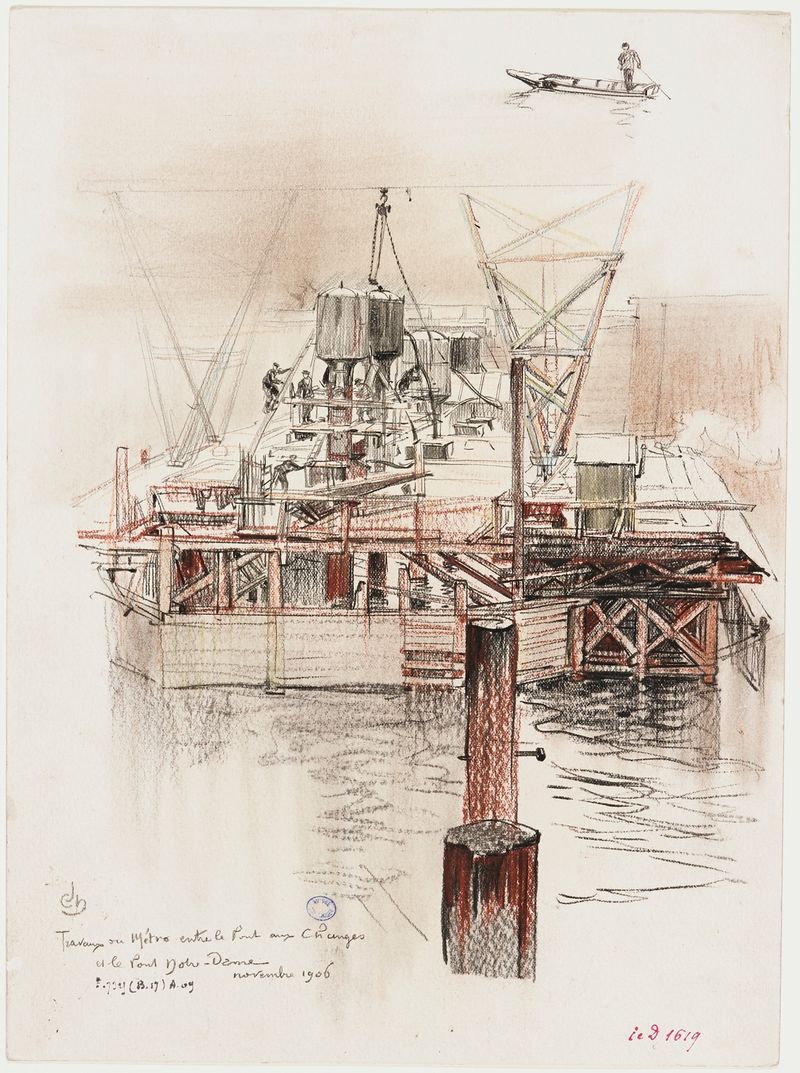
Travaux du métro entre le pont au Change et le pont Notre Dame
Charles Jouas
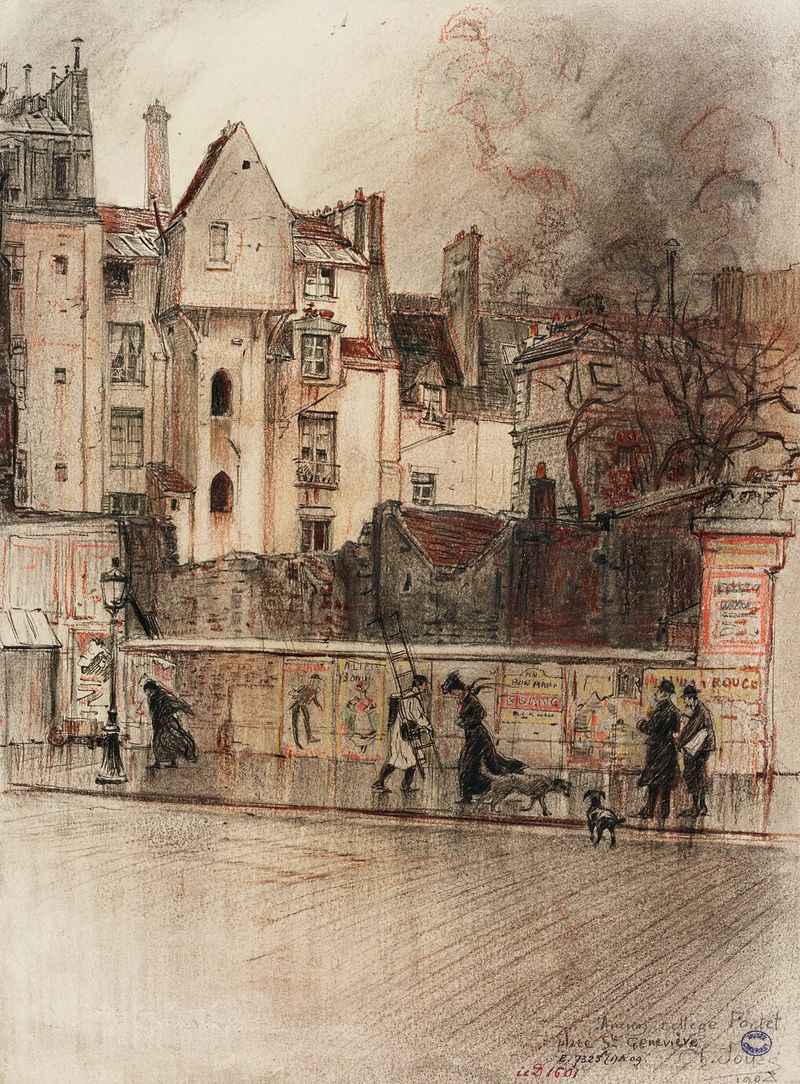
La tour de Calvin (ancien collège de Fortet), place Sainte Geneviève
Charles Jouas

Travaux du métro entre le pont au Change et le pont Notre Dame
Charles Jouas
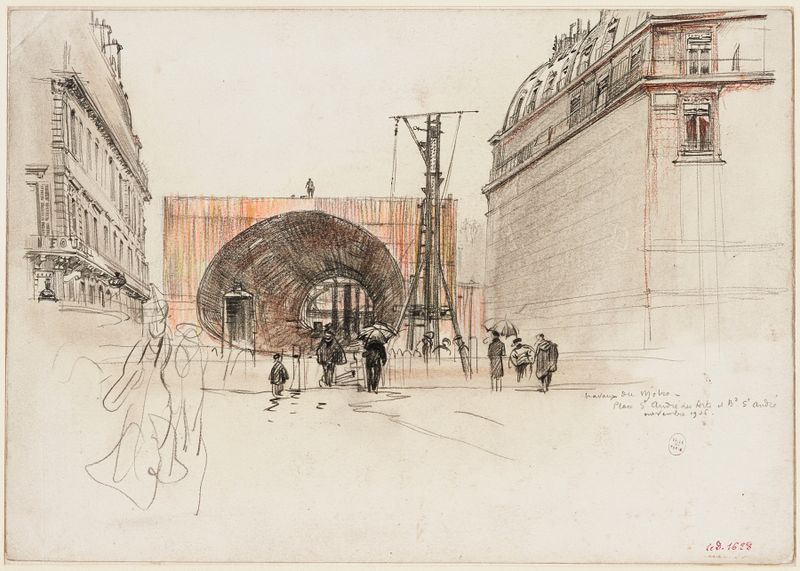
Travaux du métropolitain rue Danton et boulevard Saint-André (le caisson), 6ème aarondissement, Paris
Charles Jouas
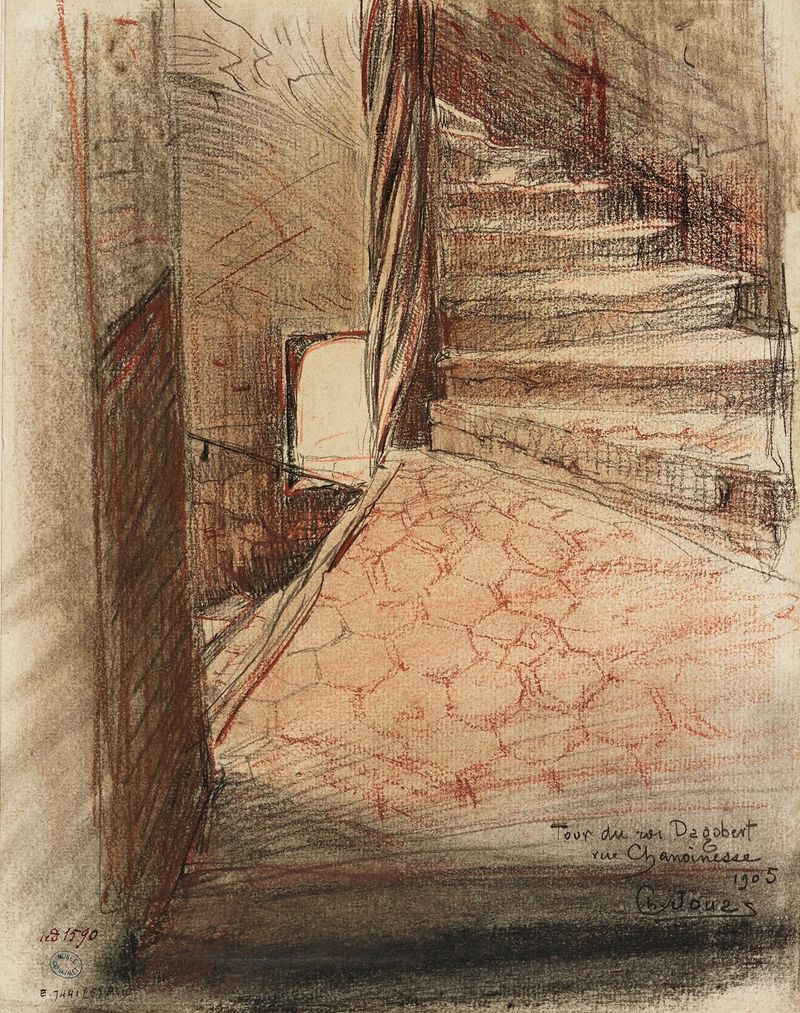
Escalier de la tour Dagobert, rue Chanoinesse
Charles Jouas

Escalier intérieur, 16 rue du Cloître Notre-Dame
Charles Jouas

L’escalier de la rue des Barres
Charles Jouas
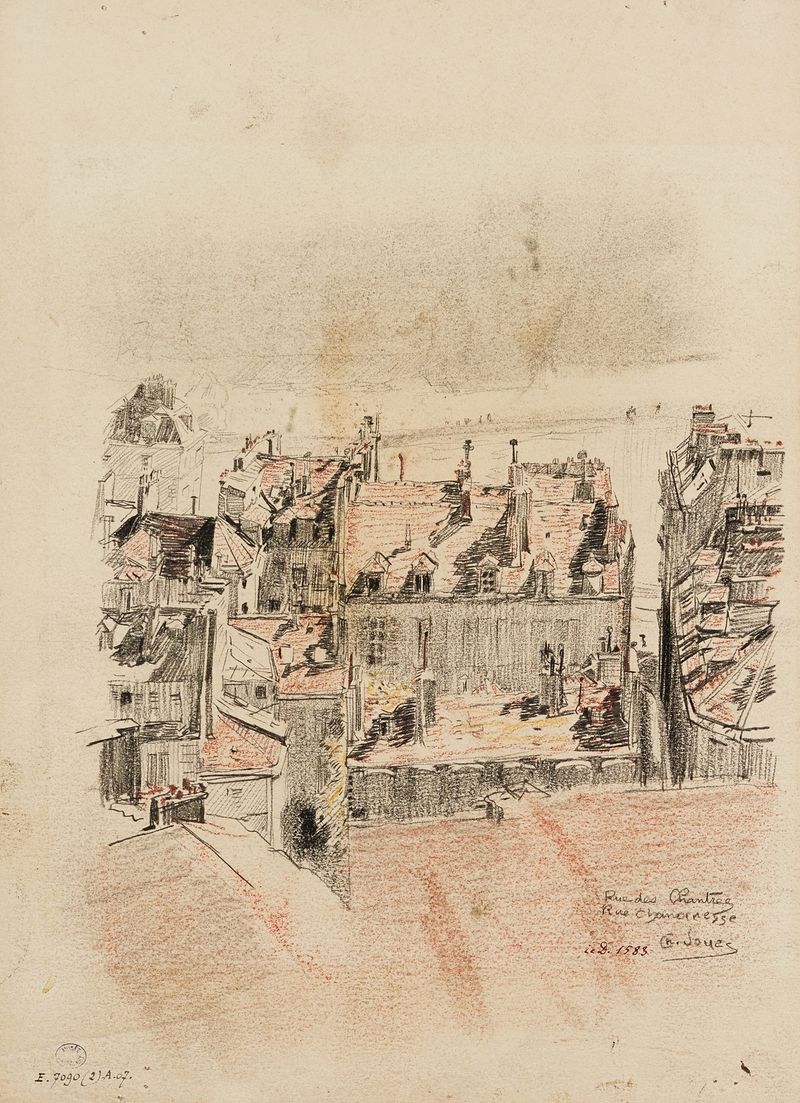
Rue des Chantres et rue Chanoinesse
Charles Jouas

Rue Grenier sur l’Eau
Charles Jouas





