
Ruins in a landscape with a palm tree — History & Facts
In a world constantly shifting, where the fleeting moments of beauty often slip through our fingers, we find solace in capturing the essence of what remains. This artwork invites us to reflect on preservation, decay, and the resilience of nature. Look to the center of the canvas, where a solitary palm tree stands defiantly amidst the crumbling ruins. The artist employs a delicate palette of earth tones that contrast with the vibrant greens, drawing your gaze to this resilient figure.
Notice how the light dances upon the cracked stone, illuminating the intricate textures and shadows, creating a dialogue between the vitality of the palm and the stillness of the ancient architecture. Each brushstroke is deliberate, inviting you to contemplate both beauty and abandonment. In the juxtaposition of the palm tree and the ruins lies a profound emotional tension. The palm, a symbol of endurance, flourishes in an environment marked by decay, suggesting the passage of time and the cycles of life.
The ruins whisper stories of human ambition and impermanence, yet they coexist harmoniously with nature's persistence. This balance elicits a sense of nostalgia, highlighting both the beauty of resilience and the inevitable transience of existence. Martinus Rørbye created this piece during a time of personal exploration and artistic growth, likely in the early 19th century while traveling through Europe. As he navigated the evolving art world, Rørbye's work was influenced by Romantic ideals, focusing on the emotive power of landscape and the sublime.
This painting reflects his journey, capturing a moment where art, memory, and the impermanence of beauty converge.
More Artworks by Martinus Rørbye
Browse all →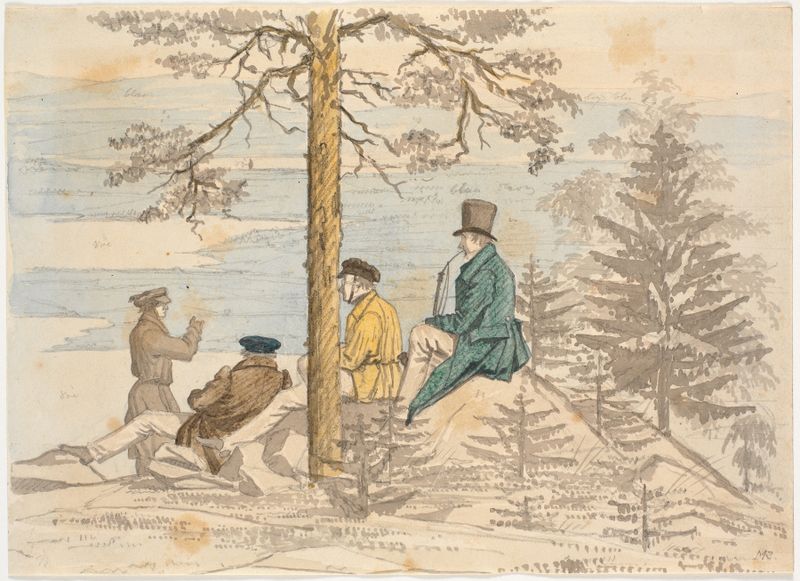
Fire mænd betragter udsigten fra Holmekollen
Martinus Rørbye
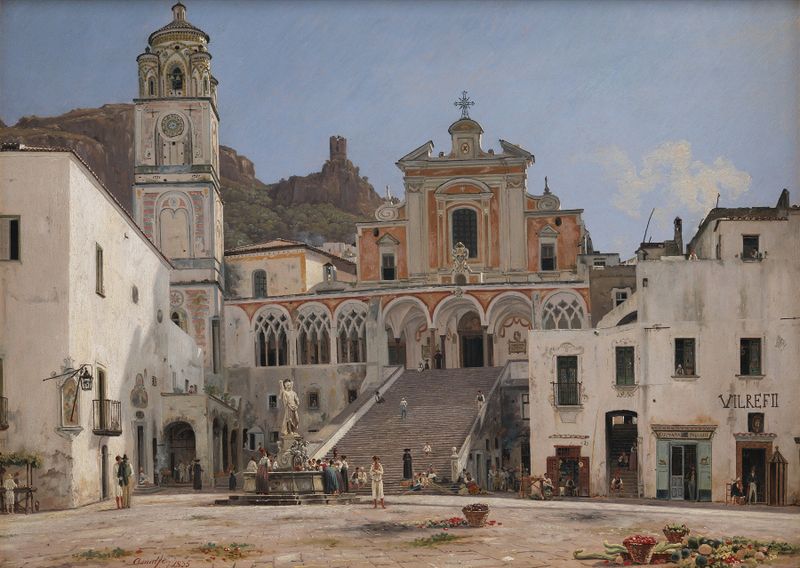
View of the Square in Amalfi
Martinus Rørbye
A Courtyard in Rome. Copy after Eckersberg
Martinus Rørbye
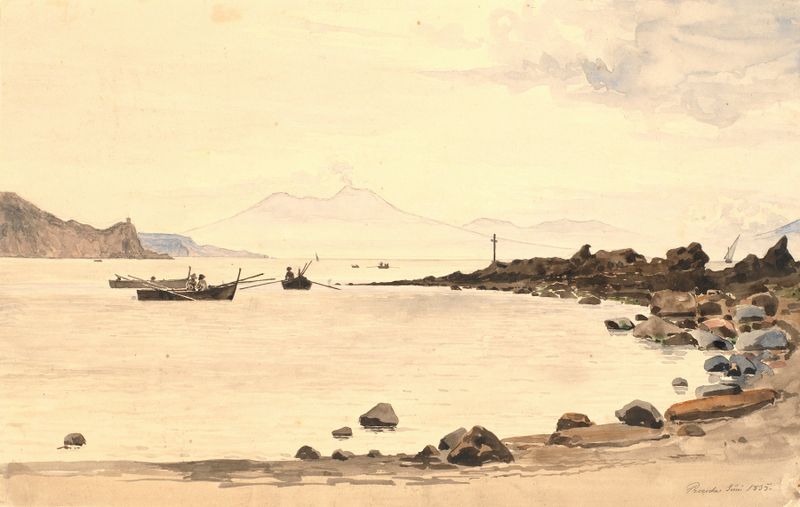
Udsigt mod Vesuv fra Procida
Martinus Rørbye
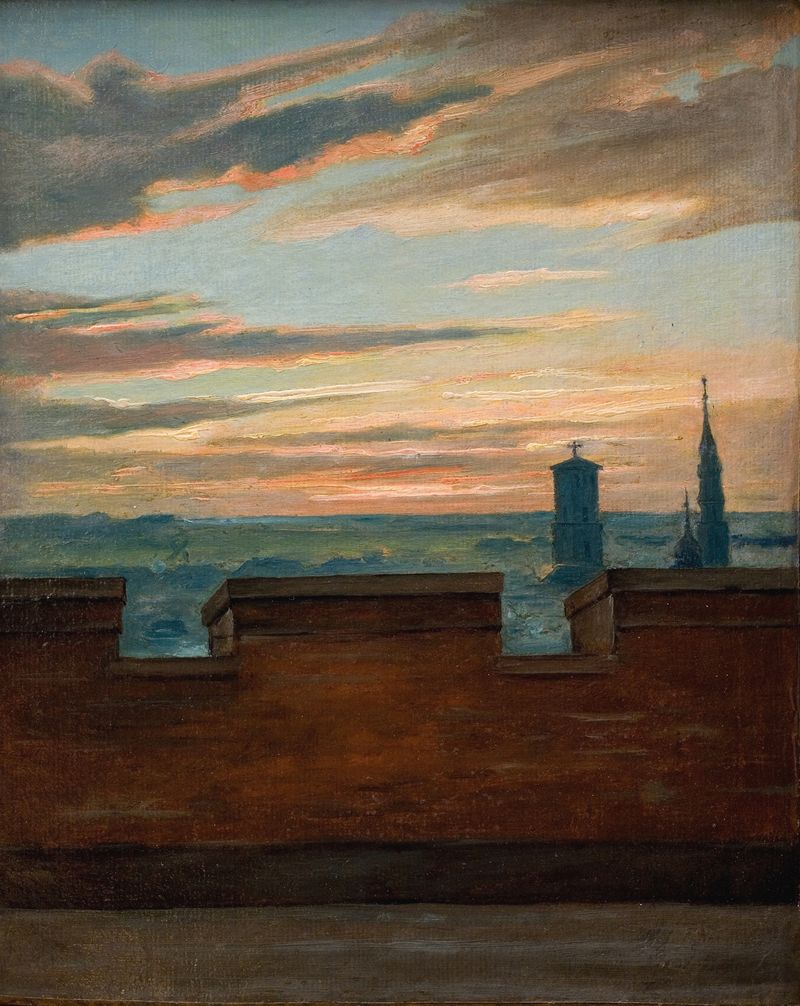
View of Copenhagen at Sunset
Martinus Rørbye
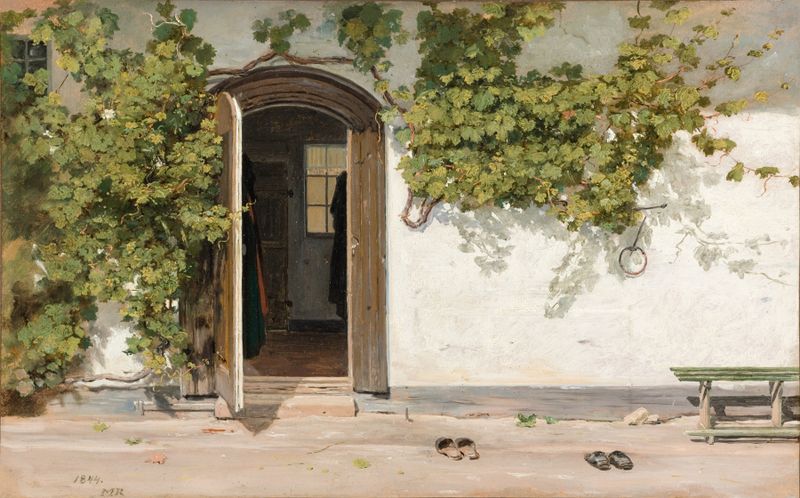
Entrance to an Inn in the Praestegarden at Hillested
Martinus Rørbye
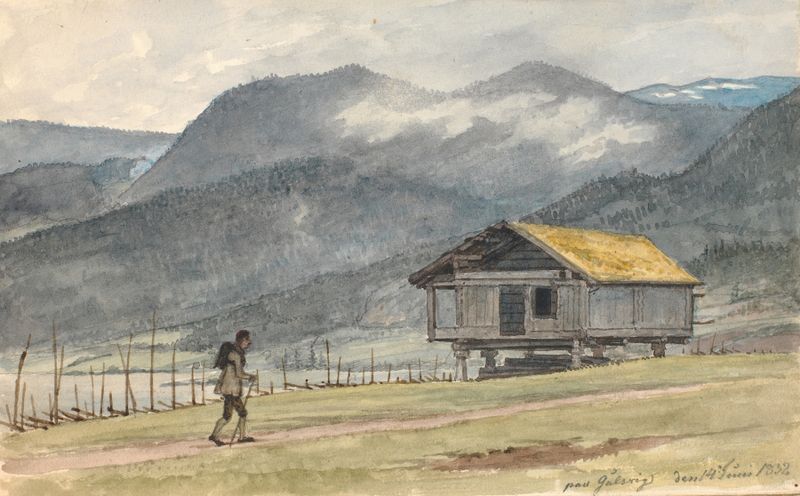
Fjeldlandskab med hytte og vandrer
Martinus Rørbye
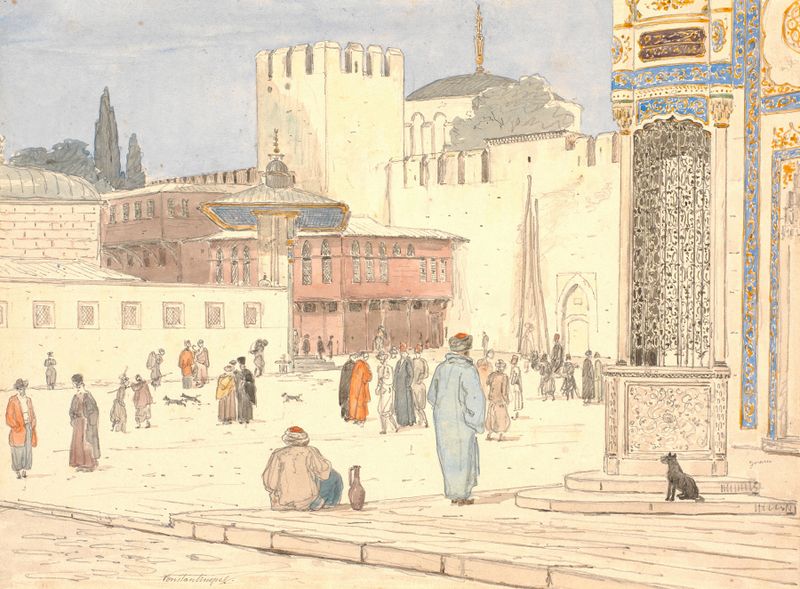
The Square in Front of Bab-i-Hümayan in Constantinople
Martinus Rørbye
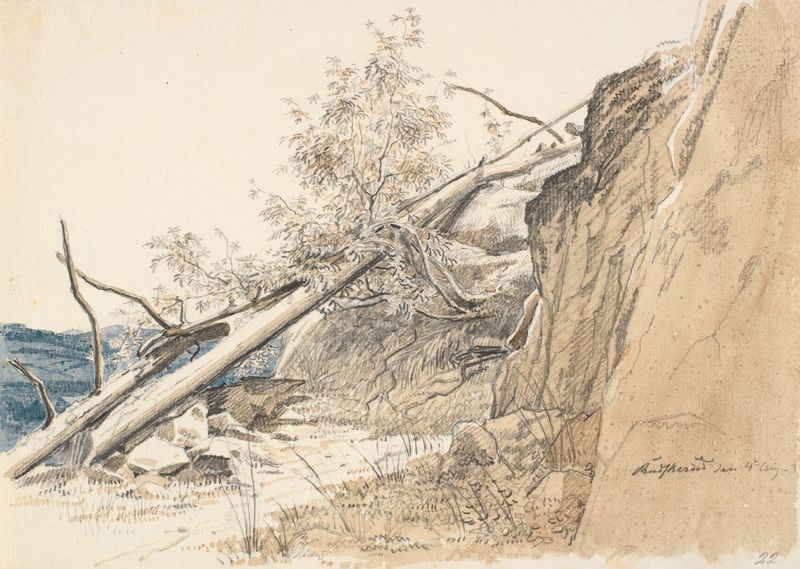
Tree Trunk Leaning Against a Rock. Norway
Martinus Rørbye
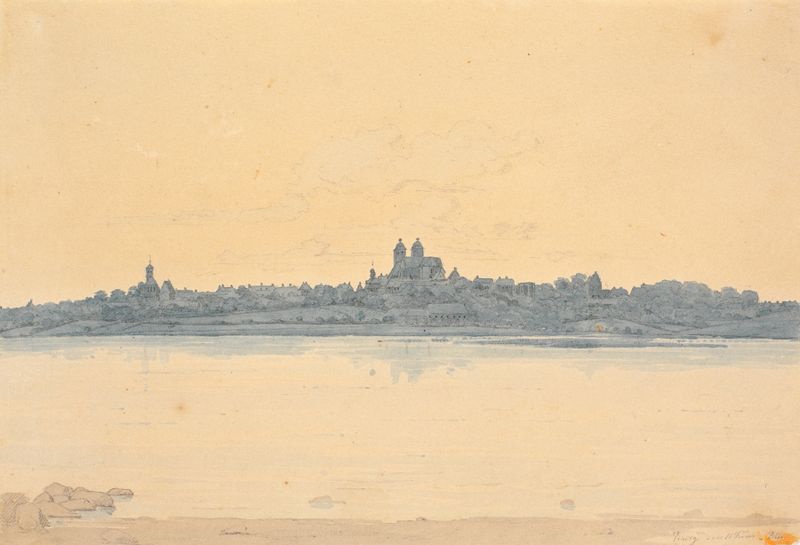
Viborg Seen from Asmild Klosterhave near Søndersø
Martinus Rørbye





