
Ruins of Criccieth Castle and Part of the Town on the Bay on Cardigan. East View, Caernarfonshire — History & Facts
Is this a mirror — or a memory? In the stillness of the canvas, a shadow dances between reality and nostalgia, evoking a world both present and long-lost. Focus on the majestic ruins that dominate the left side of the painting, their crumbling stones etched against the sky. Notice how Smith’s deft brushwork captures the textures of the ancient walls, the light playing delicately over the surfaces, revealing both strength and vulnerability. To the right, the shimmering bay reflects hues of azure and emerald, creating a contrast that breathes life into the forgotten fortress.
The composition strikes a harmonious balance, drawing the viewer's gaze from the past to the vibrant town below. Hidden within this picturesque landscape lies a narrative of time's passage. The castle, a symbol of history's grandeur, stands stoic yet melancholic, its shadow whispering stories of those who once dwelled within. The delicate clouds overhead seem to mirror the turmoil of the ages, suggesting both serenity and the relentless march of time.
This interplay between the ruins and the bustling town below evokes the tension between memory and reality, inviting viewers to ponder what remains of the past. In 1790, John Warwick Smith painted this work while living in England, a time when Romanticism was on the rise and artists sought to capture the sublime beauty of nature. The late 18th century was marked by a fascination with ruins, reflecting society’s longing for a connection to history amidst rapid industrialization. Smith, renowned for his landscapes, found inspiration in the Welsh scenery, a setting that resonated deeply with both the heart and the soul of his era.
More Artworks by John Warwick Smith
Browse all →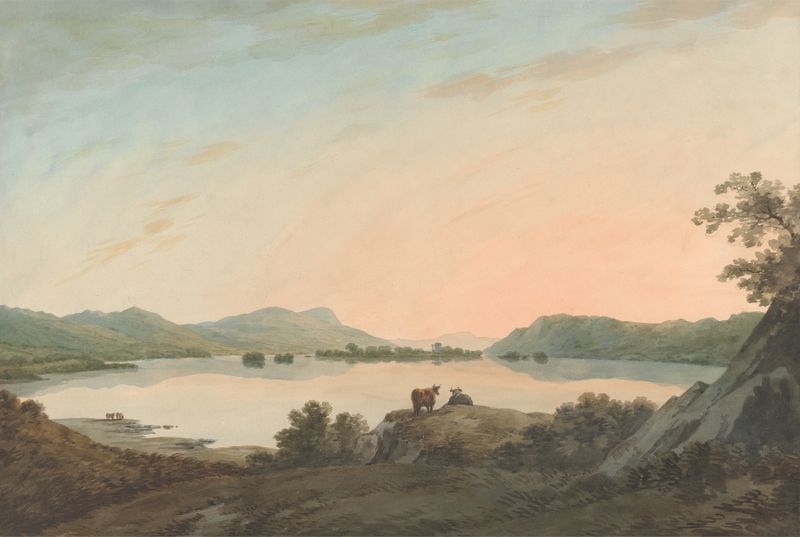
Lake Windermere from Calgarth with Belle Isle
John Warwick Smith
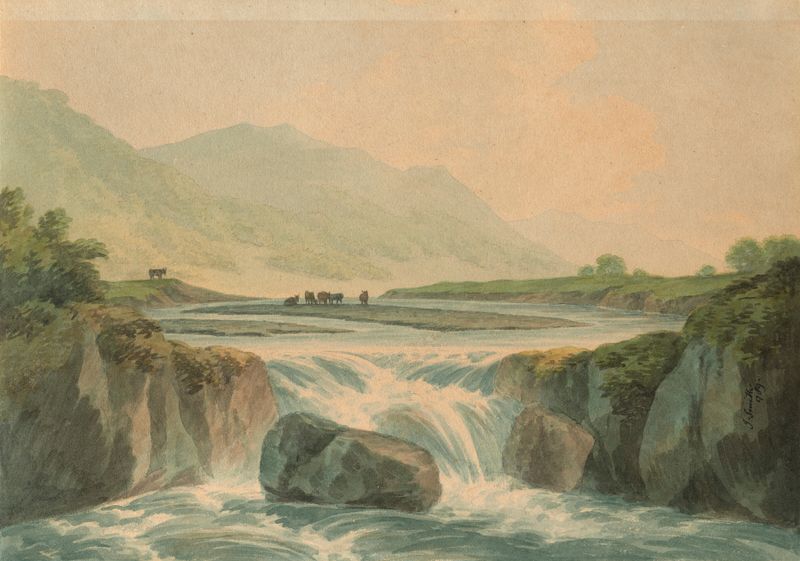
A waterfall on the River Rheidol, with cattle in the distance, North Wales
John Warwick Smith
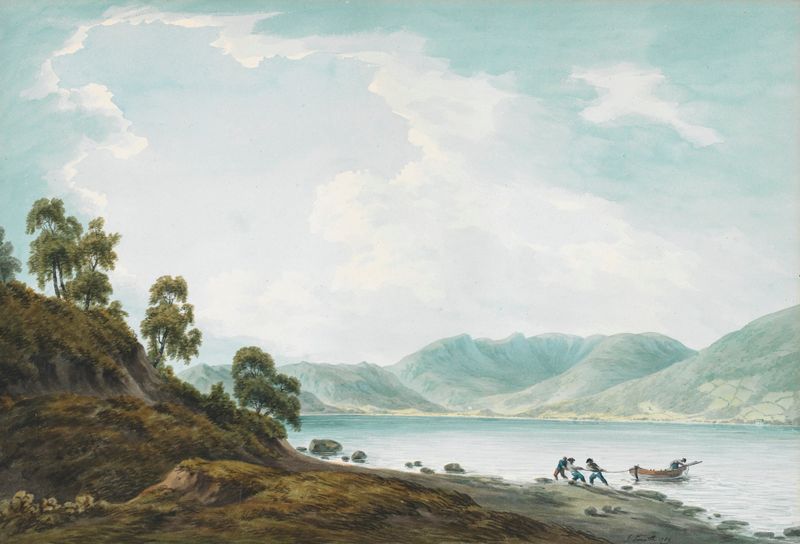
Head of Windermere from Belle Grange Farm
John Warwick Smith
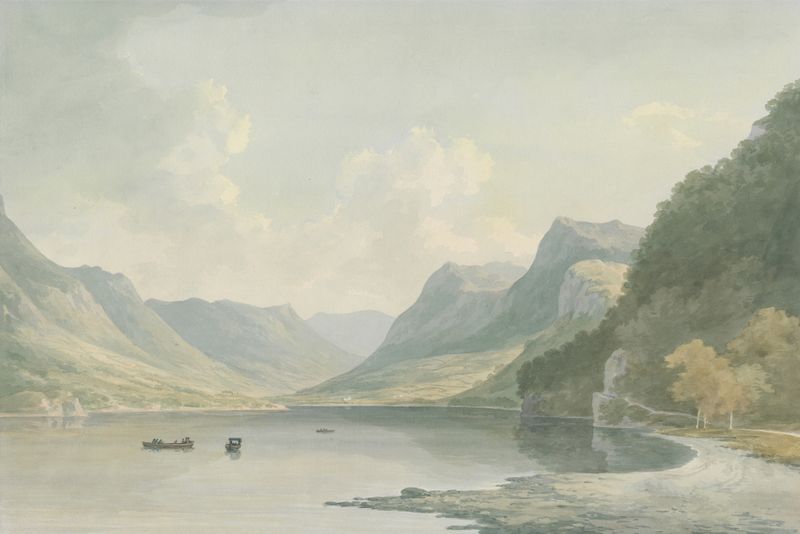
Ullswater, Looking toward Patterdale
John Warwick Smith
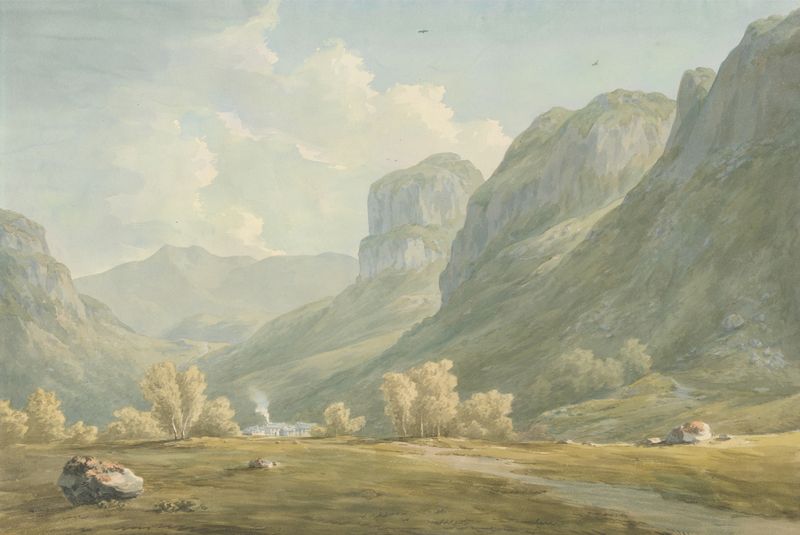
Village of Stonethwaite and Eagle Cragg, Borrowdale
John Warwick Smith
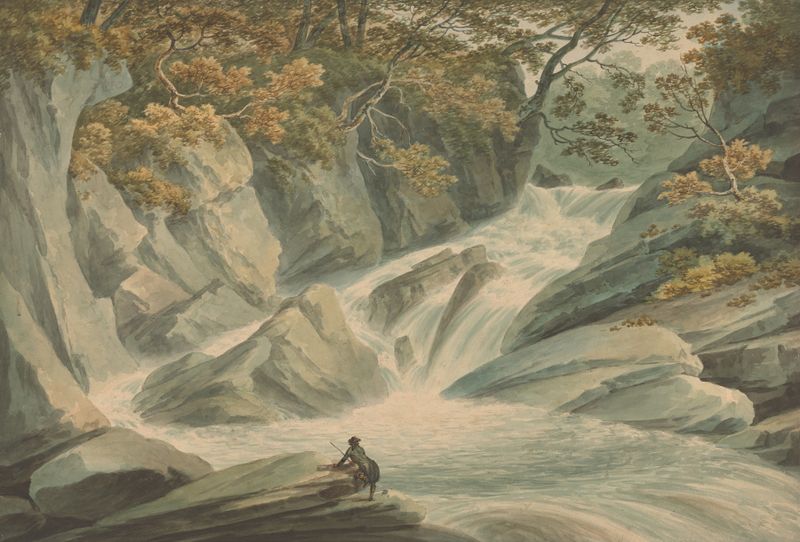
Hafod; Upper Part of Cascade
John Warwick Smith
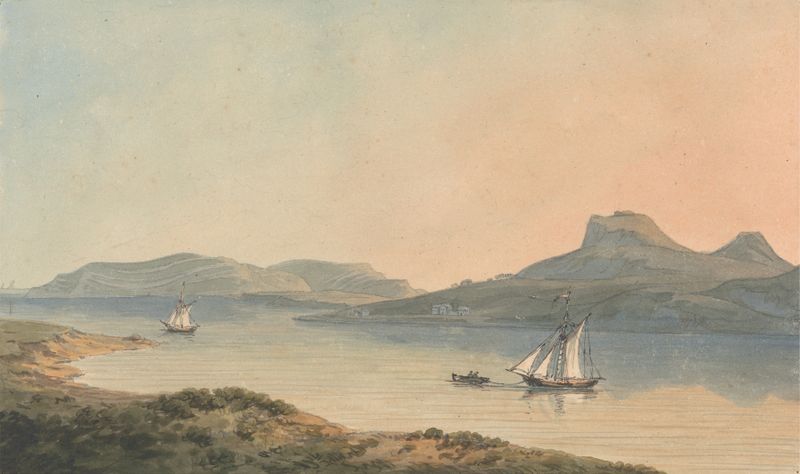
View of the Early Castle of Diganwy
John Warwick Smith
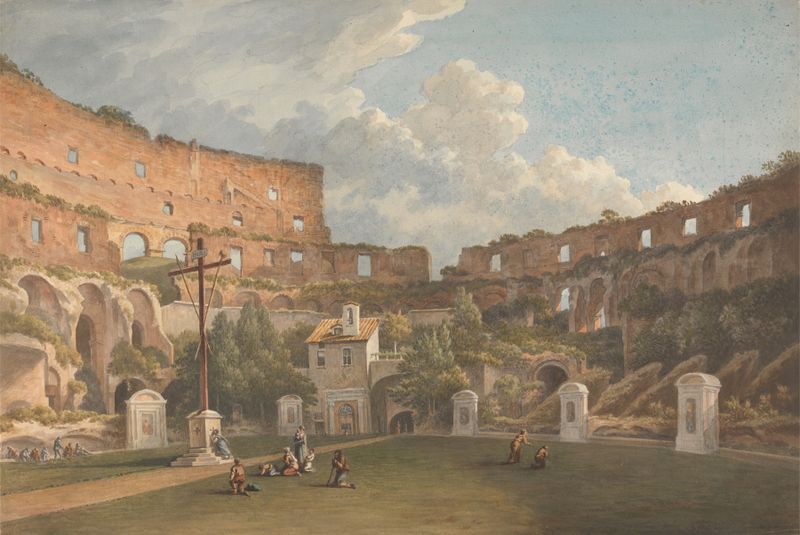
An Interior View of the Colosseum, Rome
John Warwick Smith
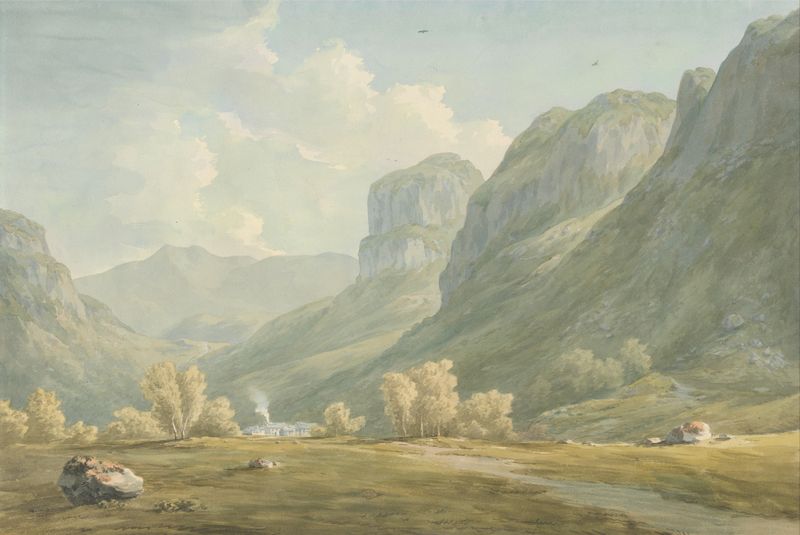
Village of Stonethwaite and Eagle Cragg, Borrowdale
John Warwick Smith
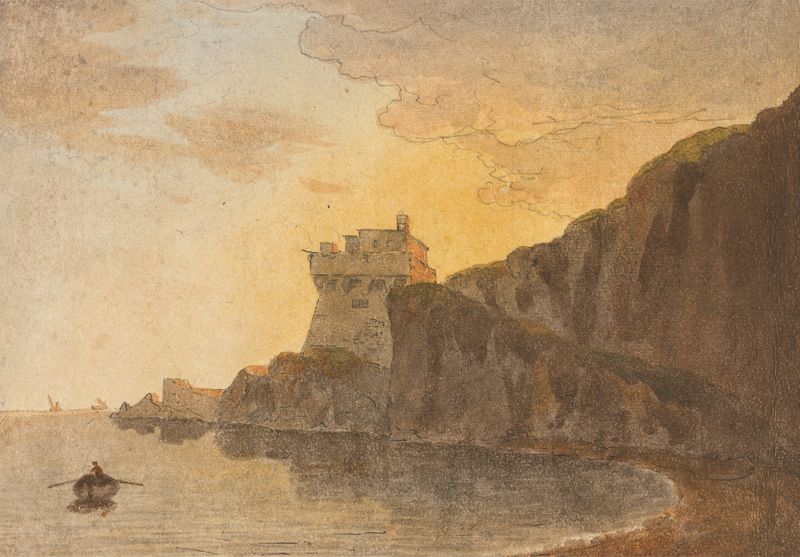
In the Bay of Salerno, near Vietri
John Warwick Smith





