
Ruïne van Castor en Pollux tempel binnen muren van oude Agrigento — History & Facts
Can beauty exist without sorrow? In the ruins of an ancient temple, echoes of glory intertwine with the whispers of loss, invoking a bittersweet longing for what once was. Look to the left at the crumbling columns, their once-mighty forms now reduced to mere shadows of their former grandeur. Each weathered stone bears the weight of centuries, tenderly rendered in shades of ochre and gray that evoke the passage of time. Notice how the soft light caresses the landscape, illuminating the edges of the structure while casting deep shadows that hint at the temple's forgotten splendor.
The artist’s precise brushwork invites you to explore the intricate details, from the vines creeping over the stone to the delicate interplay of light and texture. Within this scene lies a poignant contrast: the resilience of nature against the fragility of human creation. The vibrant greenery, bursting forth in the foreground, symbolizes life and renewal, while the decaying architecture carries the weight of history and loss. This duality speaks to our innate longing for permanence in a world defined by impermanence.
Each element, from the lush vegetation to the desolate ruins, tells a story of beauty interwoven with melancholy, prompting viewers to reflect on their own experiences of longing. In 1778, Ducros painted this evocative landscape during a time when neoclassical ideals were beginning to intertwine with romantic sensibilities. Working in Italy, he sought to capture the grandeur of ancient history against the backdrop of contemporary sensibilities. The period was rich with exploration and discovery, and his depiction of Agrigento’s ruins taps into a wider fascination with the remnants of civilization, resonating deeply with viewers' emotions and the nostalgic pull of time.
More Artworks by Abraham-Louis-Rodolphe Ducros
Browse all →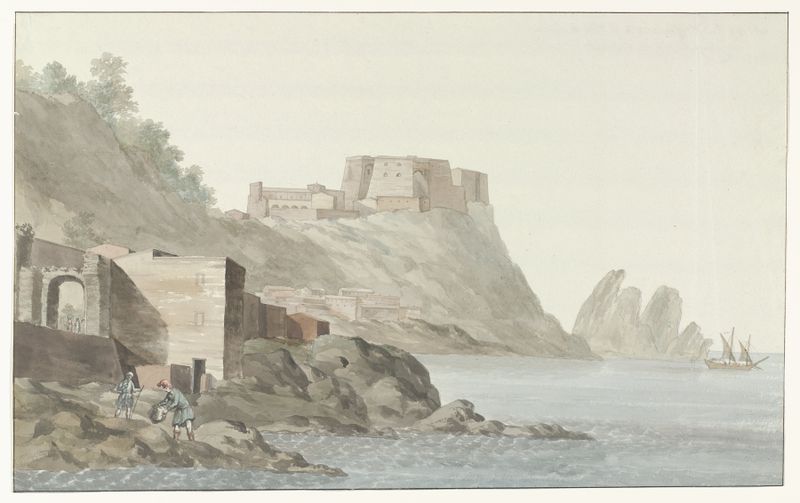
Rots en stad Scilla in de regio Calabrië aan de oostkust
Abraham-Louis-Rodolphe Ducros
Gezicht op Golf van Napels vanaf kade bij kerk Santa Maria del Carmine
Abraham-Louis-Rodolphe Ducros
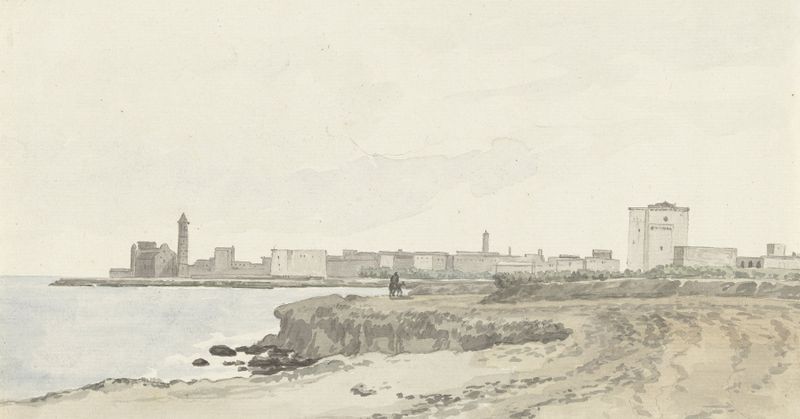
Gezicht op Trani gelegen aan de kust
Abraham-Louis-Rodolphe Ducros
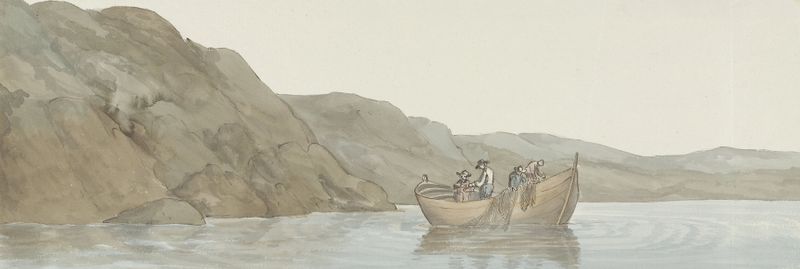
Gezicht op Kaap Paceco in Calabrië nabij de stad Scilla
Abraham-Louis-Rodolphe Ducros
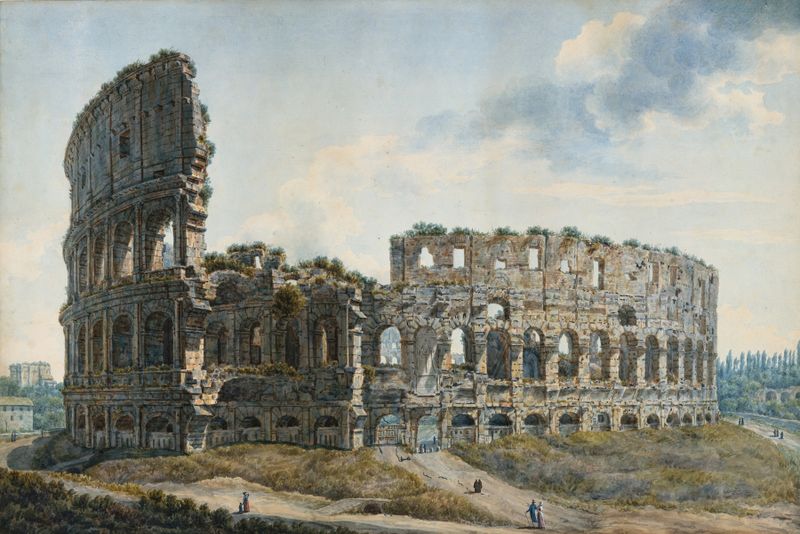
The Colosseum, Rome.
Abraham-Louis-Rodolphe Ducros
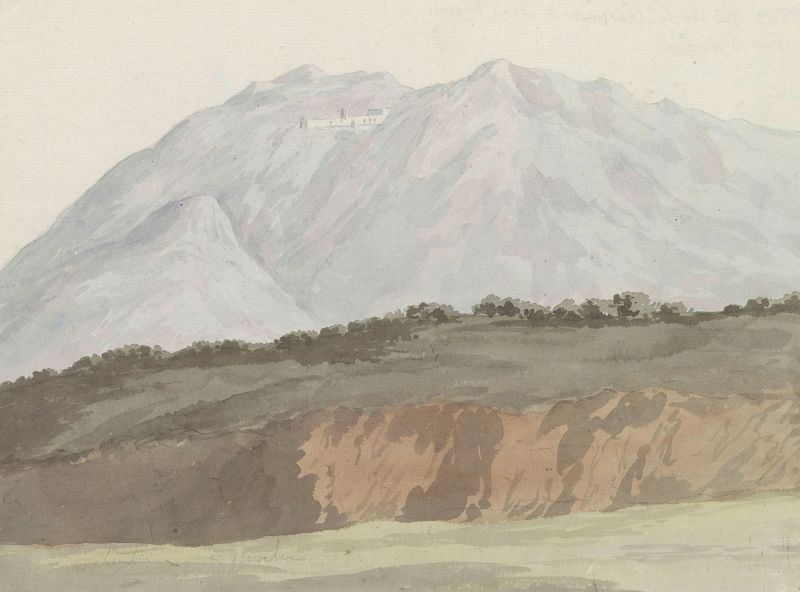
Gezicht op kartuizerklooster van Monte Vergine hoog gelegen boven Avellino
Abraham-Louis-Rodolphe Ducros
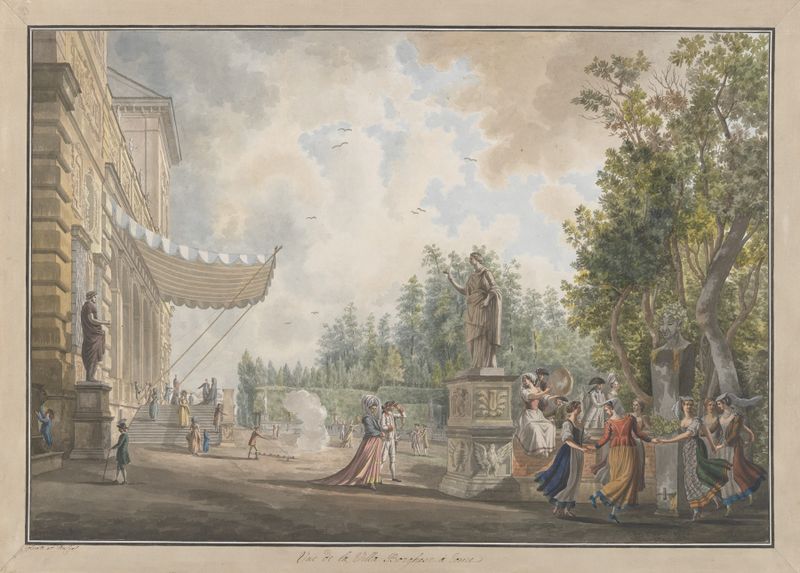
Villa Borghese
Abraham-Louis-Rodolphe Ducros
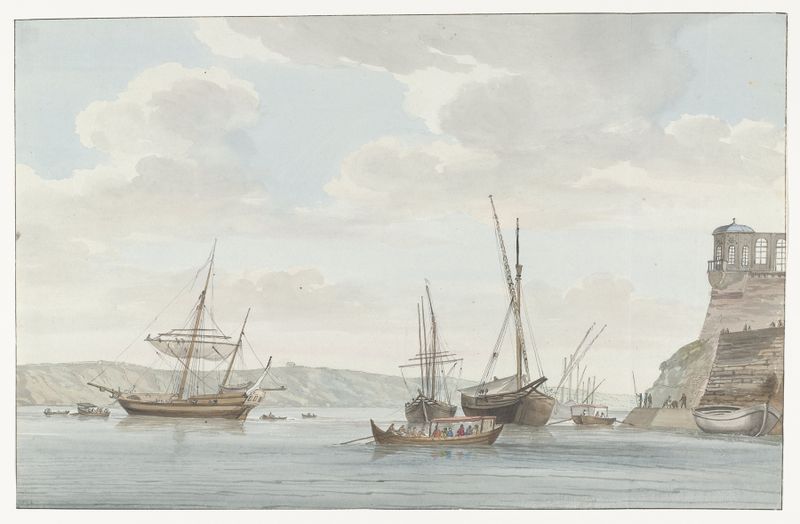
Tuinhuis van de Jardin du Grand Maître uittorend boven de haven met galei schepen op Malta
Abraham-Louis-Rodolphe Ducros
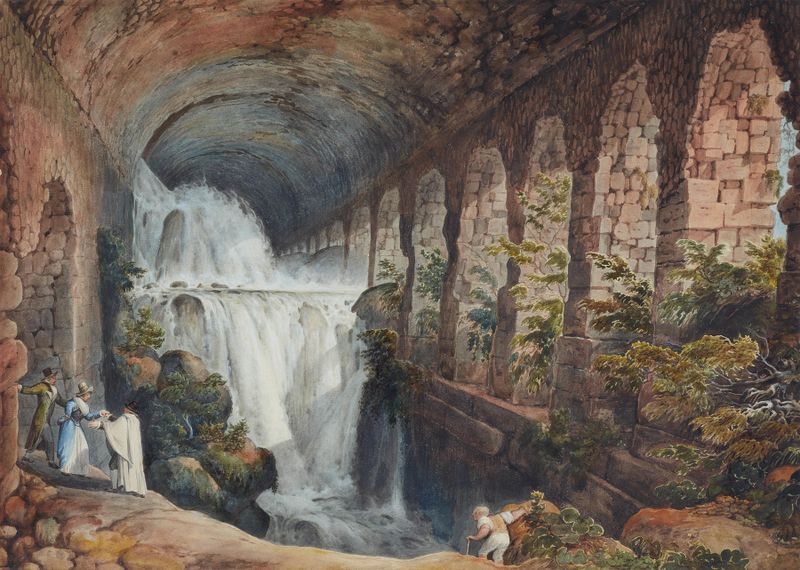
Aquädukt unter der Villa des Maecenas in Tivoli
Abraham-Louis-Rodolphe Ducros
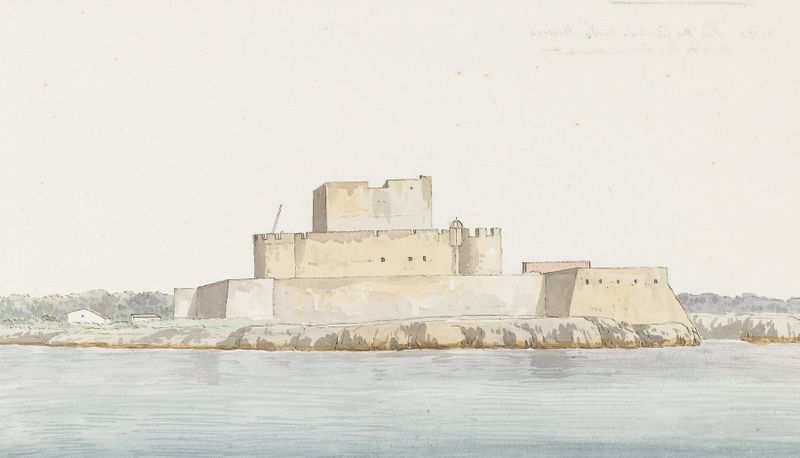
Gezicht op kasteel van San Mauro la Bruca vanaf zee bij aankomst
Abraham-Louis-Rodolphe Ducros
More Architecture Art
Browse all →
The statue of Liberty
Frédéric Auguste Bartholdi

View of Houses in Delft, Known as ‘The Little Street’
Johannes Vermeer

View of Houses in Delft, Known as ‘The Little Street’
Johannes Vermeer

The Cathedral in Rouen. The portal, Grey Weather
Claude Monet

The yellow house
Vincent van Gogh

The Church in Auvers-sur-Oise, View from the Chevet
Vincent van Gogh