
Ruïne van Zeus Olympus tempel van oude Agrigento — History & Facts
In the remnants of the past, where time has carved its void, we find a stillness that speaks of eternity. Look to the center, where the grand columns of the Temple of Zeus rise defiantly against the backdrop of a soft, twilight sky. Each pillar, though weathered, stands proud, their ochre hues illuminated by the fading light, contrasting with the cerulean expanse overhead. The artist captures the delicate interplay of shadow and illumination, drawing your eye to the intricate details of the stonework, as if the very essence of history is etched into them. Beneath the surface of this magnificent ruin lies an emotional tension — a dialogue between grandeur and decay.
The temple’s imposing presence evokes both awe and melancholy, symbolizing the once-mighty civilization now left to the whispers of time. Surrounding landscapes, lush yet unkempt, suggest nature's reclaiming force, a reminder that beauty and destruction are often intertwined. The void that remains speaks to aspirations unfulfilled and civilizations that have passed into memory. Created in 1778, this work emerged during a period of heightened interest in classical antiquity as Europe was engulfed in Enlightenment ideals.
Ducros, a French painter known for his landscapes, was exploring the ruins of ancient civilizations, seeking to encapsulate their beauty and significance. This piece reflects not only his exceptional skill but also a broader cultural longing to connect with the echoes of history during a time when the past was being re-examined through fresh eyes.
More Artworks by Abraham-Louis-Rodolphe Ducros
Browse all →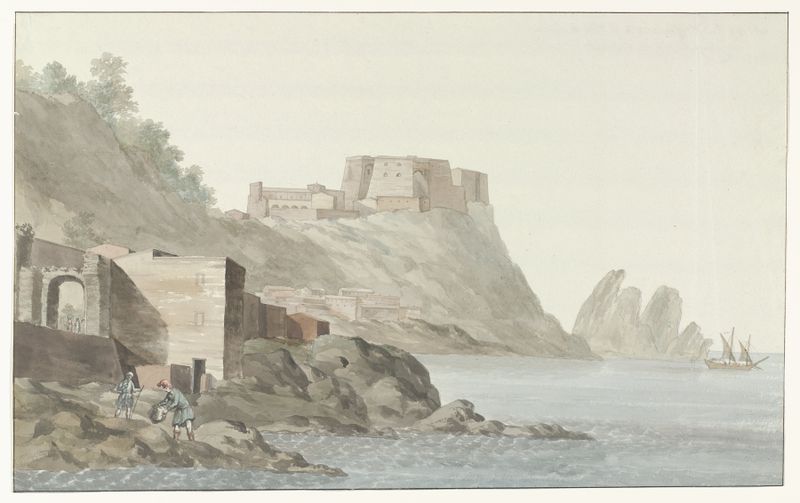
Rots en stad Scilla in de regio Calabrië aan de oostkust
Abraham-Louis-Rodolphe Ducros
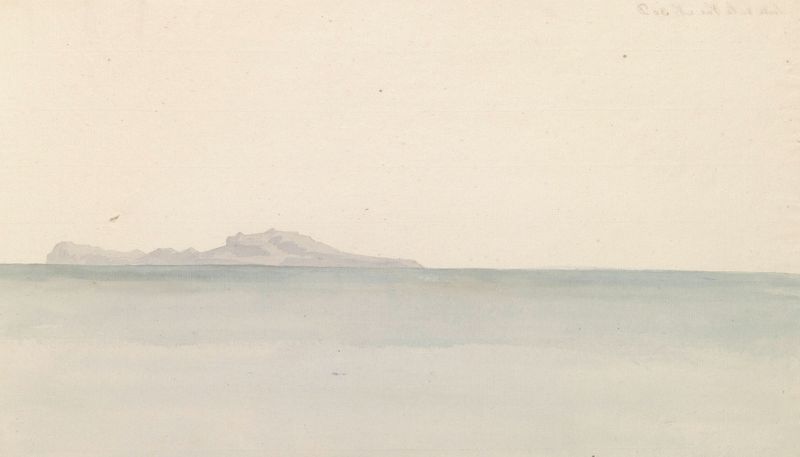
Gezicht op Golf van Napels vanaf kade bij kerk Santa Maria del Carmine
Abraham-Louis-Rodolphe Ducros
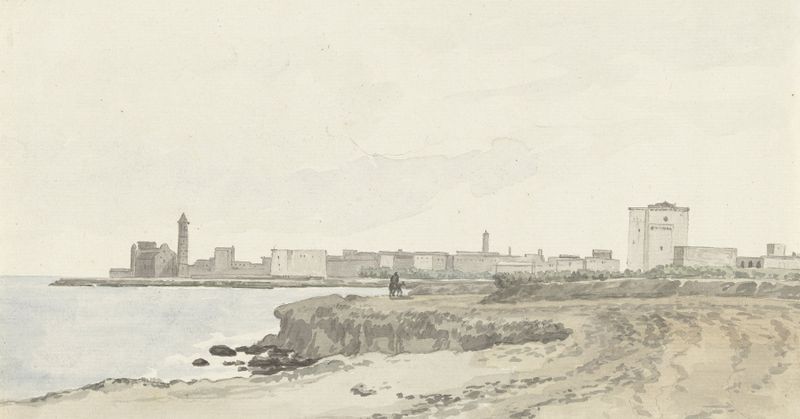
Gezicht op Trani gelegen aan de kust
Abraham-Louis-Rodolphe Ducros
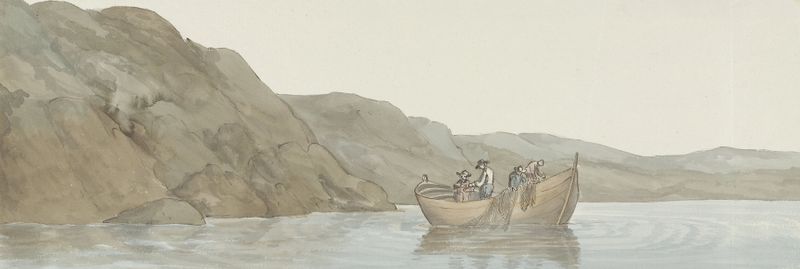
Gezicht op Kaap Paceco in Calabrië nabij de stad Scilla
Abraham-Louis-Rodolphe Ducros
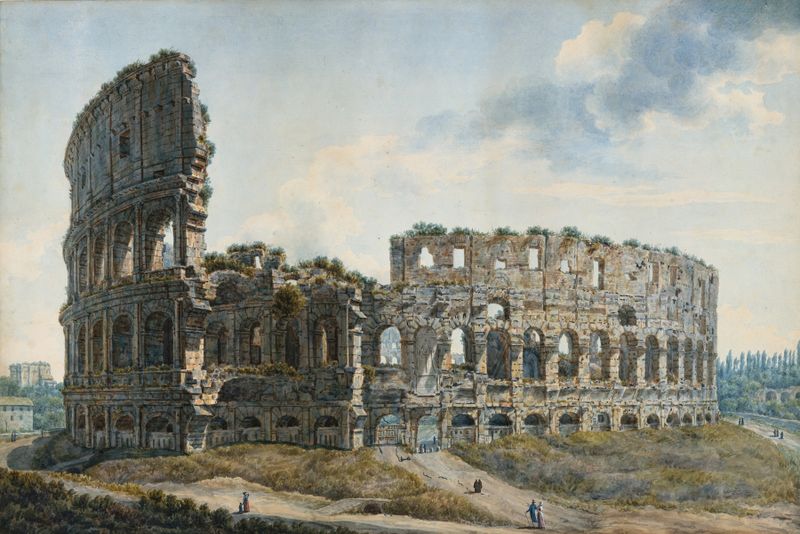
The Colosseum, Rome.
Abraham-Louis-Rodolphe Ducros
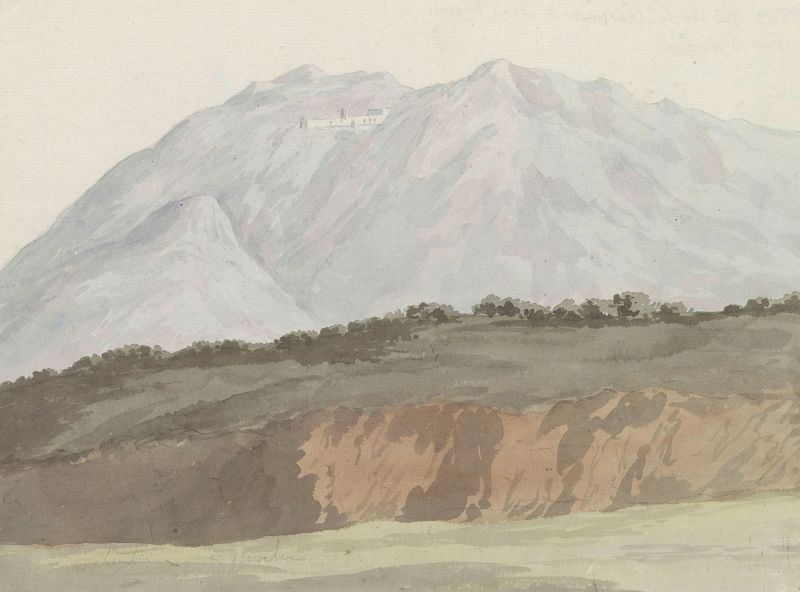
Gezicht op kartuizerklooster van Monte Vergine hoog gelegen boven Avellino
Abraham-Louis-Rodolphe Ducros
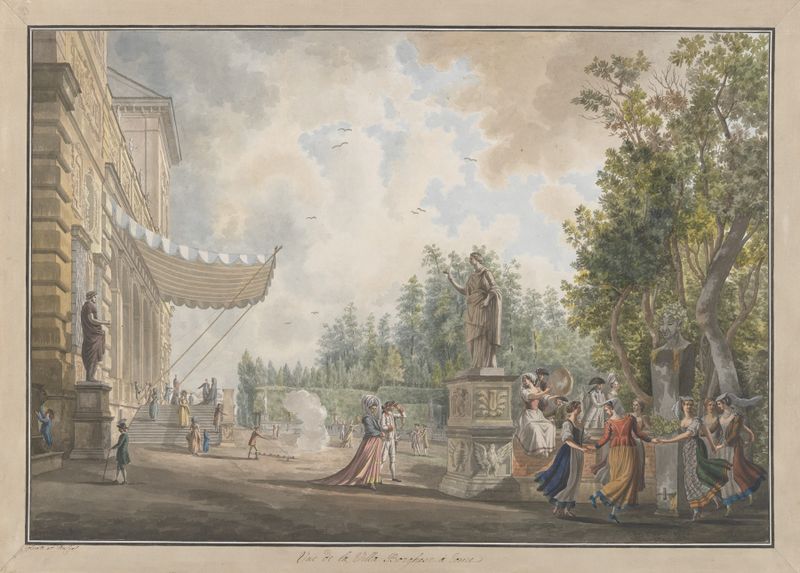
Villa Borghese
Abraham-Louis-Rodolphe Ducros
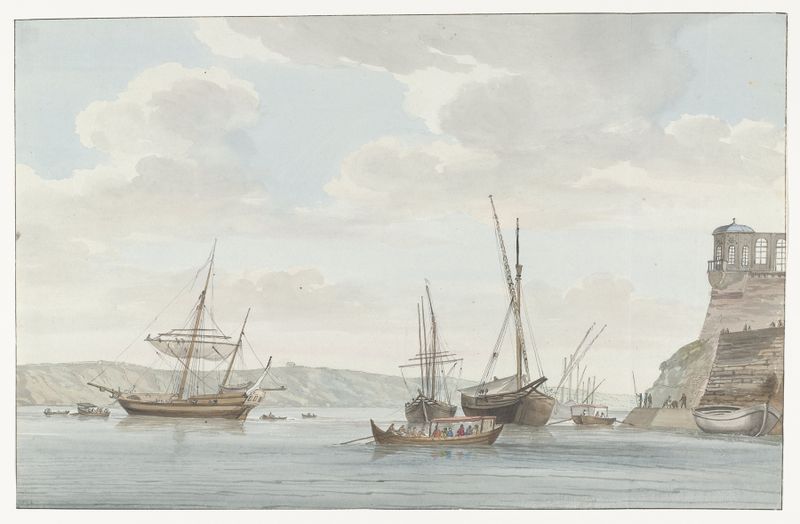
Tuinhuis van de Jardin du Grand Maître uittorend boven de haven met galei schepen op Malta
Abraham-Louis-Rodolphe Ducros
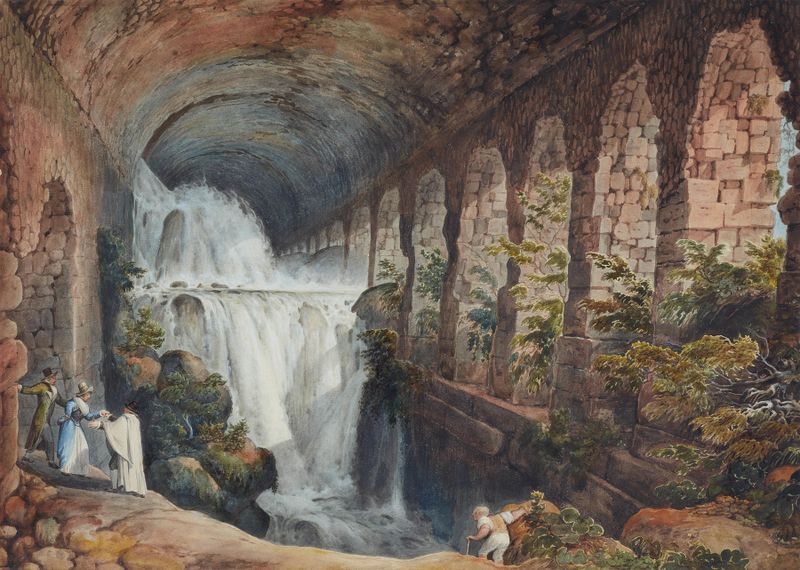
Aquädukt unter der Villa des Maecenas in Tivoli
Abraham-Louis-Rodolphe Ducros
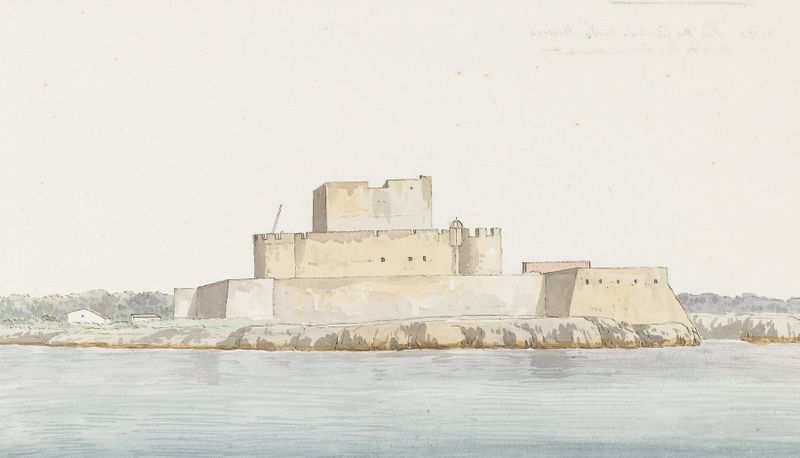
Gezicht op kasteel van San Mauro la Bruca vanaf zee bij aankomst
Abraham-Louis-Rodolphe Ducros
More Architecture Art
Browse all →
The statue of Liberty
Frédéric Auguste Bartholdi

View of Houses in Delft, Known as ‘The Little Street’
Johannes Vermeer

View of Houses in Delft, Known as ‘The Little Street’
Johannes Vermeer

The Cathedral in Rouen. The portal, Grey Weather
Claude Monet

The yellow house
Vincent van Gogh

The Church in Auvers-sur-Oise, View from the Chevet
Vincent van Gogh