
Rushes by a pool — History & Facts
In Rushes by a Pool, the ethereal allure of nature merges with an undercurrent of longing, inviting viewers to reflect on the transient nature of ecstasy. Focus first on the lush rushes that dominate the foreground, their vibrant greens swaying gently in the breeze. Notice how the sunlight dances across the blades, illuminating their textures and casting soft shadows upon the water's edge. The composition balances reality and idealism, with delicate brushstrokes that breathe life into every leaves, inviting an intimate connection with the scene. Delve deeper into the painting and observe the subtle contrasts between light and dark, joy and melancholy.
The shimmering surface of the pool reflects both the surrounding beauty and hints at hidden depths beneath. The rushes, although resplendent, also evoke a sense of fragility—suggesting that ecstasy can be fleeting, layered with complexities that often go unnoticed. This duality speaks to the viewer, challenging the notion that beauty exists solely on the surface. In 1821, John Constable was deeply immersed in his exploration of the English landscape from his home in Suffolk.
This period marked a significant time in his artistic journey, as he sought to capture the essence of natural beauty while grappling with personal challenges. Against a backdrop of shifting artistic movements, Constable’s work stood out for its emotional resonance and technical innovation, as he endeavored to depict the world not just as it is, but as it feels.
More Artworks by John Constable
Browse all →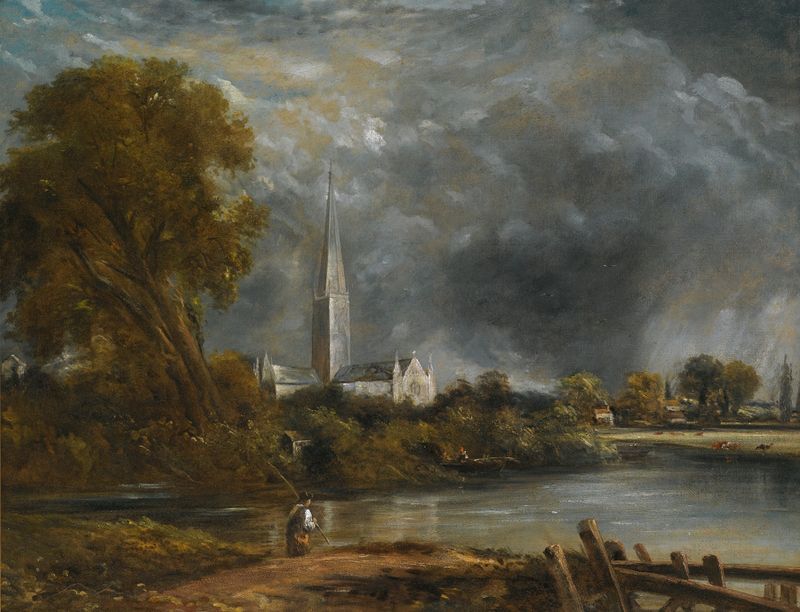
Salisbury Cathedral From The Meadows
John Constable
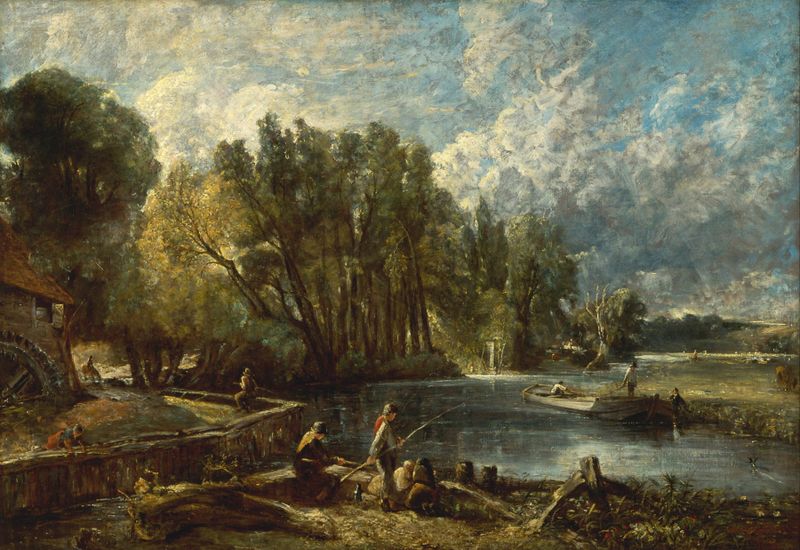
Stratford Mill
John Constable
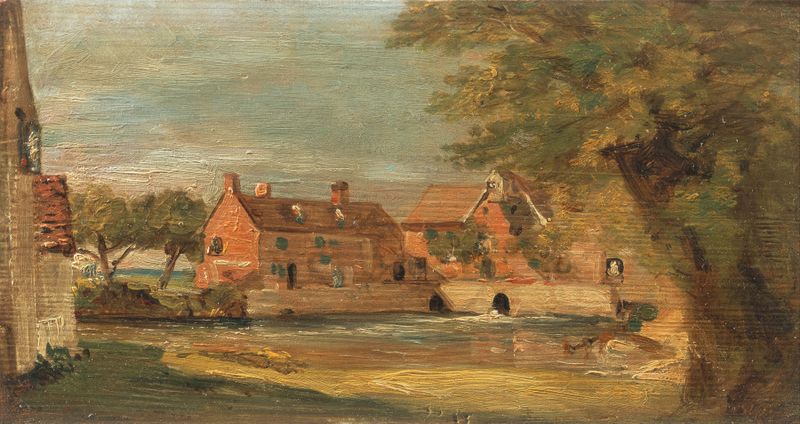
Flatford Mill
John Constable
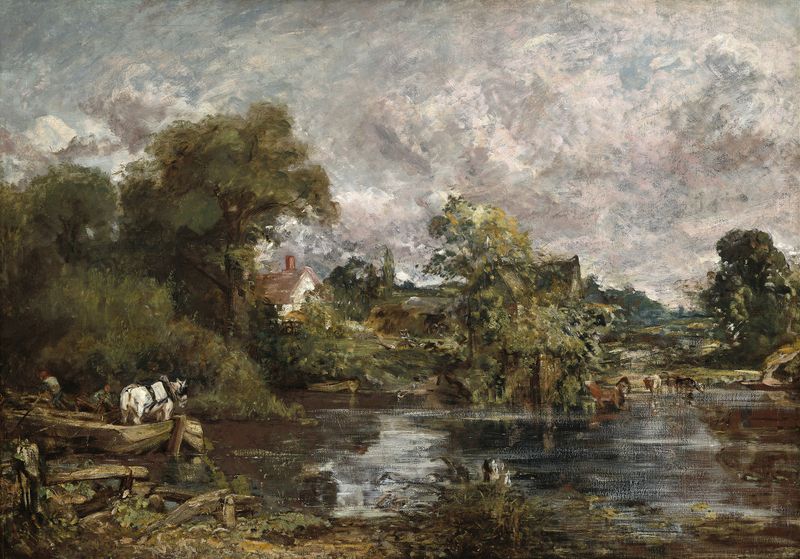
The White Horse
John Constable
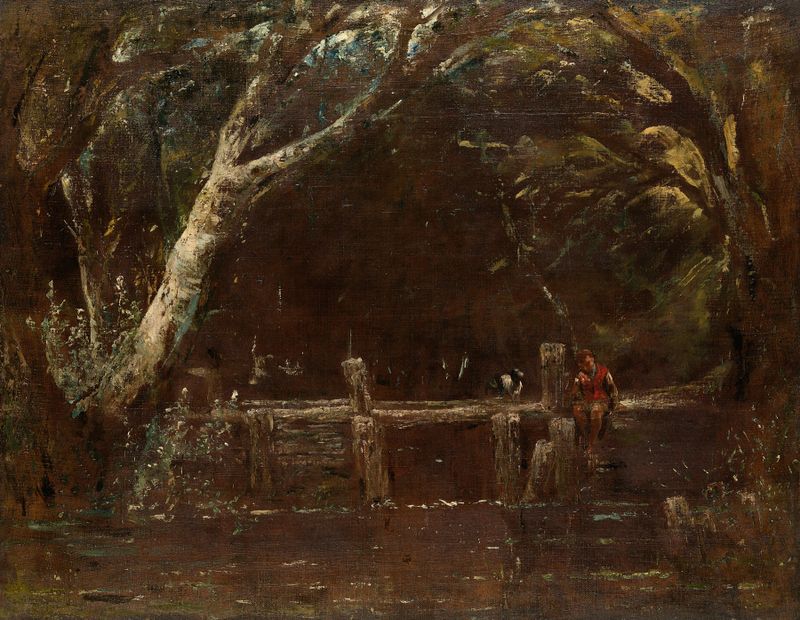
Landscape (The Lock)
John Constable
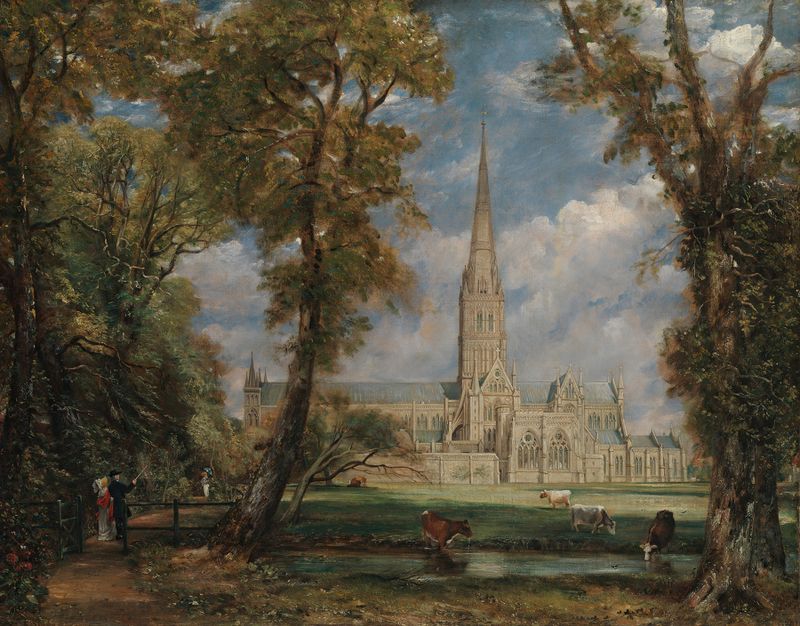
Salisbury Cathedral from the Bishop’s Grounds
John Constable
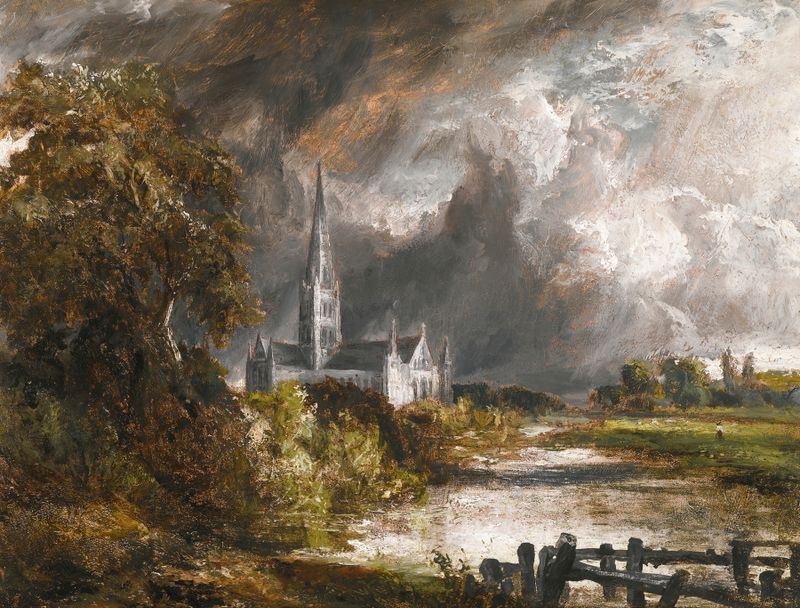
Salisbury Cathedral From The Meadows
John Constable
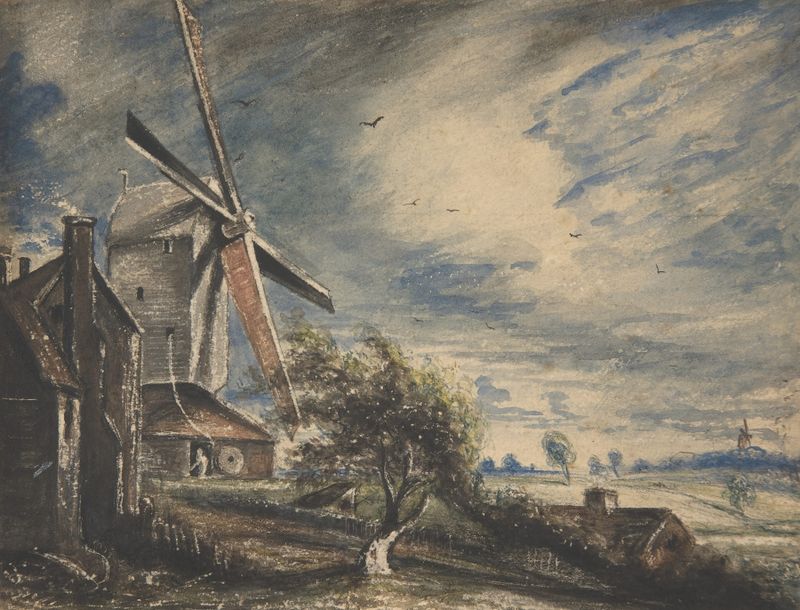
A Mill Near Colchester
John Constable
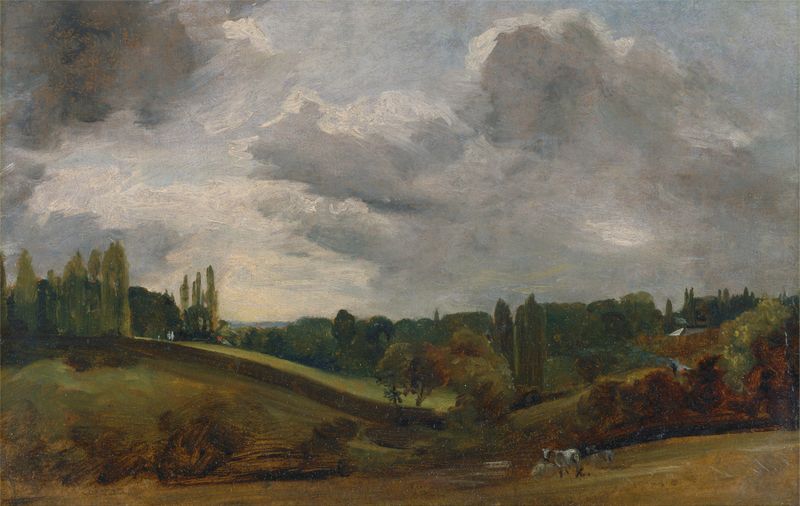
East Bergholt
John Constable

Flatford Mill
John Constable





