
Rushing Water — History & Facts
Can paint confess what words never could? In Rushing Water, the torrent of emotion and the void within echo louder than silence itself. Focus your gaze on the swirling currents in the center, where the water crashes against jagged rocks, creating a cacophony that resonates through the canvas. The fluidity of each brushstroke captures not only the movement of the water but the emotional weight of the scene. Notice how the varying shades of blue and white evoke a sense of urgency and chaos, while the surrounding muted greens ground the action, offering a moment of respite amidst the tumult. Yet, as you delve deeper, consider the stark contrast between the furious energy of the water and the stillness of the landscape, suggesting a dialogue between chaos and calm.
The reflections glimmer subtly, hinting at an underlying emptiness—a yearning for something lost or unattainable. Each detail, from the light shimmering on the surface to the shadows lurking in the depths, conveys a profound sense of both beauty and isolation. Created between 1901 and 1907, this piece emerged during a transformative period in Sargent's life. After years of acclaim in portraiture, he increasingly turned to landscapes, captivated by their raw power.
At the same time, the world was experiencing shifts in art, with movements like Impressionism challenging traditional norms, urging artists to explore emotion through nature in ways that words often fail to articulate.
More Artworks by John Singer Sargent
Browse all →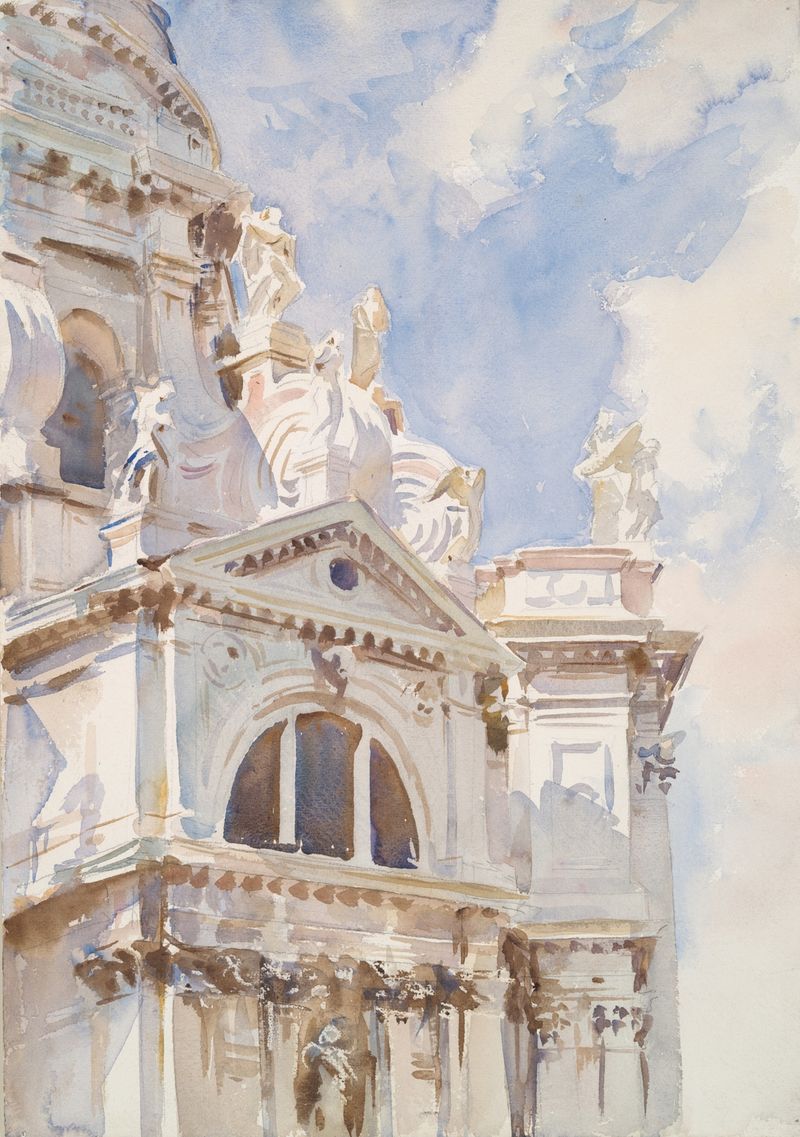
The Salute, Venice
John Singer Sargent

Mrs. Charles Deering (Marion Denison Whipple)
John Singer Sargent
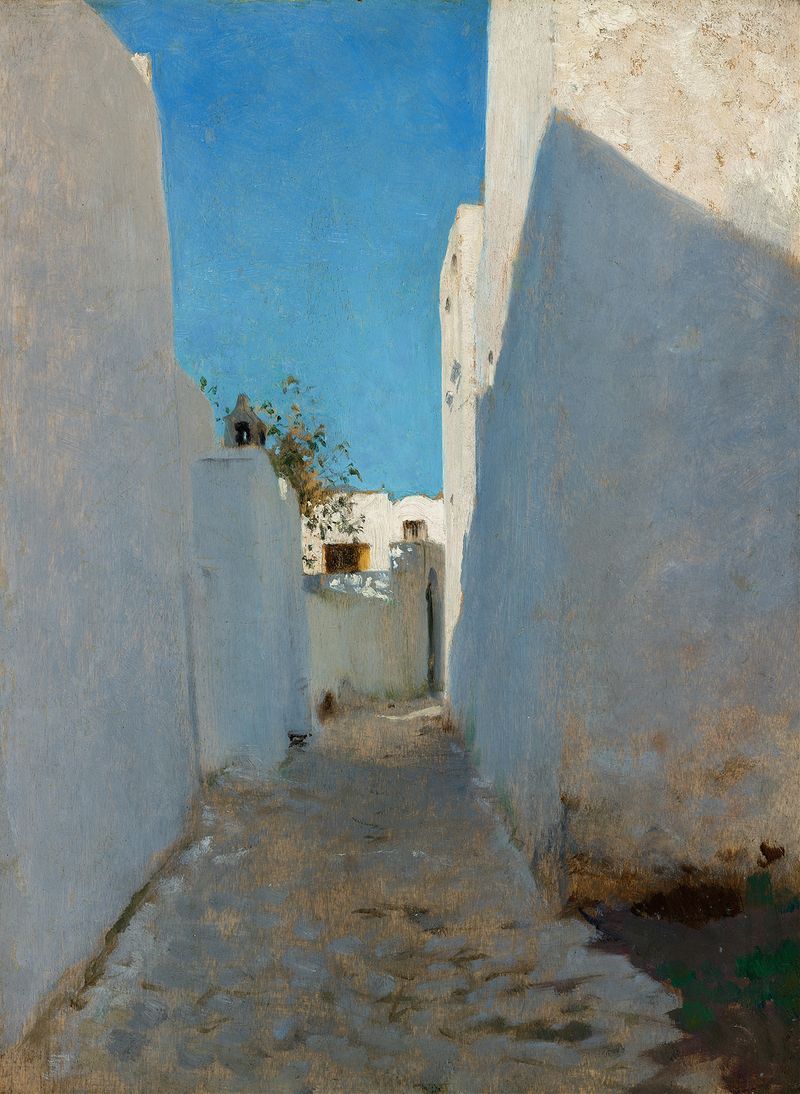
A Moroccan Street Scene
John Singer Sargent
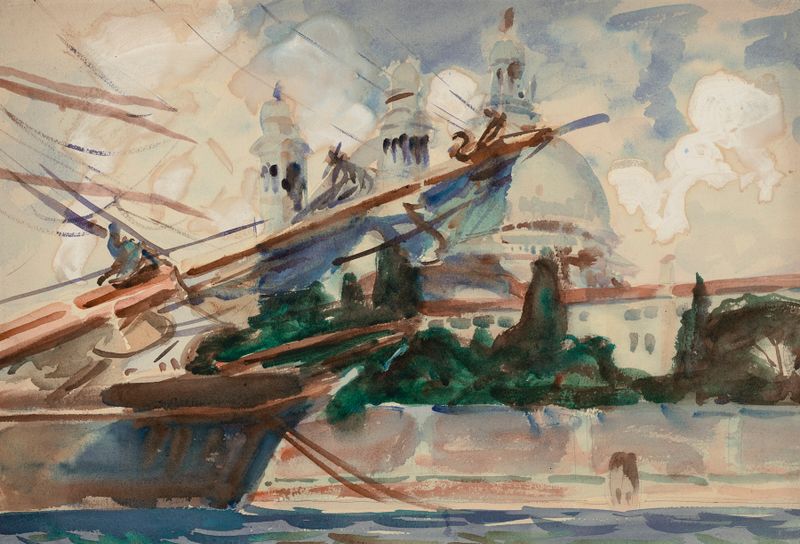
The Salute, Venice
John Singer Sargent
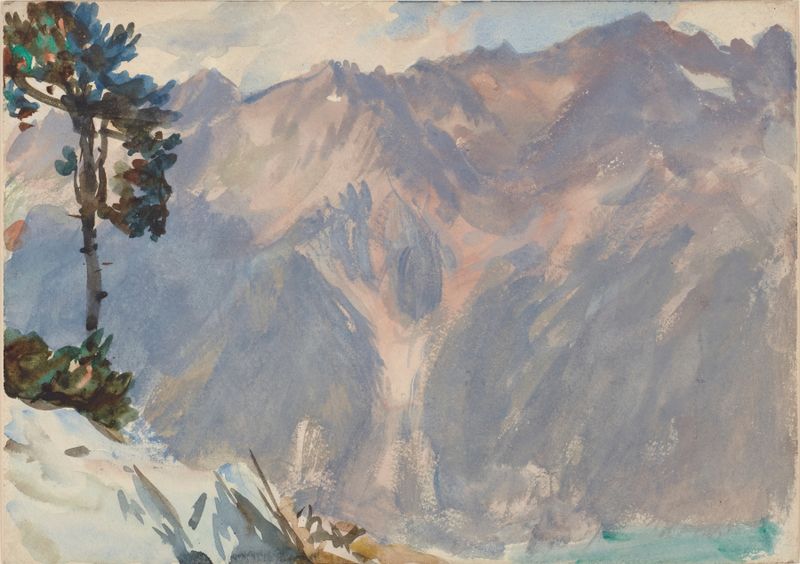
Tyrol
John Singer Sargent
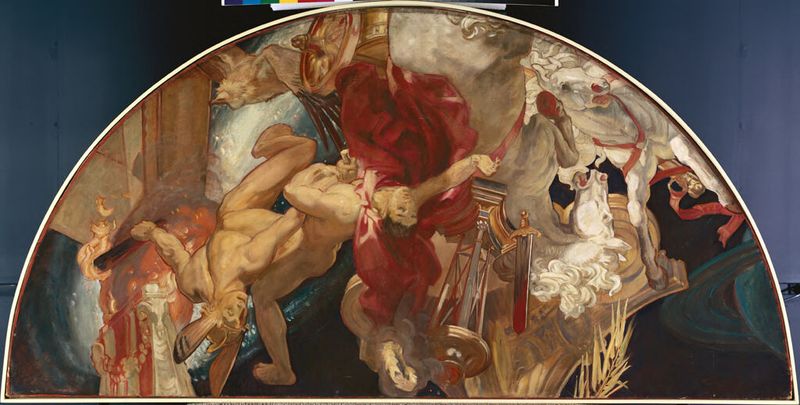
Study for "Gog and Magog," for the Boston Public Library
John Singer Sargent
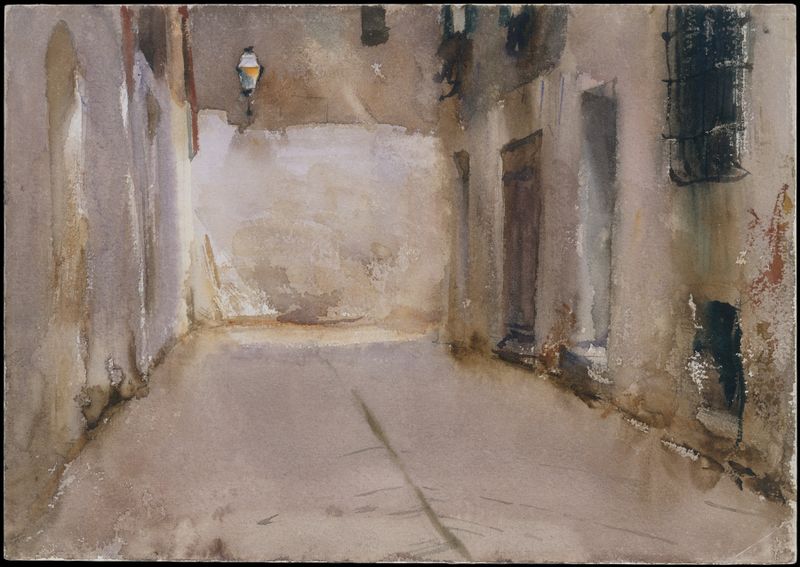
Venice
John Singer Sargent
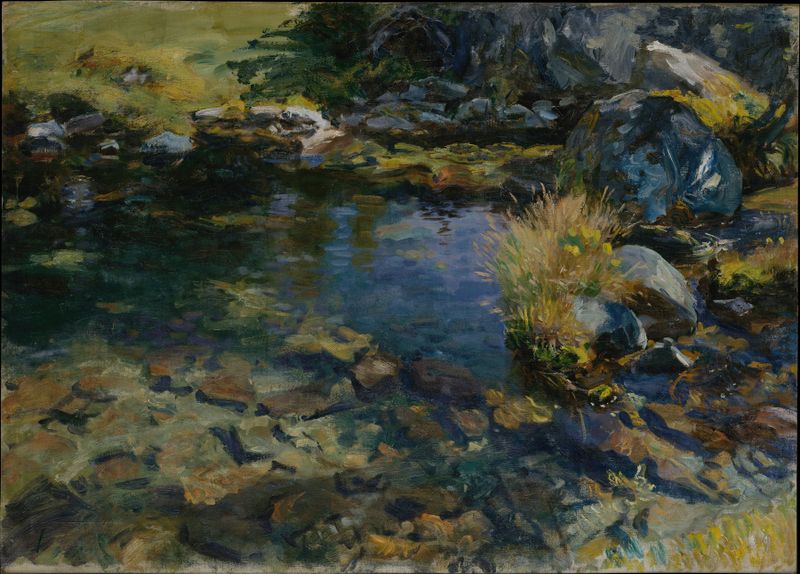
Alpine Pool
John Singer Sargent
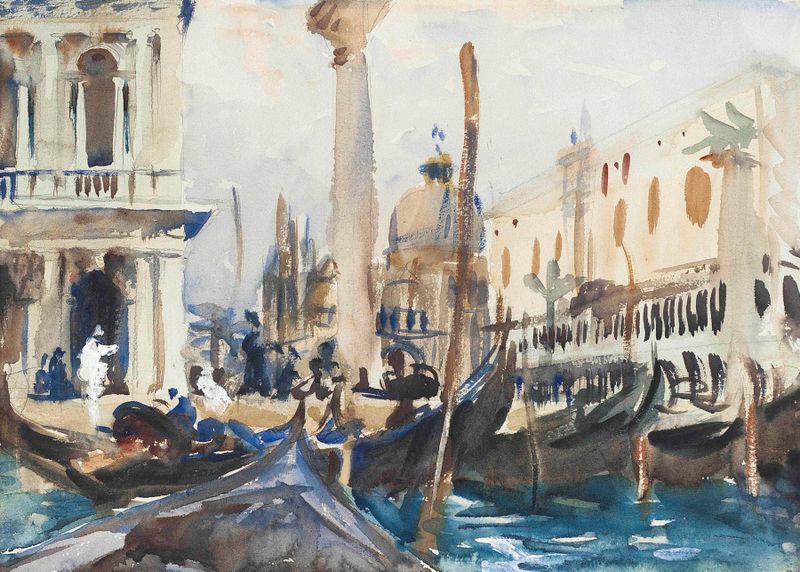
The Piazzetta with Gondolas
John Singer Sargent
The Façade of La Salute, Venice
John Singer Sargent





