
Russischer Kriegsgefangener — History & Facts
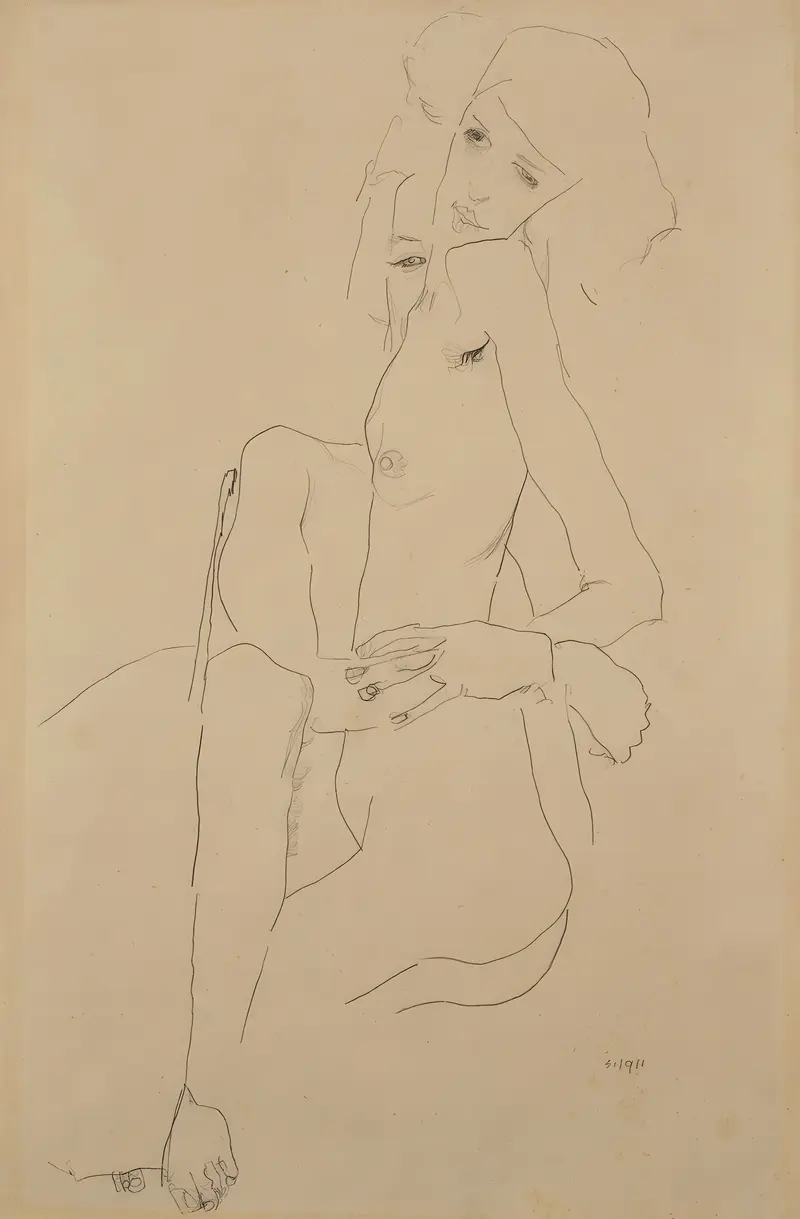
In Russischer Kriegsgefangener, Egon Schiele presents a somber portrait of a Russian prisoner of war. The figure is rendered in muted tones of gray and brown, emphasizing the subject's gaunt features and weary expression. The background is abstract, allowing the viewer to focus on the emotional weight of the figure.
Schiele's characteristic line work adds a sense of tension to the composition. The painting is executed in oil on canvas, showcasing Schiele's unique style of expressionism. The dimensions are approximately 70 x 100 cm, making it a significant piece that commands attention. The brushwork is bold and expressive, with visible strokes that convey a sense of urgency and despair.
The use of color is deliberately restrained, enhancing the overall mood of the work. Egon Schiele created Russischer Kriegsgefangener during World War I, a time when he was deeply affected by the war's impact on society. This work reflects his interest in the human condition and the psychological effects of conflict. Interestingly, Schiele often used models who were war refugees, which adds a layer of authenticity to his portrayals.
This piece is now housed in the Belvedere Museum in Austria, where it continues to resonate with viewers.
More Artworks by Egon Schiele

Lovers
Egon Schiele
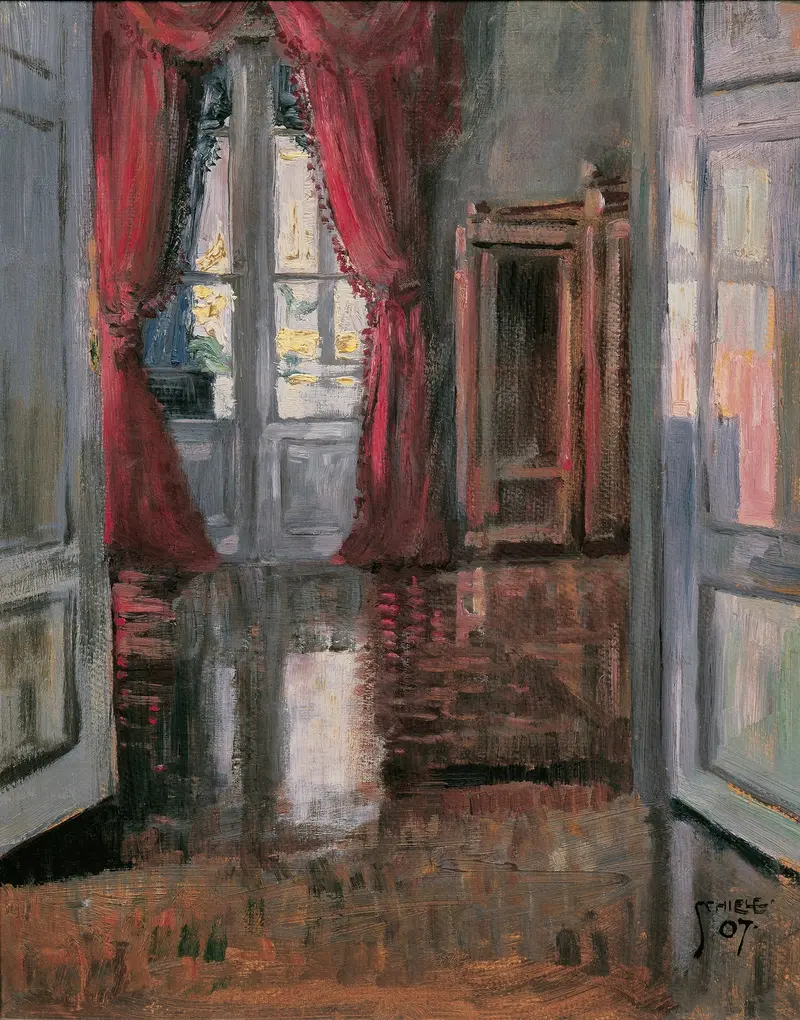
Blick in die Wohnung von Leopold und Marie Czihaczek
Egon Schiele
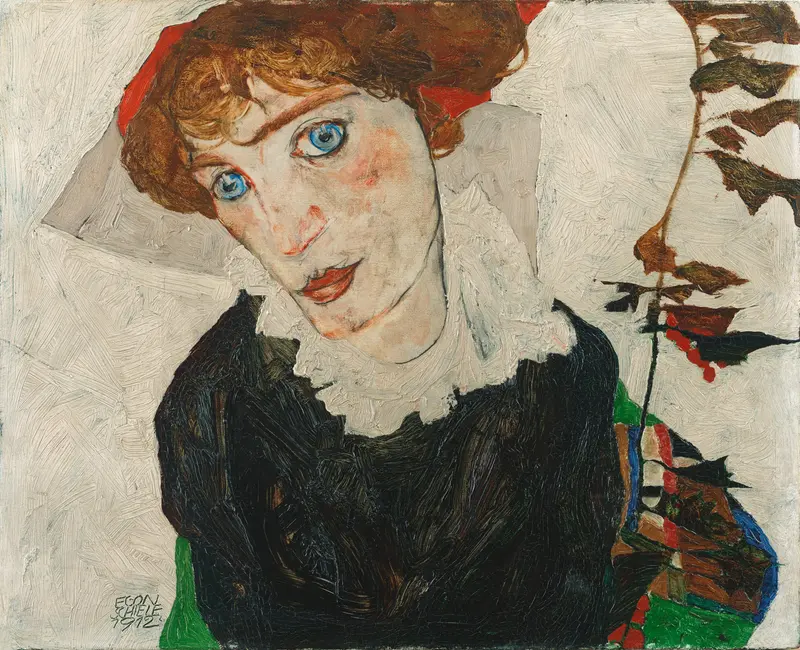
Portrait Of Wally Neuzil
Egon Schiele
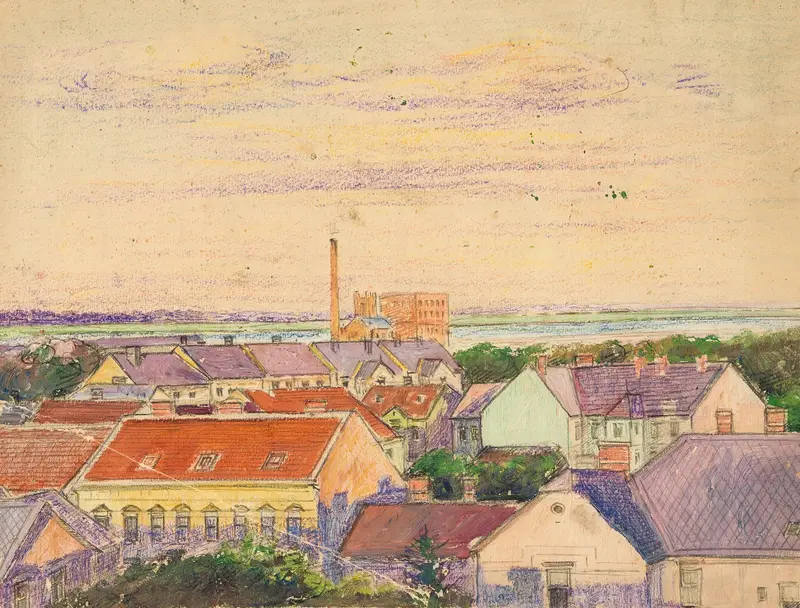
Stadtansicht
Egon Schiele
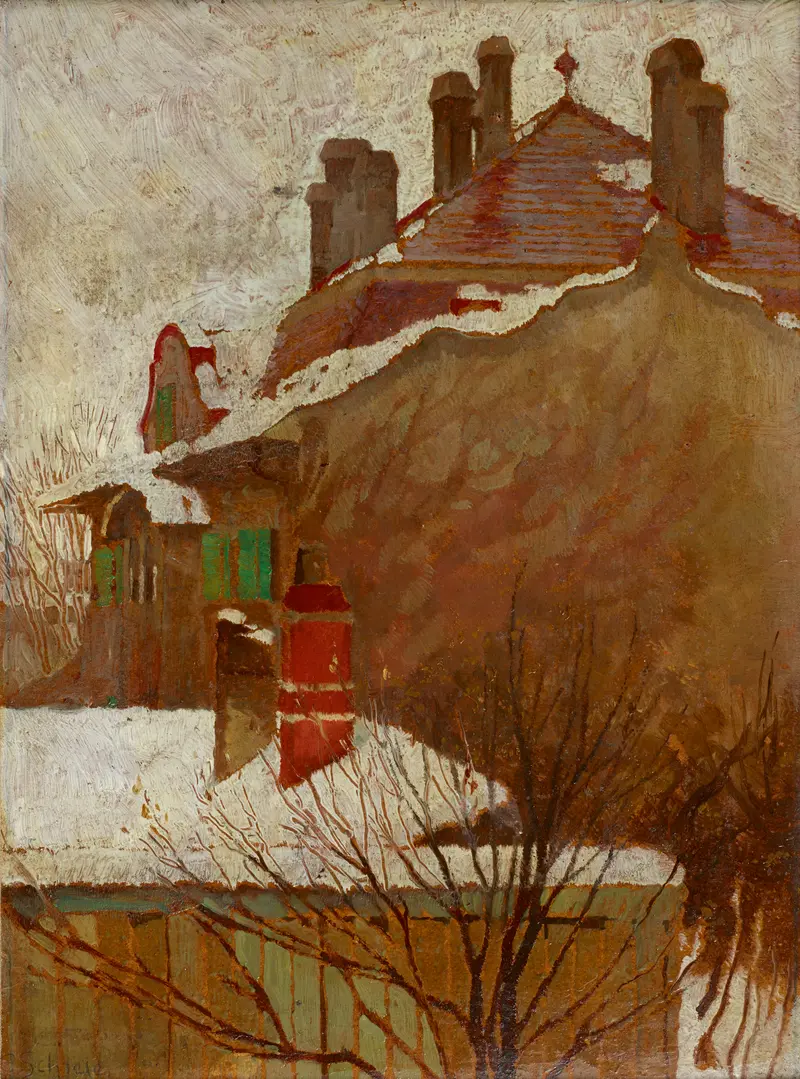
Häuser im Winter (Blick aus dem Atelier)
Egon Schiele
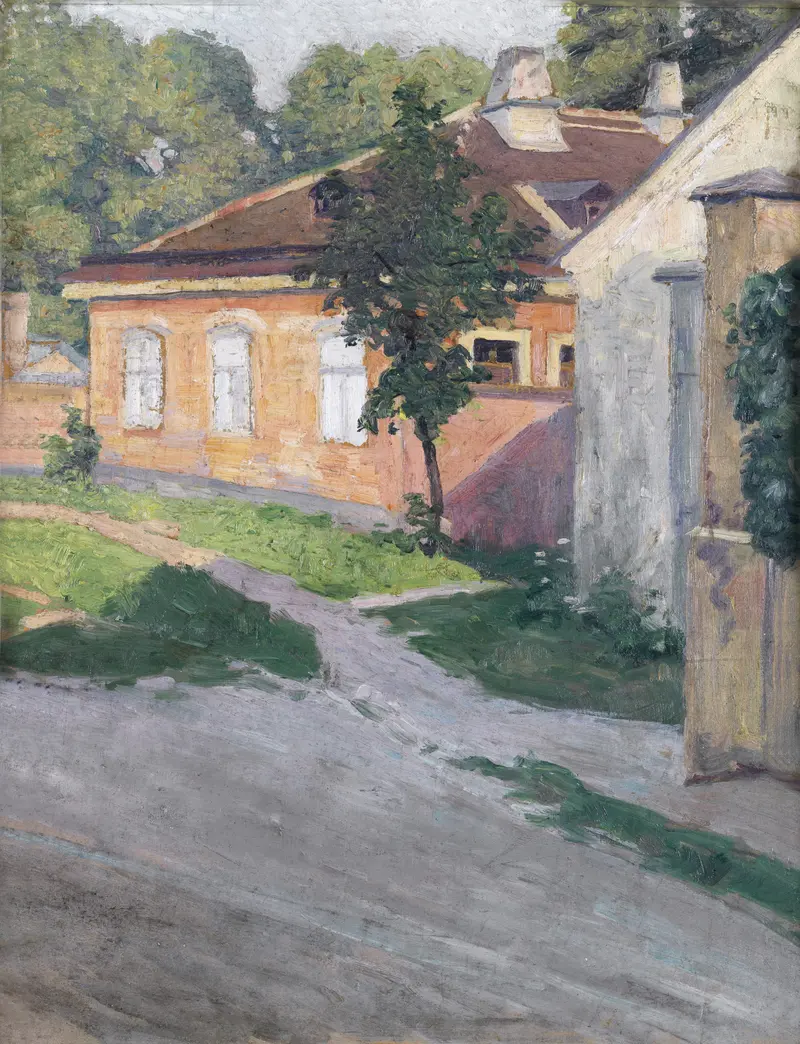
Haus In Hütteldorf (House In Hütteldorf)
Egon Schiele
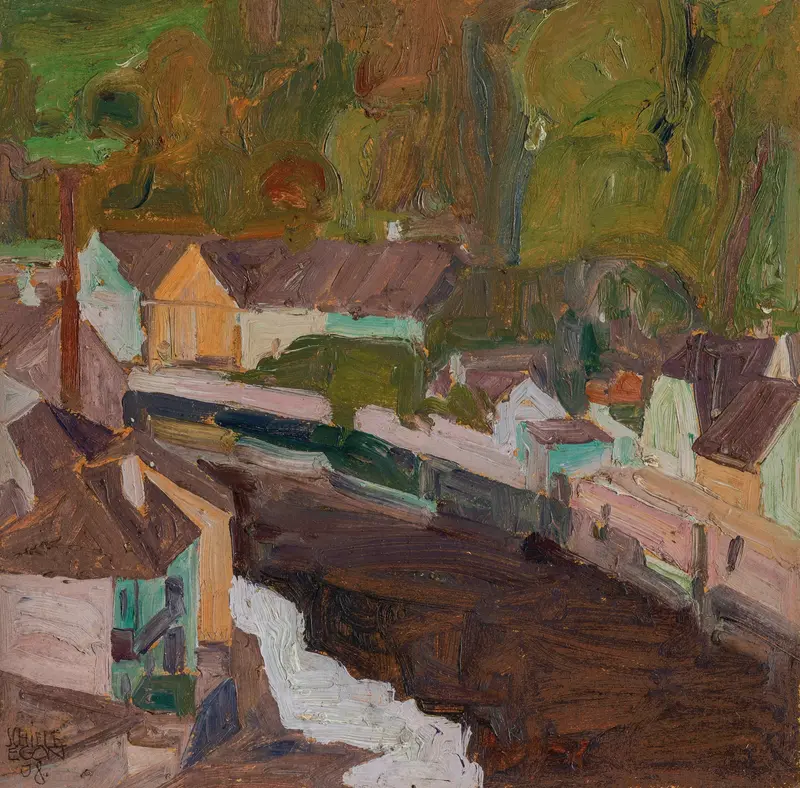
Dorf am Fluss II
Egon Schiele
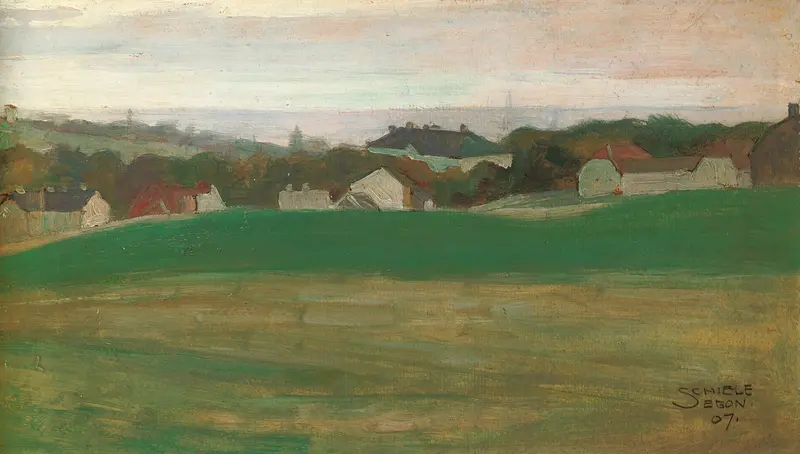
Wiese mit Dorf im Hintergrund II
Egon Schiele
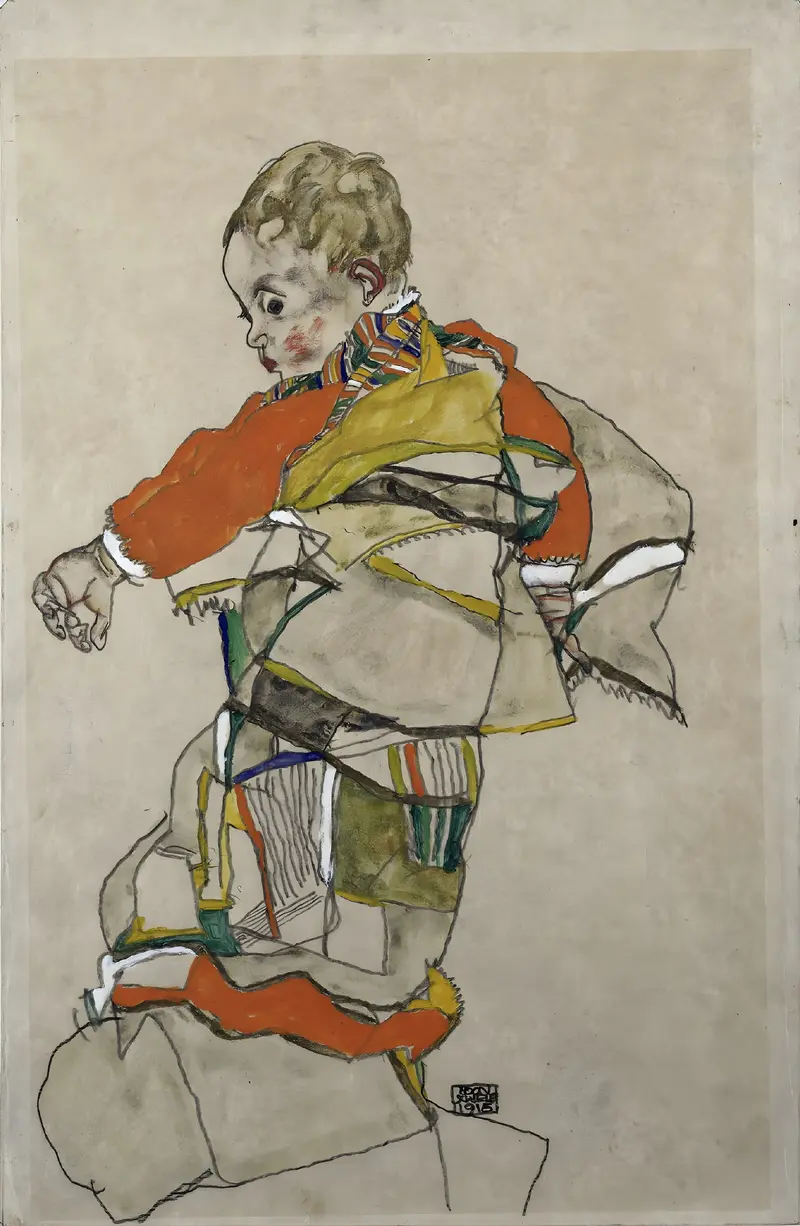
Portrait of a Child (Anton Peschka, Jr.)
Egon Schiele
The Embrace
Egon Schiele





