
Sablières sur les quais de la Seine à Paris — History & Facts
In the gentle embrace of color, beauty emerges as a fleeting memory, echoing the whispers of the past. Look to the left, where brilliant strokes of yellow and ochre delineate the sandy banks of the Seine, shimmering under a sun-drenched sky. The river itself, a ribbon of blue, weaves through the canvas, capturing the essence of motion and life. Notice how the soft brushwork creates an atmosphere of warmth and serenity, inviting you to linger among the details — the bustling figures, the layered textures of sand and water, and the delicate interplay of light across the scene. Hidden within the vibrant hues are deeper stories of transience and connection.
The juxtaposition of the lively figures against the stillness of the Seine speaks to the fleeting nature of existence. Each character, although absorbed in their own world, is bound by the shared beauty of the landscape. This sense of unity, coupled with the ephemeral quality of light, evokes a longing for moments that slip through our fingers yet leave indelible marks on our souls. During 1890, Valtat painted this piece while living in France, a time when the Impressionist movement was gaining momentum.
The artist was experimenting with color and form, breaking away from traditional techniques to embrace a more expressive style. Amidst the changing landscape of art, he captured not just a scene, but the very essence of beauty as it intertwined with memory and time.
More Artworks by Louis Valtat
Browse all →
Bord de rivière aux arbres
Louis Valtat

Normandie
Louis Valtat

Paysage du Midi
Louis Valtat
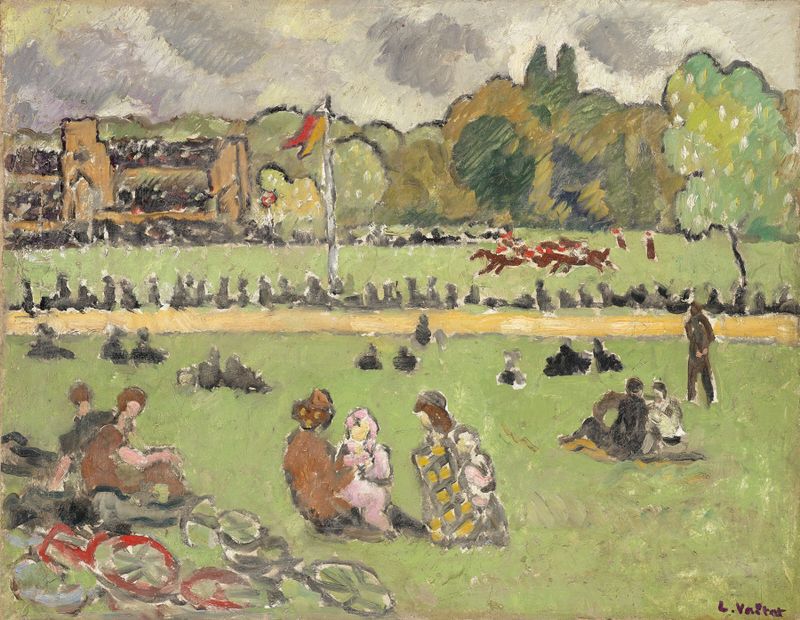
Les Courses
Louis Valtat
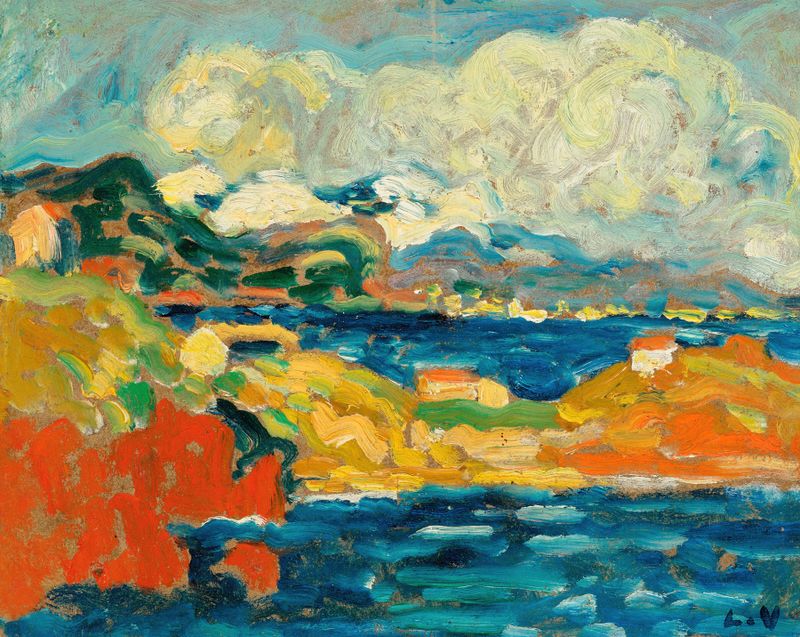
La baie à Anthéor
Louis Valtat

Femme assise au bord de la mer
Louis Valtat
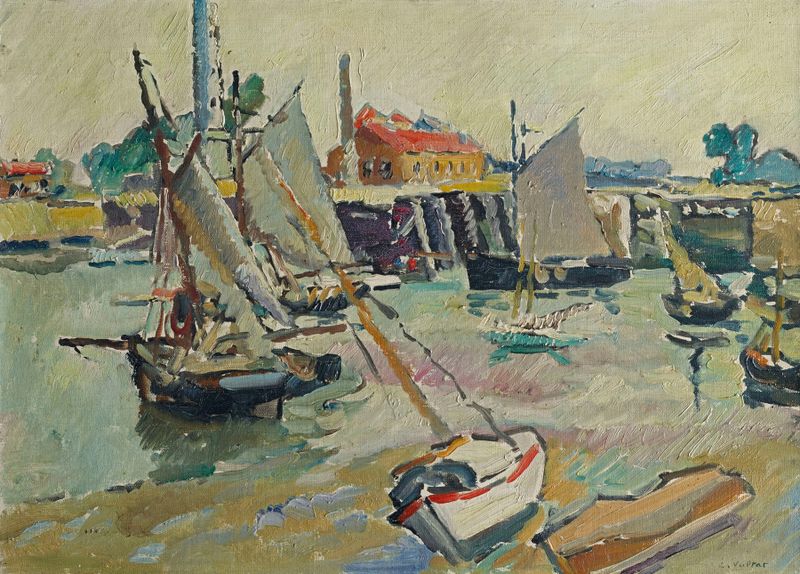
Voiliers au port à marée basse, Ouistreham
Louis Valtat

La maison au bord de la route en Normandie
Louis Valtat

La maison dans le jardin fleuri
Louis Valtat

Le jardin de la maison au toit rouge
Louis Valtat





