
Saint Albans Abbey, Hertfordshire — History & Facts
Can beauty exist without sorrow? The silent ruins of Saint Albans Abbey speak volumes, whispering tales of betrayal woven into their very stones. Look closely at the delicate brushwork that captures the weathered façade, where hints of sunlight illuminate the crumbling arches, revealing the passage of time. Notice the muted palette, a blend of earthy tones infused with soft blues and grays, conveying both the grandeur of history and the inevitability of decay. The composition draws your eye upward, inviting contemplation of the once-proud structure that now stands as a poignant reminder of loss. The interplay of light and shadow reflects the duality of human experience—while the abbey's beauty captivates, it also evokes the weight of its forgotten glory.
Each brushstroke seems to cradle hidden narratives, a reminder of the faith that once thrived and the betrayals that led to its decline. The absence of figures suggests a loneliness, echoing the profound isolation of a sacred space abandoned by time. During his years in the early 19th century, Turner was captivated by the relationship between nature and the human experience, particularly as industrialization began to reshape the landscape. While Saint Albans Abbey, Hertfordshire remains undated, it's likely that he painted it amidst his exploration of evocative ruins, seeking to capture the essence of beauty intertwined with the bittersweet remnants of history.
In this work, he reflects his own struggles against the tide of change, embracing a world where beauty often bears the weight of sorrow.
More Artworks by Joseph Mallord William Turner
Browse all →
Dort or Dordrecht- The Dort Packet-Boat from Rotterdam Becalmed
Joseph Mallord William Turner
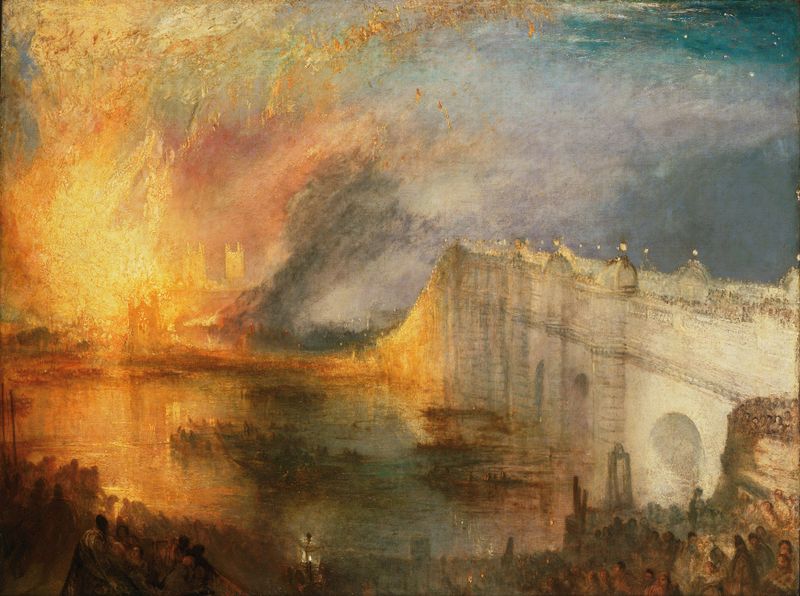
The Burning of the Houses of Lords and Commons, October 16, 1834
Joseph Mallord William Turner
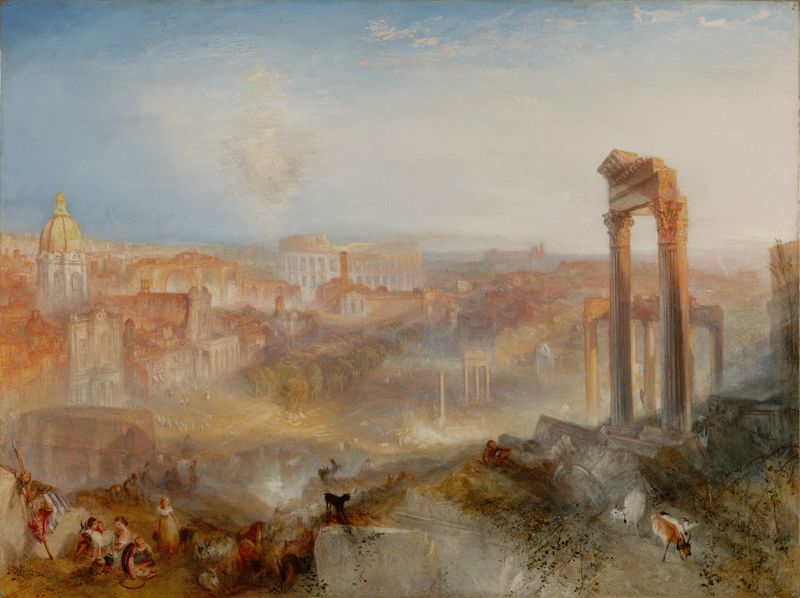
Modern Rome – Campo Vaccino
Joseph Mallord William Turner
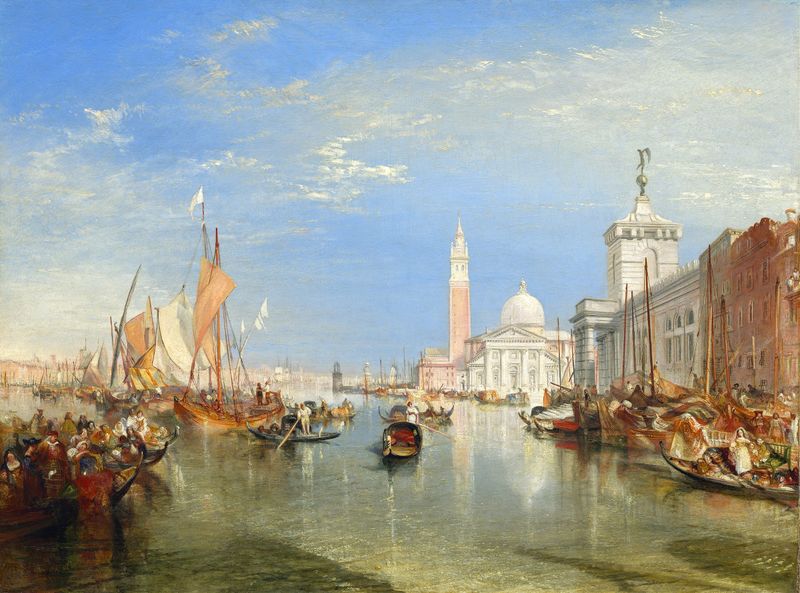
Venice – The Dogana and San Giorgio Maggiore
Joseph Mallord William Turner

The Burning of the Houses of Lords and Commons, 16 October 1834
Joseph Mallord William Turner
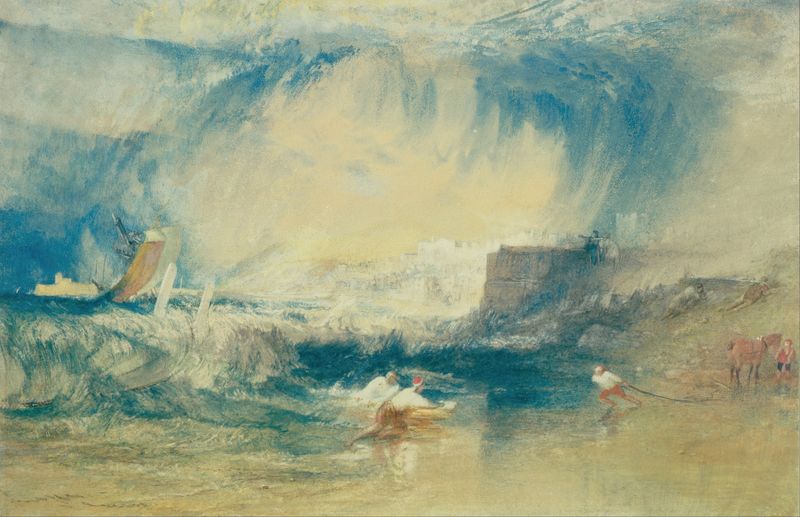
Lyme Regis, Dorsetshire, England
Joseph Mallord William Turner
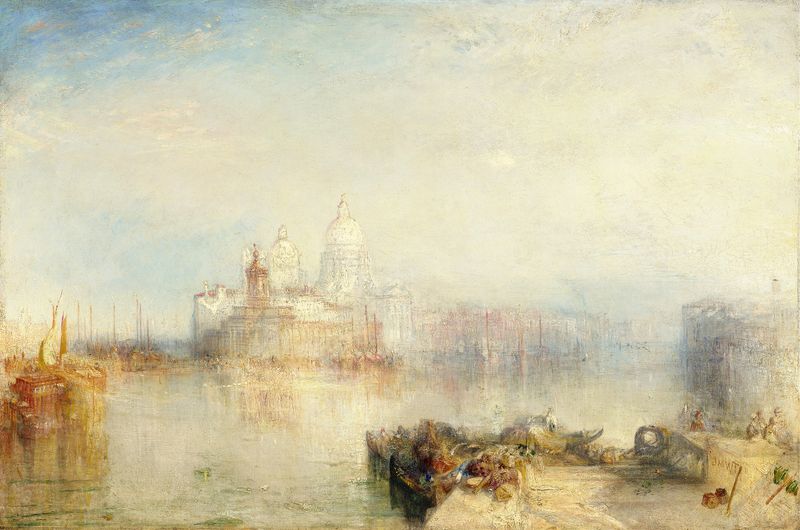
The Dogana and Santa Maria della Salute, Venice
Joseph Mallord William Turner
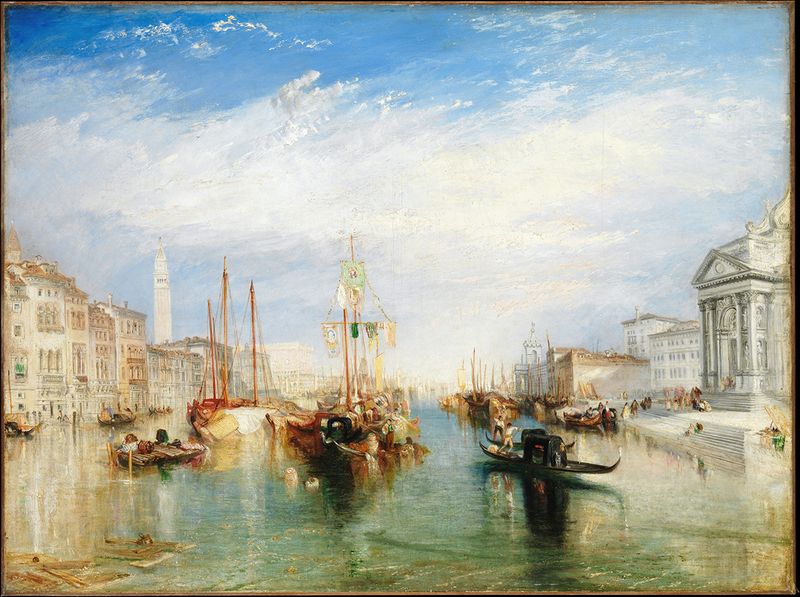
Venice, from the Porch of Madonna della Salute
Joseph Mallord William Turner
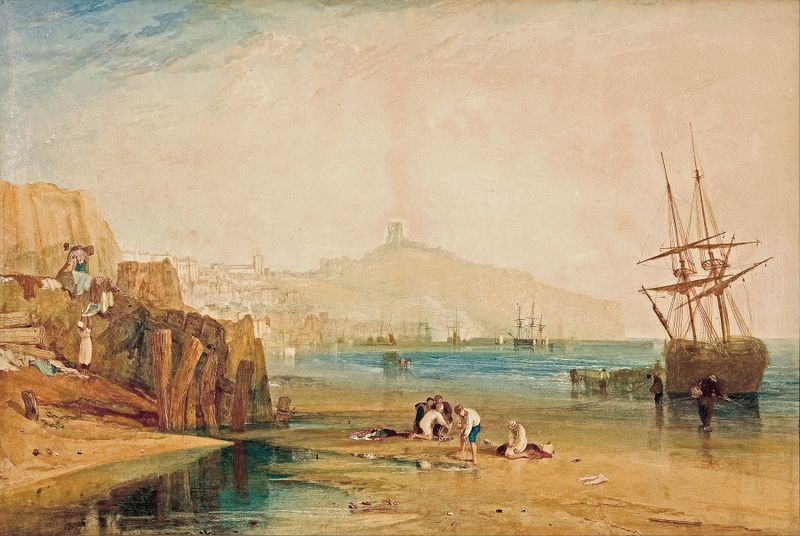
Scarborough town and castle; morning; boys catching crabs
Joseph Mallord William Turner
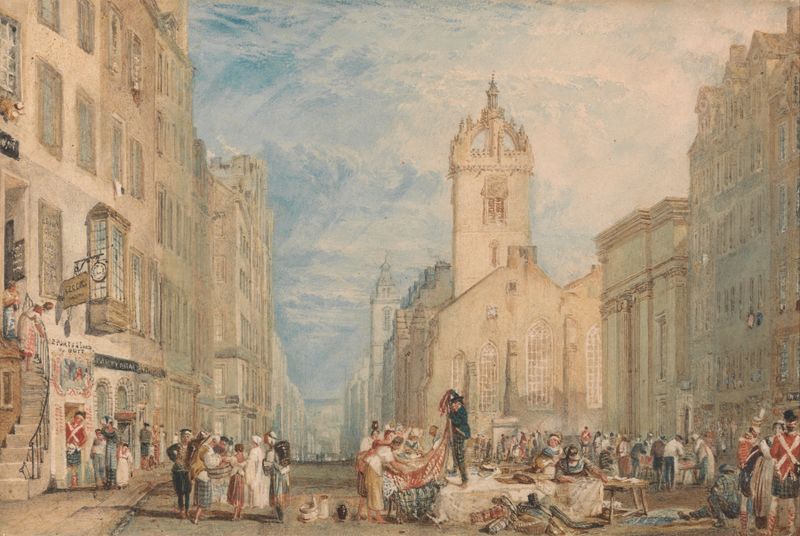
High Street, Edinburgh
Joseph Mallord William Turner
More Architecture Art
Browse all →
The statue of Liberty
Frédéric Auguste Bartholdi

View of Houses in Delft, Known as ‘The Little Street’
Johannes Vermeer

View of Houses in Delft, Known as ‘The Little Street’
Johannes Vermeer

The Cathedral in Rouen. The portal, Grey Weather
Claude Monet

The yellow house
Vincent van Gogh

The Church in Auvers-sur-Oise, View from the Chevet
Vincent van Gogh