Discover insights about this artwork
Saint Augustine — History & Facts
In Saint Augustine, Peter Paul Rubens presents a striking figure of the saint, adorned in rich robes. The colors are deep and warm, with golden tones that highlight the figure's importance. Augustine's expression is contemplative, suggesting a moment of deep thought or prayer.
The background is dark, which enhances the focus on the saint's illuminated face and hands. The painting is executed in oil on canvas, a common medium for Rubens, allowing for vibrant colors and intricate details. The dimensions are approximately 100 x 130 cm, making it a significant size for a portrait. Rubens' characteristic brushwork is evident, with dynamic strokes that convey movement and depth.
The use of light and shadow is masterful, creating a three-dimensional effect. Peter Paul Rubens was a leading figure in the Baroque movement, known for his dramatic compositions and vibrant colors. This work, created around 1610, reflects his interest in religious themes and the human condition. An interesting fact about this painting is that it was likely commissioned for a church, emphasizing the importance of Saint Augustine in Christian theology.
Rubens' ability to convey emotion through facial expressions and gestures is particularly notable in this piece.
More Artworks by Peter Paul Rubens
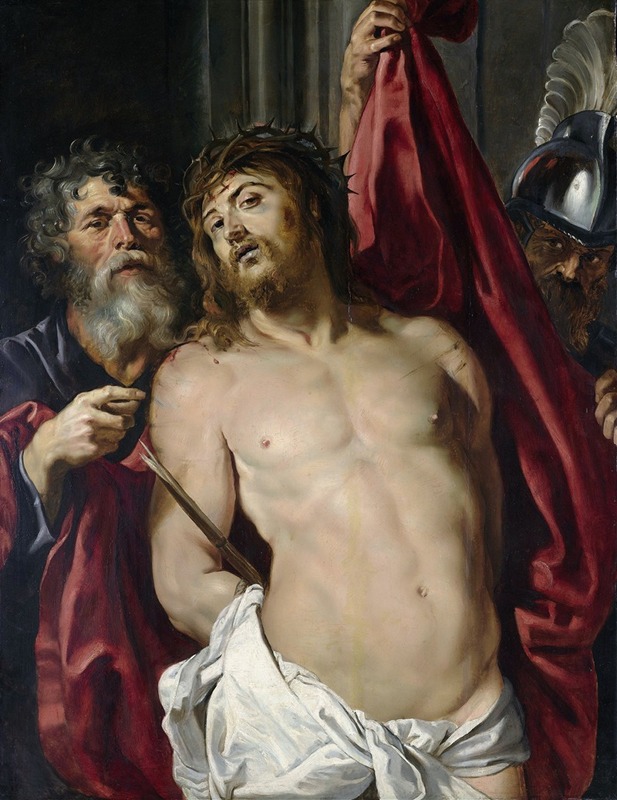
Ecce homo
Peter Paul Rubens
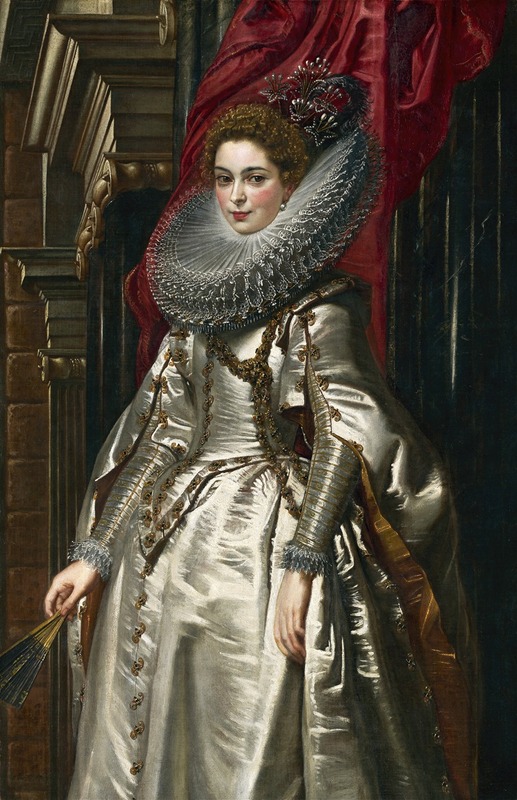
Marchesa Brigida Spinola Doria
Peter Paul Rubens
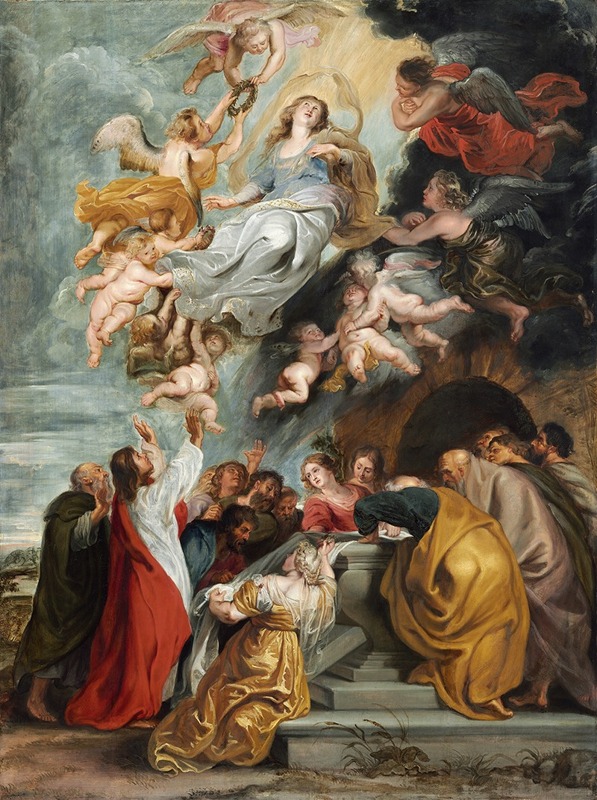
The Assumption of the Virgin
Peter Paul Rubens

Saint Teresa of Ávila Interceding for Souls in Purgatory
Peter Paul Rubens
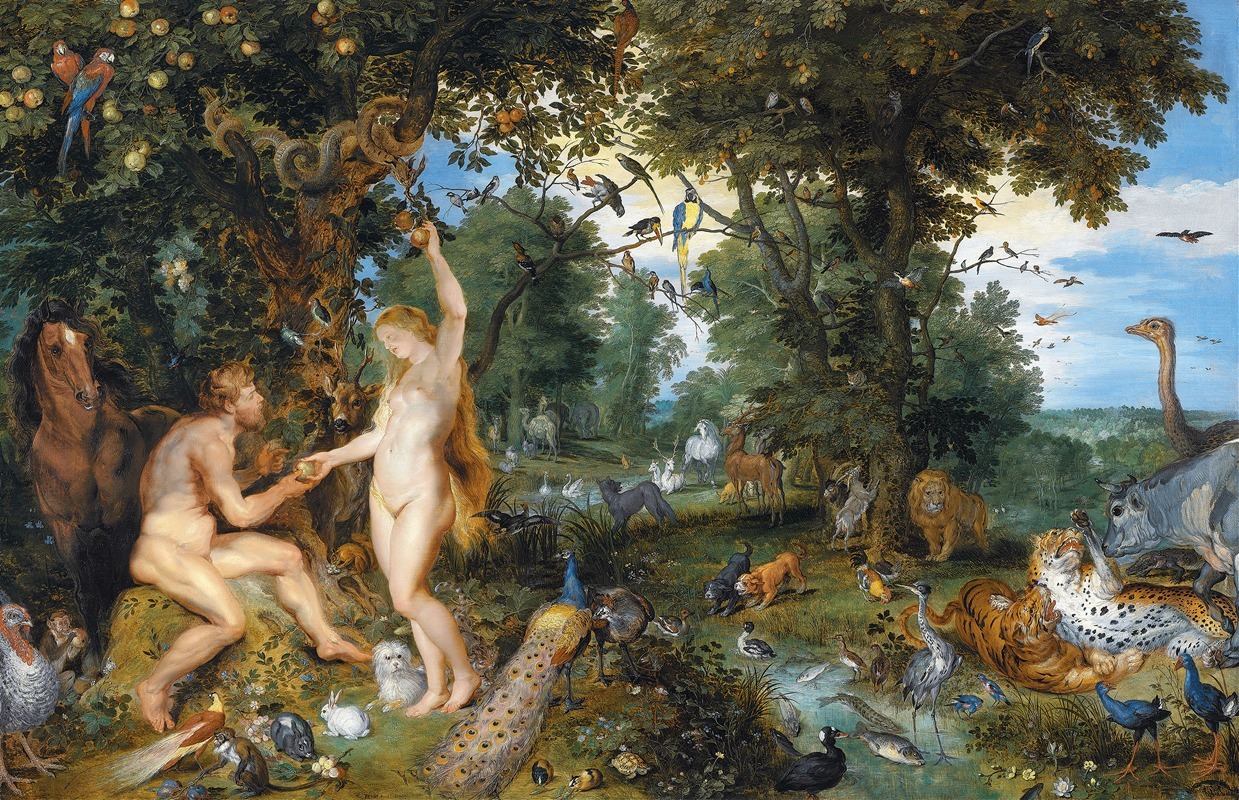
The Garden of Eden with the Fall of Man
Peter Paul Rubens
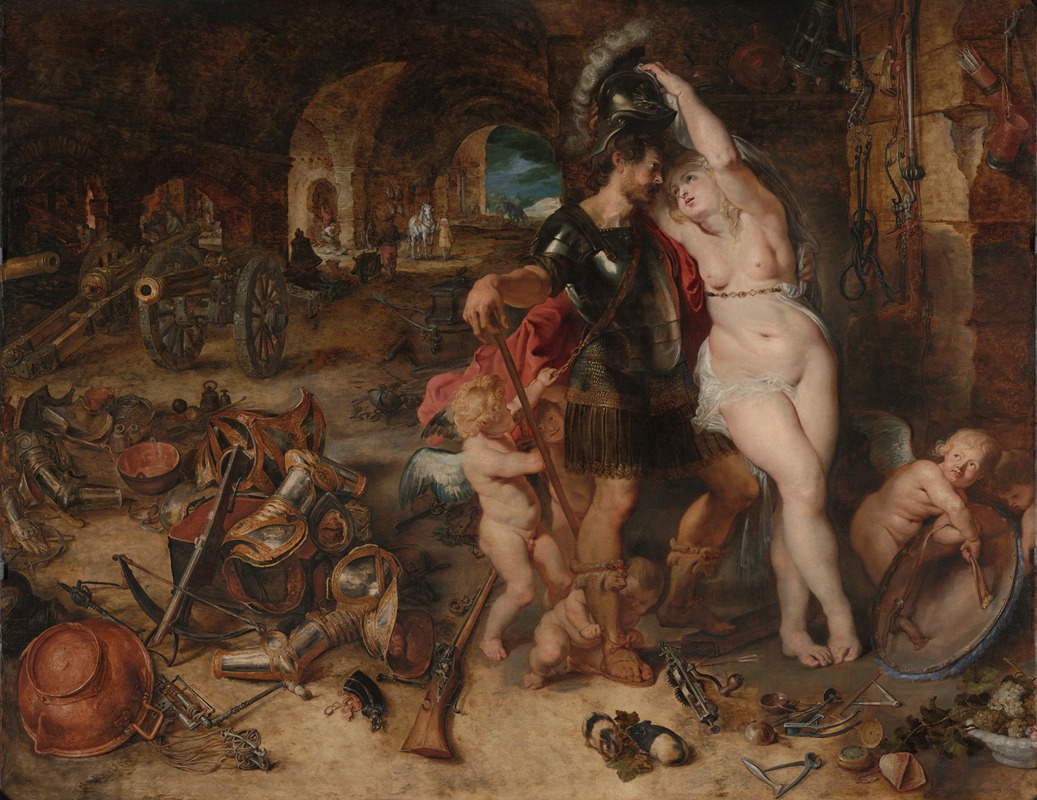
The Return From War,Mars Disarmed By Venus
Peter Paul Rubens
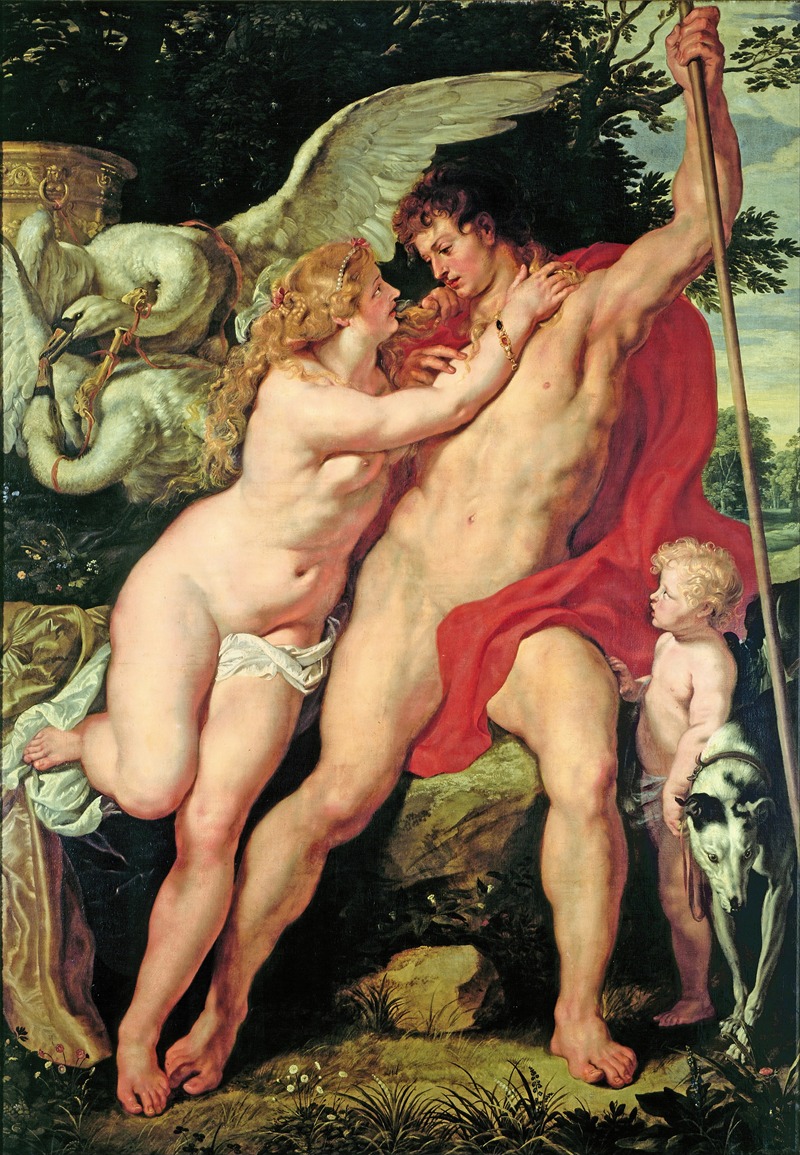
Venus and Adonis
Peter Paul Rubens
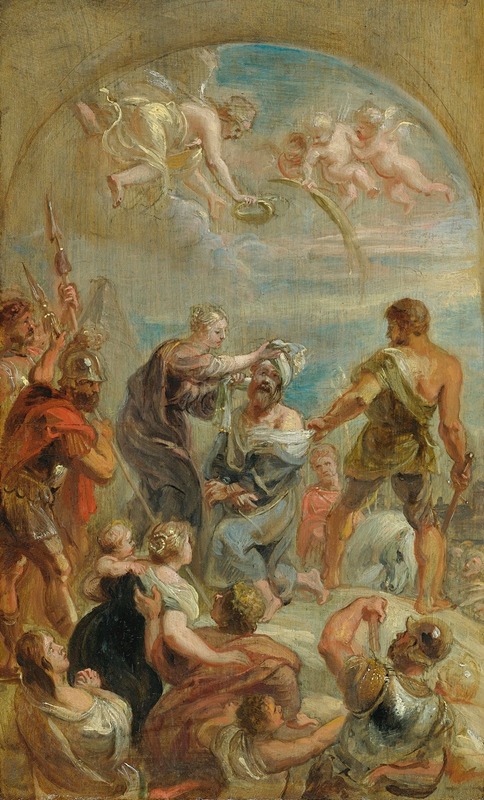
The Martyrdom Of Saint Paul
Peter Paul Rubens
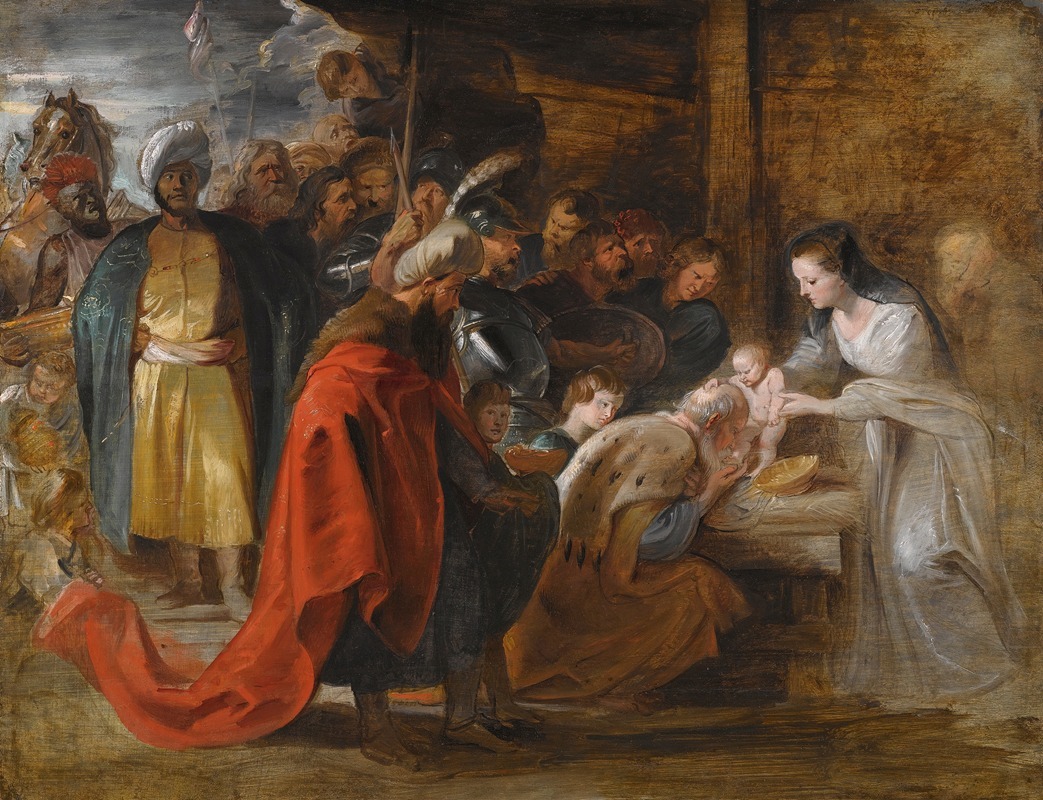
The Adoration Of The Magi
Peter Paul Rubens
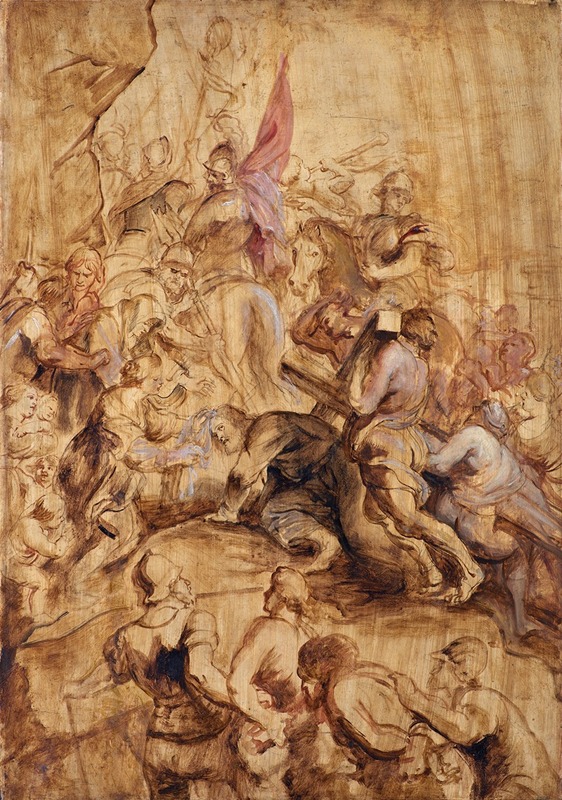
The Ascent to Calvary. The Bearing of the Cross
Peter Paul Rubens