
Saint Augustine’s Gate, Canterbury — History & Facts
In Saint Augustine’s Gate, Canterbury, the chaotic dance of light and shadow weaves a tapestry that reveals both history and turmoil, capturing the viewer in a moment of serene disarray. Focus on the vibrant hues of the sky at the top right, where Turner deploys rich oranges and yellows, as if the heavens themselves are ablaze. Move your gaze downward to the architecture, the crumbling stone of the gate standing proud yet weary against the ephemeral backdrop. Notice how the swirling clouds suggest an impending storm, while the darkness creeping into the corners hints at the chaos veiled beneath the surface of this once-sacred place. Within this scene lies a contrast between the rigid permanence of the gate and the fleeting nature of the sky.
The vibrancy and chaos of the clouds reflect the tumultuous emotions of a city grappling with its past, while the structured gate symbolizes the weight of history. Look closely, and you might find the figures dwarfed by their surroundings, underscoring the insignificance of humanity against the backdrop of time and turmoil. In 1793, Turner was deeply engaged in exploring the nuances of light and atmospheric effects, inspired by the Romantic movement's embrace of emotional depth. Living in London, he witnessed a rapid transformation in art, where the fleeting impressions of nature began to prevail over neoclassicism's rigid ideals.
This painting, emerging from that context, reveals his fascination with chaos intertwined with beauty, a signature of his evolving style.
More Artworks by Joseph Mallord William Turner
Browse all →
Dort or Dordrecht- The Dort Packet-Boat from Rotterdam Becalmed
Joseph Mallord William Turner
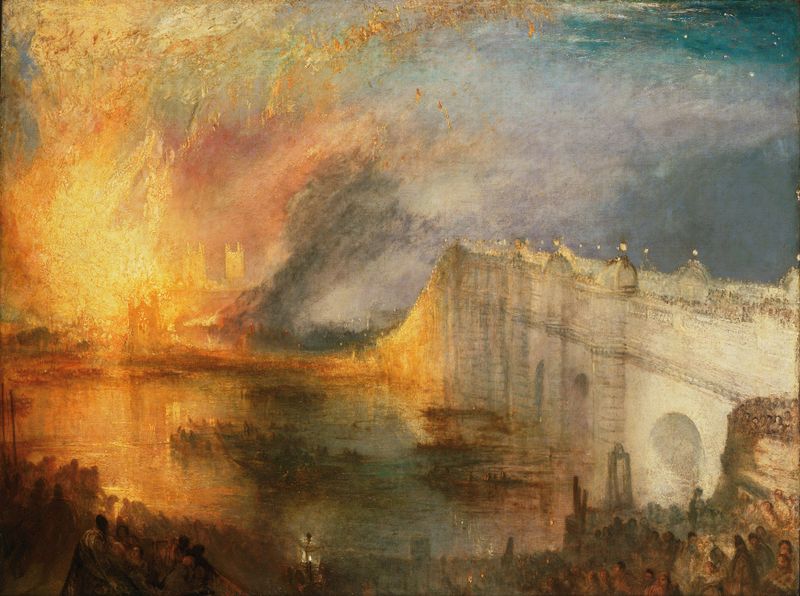
The Burning of the Houses of Lords and Commons, October 16, 1834
Joseph Mallord William Turner
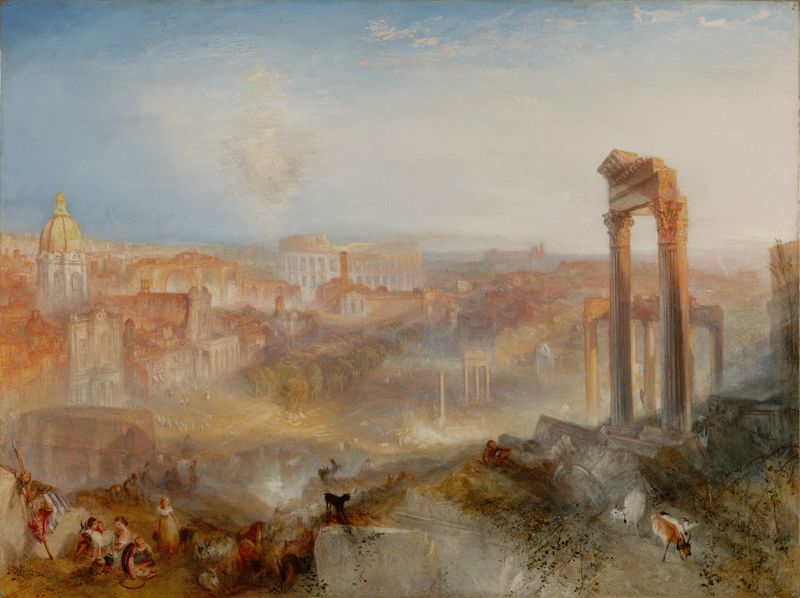
Modern Rome – Campo Vaccino
Joseph Mallord William Turner
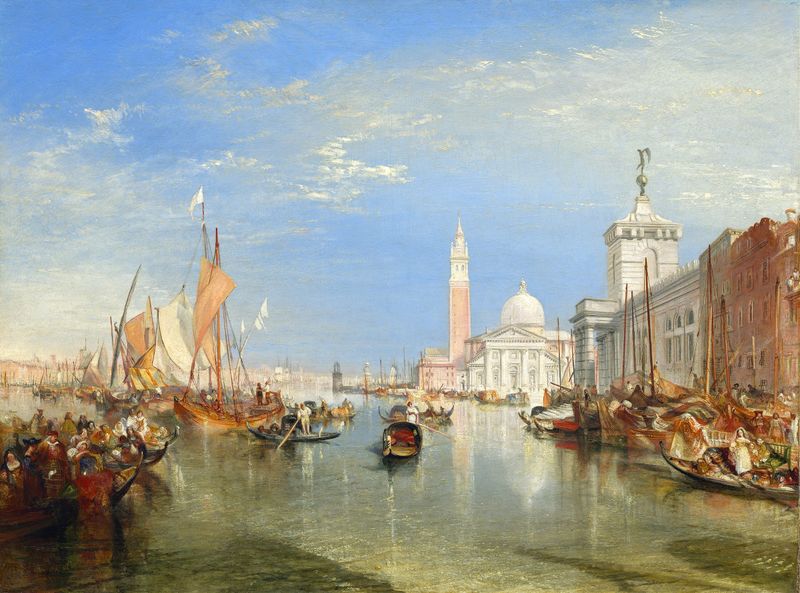
Venice – The Dogana and San Giorgio Maggiore
Joseph Mallord William Turner

The Burning of the Houses of Lords and Commons, 16 October 1834
Joseph Mallord William Turner
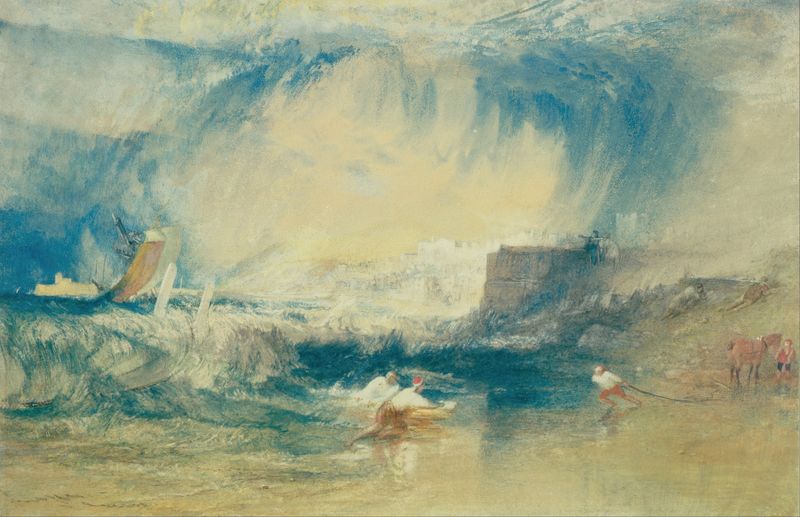
Lyme Regis, Dorsetshire, England
Joseph Mallord William Turner
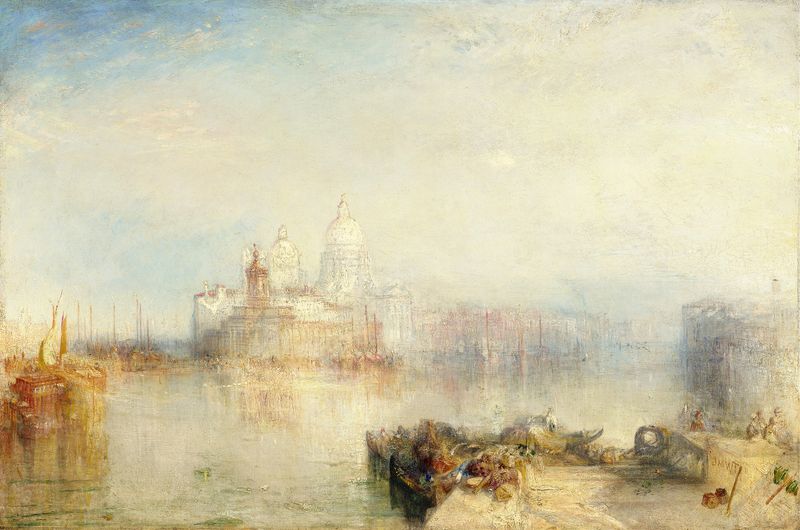
The Dogana and Santa Maria della Salute, Venice
Joseph Mallord William Turner
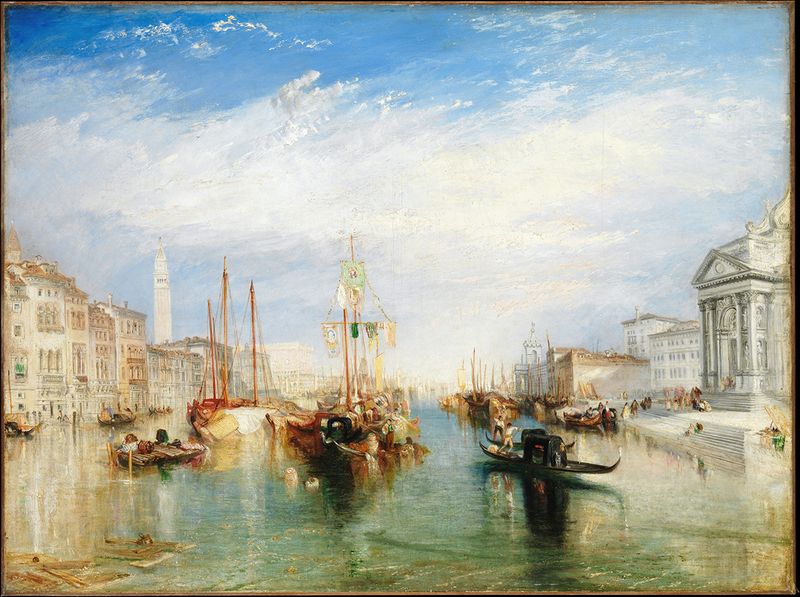
Venice, from the Porch of Madonna della Salute
Joseph Mallord William Turner
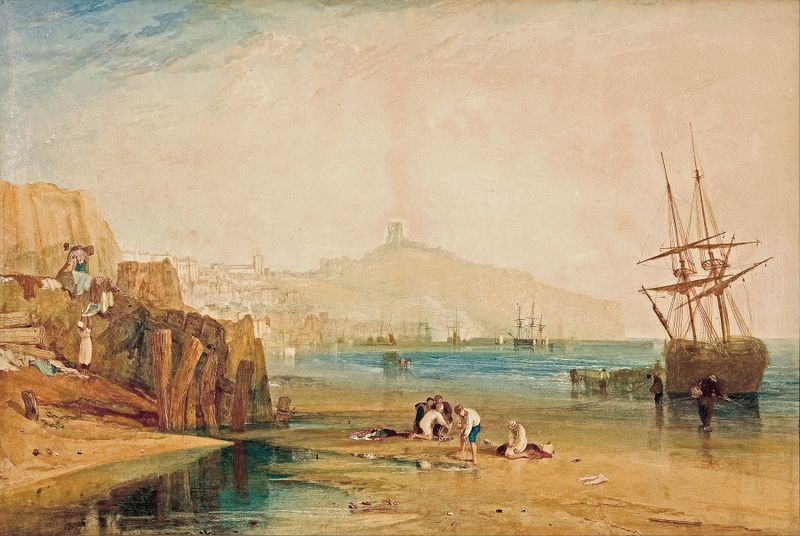
Scarborough town and castle; morning; boys catching crabs
Joseph Mallord William Turner
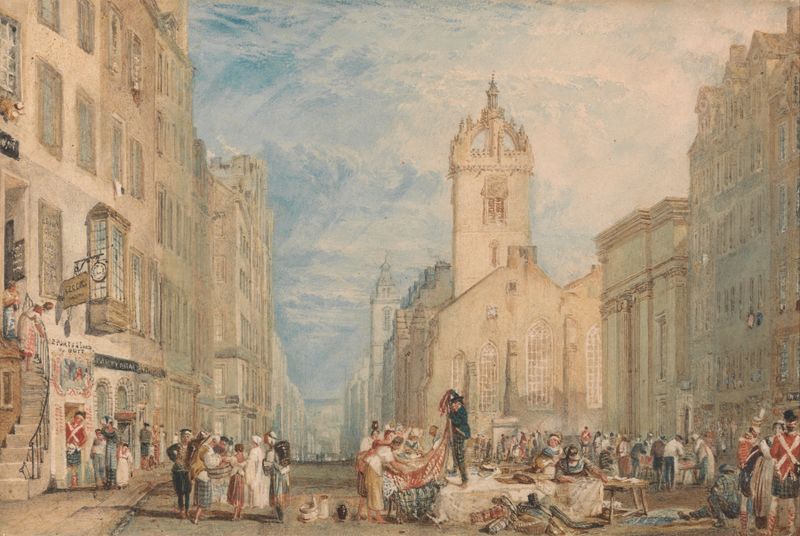
High Street, Edinburgh
Joseph Mallord William Turner
More Architecture Art
Browse all →
The statue of Liberty
Frédéric Auguste Bartholdi

View of Houses in Delft, Known as ‘The Little Street’
Johannes Vermeer

View of Houses in Delft, Known as ‘The Little Street’
Johannes Vermeer

The Cathedral in Rouen. The portal, Grey Weather
Claude Monet

The yellow house
Vincent van Gogh

The Church in Auvers-sur-Oise, View from the Chevet
Vincent van Gogh