
Saint Jerome — History & Facts
In Saint Jerome, Guido Reni presents a serene and contemplative figure of the saint. The painting features rich colors, primarily deep reds and earthy tones, which create a warm atmosphere. Jerome is depicted in a traditional robe, surrounded by books and a skull, symbolizing knowledge and mortality.
The soft light enhances the details of his expression, emphasizing his pensive nature. The painting is executed in oil on canvas, a common medium during the Baroque period. Reni's technique showcases smooth brushwork and a careful attention to detail, particularly in the textures of the fabrics and the objects around Jerome. The dimensions are approximately 100 x 130 cm, allowing for a significant presence in any space.
The composition draws the viewer's eye to Jerome's face, inviting contemplation. Guido Reni was a prominent Italian painter of the Baroque era, known for his idealized forms and dramatic use of light. This particular work, created around c. 1610, reflects Reni's mastery of portraying religious figures with emotional depth.
An interesting fact about this painting is its connection to the Counter-Reformation, where art was used to inspire piety and devotion among the faithful. Today, Saint Jerome is housed in the prestigious Museo del Prado in Spain.
More Artworks by Guido Reni

Salome with the Head of Saint John the Baptist
Guido Reni
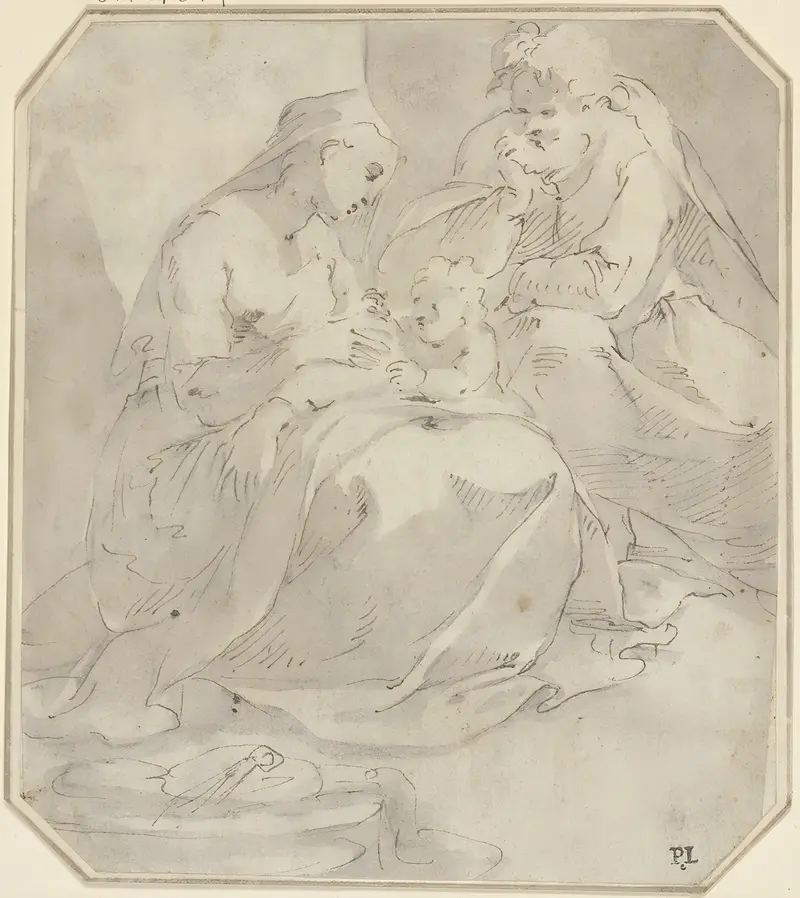
Holy family
Guido Reni
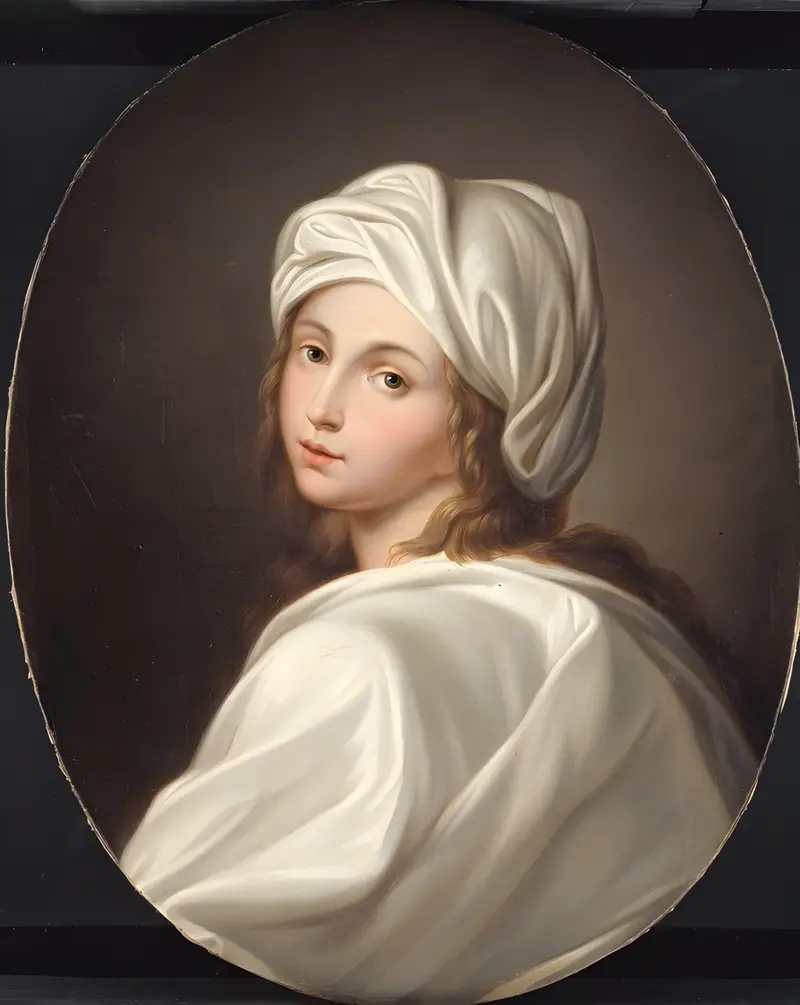
Portrait of Beatrice Cenci
Guido Reni
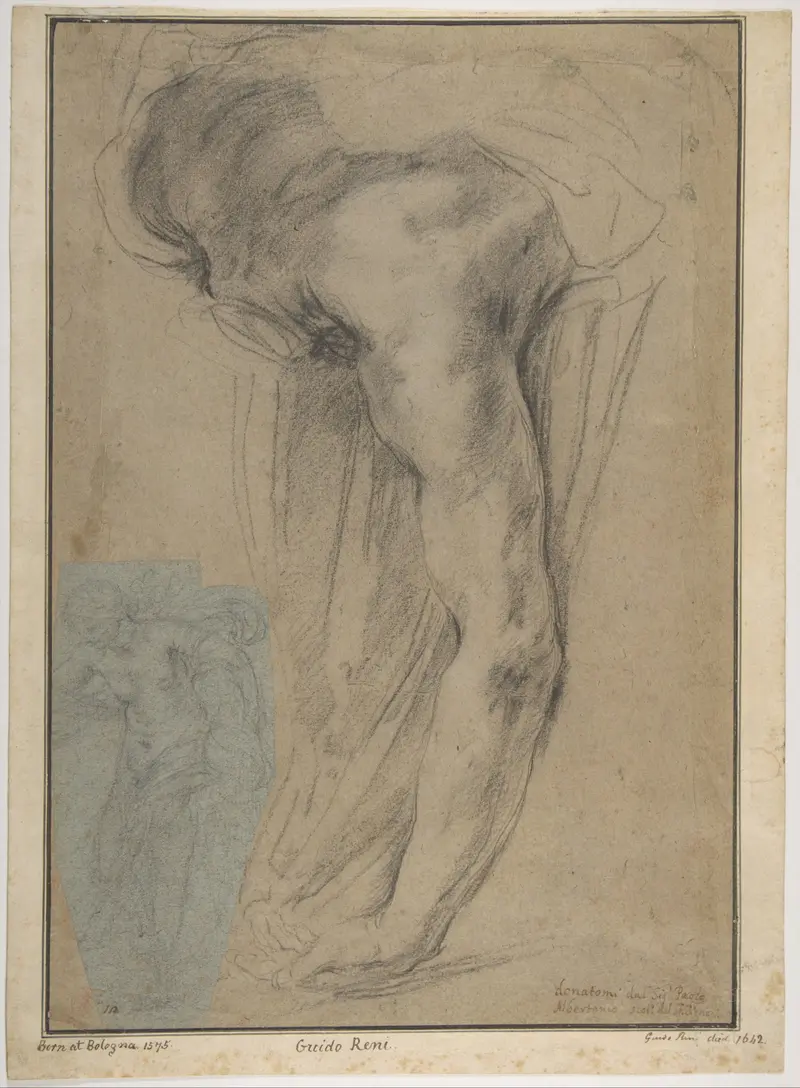
The Reclining Headless Body of Holoferne
Guido Reni
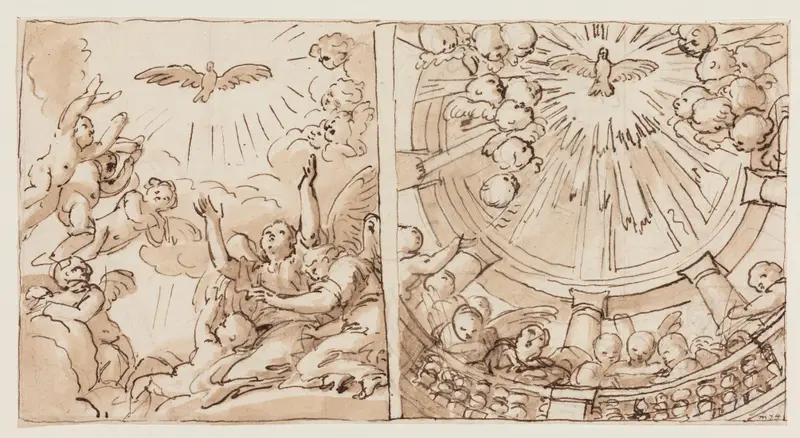
To scener med engle, der omgiver og tilbeder Helligåndsduen, der i det ene tilfælde daler ned mellem skyer, i det andet fra en kuppel, båret af søjler
Guido Reni
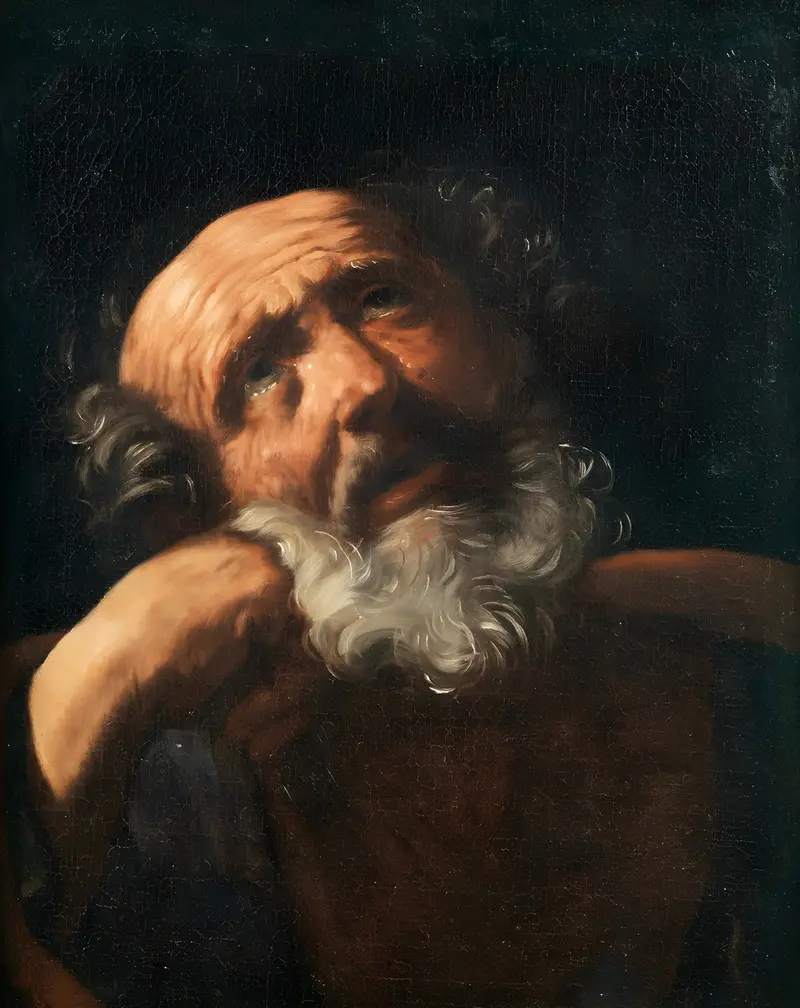
Saint Peter
Guido Reni
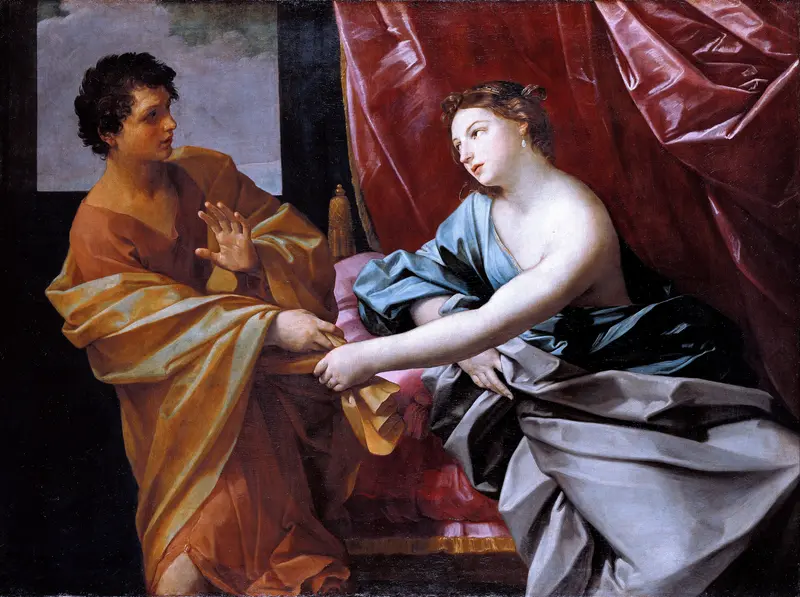
Joseph and Potiphar’s Wife
Guido Reni
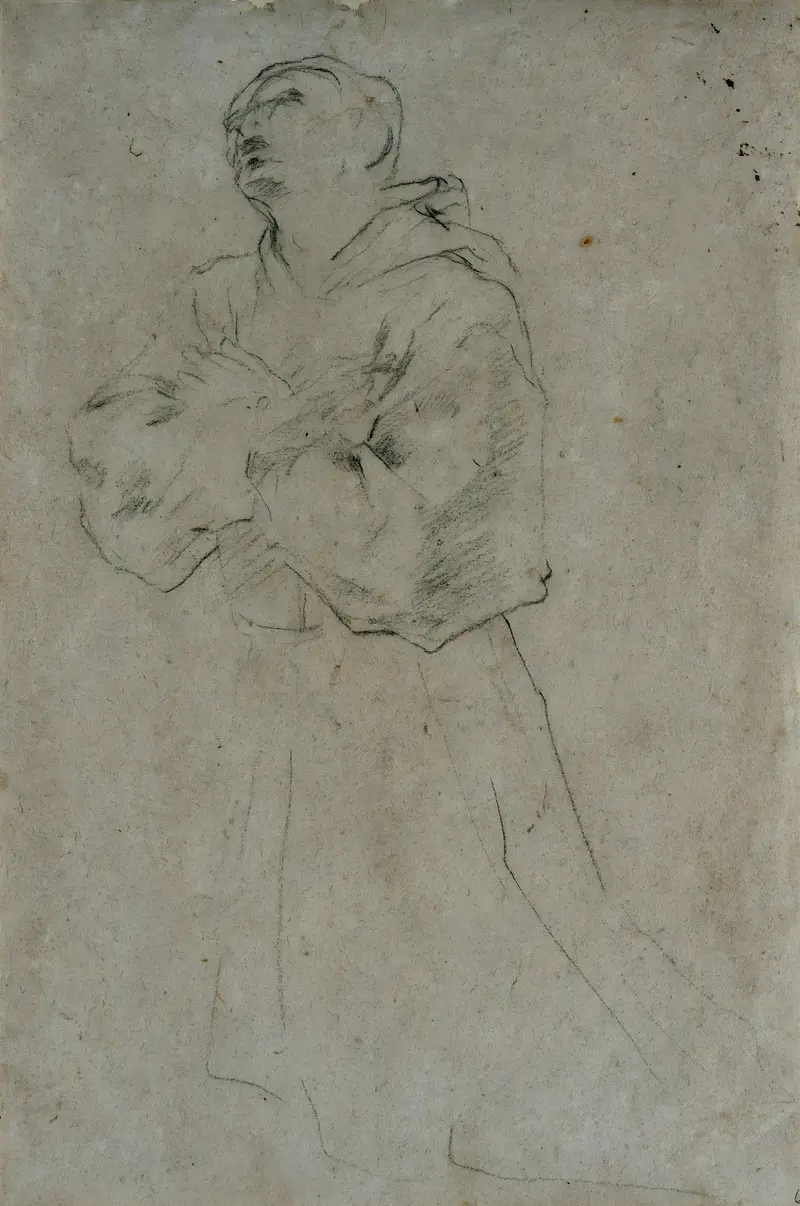
Kneeling Monk
Guido Reni
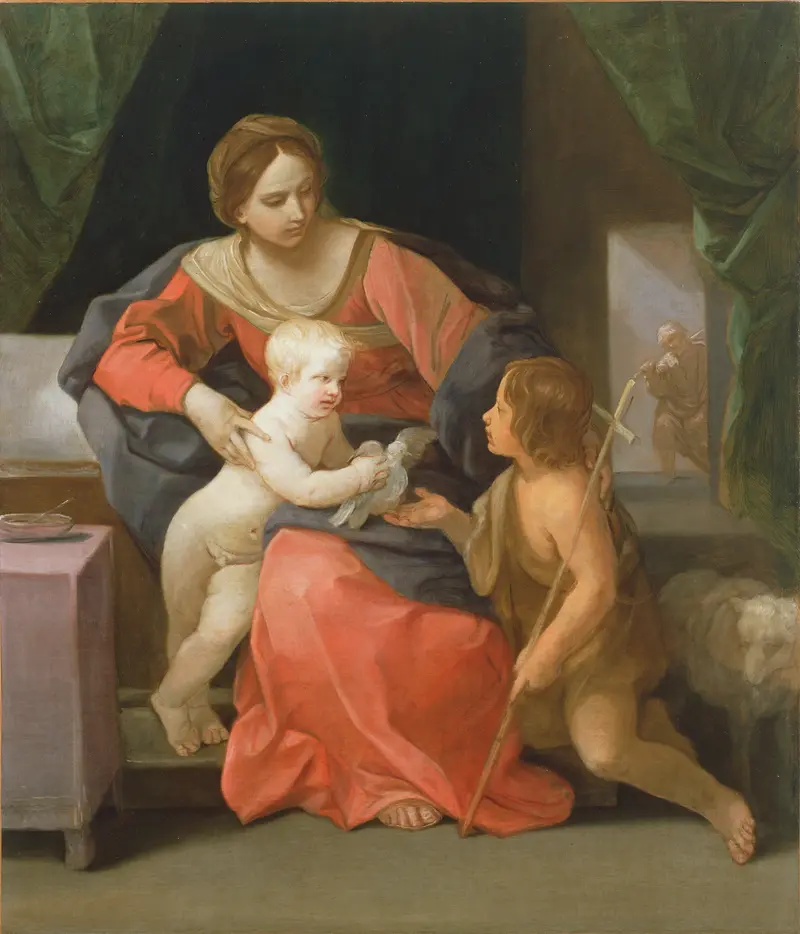
Virgin and Child with Saint John the Baptist
Guido Reni
Cleopatra
Guido Reni





