
Saint John the Baptist in the Wilderness — History & Facts
Where does light end, and longing begin? This question resonates deeply in the haunting portrayal of a solitary figure, poised between the world and the wilderness, contemplating destiny itself. Focus on the figure of Saint John, positioned slightly off-center, draped in a rough garment that signifies both his asceticism and humanity. The chiaroscuro technique envelops him in dramatic shadows, emphasizing the contours of his face, where a mixture of solitude and purpose resides. Notice how the golden light spills onto his skin, illuminating his thoughtful expression while the surrounding darkness swallows the edges of the wilderness, creating a stark contrast that pulls your gaze toward him.
The subtle earthy tones in the background blend seamlessly, suggesting a vastness that mirrors the depth of his internal struggle. The interplay of light and shadow conveys more than the mere physical; it hints at an existential tension. The faint hint of a distant landscape signifies isolation and the weight of prophecy that lies ahead. Examine the way his hand gestures are poised as if inviting the viewer to share in his contemplation, blurring the line between his internal thoughts and an audience yearning for connection.
This quiet moment speaks volumes about faith, sacrifice, and the prophetic burden, as if he is caught between the divine calling and his human existence. In 1622, Velázquez found himself in Seville, navigating the artistic currents of the Spanish Golden Age. He was influenced by Caravaggio’s tenebrist style while developing his unique approach to realism. At this time, the artist was beginning to establish his reputation, drawing from both personal introspections and the rich spiritual landscape surrounding him, as he captured the essence of his subjects with both empathy and precision.
More Artworks by Diego Velázquez
Browse all →
Las meninas
Diego Velázquez

An Old Woman Cooking Eggs
Diego Velázquez
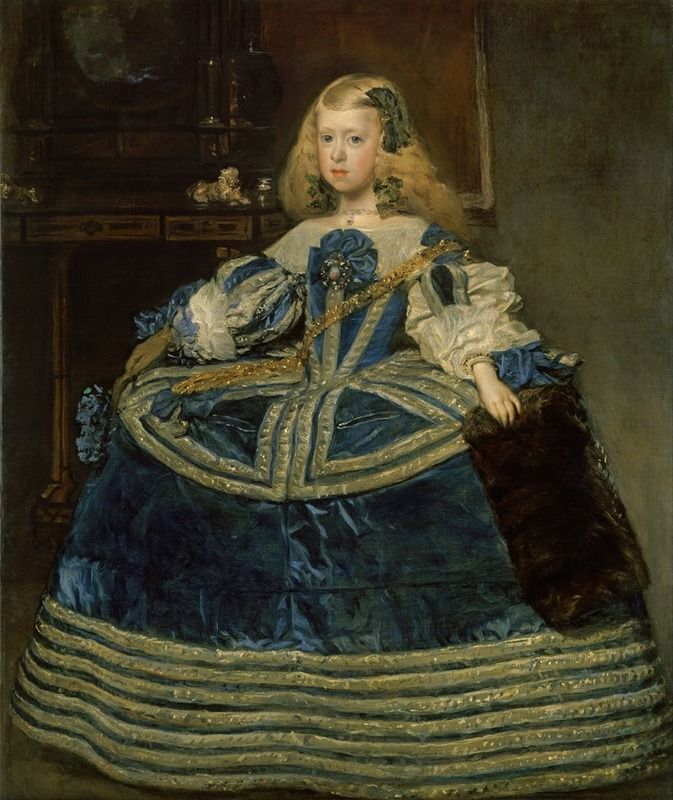
Infanta Margarita Teresa in a Blue Dress
Diego Velázquez

María Teresa, Infanta of Spain
Diego Velázquez
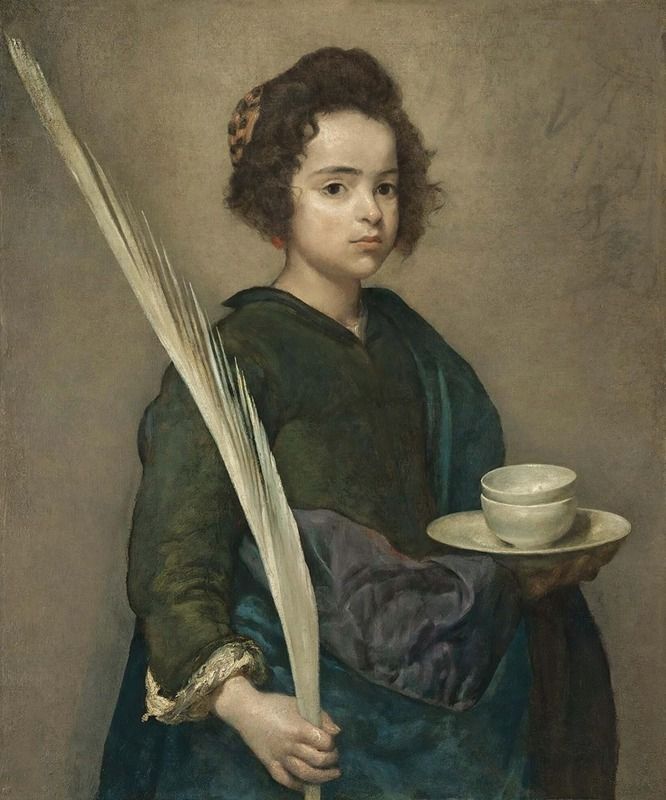
Saint Rufina
Diego Velázquez
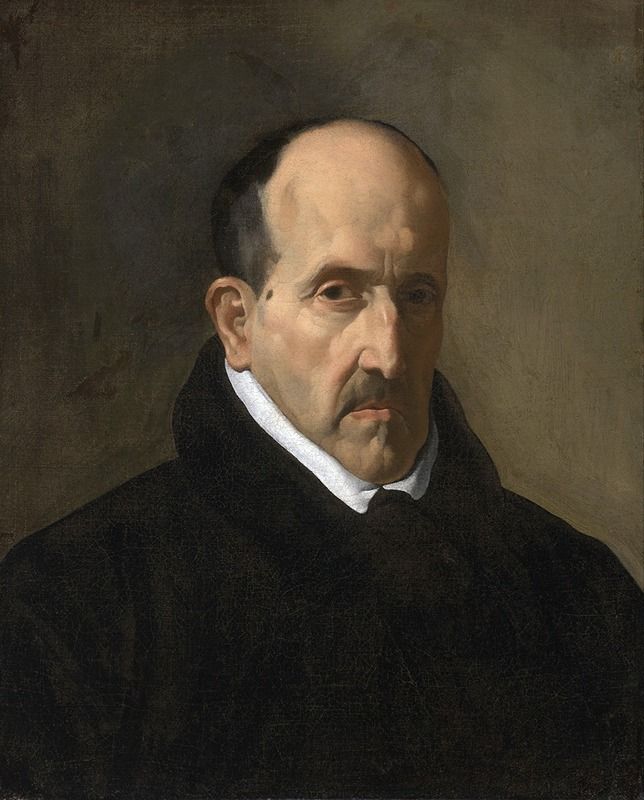
Luis de Góngora y Argote
Diego Velázquez

The lady with a Fan
Diego Velázquez

Cabeza de muchacha
Diego Velázquez

The education of the Virgin
Diego Velázquez
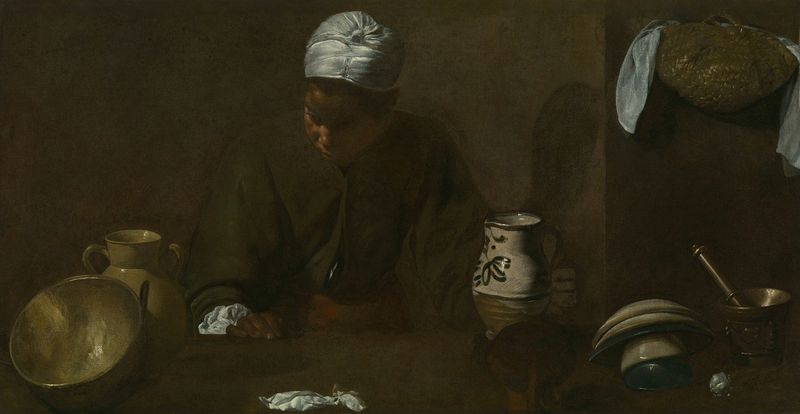
Kitchen Scene
Diego Velázquez
More Religious Art
Browse all →
The Return of the Prodigal Son
Rembrandt van Rijn

The Garden of Earthly Delights
El Bosco

Count Orgaz’ funeral
El Greco

The Hundred Guilder Print: the central piece with Christ preaching, the plate arched
Rembrandt van Rijn

The Descent from the Cross
Rogier van der Weyden

The return of the prodigal son
Rembrandt van Rijn