
Saint-Pierre, Caen — History & Facts
The emptiness that envelops a solitary figure can resonate deeply, offering a glimpse into the heart's quiet desolation. Look to the foreground, where the figure stands beneath the grand archways of the Saint-Pierre church. The muted palette of earth tones contrasts sharply with the intricate detailing of the architecture, inviting the viewer to explore the relationship between the vast, empty space and the lone presence within it. Notice how the light filters through the stained glass, casting fragmented patterns that seem to dance on the worn stone, enhancing the sense of isolation yet simultaneously illuminating the figure’s solemnity. Beneath the surface lies a narrative of longing and solitude.
The figure's stillness amid the grandeur of the church speaks of a search for solace—perhaps a reflection on faith, or the weight of expectations. The empty spaces surrounding the figure amplify this emotional tension, creating a dialogue between presence and absence, as well as the yearning for connection within the confines of sacred architecture. Every detail, from the figure's posture to the fading colors of the walls, hints at the fragility of life and the emptiness that can dwell within beauty. During the period from 1824 to 1832, the artist created this piece while living in an era marked by both Romanticism and the emergence of new artistic movements.
Rushout was deeply influenced by the shifting tides of her time, where the embrace of emotion and nature clashed with the rigidity of earlier traditions. This work reflects her introspective journey, as she navigated her own experiences and observations in a world on the cusp of modernity, capturing the poignant essence of emptiness in a rapidly changing society.
More Artworks by Anne Rushout
Browse all →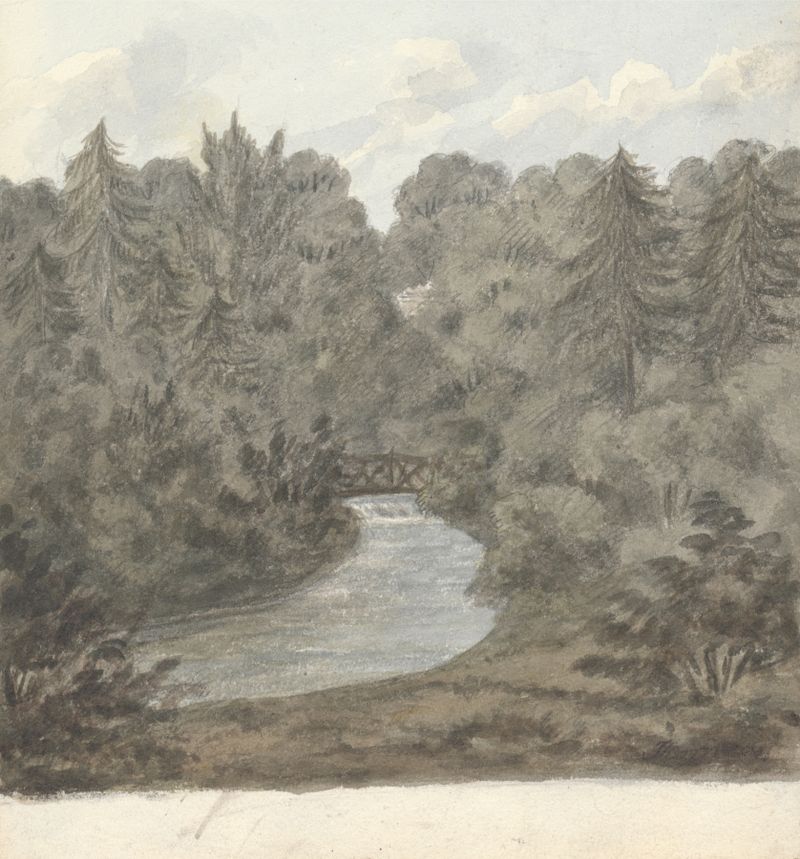
Thornery Pool, Sezincote
Anne Rushout
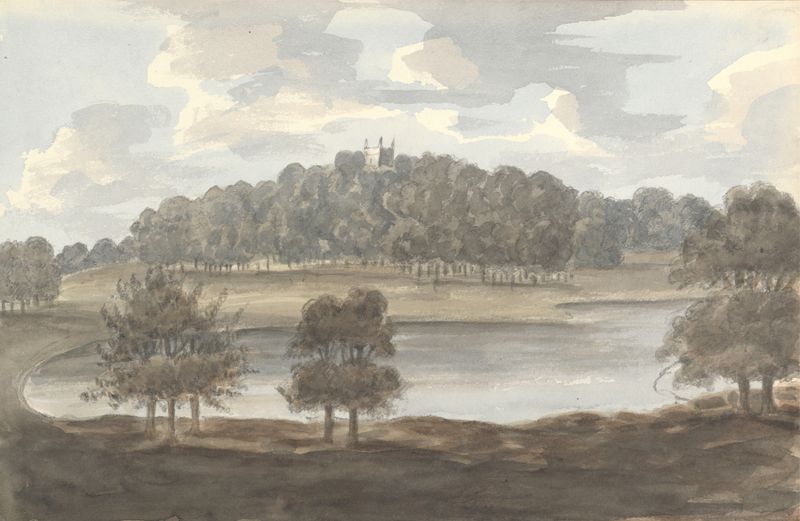
Holkham, August 1824
Anne Rushout

Grove Cottage, Wanstead May 18th, 1825
Anne Rushout
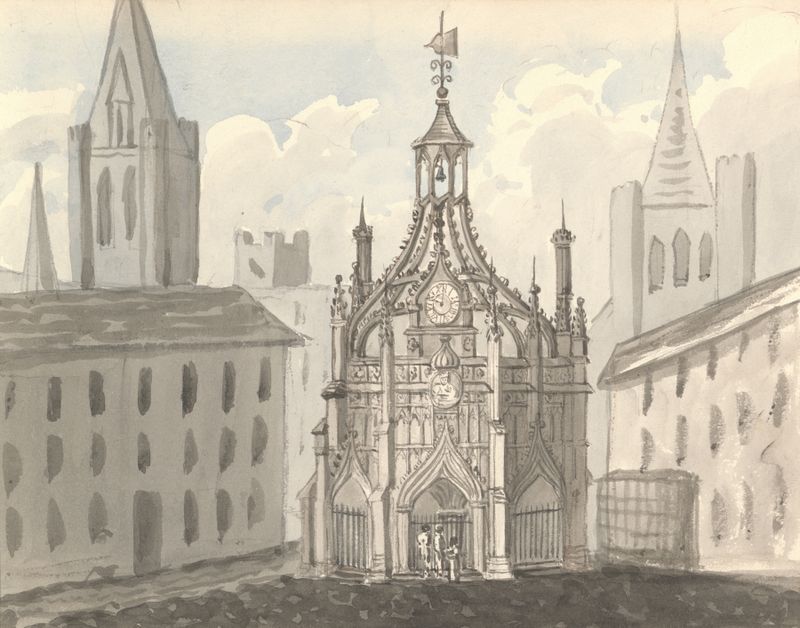
From Inn at Chichester, July 1828
Anne Rushout
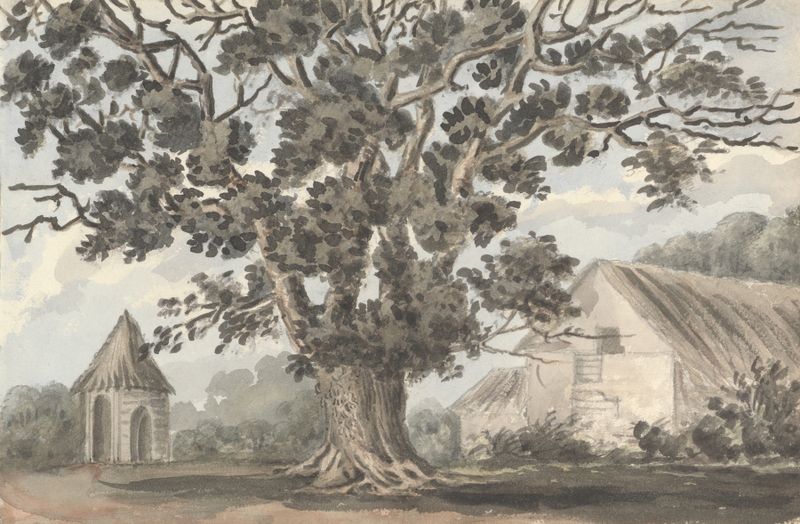
Queen Elizabeth’s Oak near Finborough Hall
Anne Rushout

Holkham, August 1824
Anne Rushout
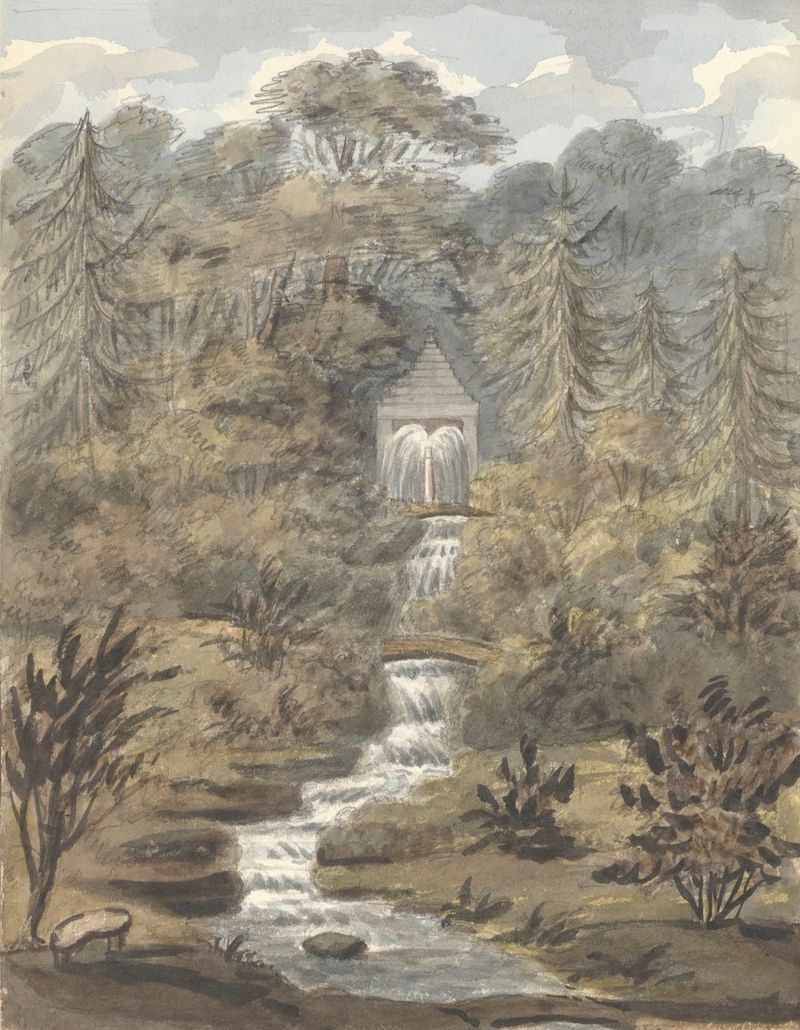
Temple and Falls, Sezincote
Anne Rushout

From Flower Garden, Wanstead Grove
Anne Rushout

From Window at Eastnor Castle, Gloucestershire Beacon, September 28, 1829
Anne Rushout

From Portico at Wanstead Grove, May 24, 1825
Anne Rushout
More Architecture Art
Browse all →
The statue of Liberty
Frédéric Auguste Bartholdi

View of Houses in Delft, Known as ‘The Little Street’
Johannes Vermeer

View of Houses in Delft, Known as ‘The Little Street’
Johannes Vermeer

The Cathedral in Rouen. The portal, Grey Weather
Claude Monet

The yellow house
Vincent van Gogh

The Church in Auvers-sur-Oise, View from the Chevet
Vincent van Gogh